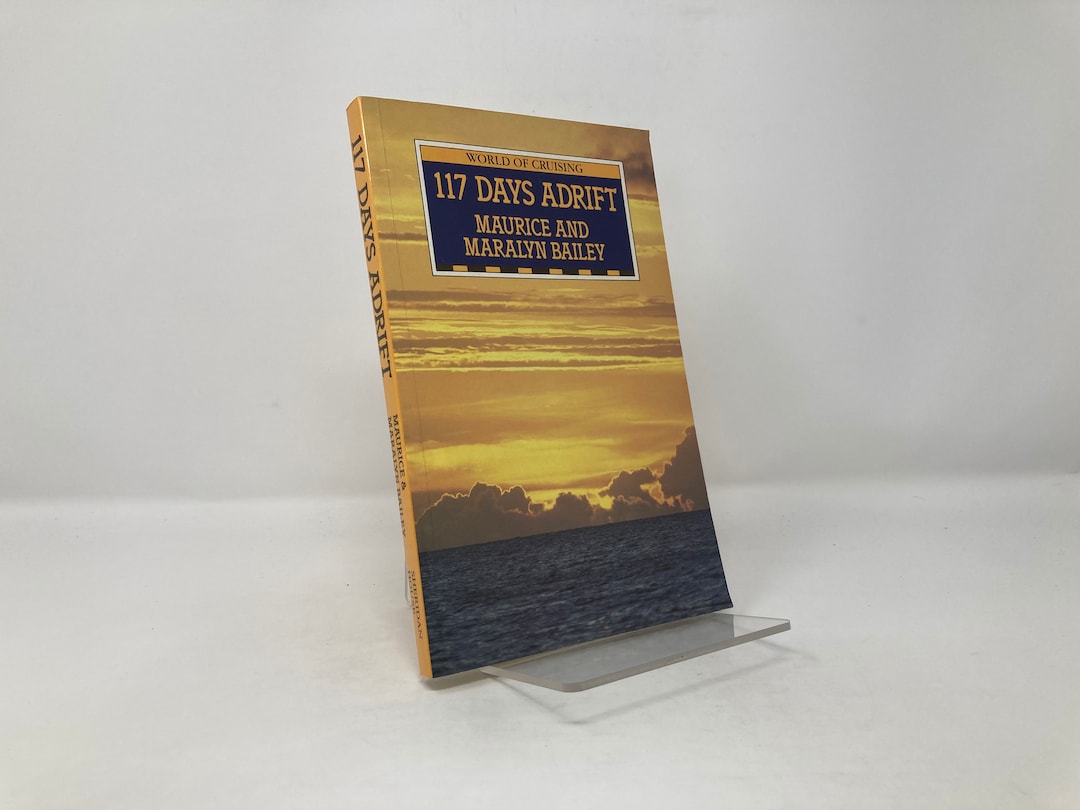
Maurice and Maralyn Bailey survived 117 days adrift in the Pacific Ocean in 1973 after their yacht was sunk by a wounded whale. Relying on a fragile inflatable liferaft and a small dinghy, they sustained themselves on rainwater, raw turtles, and seabirds until their rescue by a Korean fishing vessel on June 30, 1973.
The story of the Baileys is more than a tale of maritime misfortune; it is a seminal case study in human physiology, psychology, and the evolution of survival technology. While modern sailors in 2026 benefit from satellite-linked beacons and high-efficiency desalinators, the core lessons of the Baileys’ 117-day ordeal remain the gold standard for survival training and search-and-rescue protocols.
The Incident: Collision with a Sperm Whale
On March 4, 1973, Maurice and Maralyn Bailey were several days into their voyage from the Galapagos Islands toward Tahiti aboard their 31-foot yacht, the Auralyn. The couple had sold their possessions in England to pursue a dream of sailing the world. Their journey was interrupted when a massive sperm whale, apparently injured by a harpoon from a nearby whaling vessel, struck the hull of the Auralyn.
The impact was catastrophic. The whale's fluke or head tore a hole in the wooden hull, causing the yacht to take on water with a speed that left the Baileys with only minutes to act. In the chaos of the sinking, they managed to deploy their primary survival gear: a four-man inflatable rubber liferaft and a nine-foot Avon Redcrest inflatable dinghy. They scrambled into the rafts with a meager supply of food, a few tools, and a small quantity of water, watching as their home and dreams disappeared beneath the waves of the Pacific.
The Survival Craft and Environmental Challenges
The Baileys found themselves in one of the most remote regions of the world. The Pacific’s vastness meant that the odds of a random vessel crossing their path were astronomically low. Furthermore, the 1970s lacked the Global Positioning System (GPS) or the Emergency Position Indicating Radio Beacons (EPIRBs) that are mandatory for offshore cruising in 2026.
The Liferaft vs. The Dinghy
The couple utilized the liferaft as their primary living quarters and the dinghy as a secondary storage and "utility" vessel. The liferaft provided a small canopy for shade, which was essential for preventing heatstroke and reducing water loss through perspiration. However, the rubber material was not designed for a four-month deployment. Over time, the saltwater and ultraviolet radiation began to degrade the fabric, leading to leaks and the growth of barnacles on the underside.
The Tropical Environment
The equatorial Pacific presents a paradox of survival: the heat is oppressive, yet the humidity can lead to "immersion foot" and skin sores. The Baileys suffered from salt-water boils and painful sores where their skin rubbed against the damp rubber of the raft. Without the ability to stand or move significantly, muscle atrophy became a major physiological threat.
Hydration and Sustenance: A Diet of Necessity
Water is the most critical element of survival. The Baileys began their ordeal with only a few pints of fresh water. When that ran out, they were forced to rely entirely on the environment.
Water Collection
While they had "solar stills" intended to evaporate seawater into fresh water, the devices were largely ineffective in the fluctuating conditions of the open sea. Instead, the Baileys relied on rain. They used the canopy of the liferaft and any available plastic sheeting to catch rainwater during tropical squalls. They learned to wait for the first few minutes of rain to wash the salt off the collection surface before channeling the water into storage containers.
Hunting for Survival
The Baileys’ diet consisted of whatever they could catch by hand or with improvised tools.
- Sea Turtles: Turtles were a primary source of protein and fat. The Baileys would haul them aboard the dinghy—a dangerous task given the risk of the turtle’s beak or flippers puncturing the inflatable. They consumed the meat raw and drank the blood, which provided essential liquids and nutrients, though modern survival experts warn against drinking blood due to its high salt and urea content.
- Seabirds: Boobies and other birds that landed on the raft were caught and eaten. These provided a change in nutritional profile but were difficult to catch consistently.
- Fish: Small fish often gathered in the shade beneath the raft. The Baileys used safety pins and twine to create makeshift hooks to catch them.
| Survival Factor | Bailey Experience (1973) | Modern Context (2026) |
|---|---|---|
| Communication | No radio or signaling devices beyond flares. | Satellite messengers, AIS, and 406 MHz EPIRBs. |
| Water Supply | Rainwater collection and failed solar stills. | Hand-pump reverse osmosis (RO) desalinators. |
| Raft Durability | Standard rubberized fabric; suffered degradation. | Multi-layered, thermally insulated PVC/Polyurethane. |
| Medical Issues | Severe salt sores, weight loss (40kg+). | Advanced first aid kits with antibiotics and dressings. |
| Rescue Time | 117 days before accidental sighting. | Most rescues occur within 24–72 hours of activation. |
The Psychological Battle: Maintaining the Will to Live
One of the most remarkable aspects of the Baileys’ survival was their mental resilience. Studies in maritime survival often highlight that the "will to live" is as important as physical resources. Maurice and Maralyn adopted several strategies to maintain their sanity:
- Routine: They established a daily routine of cleaning the raft, checking for leaks, and monitoring their supplies.
- Future Planning: They spent hours designing their next yacht, discussing improvements they would make based on their current experience. This kept their minds focused on a future beyond the raft.
- Games and Intellectual Engagement: They played mental games and kept a diary. Maurice’s diary later became the basis for their book, providing a clinical look at the degradation of their physical and mental states.
- Mutual Support: Being a couple, they provided each other with emotional stability that solo survivors often lack. When one felt despair, the other would offer encouragement.
By the end of their third month, the physical toll was extreme. They had lost nearly 40 kilograms (approx. 90 lbs) each. Their bodies were covered in sores, and they were so weak they could barely move. They had sighted seven ships during their time adrift, but none had seen their small rafts or the flares they attempted to fire.
The Rescue: The Weolmi 306
On June 30, 1973, the Baileys spotted another ship. This was the Weolmi 306, a South Korean fishing vessel. Unlike the previous encounters, the crew of the Weolmi 306 spotted the tiny inflatable dots on the horizon.
The rescue was a delicate operation. The Baileys were so emaciated and weak that they could not climb the ladder to the ship's deck; they had to be hoisted aboard. The crew of the Weolmi 306 provided immediate medical attention, though they had to be careful not to overwhelm the survivors' digestive systems with heavy food. The Baileys had survived 117 days and drifted approximately 1,500 miles from the site of the sinking.
Legacy and Impact on Maritime Safety
The Baileys' experience led to significant changes in how survival at sea is understood. Their story, documented in the book 117 Days Adrift (published in the US as Staying Alive!), provided data on long-term survival in an inflatable craft that had never been seen before.
Technical Evolution
The failure of their solar stills and the degradation of their raft prompted manufacturers like Avon and RFD to improve the materials used in liferafts. Modern rafts are now built with high-visibility fabrics, improved CO2 inflation systems, and more robust boarding ramps.
Physiological Insights
Medical professionals analyzed the Baileys' recovery to understand how the body adapts to a high-protein, low-carbohydrate diet in a state of chronic dehydration. This helped in developing the specialized "survival rations" found in modern lifeboats, which are high in carbohydrates to minimize the water required for digestion.
Modern Survival Standards as of 2026
For sailors today, the Bailey's story serves as a cautionary tale about the unpredictability of the ocean. While technology has drastically reduced the likelihood of being adrift for 117 days, the fundamental requirements for survival remain unchanged.
- EPIRB and PLB: Every offshore vessel must carry an Emergency Position Indicating Radio Beacon. If the Baileys had a modern 406 MHz EPIRB, their ordeal likely would have ended within days rather than months.
- Grab Bags: Cruisers are now trained to keep a "ditch bag" containing a handheld VHF radio, a portable GPS, a manual desalinator, and medical supplies.
- Liferaft Servicing: The Bailey case underscored the importance of regular liferaft inspections. Vacuum-sealed rafts now protect materials from the salt air until they are actually needed.
The International Maritime Organization (IMO) and the Global Maritime Distress and Safety System (GMDSS) continue to use historical survival data, including the Bailey case, to refine international standards for life-saving appliances (LSA).
Frequently Asked Questions
What caused the Baileys' boat to sink?
The yacht Auralyn was struck by a sperm whale on March 4, 1973. The whale was reportedly injured, possibly by a whaling ship, and struck the boat with enough force to cause an unrepairable breach in the hull. The boat sank in less than an hour.
How did they get fresh water for 117 days?
They primarily relied on rainwater collected from the canopy of their liferaft. While they had solar stills designed to turn salt water into fresh water, these devices were inefficient and frequently broke down, making rainwater their only reliable source of hydration.
Did the Baileys ever sail again?
Yes. Despite the trauma of their 117-day ordeal, Maurice and Maralyn Bailey did not give up their love for the sea. They eventually built a new yacht and continued to sail, demonstrating an incredible level of psychological recovery and resilience.
What happened to the liferaft they used?
The liferaft and dinghy were instrumental in their survival, but by the time of their rescue, the craft were in a state of severe disrepair. The materials were thinning, and barnacles had caused significant drag and structural concern. The experience led to improvements in the durability of inflatable survival craft.
How much weight did they lose?
Both Maurice and Maralyn lost approximately 40 kilograms (roughly 90 pounds). When they were rescued, they were in a state of advanced starvation and required weeks of medical supervision to stabilize their metabolism and organ function.
Practical Recommendation for Offshore Sailors
If you are planning an offshore passage in 2026, the story of 117 days adrift emphasizes that equipment is secondary to preparation. Ensure your liferaft is professionally serviced within its valid date, and never rely solely on a single signaling device. Supplement your automatic EPIRB with a satellite messenger (such as an InReach or Zoleo) and a manual desalinator. Most importantly, practice your "ditch" procedure so that you can exit a sinking vessel with the necessary supplies in under two minutes—the same narrow window the Baileys had when the Auralyn went down.