Proteins are complex macromolecules composed of amino acids that play vital structural, enzymatic, and regulatory roles in biological systems. Whether you are examining dietary requirements, cellular biology, or biochemical applications, understanding the core concepts of protein science helps clarify how these essential nutrients function within the human body and across various industrial fields.
1. The Building Blocks: Amino Acids
At the molecular level, proteins are long chains of amino acids linked together by peptide bonds. There are 20 standard amino acids used by cells to build proteins, each featuring a central carbon atom bonded to an amino group, a carboxyl group, a hydrogen atom, and a variable side chain (R-group) that determines its chemical properties.
Among these 20 amino acids, human beings require nine essential amino acids that the body cannot synthesize on its own: histidine, isoleucine, leucine, lysine, methionine, phenylalanine, threonine, tryptophan, and valine. These must be obtained through dietary sources. The remaining non-essential amino acids can be manufactured internally by metabolic pathways, provided there are sufficient precursors and energy.
2. Structural Levels of Proteins
Proteins exhibit a high degree of structural organization, categorized into four distinct levels:
- Primary Structure: The linear sequence of amino acids in a polypeptide chain. This sequence dictates how the protein will eventually fold and function.
- Secondary Structure: Localized folding patterns stabilized by hydrogen bonds between the backbone atoms. The most common motifs are the alpha-helix and the beta-pleated sheet.
- Tertiary Structure: The overall three-dimensional shape of a single protein molecule, driven by interactions among side chains, including hydrophobic interactions, ionic bonds, and disulfide bridges.
- Quaternary Structure: The arrangement of multiple folded protein subunits (polypeptide chains) into a functional multi-subunit complex, such as hemoglobin.
Disrupting these structures through heat, pH changes, or chemical agents leads to denaturation, where a protein loses its native conformation and, consequently, its biological activity.
3. Dietary Sources: Complete vs. Incomplete Proteins
In human nutrition, dietary protein sources are evaluated based on their amino acid profiles. A complete protein contains all nine essential amino acids in adequate proportions to support human growth and maintenance. Animal-based products—such as meat, poultry, fish, eggs, and dairy—are typically complete proteins.
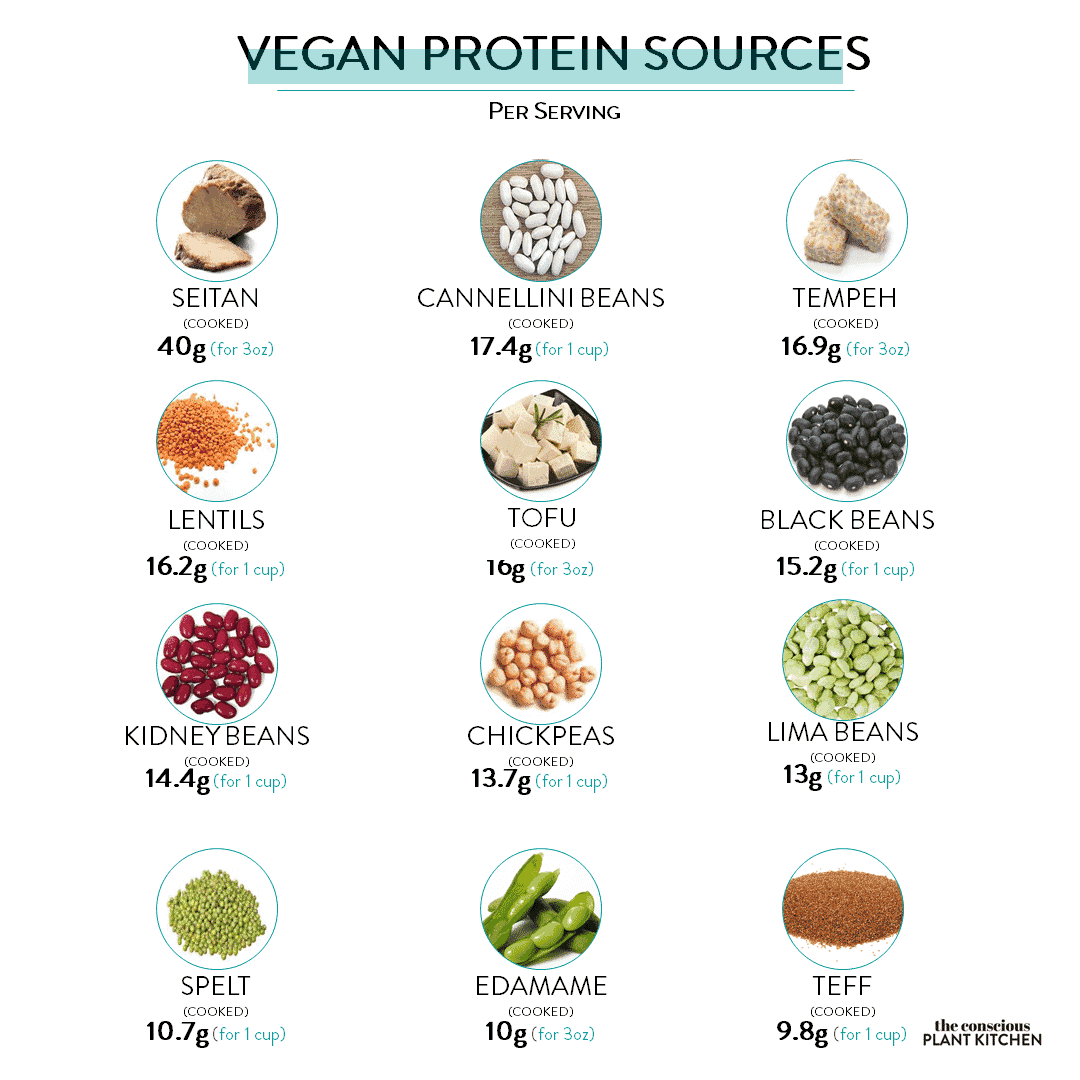
Conversely, incomplete proteins lack one or more essential amino acids. Most plant-based foods, including beans, lentils, nuts, and seeds, fall into this category. However, individuals following plant-based diets can easily obtain a complete amino acid profile by practicing protein combining, which involves consuming complementary plant proteins (such as rice and beans) over the course of the day.
| Protein Category | Amino Acid Profile | Common Sources | Nutritional Consideration |
|---|---|---|---|
| Complete Proteins | Contains all 9 essential amino acids | Meat, fish, poultry, eggs, dairy, soy | High biological value; supports muscle synthesis efficiently on its own. |
| Incomplete Proteins | Lacks one or more essential amino acids | Legumes, grains, nuts, seeds | Requires strategic pairing or varied consumption throughout the day. |
| Isolated Proteins | Purified protein concentrations | Whey isolate, soy isolate, pea protein | High protein-by-weight ratio; minimal fats and carbohydrates. |
4. Dietary Reference Intakes and Requirements
Determining how much protein an individual needs depends on factors such as age, sex, body weight, physical activity level, and overall health status. According to established nutritional guidelines, the Recommended Dietary Allowance (RDA) for protein for a sedentary adult is 0.8 grams per kilogram of body weight (or about 0.36 grams per pound).
However, this baseline RDA represents the minimum amount required to prevent deficiency, not necessarily the optimal amount for active individuals, older adults, or those recovering from injury. Athletes, bodybuilders, and endurance runners often require higher intakes—ranging from 1.2 to 2.0 grams per kilogram—to support muscle repair, adaptation, and nitrogen balance.
5. Enzymatic Catalysis and Biological Functions
Beyond muscle tissue, proteins serve as the primary workhorses of the cell. Enzymes are specialized proteins that act as biological catalysts, accelerating chemical reactions by lowering activation energy. Without enzymes, vital metabolic processes—such as digestion, cellular respiration, and DNA replication—would occur too slowly to sustain life.
Other functional classes of proteins include:
- Structural proteins: Provide mechanical support and shape, such as collagen in connective tissue and keratin in hair and nails.
- Transport proteins: Move molecules across membranes or throughout the body, such as hemoglobin transporting oxygen in the blood.
- Regulatory and signaling proteins: Hormones like insulin regulate physiological processes, while receptor proteins receive external chemical signals.
6. Protein Digestion and Absorption
When dietary protein is ingested, the body breaks it down into absorbable units. Digestion begins in the stomach, where hydrochloric acid and the enzyme pepsin denature proteins and cleave long polypeptide chains into smaller peptides.
The partially digested mixture then enters the small intestine, where pancreatic enzymes (such as trypsin, chymotrypsin, and carboxypeptidase) further break down the peptides into individual amino acids, dipeptides, and tripeptides. Specialized transporter proteins in the intestinal lining absorb these molecules into the bloodstream, transporting them directly to the liver via the hepatic portal system for distribution to tissues throughout the body.
7. Muscle Protein Synthesis and Turnover
In the context of physical fitness and health, muscle protein synthesis (MPS) is the cellular process by which individual amino acids are integrated into skeletal muscle proteins. MPS operates in a continuous dynamic equilibrium with muscle protein breakdown (MPB).
To build muscle mass, the rate of MPS must exceed MPB over time, a state known as a positive net protein balance. Resistance training combined with adequate protein intake—particularly a dose containing 20 to 40 grams rich in the branched-chain amino acid leucine—stimulates robust increases in MPS following a workout.
8. Protein Quality Scoring Systems
Nutritional science utilizes various metrics to evaluate how efficiently the human body can utilize a given protein source. Two prominent scoring systems include:
- PDCAAS (Protein Digestibility-Corrected Amino Acid Score): Evaluates protein quality based on both the amino acid requirements of humans and the digestibility of the protein. The maximum possible score is 1.0.
- DIAAS (Digestible Indispensable Amino Acid Score): A newer, more accurate metric recommended by the Food and Agriculture Organization (FAO) that measures amino acid digestibility at the end of the small intestine rather than over the entire digestive tract.
Understanding these scores helps food scientists and dietitians formulate balanced nutritional products for clinical and athletic populations.
9. Potential Risks of Excessive Intake
While protein is essential, consuming excessively high amounts over long periods can present certain physiological challenges. For healthy individuals, high-protein diets are generally safe, but extreme intake can place a burden on the kidneys, which must filter out increased amounts of urea generated from amino acid metabolism.
Furthermore, diets heavily reliant on processed animal proteins may be high in saturated fats and sodium, potentially increasing cardiovascular risks. Maintaining a balanced intake that incorporates diverse plant and animal sources helps mitigate these concerns while meeting nutritional targets.
10. Industrial and Biochemical Applications
Proteins are not only vital for biological organisms but also foundational in various industrial sectors. In biotechnology, recombinant proteins are manufactured using genetically modified bacteria or mammalian cell lines to produce therapeutic agents, such as insulin, monoclonal antibodies, and vaccines.
Additionally, industrial enzymes derived from fungi and bacteria are utilized in laundry detergents, textile processing, food production (such as cheese making and brewing), and biofuel generation. These applications leverage the high specificity and catalytic efficiency of protein molecules to perform complex chemical transformations under mild environmental conditions.
Frequently Asked Questions
What happens if you consume too little protein?
Inadequate protein intake can lead to muscle wasting, weakened immune function, fatigue, slowed growth in children, and a condition known as kwashiorkor in severe deficiency states. Over time, chronic deficiency impairs tissue repair and metabolic regulation across all major organ systems.
Are plant proteins as effective as animal proteins for muscle building?
Plant proteins can be just as effective as animal proteins, provided that total daily protein intake and essential amino acid requirements are met. Because some plant sources have lower digestibility or lack certain essential amino acids, individuals may need to consume slightly higher quantities or combine different plant sources.
Does the timing of protein consumption matter?
While total daily protein intake is the most critical factor for body composition and muscle maintenance, spreading protein consumption evenly across three to five meals (with approximately 20 to 40 grams per meal) optimizes the muscle protein synthesis response throughout the day.
Can the human body store excess protein?
Unlike carbohydrates and fats, which are stored as glycogen or adipose tissue, the human body does not have a dedicated storage depot for excess amino acids. Instead, surplus amino acids are deaminated in the liver, with the nitrogen excreted as urea and the remaining carbon skeletons converted into glucose or fat for energy.
Is protein powder necessary for fitness goals?
Protein supplements are not strictly necessary, as individuals can meet their nutritional requirements entirely through whole foods. However, powders offer a convenient, cost-effective, and rapidly absorbed alternative for individuals with high protein requirements or busy schedules.
Practical Next Actions
To optimize your dietary protein intake or deepen your understanding of protein science, assess your current daily consumption using nutritional tracking tools or consult a registered dietitian. Ensure your diet includes a diverse array of complete and incomplete protein sources tailored to your personal health goals, physical activity levels, and lifestyle requirements.