The critical update in ICD-10 coding for low back pain focuses on the mandatory shift toward specificity regarding the anatomical region and the presence of associated radiculopathy. Rather than using generic codes for unspecified back pain, providers must now utilize granular descriptors—distinguishing between lumbar, sacral, and lumbosacral regions—to ensure accurate documentation, billing compliance, and proper reimbursement under current 2026 standards.
The Evolution of Specificity in ICD-10-CM
The International Classification of Diseases, 10th Revision, Clinical Modification (ICD-10-CM), was designed to offer significantly more clinical detail than its predecessor. While many practitioners remain accustomed to legacy billing habits—such as defaulting to “low back pain” (M54.5)—the medical coding landscape has evolved to demand higher levels of diagnostic precision.
In recent fiscal updates, the Centers for Medicare & Medicaid Services (CMS) and the National Center for Health Statistics (NCHS) have underscored the requirement for medical necessity documentation. Documentation that merely states “low back pain” is increasingly flagged during audits as insufficient. The “key update” that practitioners must integrate into their 2026 clinical workflows is the transition away from the now-invalidated M54.5 code and the mandatory adoption of more specific alternatives that better reflect the patient’s underlying pathophysiology.
Why Generic Coding Is No Longer Acceptable
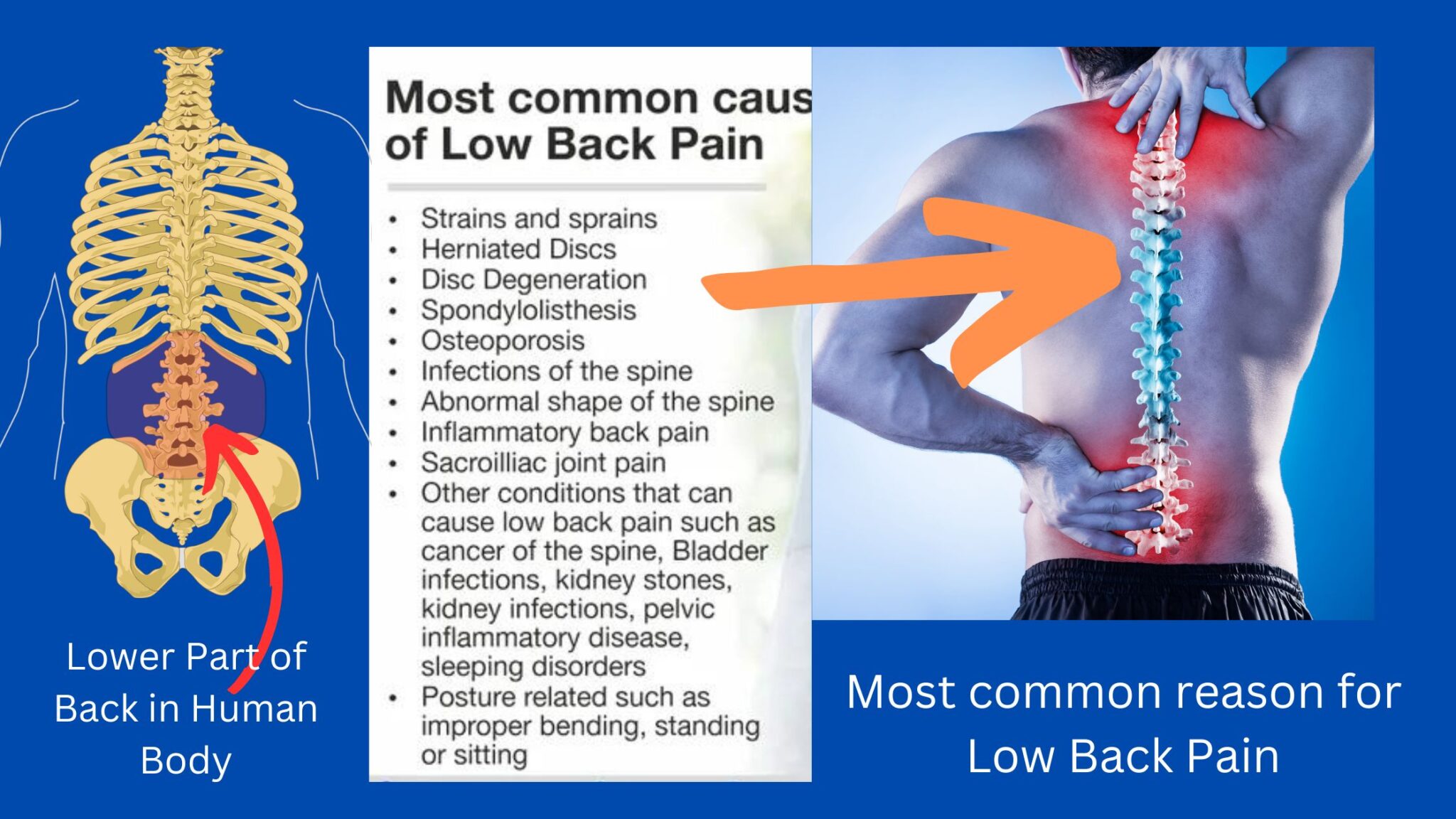
For years, the code M54.5 was a catch-all for patients presenting with pain in the lumbar region. However, the coding hierarchy was expanded to force a distinction between pain originating from the lower back and pain that is specifically localized to the lumbar vertebrae, the lumbosacral joint, or the sacrum.
From a clinical perspective, this shift is intended to improve data collection for population health management and clinical research. When a provider uses a generic code, the data loses its utility for tracking chronic disease prevalence, recovery outcomes, and the success of various interventional pain management strategies. In 2026, failing to provide this specificity in your Electronic Health Record (EHR) does not just risk a claim denial; it degrades the quality of the patient’s permanent medical record.
Understanding the New Diagnostic Categories
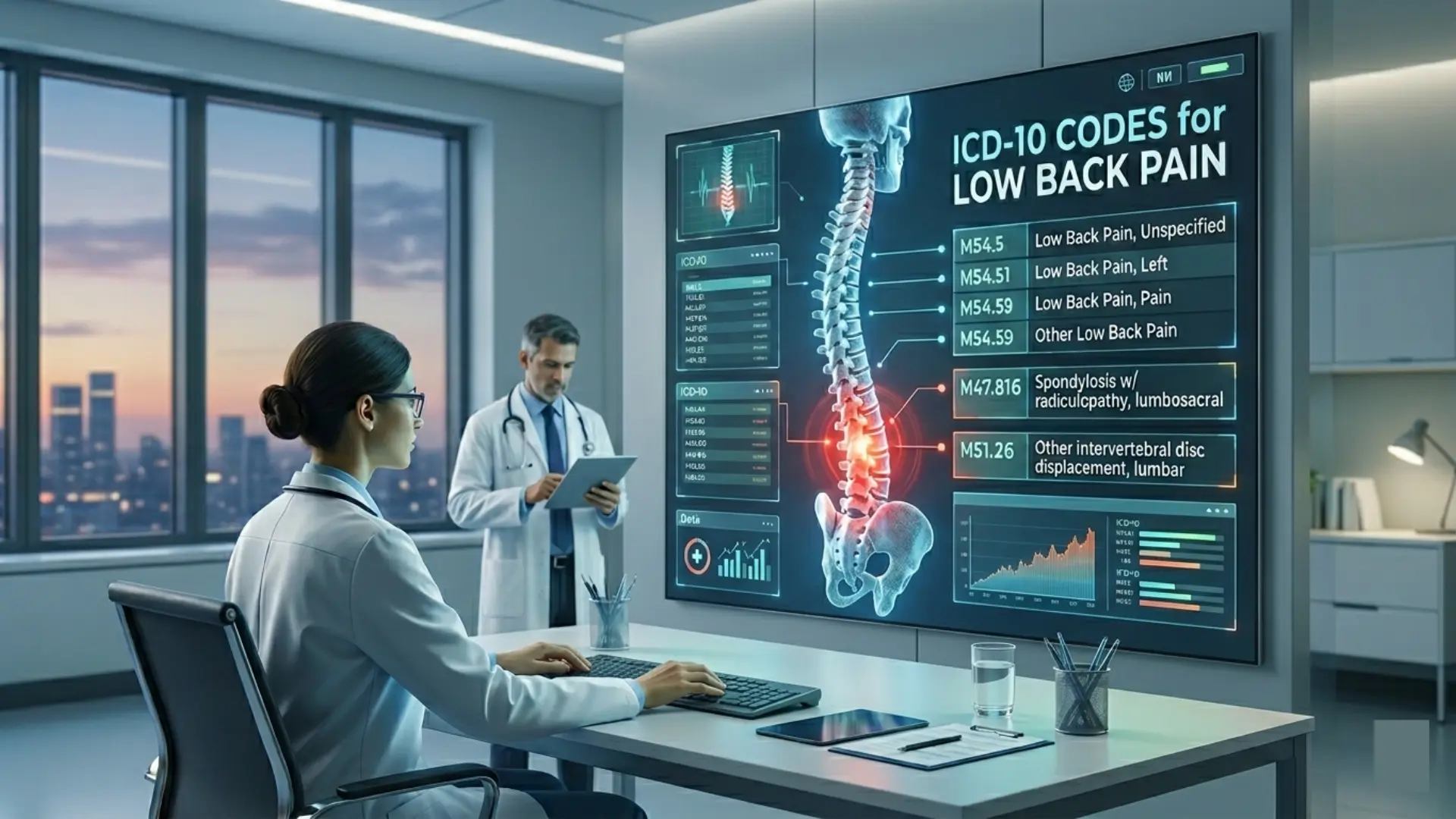
To align with 2026 coding requirements, providers must differentiate between various localized conditions. The primary shift involves moving from the broad M54.5 category to more granular codes that specify the anatomical origin of the patient's discomfort.
1. Low Back Pain vs. Lumbago
It is essential to distinguish between the term "low back pain" and "lumbago." In the updated coding manual, you will find that these are often treated as synonymous in terminology but are categorized distinctly under the M54.5 series. You must verify if the patient’s diagnosis code requires the inclusion of "sciatica" or "radiculopathy."
2. Anatomical Precision
When documenting for 2026, you must specify the region:
- Lumbar: Focuses on the L1 through L5 vertebrae.
- Sacral/Sacroiliac: Often relates to the base of the spine, where the sacrum meets the iliac bones.
- Lumbosacral: Used when the pain involves the transitional zone between the lumbar and sacral regions.
Impact of Radiculopathy on Coding
A secondary, yet equally vital, component of this update is the documentation of radiculopathy. Radiculopathy occurs when a nerve root in the spine is compressed or inflamed, often manifesting as pain radiating into the limbs.
In previous years, providers might have coded for low back pain while noting radiculopathy in the assessment notes. Under current guidelines, if a patient presents with radiculopathy, it is often a more specific diagnosis than the back pain itself. Coding for "low back pain with sciatica" or "lumbosacral radiculopathy" provides a more accurate medical narrative and justifies higher-level diagnostic testing, such as an MRI or electromyography (EMG).
Practical Workflow: How to Update Your EHR Practices
Transitioning to more precise coding requires a proactive change in how your clinic handles encounter documentation. Relying on "favorite codes" or "copy-paste" templates in your EHR is a primary source of coding errors in 2026.
- Audit Your Template Library: Review your common order sets and templates. Ensure they do not auto-populate M54.5.
- Clinical Documentation Improvement (CDI): Train medical assistants and nurses to prompt providers for anatomical specifics during the intake process. If a patient complains of back pain, the intake note should specify if the pain is radiating or localized to the lumbar region.
- Cross-Check with Physical Exam: Ensure that your ICD-10 code selection is supported by objective findings in your physical exam, such as a positive straight-leg raise test (which supports a radiculopathy code) or palpation tenderness over the lumbar paraspinal muscles.
Comparison of Coding Scenarios
The following table provides a breakdown of how to translate common patient presentations into accurate 2026 ICD-10-CM codes.
| Patient Presentation | Old Standard (Incorrect) | Updated 2026 Standard (Correct) |
|---|---|---|
| General lower back discomfort | M54.5 | M54.50 (Low back pain, unspecified) |
| Pain in lumbar region | M54.5 | M54.51 (Vertebrogenic low back pain) |
| Sciatica radiating to leg | M54.5 | M54.3x (Sciatica) / M54.16 (Radiculopathy) |
| Lumbosacral joint pain | M54.5 | M54.59 (Other low back pain) |
Note: Always consult the official ICD-10-CM tabular list for the most current instructional notes regarding excludes-one and excludes-two conditions.
Avoiding Common Mistakes
One of the most frequent errors identified in 2026 coding audits is "upcoding" or "over-specifying." While specificity is required, it must be supported by the medical record. Do not select a code for "radiculopathy" if the neurological exam does not support it. Conversely, do not use the "unspecified" code if your clinical evaluation clearly identified a lumbar source.
Another common pitfall is ignoring the "Excludes1" notes. For instance, many back pain codes exclude pain related to underlying fractures, malignancy, or specific systemic diseases. If a patient’s back pain is a symptom of a compression fracture due to osteoporosis, the fracture code takes priority.
The Role of Medical Necessity in Reimbursement
Insurance carriers in 2026 are increasingly aggressive about reviewing the medical necessity of physical therapy, chiropractic adjustments, and imaging orders. When you submit a claim with an unspecified back pain code, the payer’s automated system may automatically deny the claim because the code lacks the necessary "severity" to justify expensive interventions.
By utilizing specific codes that include descriptors like "radiculopathy," "vertebrogenic," or "lumbosacral," you effectively "lock in" the medical necessity of the treatment. This reduces the administrative burden on your staff, as they will spend less time processing denials and performing appeals.
FAQ: Navigating the 2026 Coding Landscape
Q: Can I still use the old code for low back pain if I don't know the cause? A: You should avoid using "unspecified" codes whenever possible. In 2026, the preference is to document the region of the back. If you truly cannot determine the etiology, use the most specific anatomical code available (e.g., M54.50) rather than a generic or legacy code.
Q: Does this update change how I document physical therapy referrals? A: Yes. Physical therapy authorizations are highly dependent on the diagnosis code. Using a specific code that indicates radiculopathy, for example, often justifies a higher frequency or longer duration of therapy sessions compared to a generic "back pain" diagnosis.
Q: What if the patient has pain in both the lumbar and sacral regions? A: Coding guidelines generally instruct you to code the most specific condition that encompasses the primary complaint. If the patient has pan-spinal pain, you may need to use multiple codes, provided they are supported by your examination findings.
Q: How do I know which code is valid for 2026? A: Always refer to the official ICD-10-CM guidelines published by the CDC and CMS. These are updated annually on October 1st. You can access the most recent digital manuals via the official CMS website or trusted medical billing software integrations that update automatically.
Q: Are there penalties for using the wrong code? A: While clinicians are not typically fined for simple errors, consistent use of incorrect or outdated codes can lead to increased audit scrutiny from CMS, potential loss of credentialing with private payers, and significant revenue cycle delays.
Final Recommendation
The most effective way to ensure compliance with 2026 ICD-10 low back pain coding standards is to integrate "clinical specificity" into your daily documentation routine. Do not allow your EHR to dictate your coding through pre-filled, outdated templates. Instead, perform a brief, targeted physical exam for every back pain patient and select the ICD-10 code that precisely reflects the anatomical findings. Prioritize documenting radiculopathy when present, and consistently review your denied claims to identify patterns where your clinical documentation may be falling short of current billing requirements. By improving your documentation at the point of care, you not only ensure accurate billing but also provide a clearer longitudinal record of the patient’s spinal health.