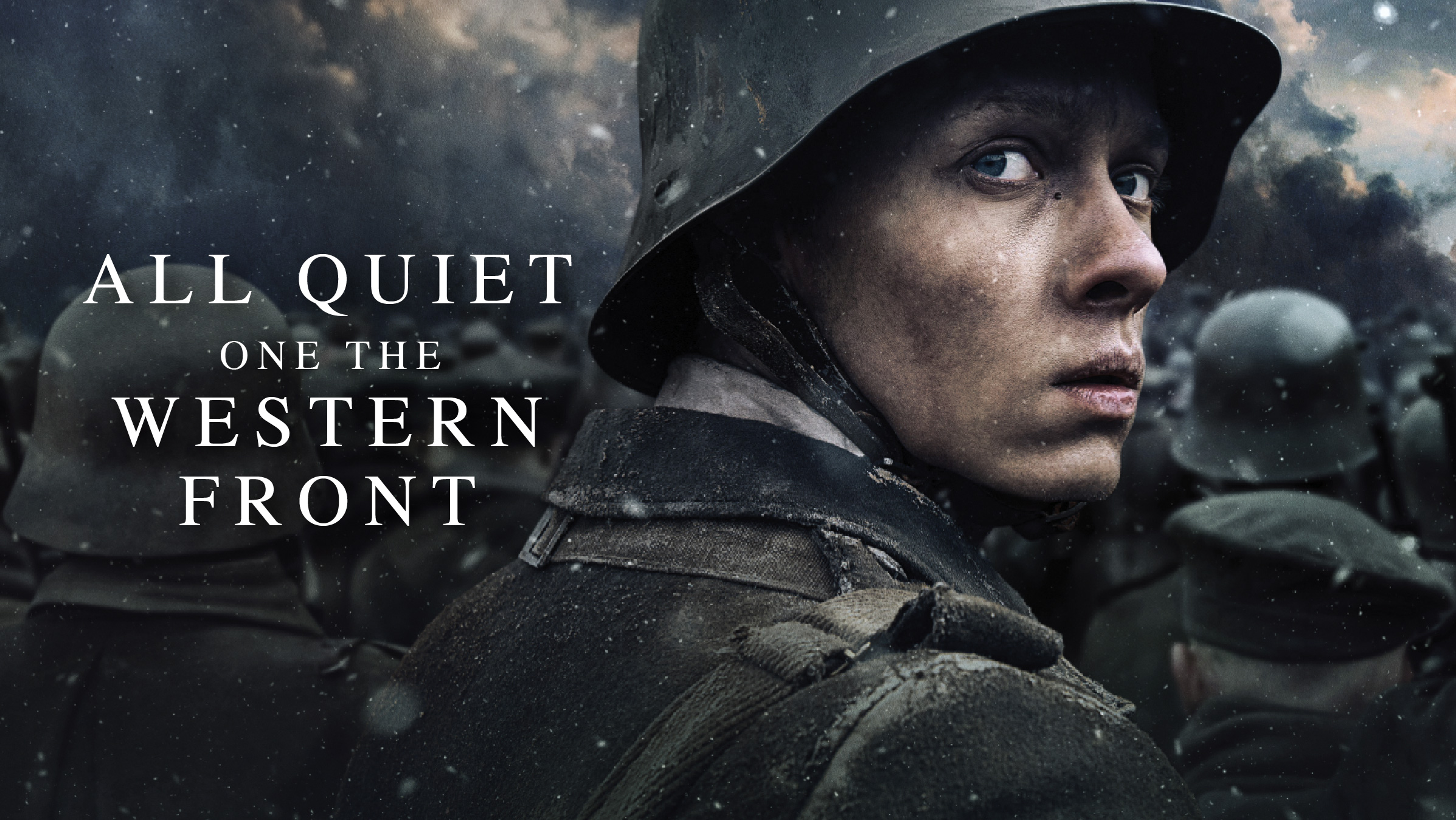
The 1930 production of All Quiet on the Western Front, directed by Lewis Milestone, remains one of the most significant anti-war films in cinematic history. While various edited or "cut" versions have circulated since its release, the comprehensive, restored full-length version typically runs approximately 133 to 136 minutes, depending on frame rate, and provides the complete narrative arc of Paul Bäumer’s disillusionment during the First World War.
The Significance of the 1930 Adaptation
When Universal Pictures adapted Erich Maria Remarque’s seminal 1929 novel All Quiet on the Western Front to the screen in 1930, the film was an immediate cultural phenomenon. It was one of the first major talkies to address the trauma of World War I with such visceral, unvarnished intensity. For audiences in 1930, the film was not merely entertainment; it was a confrontation with the recent, brutal reality of trench warfare that many veterans were still struggling to process.
The film follows a group of young German schoolboys who are coaxed by their patriotic teacher into enlisting in the Imperial German Army. As they transition from the classroom to the front lines, their romanticized notions of glory are systematically destroyed by the squalor, hunger, and relentless carnage of the battlefield. The full-length version captures the nuances of these characters' slow psychological erosion, a process that is often truncated in shorter, reedited broadcast versions or older, damaged prints.
Defining the "Full Length" Version
The quest for the "full length" version of this film is complicated by the technological limitations of the early sound era. In 1930, sound-on-film technology was still evolving. There were essentially two distinct versions created for the initial release: a sound version and a silent version. Furthermore, censorship boards in various countries—and even within different U.S. states—frequently demanded cuts to scenes they deemed too violent or "defeatist."
Technical Distinctions
- The Original Sound Version: The standard theatrical length typically cited by historians is roughly 136 minutes. This version includes the synchronized dialogue and the harrowing sound effects of artillery and machine-gun fire that were revolutionary for the time.
- Restoration Standards: In recent years, The Library of Congress and other film preservation organizations have worked to reconstruct the film using the best surviving nitrate elements. The "complete" version available to modern viewers today is the result of these digital restorations, which stitch together the original audio tracks with the longest known surviving visual negatives. If you are watching a version that runs significantly under 130 minutes, it is likely a truncated theatrical re-issue or an edited television print.
Key Narrative Elements in the Complete Cut
To truly understand why the full-length version is preferred by cinephiles and historians, one must look at the scenes that are often missing from butchered versions. The pacing of the film is essential to the impact of its message; the long, lingering shots of the trenches establish a sense of claustrophobia that a shorter edit fails to communicate.
- The Classroom Prologue: The extended sequence where the teacher, Kantorek, manipulates his students into signing up is vital. It frames the entire tragedy not as an inevitable event, but as a systematic betrayal of the youth by the older generation.
- The "Boot" Subplot: While the boots of a fallen comrade are present in shorter versions, the full-length iteration allows for the subtle shift in ownership and the grim humor associated with them to develop more naturally. This serves as a metaphor for the way the army views the soldiers as replaceable equipment.
- The Final Leave: Paul’s return home on leave is significantly longer in the full-length version. His inability to communicate with his family, who refuse to believe the horrors he describes, is the emotional pivot point of the film. Without the full duration of these scenes, the audience loses the depth of his isolation.
Historical Restoration and Preservation
The 1930 version of All Quiet on the Western Front has faced significant challenges regarding preservation. Because it was an early "talkie," the synchronization between the sound disks (or early sound-on-film) and the image was fragile. Many early prints were lost or suffered from "vinegar syndrome," a chemical breakdown of the film stock.
In 2026, thanks to the advancements in digital film restoration, we can experience the film with a level of clarity that was impossible even twenty years ago. Digital tools allow restorers to:
- Remove dirt, scratches, and flicker that plagued previous versions.
- Stabilize the image where the original camera work was shaky or the negative had shrunk.
- Clean up the audio tracks to remove hiss without losing the gritty, organic quality of the 1930 sound design.
Comparing Versions and Editions
| Version Type | Approximate Runtime | Availability | Note |
|---|---|---|---|
| Original 1930 Release | 136 min | Rare/Archive | The standard for historical reference. |
| Restored Archive Print | 133–136 min | High (Public/Private) | Best visual/audio quality for researchers. |
| Theatrical Re-issue (1939/50s) | 100–120 min | Moderate | Often cut for political content or pacing. |
| TV Syndication Cuts | 90–105 min | Low | Heavily edited for time and censorship. |
Why Length Matters for Artistic Intent
The film is not merely a record of war; it is an argument against it. Lewis Milestone used long, sweeping tracking shots—a technique that was highly advanced for 1930—to capture the chaos of the trenches. These shots require time to "breathe." When a version is cut for length, the rhythmic flow of the film is interrupted, turning a meditative, agonizing experience into a series of disjointed action vignettes.
If you are a student of film or history, viewing a cut version fundamentally changes the character arc of Paul Bäumer. You see the results of his trauma, but you miss the process of his decay. The full-length version ensures that the film’s final, famous shot—the hand reaching for a butterfly—retains its devastating emotional resonance.
Frequently Asked Questions
Is the "full length" version censored? Even the longest known versions of the 1930 film are technically "censored" versions compared to the original, as minor cuts were made by various national boards (such as the German censor at the time) upon initial release. However, modern restorations strive to reach the longest possible original cut.
Does a silent version of the 1930 film exist? Yes. Because many theaters in 1930 were not yet equipped for sound, a silent version was released simultaneously, complete with title cards. This version is a fascinating historical artifact but lacks the powerful sound design that defines the cinematic experience of the talkie version.
Where can I verify if I am watching the full-length version? Check the runtime. If the feature film is listed at 133 minutes or more, you are likely viewing the standard restoration. Anything under 120 minutes is almost certainly a cut version designed for television syndication or re-release.
Are there different "Director's Cuts"? No. Lewis Milestone did not produce an alternate "director's cut" later in his life. The variations that exist are products of the studio system, wartime censorship, and the physical degradation of film prints over the decades.
How does the 1930 version compare to the 2022 adaptation? The 1930 version is a faithful, albeit stylistically period-specific, adaptation of the novel. The 2022 film is a modern reinterpretation that utilizes contemporary filmmaking technology to achieve a different kind of visceral impact, though it takes greater liberties with the source material's plot structure.
Practical Next Steps for Viewers
If you are looking to watch All Quiet on the Western Front (1930), your best course of action is to source a copy from a reputable archive or a high-quality physical media restoration (such as those released by Criterion or specialized film history labels). Avoid low-budget digital rentals or "public domain" uploads found on ad-supported video sites, as these are almost universally the shortest, most damaged prints available. By prioritizing the high-fidelity restored version, you ensure that you are experiencing the film as intended, with the narrative rhythm and technical achievements intact.