"This Is Why We Can't Have Nice Things" by Taylor Swift, featured on her sixth studio album Reputation (2017), is a sharp, theatrical, and emotionally complex track that dissects a high-profile betrayal of trust, the disintegration of a major friendship, and the subsequent fallout of public drama. Co-written by Swift and Jack Antonoff, the song blends a deceptively upbeat, bubblegum-pop production with biting, sarcastic lyrics, creating a rich text for musical, thematic, and cultural analysis.
Introduction to Reputation and the Genesis of the Track
Released in November 2017, Reputation arrived at a tumultuous juncture in Taylor Swift’s career and public life. Following a year of intense media scrutiny, public feuds, and a calculated retreat from the spotlight, the album served as Swift's response to the narratives constructed around her by tabloid media and rival celebrities. While much of the record focuses on finding sanctuary in romance or confronting aggressive media entities, "This Is Why We Can't Have Nice Things" acts as a theatrical purging of a specific social betrayal.
Musically, the song stands out for its juxtaposition. It utilizes bright synth-pop textures, handclaps, and a galloping rhythm that evoke an upscale, champagne-soaked party. However, this glittering sonic backdrop serves to highlight the dark cynicism of the lyrics. Understanding the song requires examining how Swift weaponizes irony, contrasting the joyful exterior of a celebration with the toxic undercurrents of deceit and manipulation that ultimately destroy it.
Lyrical Thematics: Trust, Betrayal, and the Aftermath
At its core, the lyrics of "This Is Why We Can't Have Nice Things" document the transition from hospitality and open-heartedness to defensive hostility. The track opens by establishing an atmosphere of generosity and warmth:
"It was so nice being friends again / There I was, giving you a second chance / But you had to go and blow it all up, make us look so crazy."
These lines establish the central conflict. Swift highlights the emotional labor of extending grace—"giving you a second chance"—only for that trust to be weaponized against her. The phrase "make us look so crazy" alludes heavily to gaslighting and public image manipulation, themes that run deeply throughout the Reputation era.
As the song progresses, the imagery shifts from emotional vulnerability to physical and social spaces. Swift describes hosting individuals in her home, offering hospitality, and fostering an environment of trust, only to discover that her kindness was exploited for backstabbing. The proverbial "nice things" in the title double as physical comforts, social circles, and emotional peace, all of which are shattered by malicious behavior.
The Evolution of the Narrative Arc
The storytelling within the track follows a strict psychological progression, moving from disbelief to righteous anger, and finally to sarcastic detachment.
- Reconciliation and Hospitality: The initial phase reflects a desire to move past old grievances, marked by welcoming gestures and open doors.
- The Discovery of Deceit: The realization that the olive branch was met with covert sabotage, shattering the illusion of safety.
- The Eruption of Conflict: The explosive breakdown of the relationship, accompanied by public fallout and media magnification.
- Resignation and Catharsis: The final realization that certain people cannot handle honesty or maturity, leading to a mocking toast to the end of the connection.
Musical Composition and Production Choices
Produced primarily by Taylor Swift and Jack Antonoff, the sonic architecture of "This Is Why We Can't Have Nice Things" plays a crucial role in its narrative delivery. The production relies on a dense wall of synthesizers, crisp drum programming, and layered vocal harmonies that mimic a celebratory anthem.
A defining moment in the song's production occurs during the bridge, where the music temporarily cuts out, and Swift lets out a genuine, uninhibited laugh before declaring:
"And here's to you, 'cause forgiveness is a nice thing to do."
This theatrical break shatters the fourth wall of the song. The laughter transitions the track from a pop grievance into a campy, highly stylized performance. It signals to the listener that Swift is fully aware of the melodrama inherent in the situation, reclaiming control of the narrative by refusing to take the betrayal with solemn gravity. Instead, she reduces her antagonist to a caricature of bad behavior, neutralizing their power through ridicule.
Cultural Context and Intertextuality within Swift’s Discography
Within the broader context of Taylor Swift’s discography, "This Is Why We Can't Have Nice Things" occupies a unique space. While tracks like "Bad Blood" (from 2014's 1989) deal with female rivalry and betrayal through an aggressive, action-movie lens, "This Is Why We Can't Have Nice Things" is more grounded in domestic space, social etiquette, and psychological exhaustion. It examines the exhaustion of maintaining high-society friendships when underlying malice is present.
Furthermore, the song dialogs with Swift’s recurring fascination with houses, homes, and private spaces as symbols of safety. In songs like "The Archer" or "Lover," the home represents emotional sanctuary. In "This Is Why We Can't Have Nice Things," the home is violated—a sanctuary turned into a stage for betrayal. This thematic motif underscores the high stakes of celebrity privacy and the difficulty of maintaining authentic relationships under the microscopic gaze of the public eye.
Comparative Overview of Reputation’s Thematic Pillars
To understand how "This Is Why We Can't Have Nice Things" fits into the thematic landscape of Reputation, it helps to compare it with other tracks addressing external pressure and personal relationships from the same album.
| Track Title | Primary Sonic Style | Core Thematic Focus | Resolution/Outcome |
|---|---|---|---|
| Look What You Made Me Do | Dark electropop, minimalist aggression | Resurrection, shedding past identities, dealing with enemies | Total rebirth, embracing the villain narrative |
| This Is Why We Can't Have Nice Things | Theatrical bubblegum-pop, grand production | Betrayal in friendship, social sabotage, parties | Sarcastic toast, laughter, cutting ties |
| Call It What You Want | Mid-tempo synth-pop, atmospheric | Finding genuine love and peace away from public noise | Emotional isolation and protection with a partner |
| Getaway Car | Driving synth-pop, cinematic storytelling | Escaping a toxic dynamic through a temporary rebound | Abandonment, lingering guilt, self-awareness |
This comparison highlights how "This Is Why We Can't Have Nice Things" functions as a bridge between public confrontation and private healing, utilizing camp and irony where other tracks use gothic darkness or vulnerable confessionals.
Common Misinterpretations and Critical Reception
Upon the release of Reputation, music critics and fans immediately parsed "This Is Why We Can't Have Nice Things" for autobiographical references. While public discourse heavily associated the track with specific celebrity feuds—most notably the well-documented fallout between Swift, Kanye West, and Kim Kardashian—limiting the song strictly to tabloid gossip overlooks its broader artistic achievements.
Why Literal Interpretations Fall Short
- Universal Relatability: Reducing the song to a mere diss track diminishes its exploration of universal themes: the grief of losing a friend, the frustration of gaslighting, and the difficulty of rebuilding trust after being burned.
- Theatrical Exaggeration: The exaggerated elements of the song—such as the grand dinner parties and cinematic betrayals—are stylized storytelling devices, not literal documentary accounts of everyday social interactions.
- Self-Aware Humor: The iconic laugh in the bridge demonstrates that Swift is poking fun at her own penchant for holding onto grievances, adding a layer of self-deprecation that pure victim narratives lack.
Legacy and Live Performance Impact
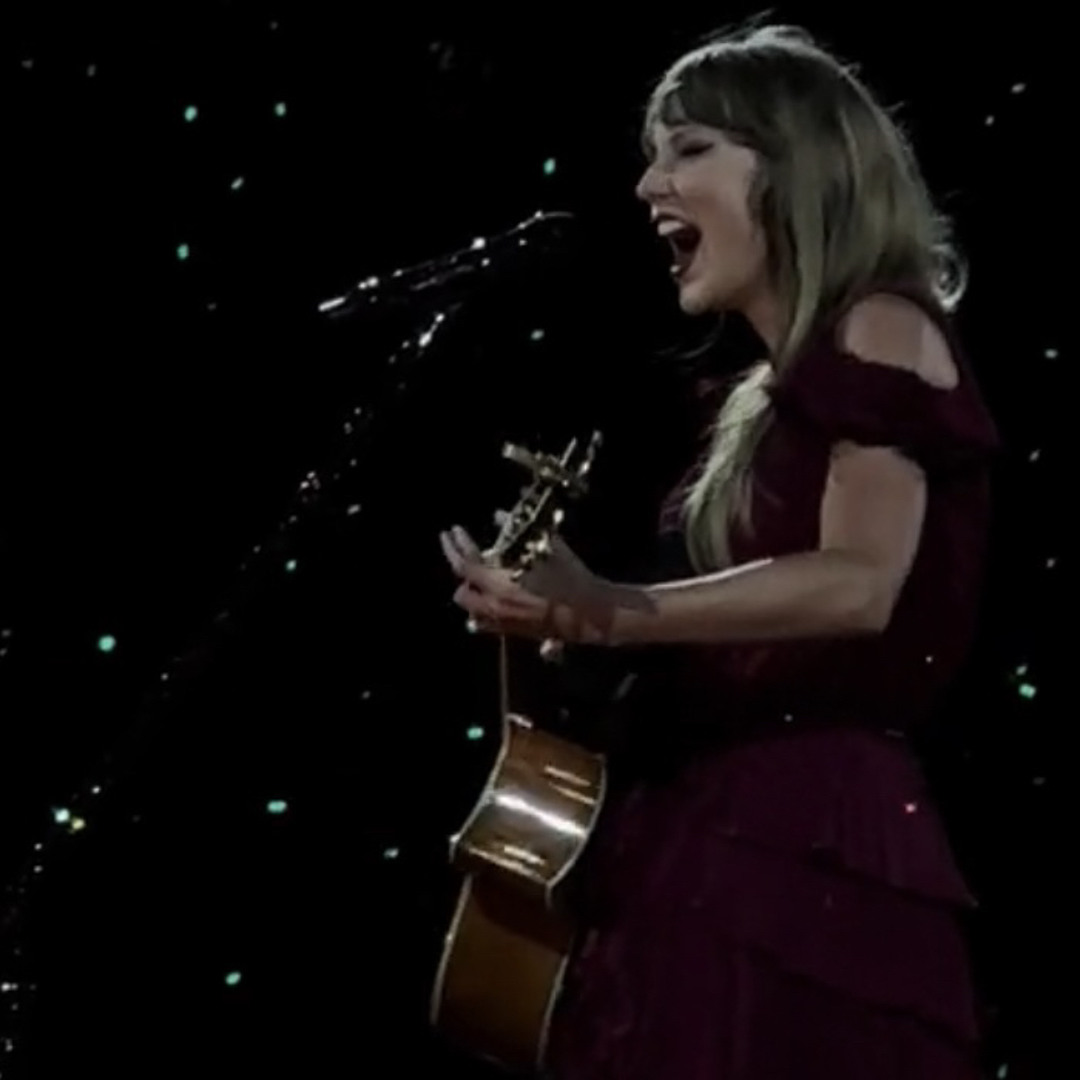
The song achieved legendary status during Swift’s Reputation Stadium Tour (2018). The live performance transformed the track into an elaborate theatrical production. Swift, surrounded by dancers, fountains, and cascading confetti, performed the song with exaggerated cheerfulness, turning the stadium into a giant, sarcastic cocktail party.
This staging cemented the song's role as a fan-favorite catharsis anthem. It allowed concertgoers to scream the lyrics not out of blind malice, but as a collective exorcism of petty betrayals in their own lives.
Frequently Asked Questions
What is the main meaning behind "This Is Why We Can't Have Nice Things"?
The song explores the painful realization that betrayal by someone trusted ruins good things—such as friendship, hospitality, and peace of mind. It uses sarcasm and theatrical pop production to process the frustration of dealing with manipulative people who weaponize kindness.
Is "This Is Why We Can't Have Nice Things" about a specific person?
While widely interpreted by fans and media outlets as a commentary on Swift's public falling-out with Kanye West and Kim Kardashian, Swift herself has framed her songwriting around universal emotional truths. The lyrics address the general archetype of toxic friendship and deceit rather than serving as a strict documentary.
Why does Taylor Swift laugh in the middle of the song?
The spontaneous-sounding laugh during the bridge serves as a theatrical device. It breaks the tension of the song, highlights the absurdity of celebrity drama, and signals to the listener that Swift is adopting a self-aware, sarcastic persona rather than a purely bitter one.
How does the song fit into the overall narrative of Reputation?
Reputation charts a journey from public humiliation and anger to private redemption and love. "This Is Why We Can't Have Nice Things" sits in the middle phase, where Swift purges her frustration with fake friends and social betrayal before finding emotional sanctuary in her personal life.
Conclusion and Final Takeaway
"This Is Why We Can't Have Nice Things" endures as a masterclass in turning personal grievance into high camp and cathartic pop art. By pairing biting, sarcastic lyrics with an aggressively cheerful sonic landscape, Taylor Swift captured the exact emotional whiplash of betrayal. Whether examined through its production choices, its narrative arc, or its unforgettable live performances, the track remains a defining statement of boundary-setting, resilience, and reclaiming narrative control on Reputation.