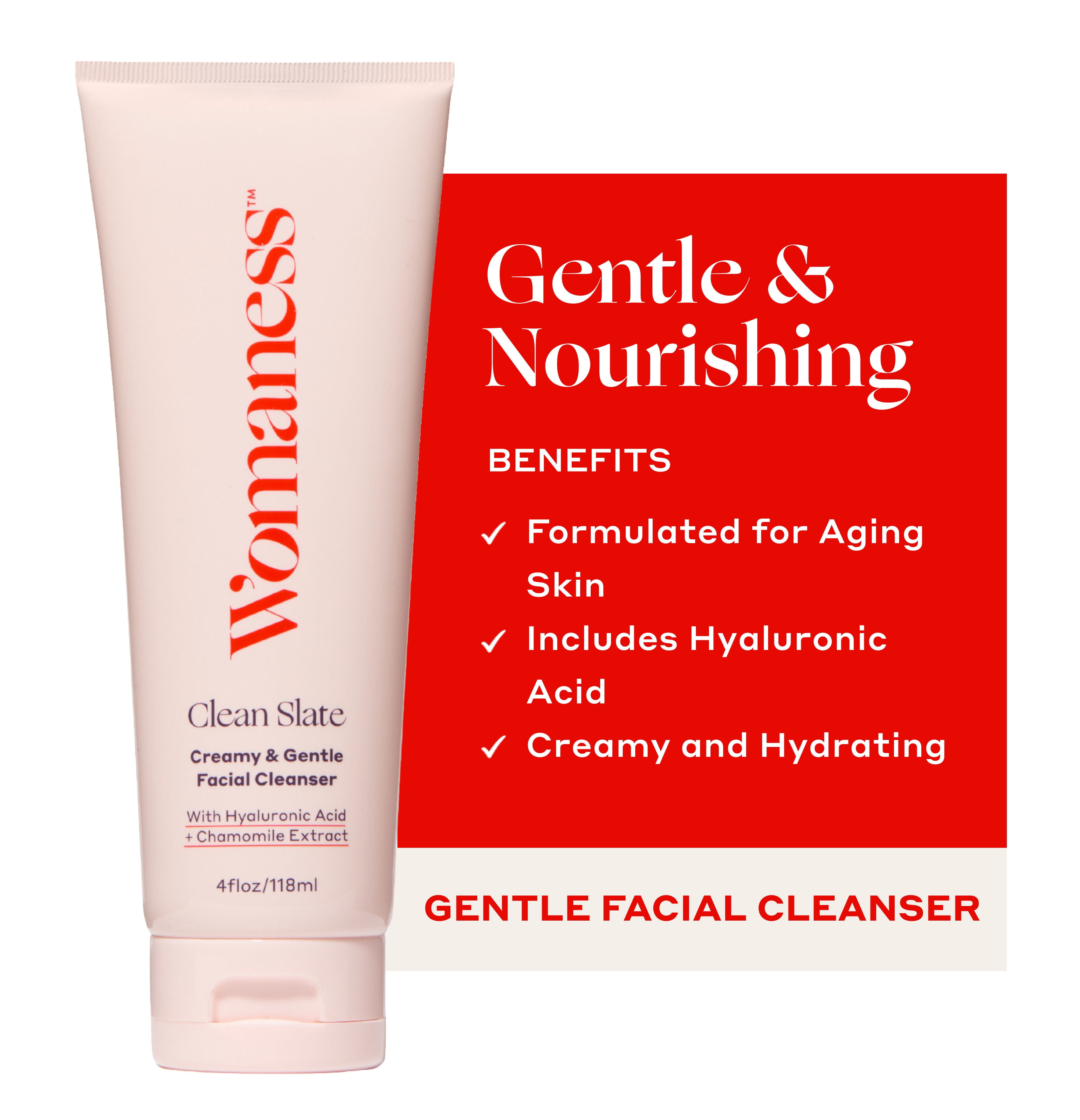
Finding the single best cheap facial cleanser for sensitive skin comes down to a formulation that balances affordability, gentle cleansing agents, and barrier-repairing ingredients. The CeraVe Hydrating Cleanser stands out as the definitive top choice for budget-conscious consumers dealing with reactive, easily irritated, or dry skin types. Developed with dermatologists, it delivers essential ceramides and hyaluronic acid without stripping the skin's natural moisture barrier, all at a price point that typically stays well under fifteen dollars for a generous bottle.
Navigating the skincare market when you have sensitive skin can feel like walking through a minefield. Many budget cleansers rely on harsh surfactants like sodium lauryl sulfate (SLS) to create a rich, squeaky-clean lather, which can strip away protective lipids, elevate skin pH, and trigger redness, flaking, or stinging. Conversely, specialized medical-grade or luxury sensitive-skin cleansers often carry exorbitant price tags that make daily use unsustainable for many budgets. Identifying a product that bridges this gap requires evaluating formulation science, surfactant chemistry, and dermatological testing standards.
Understanding Sensitive Skin and Cleansing Requirements
Sensitive skin is not a formal medical diagnosis on its own, but rather a hyper-reactive state characterized by a compromised stratum corneum—the outermost layer of the epidermis. When this protective barrier is weakened, environmental irritants, allergens, and microbes penetrate more easily, while moisture escapes rapidly. This condition, known as transepidermal water loss (TEWL), leads to chronic dryness, tightness, burning, and inflammation.
The primary function of a facial cleanser is to remove excess sebum, sweat, particulate pollution, makeup, and dead skin cells. However, for sensitive skin, this task must be accomplished without disrupting the acid mantle—the thin, slightly acidic film on the skin's surface that maintains microbial balance. Traditional soaps and high-foaming cleansers often have an alkaline pH, which neutralizes the acid mantle and exacerbates sensitivity.
Effective cleansers for reactive complexions utilize synthetic detergent (syndet) bases with low irritation profiles. They avoid common triggers such as synthetic fragrances, essential oils, denatured alcohols, and harsh sulfates. Instead, they incorporate humectants to draw water into the skin and barrier-repair lipids to reinforce cellular cohesion.
Why CeraVe Hydrating Cleanser Leads the Market
Evaluating the criteria for an ideal budget sensitive-skin cleanser reveals why the CeraVe Hydrating Cleanser consistently earns top recommendations from dermatologists worldwide.
Formulation Science and Active Ingredients
The formulation centers around three fundamental components necessary for compromised skin barriers:
- Essential Ceramides (1, 3, and 6-II): Ceramides are lipid molecules that make up over 50 percent of the skin’s composition. Replenishing them helps restore and maintain the natural protective barrier.
- Hyaluronic Acid: A potent humectant capable of holding up to 1,000 times its molecular weight in water, helping the skin retain vital moisture during and after the cleansing process.
- MVE Technology (Multivesicular Emulsion): A patented delivery system that continuously releases moisturizing ingredients over time, providing sustained hydration long after the product has been rinsed off.
Texture and Sensorial Experience
Unlike foaming gels that produce a dense lather, the CeraVe Hydrating Cleanser features a lotion-like, non-foaming emulsion texture. While some users accustomed to traditional cleansers miss the bubbles, the absence of heavy foaming agents is precisely what protects sensitive skin from irritation. The cleanser glides smoothly across the face, dissolving impurities without requiring excessive rubbing or tugging, and rinses clean without leaving a greasy or tight film.
Comparative Analysis of Popular Budget Sensitive-Skin Cleansers
To understand how the top choice stacks up against other economical alternatives on drugstore shelves, it helps to examine their key specifications, active ingredients, and suitability profiles side by side.
| Product Name | Estimated Price | Texture Type | Key Active Ingredients | Fragrance-Free? | Best Suited For |
|---|---|---|---|---|---|
| CeraVe Hydrating Cleanser | $12 - $17 (12 oz) | Non-foaming lotion | Ceramides, Hyaluronic Acid | Yes | Normal to dry, sensitive skin |
| Cetaphil Gentle Skin Cleanser | $13 - $18 (16 oz) | Low-lather gel/lotion | Niacinamide, Panthenol, Glycerin | Yes | Extra-sensitive, reactive skin |
| Vanicream Gentle Facial Cleanser | $9 - $13 (8 oz) | Low-lather gel | Glycerin, Coco-Glucoside | Yes | Allergy-prone, highly intolerant skin |
| La Roche-Posay Toleriane Hydrating Gentle Cleanser | $15 - $18 (13.5 oz) | Creamy lotion | Ceramide-3, Niacinamide, Glycerin, Thermal Water | Yes | Normal to dry, reactive skin |
As shown in the comparison, while alternatives like Vanicream and Cetaphil offer exceptional tolerance for allergy-prone skin, CeraVe strikes the optimal balance of targeted barrier repair via ceramides and cost-per-ounce value.
Potential Limitations and Who Should Avoid It
Even the best-formulated budget cleansers have specific limitations depending on individual skin profiles and daily habits.
For individuals with very oily skin or those who wear heavy, waterproof makeup and long-wear foundations, a non-foaming, hydrating cleanser may struggle to remove all residue in a single wash. In such cases, dermatologists typically recommend a double-cleansing method—using a micellar water or lightweight cleansing oil first to break down makeup, followed by the hydrating cleanser to clean the skin barrier without irritation.
Additionally, while fragrance-free formulas minimize allergic reactions, individuals with rare sensitivities to specific preservatives (such as parabens, which are used in some traditional formulations) must always review the complete ingredient deck on the physical packaging before purchase. Formulations can undergo subtle updates by manufacturers, making label verification an essential practice.
Proper Usage Techniques for Sensitive Skin
Maximizing the benefits of a gentle, budget-friendly cleanser requires proper application technique. Even the mildest product can cause irritation if used incorrectly.
- Water Temperature: Always use lukewarm water. Hot water strips natural lipids, dilates capillaries, and intensifies redness in sensitive complexions.
- Application Method: Dispense one to two pumps into clean hands, emulsify with a small amount of water, and massage gently onto the face using circular motions for 30 to 60 seconds. Avoid abrasive washcloths, loofahs, or spinning cleansing brushes, as mechanical friction damages fragile skin.
- Rinsing: Splash lukewarm water repeatedly over the face until all product residue is completely removed, paying special attention to the hairline and jawline where cleanser buildup commonly causes irritation.
- Drying: Gently pat the skin dry with a clean, soft microfiber towel. Never rub the skin aggressively.
- Follow-Up: Apply a compatible, fragrance-free moisturizer while the skin is still slightly damp to lock in hydration.
Frequently Asked Questions
Can a cheap facial cleanser be as effective as an expensive luxury brand?
Yes. Facial cleansers are rinse-off products, meaning active ingredients spend very little time in contact with the skin compared to serums or creams. Expensive cleansers often charge more for luxury marketing, proprietary packaging, or botanical extracts that carry a higher risk of contact dermatitis. Affordable cleansers formulated by dermatological brands focus on proven, essential surfactants and barrier-supporting lipids that deliver superior safety and efficacy.
Is a foaming cleanser always bad for sensitive skin?
Not necessarily, but low-foaming or non-foaming cleansers are generally safer. Traditional foaming agents (surfactants) create high surface tension and strip natural oils. Some modern budget cleansers use ultra-mild amino acid-based surfactants that produce a soft, gentle foam without disrupting the skin barrier, but those with reactive skin usually tolerate non-foaming lotion cleansers best.
Should I wash my face twice a day if I have sensitive skin?
Many dermatologists recommend cleansing only once a day—preferably in the evening to remove daily buildup, sunscreen, and pollutants—and simply rinsing with lukewarm water in the morning. If your skin produces excess overnight oil or you sweat heavily during sleep, a gentle morning cleanse is acceptable, provided it does not cause tightness or redness.
How long does a standard drugstore facial cleanser bottle last?
A standard 12-ounce bottle of a budget cleanser used twice daily typically lasts between two to three months, depending on the pump dispense size. This longevity makes high-value drugstore options exceptionally cost-effective for long-term skincare maintenance.
What should I do if a new cleanser causes my skin to sting?
Stop using the product immediately. Mild tingling or burning indicates that your skin barrier is compromised or that you are having an adverse reaction to a component in the formula. Rinse your skin thoroughly with cool water and apply a soothing, plain moisturizer or petroleum jelly until the irritation subsides.