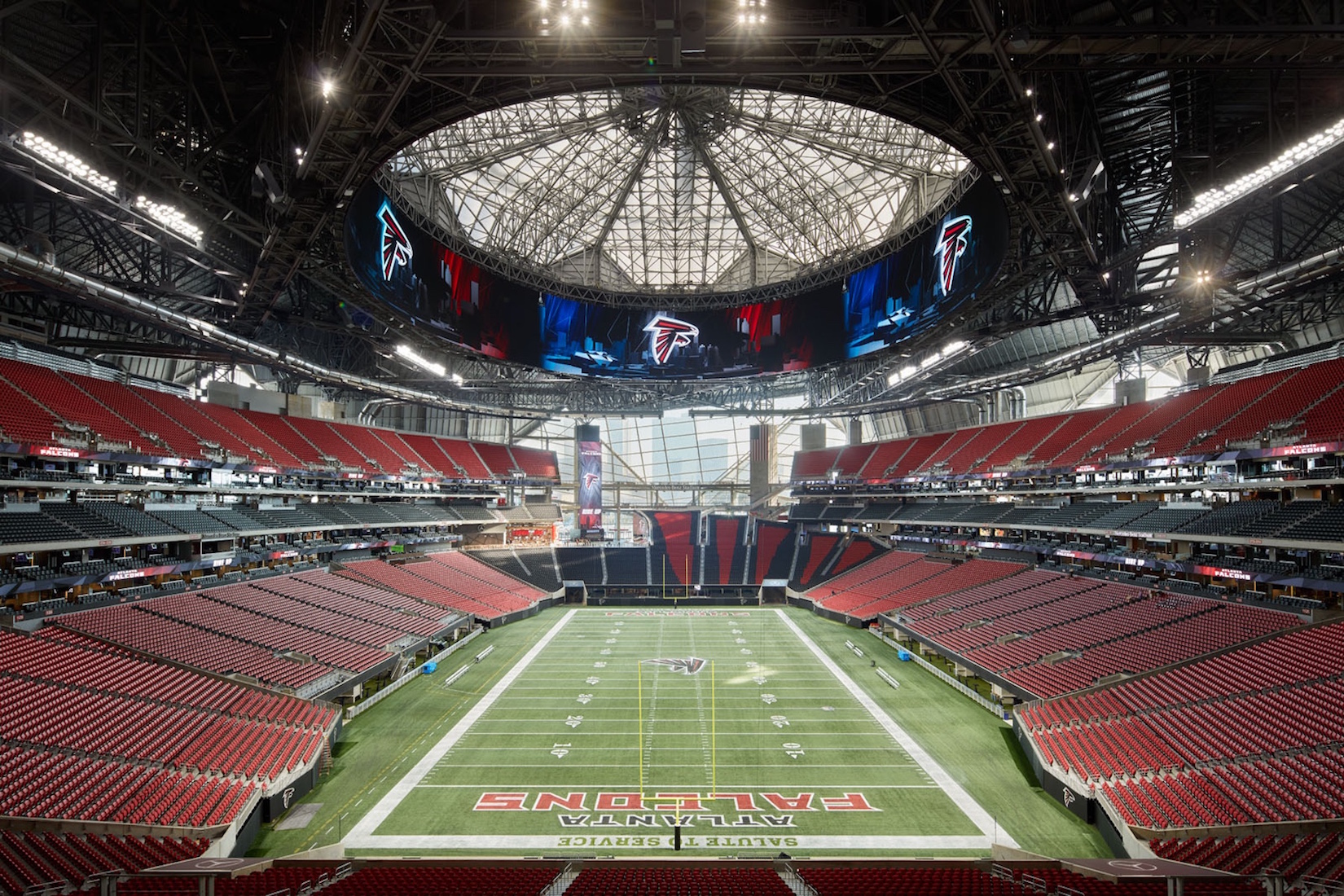
Super Bowl LIII, held on February 3, 2019, at Mercedes-Benz Stadium in Atlanta, Georgia, saw the New England Patriots defeat the Los Angeles Rams 13–3. It remains the lowest-scoring Super Bowl in history and secured Tom Brady’s sixth championship, marking a definitive end to the second phase of the Patriots' dynasty.
The Matchup: New England Patriots vs. Los Angeles Rams
Super Bowl LIII was a clash of philosophies, generations, and coastal identities. On one side stood the New England Patriots, led by the veteran duo of quarterback Tom Brady and head coach Bill Belichick. This was the Patriots' third consecutive Super Bowl appearance and their ninth since the 2001 season. For New England, the 2018-2019 season was one of "defying the odds," despite being a perennial powerhouse. They entered the playoffs as the AFC's second seed and secured their spot in Atlanta after an overtime thriller against the Kansas City Chiefs in the AFC Championship.
On the opposing sideline, the Los Angeles Rams represented the "new guard" of the NFL. Led by 33-year-old Sean McVay—the youngest head coach to ever lead a team to the Super Bowl at that time—and 24-year-old quarterback Jared Goff, the Rams featured a high-octane offense that had averaged 32.9 points per game during the regular season. The Rams' journey to Atlanta was marked by a controversial NFC Championship victory over the New Orleans Saints, a game famously remembered for a missed pass interference call that fundamentally changed the league’s officiating rules in subsequent years.
The game was a rematch of Super Bowl XXXVI (2002), the game that launched the Patriots' dynasty. Seventeen years later, the narrative had shifted from the Patriots being the plucky underdogs to being the established empire facing a young, aggressive challenger.
A Defensive Masterclass: Breaking Down the 13–3 Scoreline
While fans often hope for a high-scoring shootout, Super Bowl LIII was defined by tactical defensive brilliance. The final score of 13–3 eclipsed the previous record for the lowest-scoring Super Bowl, which was Super Bowl VII (Miami Dolphins 14, Washington Redskins 7).
The Patriots’ Defensive Game Plan
Patriots defensive coordinator Brian Flores, who accepted the Miami Dolphins' head coaching job immediately after the game, designed a masterpiece. The Patriots utilized a "quarters" coverage and frequent "stunt" rushes that confused Jared Goff and neutralized the Rams' outside zone running scheme. By keeping the Rams' star running back, Todd Gurley, and the explosive C.J. Anderson in check, New England forced Goff to make quick decisions under intense pressure.
The Rams’ Defensive Stand
Lost in the conversation of the Rams' offensive struggles was the incredible performance of their defense, led by Wade Phillips. Aaron Donald and Ndamukong Suh provided consistent pressure on Tom Brady, holding the Patriots' offense to just three points through the first three quarters. It was a rare sight to see a Brady-led offense struggle so significantly to find the end zone, a testament to the Rams' preparation and physical defensive front.
The Turning Point
The game remained tied at 3–3 deep into the fourth quarter. The deadlock was finally broken when Tom Brady connected with Rob Gronkowski on a spectacular 29-yard pass that set the Patriots up at the Rams' 2-yard line. Sony Michel then rushed for the game’s only touchdown with 7:00 remaining. A late interception by Stephon Gilmore on a desperate Jared Goff pass effectively sealed the victory for New England.
MVP Performance: Julian Edelman
Wide receiver Julian Edelman was named the Super Bowl LIII Most Valuable Player, becoming only the seventh wide receiver to win the award. Edelman was the primary engine for the Patriots' offense, providing a reliable outlet for Brady when the Rams' pass rush closed in.
Edelman’s Stat Line:
- Receptions: 10
- Yards: 141
- Average per Catch: 14.1
- Key Contribution: Eight of his ten catches resulted in first downs, keeping the chains moving during a game where momentum was incredibly difficult to maintain.
Edelman’s performance was especially poignant as he had missed the previous season due to an ACL injury and served a four-game suspension at the start of the 2018 season. His ability to find soft spots in the Rams' zone coverage proved to be the difference-maker in a game of inches.
The Venue: Mercedes-Benz Stadium’s Super Bowl Debut
Atlanta’s Mercedes-Benz Stadium, which opened in 2017, served as the host for Super Bowl LIII. The stadium is widely regarded as one of the most technologically advanced sports venues in the world. As of 2026, it remains a gold standard for stadium design and fan experience.
Architectural Marvels
The stadium is famous for its "pinwheel" retractable roof, consisting of eight translucent ETFE petals that slide open in a manner similar to a camera aperture. Although the roof remained closed during the game to maintain a controlled environment, the architecture provided a stunning backdrop for the international broadcast.
The Halo Board
Fans in attendance were treated to the "Halo Board," a 360-degree, 63,000-square-foot LED video display. At the time of the game, it was the largest video board in professional sports, wrapping around the interior rim of the stadium’s roof. This allowed every spectator, regardless of their seat, a clear view of replays and statistical data.
Sustainability and Community Impact
Super Bowl LIII was the first Super Bowl played in a LEED Platinum-certified stadium. The venue features a massive cistern system that can store over 2 million gallons of rainwater to prevent flooding in the surrounding Westside neighborhood and provides irrigation for local trees. For the 2019 event, the NFL and the Atlanta Host Committee also launched "Legacy 53," a series of community initiatives that funded capital repairs for local parks and youth centers, ensuring the game left a lasting positive footprint on the city of Atlanta.
Entertainment: The Halftime Show and Anthem
The Super Bowl LIII halftime show featured Maroon 5, with guest appearances by rappers Travis Scott and Big Boi (an Atlanta native and member of Outkast). The performance was a subject of significant discussion prior to the game, as several high-profile artists reportedly declined the invitation in solidarity with Colin Kaepernick and the ongoing discussions surrounding social justice in the NFL.
Halftime Highlights:
- Maroon 5: Performed a medley of hits including "Harder to Breathe," "This Love," and "Sugar."
- Travis Scott: Made a theatrical entrance introduced by a SpongeBob SquarePants clip (a nod to a massive fan petition following the death of series creator Stephen Hillenburg).
- Big Boi: Brought local Atlanta flavor to the stage, arriving in a vintage Cadillac and performing "The Way You Move."
The National Anthem was performed by the legendary "Empress of Soul," Gladys Knight. A native of Atlanta, Knight delivered a powerful and traditional rendition of "The Star-Spangled Banner," which was widely praised for its poise and vocal excellence.
Economic and Broadcasting Facts
Super Bowl LIII was a massive commercial undertaking, with financial figures that highlighted the NFL’s continued dominance in the American media landscape.
Commercial Costs
In 2019, the cost for a 30-second television advertisement during the Super Bowl broadcast on CBS reached an estimated $5.1 million to $5.3 million. Brands utilized this platform for high-concept ads, including the famous "Bud Light Corn Syrup" campaign and the "Game of Thrones" crossover with Bud Light.
Broadcasting Innovation
The game was broadcast by CBS, featuring the commentary team of Jim Nantz and Tony Romo. This game helped cement Tony Romo’s reputation as a "broadcasting savant" due to his uncanny ability to predict plays before they happened. CBS utilized 115 cameras, including 8K cameras for the first time in a Super Bowl broadcast, to provide unprecedented detail of the action.
| Category | Super Bowl LIII Stat | Significance |
|---|---|---|
| Final Score | 13–3 | Lowest scoring game in Super Bowl history |
| Attendance | 70,081 | Full capacity for Mercedes-Benz Stadium |
| MVP | Julian Edelman | First WR MVP since Santonio Holmes (SB XLIII) |
| Commercial Cost | ~$5.25 Million | Per 30-second spot |
| Punts | 14 total | Tied for the most in a Super Bowl |
| Tom Brady | 6th Ring | Most championships for any single player in NFL history |
Historical Significance and Records
Super Bowl LIII was a record-breaking night, though perhaps not in the categories fans expected. Beyond the low score, several significant milestones were achieved:
- Oldest Winning Quarterback: At 41 years of age, Tom Brady became the oldest quarterback to win a Super Bowl, a record he would later break himself with the Tampa Bay Buccaneers.
- Bill Belichick’s Legacy: Belichick joined George Halas and Curly Lambeau as the only coaches to win six NFL championships.
- The Punting Record: The game featured 14 punts (eight by the Rams’ Johnny Hekker and six by the Patriots’ Ryan Allen). Hekker set a Super Bowl record with a 65-yard punt.
- Youngest Coach: Despite the loss, Sean McVay’s presence at age 33 sparked a "youth movement" in NFL coaching hires that continues to influence the league in 2026.
- Patriots’ Defense: New England became the first team since the 1971 Cowboys to hold their opponent to zero touchdowns in a Super Bowl.
FAQs About Super Bowl LIII
Why was Super Bowl LIII so low scoring?
The low score was a result of exceptional defensive game-planning by both coaching staffs. The Patriots used a disguised "six-man front" to stop the Rams' outside zone runs, while the Rams utilized a dominant interior pass rush to disrupt Tom Brady’s rhythm. Both teams also played conservatively to avoid turnovers in a high-stakes environment.
Who performed at the halftime show in Atlanta?
The primary performer was the pop-rock band Maroon 5. They were joined by rappers Travis Scott and Big Boi. The show was notable for its inclusion of local Atlanta hip-hop culture via Big Boi's appearance.
What was the weather like for the game?
While Atlanta experienced cool temperatures in the 40s (Fahrenheit) outside, the game was played inside Mercedes-Benz Stadium with the retractable roof closed. This ensured a consistent temperature of approximately 70 degrees for the players and fans.
How much did tickets cost for the 2019 Super Bowl?
At the time, the "face value" of tickets ranged from $950 to $5,000. However, on the secondary market (resale sites), the average ticket price in the weeks leading up to the game was approximately $3,500 to $4,500.
What was the "Legacy 53" initiative?
"Legacy 53" was a community investment program led by the NFL and the Atlanta Super Bowl LIII Host Committee. It invested over $2 million into the Atlanta community, focusing on capital improvements to parks, civil rights education, and hunger relief in the city's Westside.
Did any players retire after Super Bowl LIII?
Most notably, Patriots tight end Rob Gronkowski announced his retirement shortly after the game (though he famously returned a year later to join Tom Brady in Tampa Bay). For the Rams, the game marked the end of an era for certain veteran components of their defensive unit.
The Lasting Legacy of the 2019 Atlanta Super Bowl
In retrospect, Super Bowl LIII was a bridge between two eras of professional football. It was the final championship of the original Patriots dynasty (Brady, Belichick, and Gronkowski) and a massive learning experience for the "new breed" of coaches like Sean McVay, who would eventually lead the Rams to a Super Bowl victory three years later.
For the city of Atlanta, the event served as a successful pressure test for Mercedes-Benz Stadium. The efficiency of the city’s MARTA transit system, the hospitality of the "Fan First" pricing (which offered $2 hot dogs and $5 beers), and the overall infrastructure solidified Atlanta’s place as a premier host for global sporting events. As we look back from 2026, the 2019 Super Bowl is remembered not for its offensive fireworks, but as a masterclass in defensive strategy and a landmark moment for sports architecture in the heart of the American South.
If you are researching the history of the NFL championship, Super Bowl LIII stands as a unique entry where the score didn't tell the whole story—the story was found in the tactical chess match between legendary coaches and the emergence of a world-class venue.