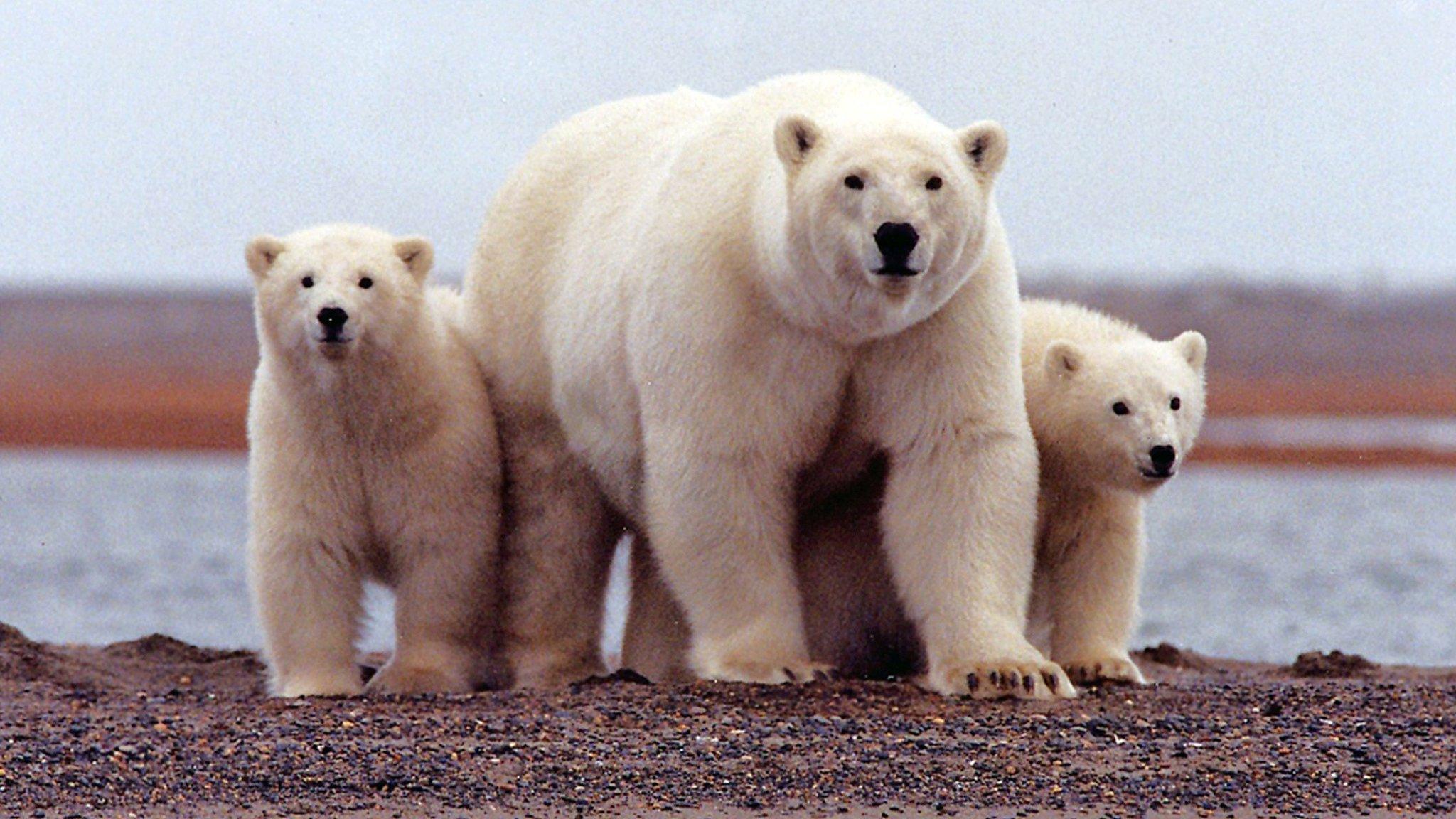
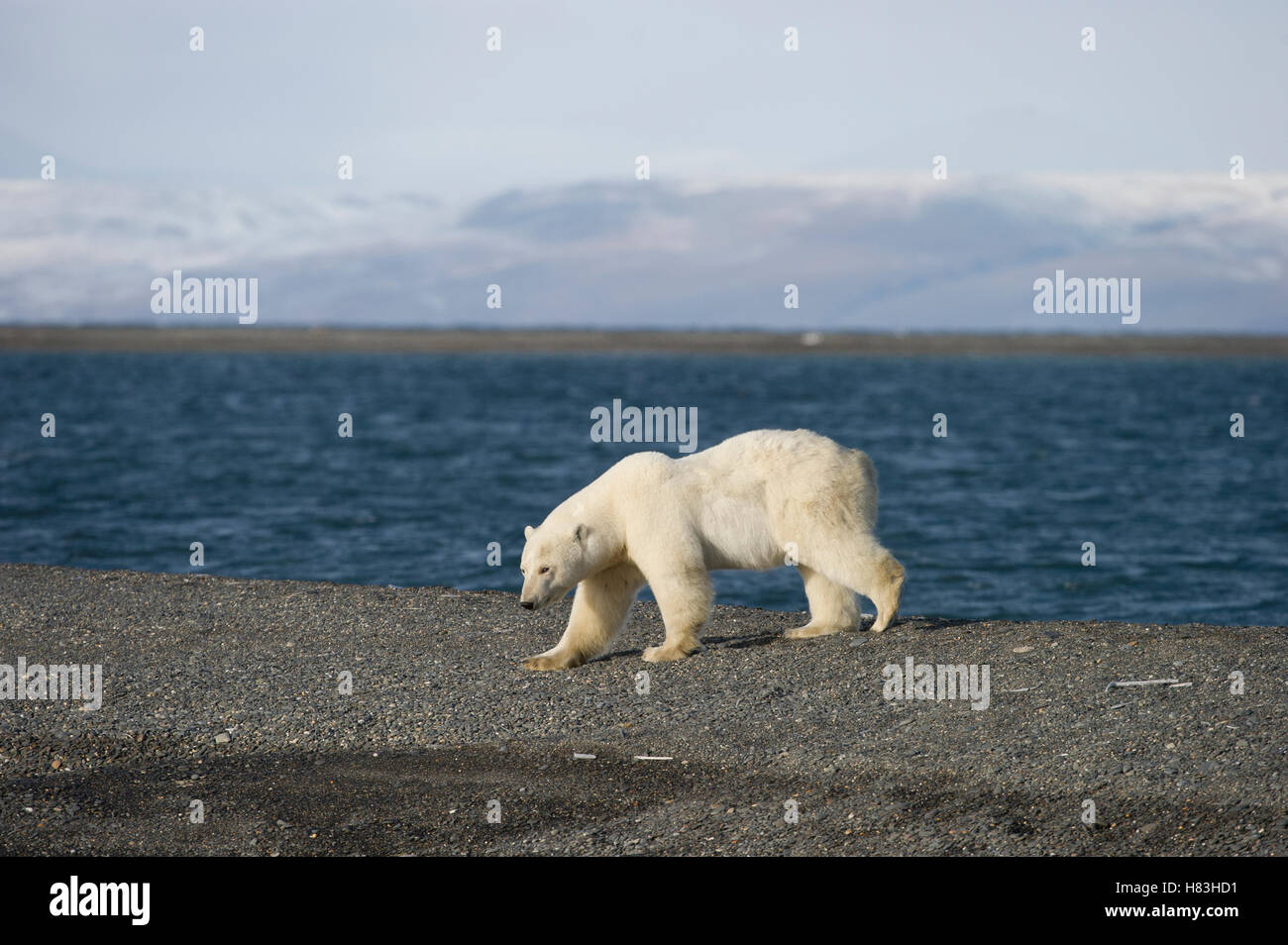
Yes, Russia is home to a substantial portion of the global polar bear population, hosting several distinct subpopulations across its vast Arctic coastline, remote islands, and offshore pack ice.
Introduction to the Russian Arctic and Its Marine Ecosystems
The Russian Arctic spans an enormous geographical territory, stretching from the Barents Sea in the west to the Bering Sea in the east. This rugged, ice-chilled expanse represents roughly one-third of the entire circumpolar Arctic region. Within this immense territory, ecological conditions vary significantly, yet nearly all northern coastlines and offshore archipelagos provide the essential sea ice habitats that polar bears (Ursus maritimus) require to survive.
Understanding the presence of polar bears in Russia requires examining how these apex marine mammals interact with sea ice dynamics, marine mammal populations, and human settlements. Unlike terrestrial bears, polar bears rely almost entirely on the marine environment for their sustenance, hunting primarily for ringed seals and bearded seals from stable ice platforms. The distribution of Russian polar bears is not uniform; instead, animals cluster in distinct ecological stocks or subpopulations defined by movement patterns, genetic markers, and ecological boundaries recognized by international conservation bodies like the IUCN Polar Bear Specialist Group.
Major Polar Bear Subpopulations in Russian Territory
Biologists categorize polar bears into distinct regional subpopulations to monitor population health, track movement via satellite telemetry, and implement localized conservation management plans. Russian territory encompasses or shares several key subpopulations that are vital to the species' global persistence.
The Barents Sea Subpopulation
Shared between Norway (specifically the Svalbard archipelago) and Russia (primarily Franz Josef Land and Novaya Zemlya), the Barents Sea subpopulation is one of the most thoroughly studied groups in the Eurasian Arctic. Franz Josef Land, an isolated Russian archipelago, serves as a major denning area where pregnant females retreat in autumn to give birth in snow dens. Sea ice conditions in this western sector are heavily influenced by the warm North Atlantic Current, making seasonal ice fluctuations particularly pronounced.
The Kara Sea Subpopulation
Situated east of Novaya Zemlya and west of the Taymyr Peninsula, the Kara Sea subpopulation inhabits a harsh marine environment characterized by extensive winter ice formation and heavy industrial shipping routes. Polar bears here move dynamically between coastal zones and shifting pack ice. While historical data for this region was sparse, contemporary aerial surveys and satellite tracking have provided clearer insights into how Kara Sea bears utilize multi-year ice and coastal haul-out sites.
The Laptev Sea Subpopulation
The Laptev Sea lies between the Taymyr Peninsula and the New Siberian Islands. A defining feature of this region is the Laptev Sea polynya—an area of open water surrounded by sea ice that remains open throughout the winter due to wind and currents. These dynamic polynyas attract high concentrations of marine mammals, providing reliable foraging opportunities for Laptev Sea polar bears. Genetic studies indicate that Laptev bears maintain a degree of isolation, exhibiting unique lineage characteristics compared to neighboring groups.
The Chukchi-Alaskan (Chukchi Sea) Subpopulation
Perhaps one of the most robust and ecologically productive subpopulations, the Chukchi Sea group is shared transnationally between the Russian Far East (Chukotka Peninsula) and the United States (Alaska). This region boasts high biological productivity, ensuring that Chukchi bears are often larger and in better body condition than those in regions experiencing rapid sea ice loss. Collaborative research between Russian and American biologists has historically been essential for monitoring this shared stock.
Geographical Strongholds and Protected Areas
To safeguard these vulnerable marine mammals, the Russian Federation has established a network of strict nature reserves (zapovedniks) and national parks across its Arctic territories. These protected zones serve as critical sanctuaries where human industrial activity, commercial shipping, and unauthorized access are heavily restricted or prohibited.
- Wrangel Island Nature Reserve: Often designated as the "polar bear nursery" of the world, Wrangel Island and nearby Herald Island boast the highest density of maternal polar bear dens anywhere in the Arctic. In late autumn, hundreds of pregnant females gather on the island to excavate dens in the snowdrifts. In 2004, the reserve was inscribed as a UNESCO World Heritage site due to its exceptional biodiversity and global significance for Arctic conservation.
- Franz Josef Land (Russian Arctic National Park): Encompassing the northernmost archipelago in Eurasia, this national park protects crucial denning habitat and summer feeding grounds for Barents Sea bears. The park also safeguards historical artifacts from early Arctic exploration.
- Big Diomede and Chukotka Coastal Zones: Along the eastern coastline of the Chukotka Autonomous Okrug, local management zones and coastal reserves protect bears that frequently move ashore during the late summer and autumn ice-free periods.
| Subpopulation Name | Primary Geographic Region | Shared Jurisdiction | Key Ecological Feature |
|---|---|---|---|
| Barents Sea | Franz Josef Land, Novaya Zemlya, Svalbard | Norway and Russia | Heavy influence of Atlantic currents; extensive maternal denning sites. |
| Kara Sea | Kara Sea, Taymyr Peninsula coastline | Russia | Dynamic pack ice; proximity to major industrial shipping and extraction lanes. |
| Laptev Sea | Laptev Sea, New Siberian Islands | Russia | Characterized by persistent winter polynyas and high seal concentrations. |
| Chukchi Sea | Chukotka Peninsula, Western Alaska | United States and Russia | High biological productivity; robust body condition among bears. |
Human-Polar Bear Conflict and Mitigation in the Russian Arctic
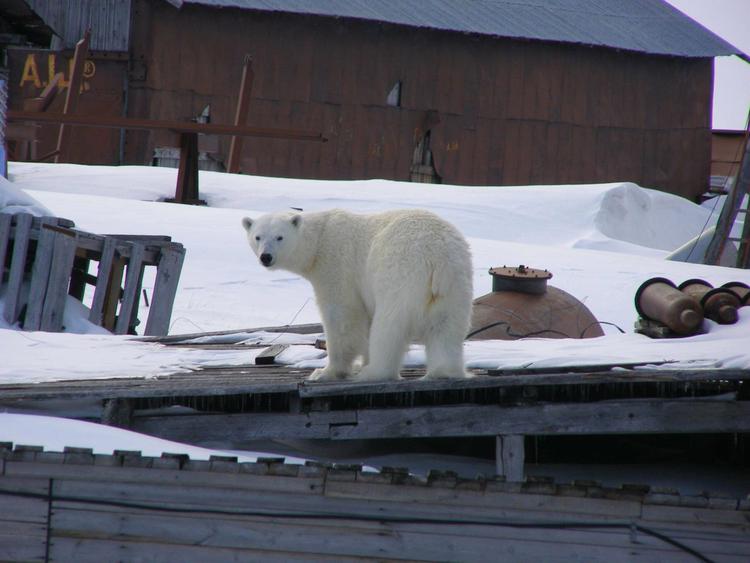
As climate change alters Arctic sea ice dynamics, the relationship between humans and polar bears in Russia has undergone significant shifts. When sea ice melts earlier in the spring and freezes later in the autumn, polar bears are forced to spend extended periods on land, where food sources are scarce. This environmental pressure frequently brings bears into close proximity with remote Russian coastal settlements, meteorological stations, defense outposts, and industrial mining operations.
The Reka Phenomenon and Coastal Concentrations
In regions like the Chukotka Peninsula and along the coasts of the Novaya Zemlya archipelago, encounters between humans and bears have historically led to conflict. A notable example occurred around the settlement of Belushya Guba on Novaya Zemlya, where dozens of polar bears gathered near local waste sites, prompting a state of emergency. To address these challenges, conservation organizations and regional authorities have implemented targeted mitigation strategies.
Bear Patrols and Community Initiatives
To prevent lethal conflicts, grassroots initiatives such as the "Bear Patrol" (Medvezhy Patrul), supported by organizations like the World Wide Fund for Nature (WWF) Russia, have been established in indigenous coastal communities. These patrols utilize deterrents, noise-makers, non-lethal rubber bullets, and community education to safely haze wandering bears away from human infrastructure. Furthermore, modernizing local waste management—such as securing refuse dumps and food storage facilities—has proven vital in reducing the attractants that lure hungry bears into villages.
Conservation Status, Legal Protections, and Research
Polar bears have enjoyed strict legal protection in Russia since 1956, when the Soviet Union enacted a total ban on commercial and sport hunting. This proactive legislation prevented the catastrophic population declines seen in other parts of the circumpolar north during the mid-20th century. Today, polar bears are classified as a Red Data Book species in the Russian Federation, affording them the highest level of domestic legal safeguarding.
Internationally, Russia is a signatory to the 1973 Agreement on the Conservation of Polar Bears, alongside Canada, Denmark (Greenland), Norway, and the United States. While subsistence hunting is permitted for indigenous communities in Alaska and Canada under strict quotas, commercial sport hunting for polar bears remains completely illegal in Russia.
Scientific monitoring of Russian polar bears involves advanced methodologies, including aerial visual surveys, satellite collaring of adult females, biopsy darting for genetic profiling, and traditional ecological knowledge (TEK) gathered from indigenous Chukotkan hunters and coastal residents. Despite geopolitical challenges, collaborative scientific exchanges have historically helped researchers assess how cumulative pressures—such as shipping traffic along the Northern Sea Route, offshore oil and gas exploration, and warming temperatures—impact long-term population viability.
Practical Guidance for Travelers and Workers in the Russian Arctic
For scientists, expedition cruise passengers, and industrial personnel operating in the Russian Arctic, understanding polar bear safety protocols is mandatory. Because polar bears are powerful, highly adaptable predators capable of moving at high speeds despite their bulk, strict precautions must be observed in bear territory.
- Secure Infrastructure: All field camps, research stations, and industrial facilities must maintain secure perimeters, including electric fencing, motion-activated alarm systems, and bear-proof storage containers for food and waste.
- Deterrents and Firearms: Personnel working outdoors in remote areas must carry non-lethal deterrents (such as flare guns, air horns, and bear spray) and, where legally authorized, reliable firearms handled by trained safety professionals.
- Constant Vigilance: Visibility can drop rapidly in the Arctic due to fog, snowstorms, or rugged terrain. Maintaining designated lookouts during field operations is essential to prevent surprise encounters.
- Leave No Trace: Disposing of organic waste properly ensures that bears are not conditioned to associate human settlements with food rewards, thereby protecting both human communities and local wildlife.
Conclusion
Russia supports a vital, extensive segment of the global polar bear population distributed across several distinct subpopulations in the Barents, Kara, Laptev, and Chukchi seas. Protected by longstanding domestic legislation, international treaties, and dedicated nature reserves like Wrangel Island, these apex predators remain integral to the health of the Arctic marine ecosystem. As environmental and industrial pressures continue to reshape the northern landscape, balanced conservation management, community-based patrols, and rigorous scientific monitoring will remain critical to ensuring the survival of polar bears in the Russian Arctic.