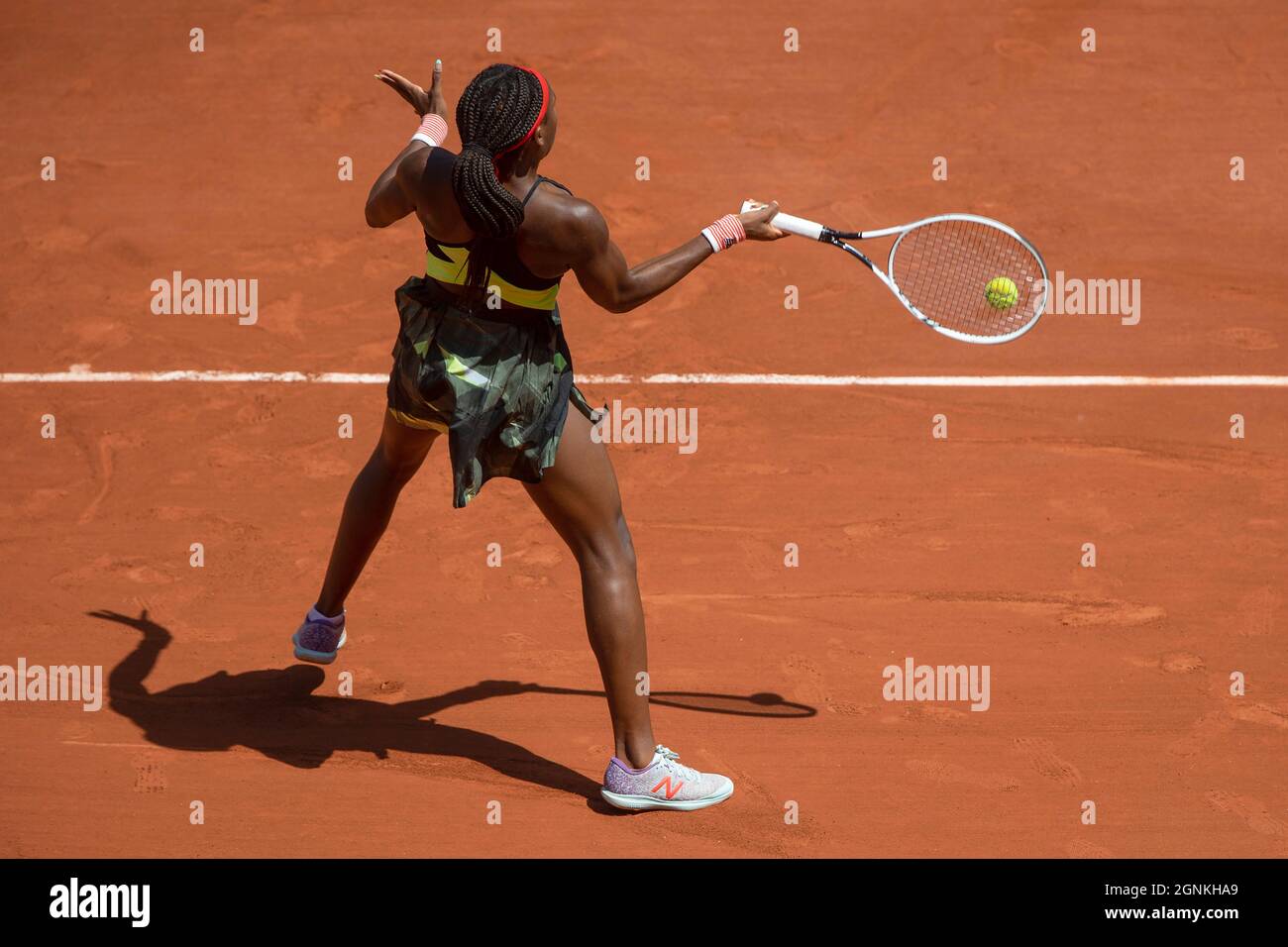
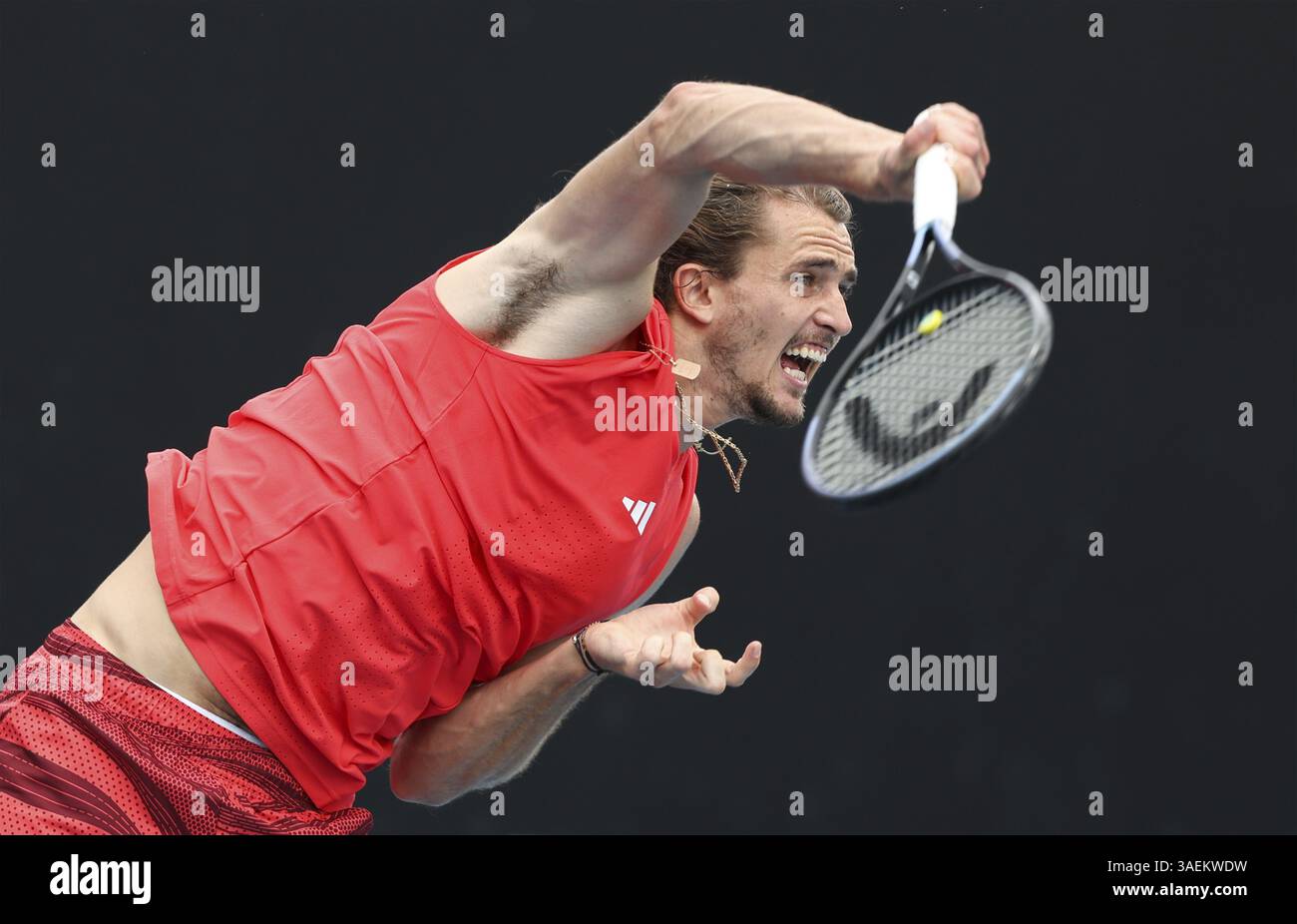
When a tennis player receives a shot with the ball, they must synchronize visual tracking, explosive footwork, and technical racket preparation to successfully redirect the opponent's energy. This process begins with a split-step the moment the opponent makes contact, followed by a rapid unit turn and positioning that allows the player to strike the ball in their optimal hitting zone.
The act of receiving a shot is often the most underrated phase of tennis. While spectators focus on the power of a winner, the ability to "receive" or "absorb" a shot determines whether a player remains in control of the rally or is forced into a defensive error. In 2026, the speed of the professional and amateur game has reached new heights, making the technical nuances of shot reception more critical than ever before.
The Biomechanics of the Reception Phase
Receiving a shot is not a passive action; it is an athletic "loading" process. The kinetic chain—the coordinated movement of the legs, hips, core, and arms—starts the moment the ball leaves the opponent's racket.
The Split-Step: The Universal Trigger
The split-step is a small, rhythmic hop that a player performs just as the opponent is about to strike the ball. By 2026, motion-capture data has confirmed that the ideal split-step involves the feet landing slightly wider than shoulder-width, with the weight on the balls of the feet. This "pre-loads" the calves and quadriceps, allowing for an explosive first step in any direction. If a player fails to split-step, they are caught "flat-footed," losing approximately 0.2 to 0.4 seconds of reaction time—a margin that often defines the difference between a clean return and a forced error.
The Unit Turn and Shoulder Coil
As soon as the player identifies whether the ball is coming to their forehand or backhand, the unit turn begins. Instead of simply pulling the racket back with the arm, an experienced player turns their entire upper body as one unit. This coils the torso against the hips, creating potential energy. A deep shoulder turn is essential when receiving high-velocity shots because it provides the stability needed to resist the ball's force. In modern coaching, the "non-dominant hand" plays a vital role here, staying on the throat of the racket to ensure the shoulders turn together.
Visual Tracking and Anticipation Strategies
Effective shot reception is predicated on "reading" the ball before it even crosses the net. Advanced players do not just watch the ball; they watch the opponent's body language and racket face.
- Racket Path Recognition: If the opponent's racket moves from low to high, the receiving player anticipates topspin, which will cause the ball to "jump" upward after the bounce.
- The "V" of the Racket Face: A closed racket face indicates a drive, while an open face suggests a slice or a drop shot.
- Contact Point Analysis: If the opponent contacts the ball late (behind their body), the ball is likely to go cross-court. If they contact it early, a down-the-line shot is more probable.
By 2026, many high-performance academies use augmented reality (AR) goggles to train players to recognize these visual cues in milliseconds. This heightened anticipation allows the player to start moving toward the ball's projected landing spot before it has even cleared the net.
Positioning and Footwork Patterns
Once the direction of the ball is known, the player must decide on a footwork pattern to receive it. The goal is to reach a "stationary" state, even if only for a fraction of a second, before the point of contact.
The Open Stance vs. Neutral Stance
When receiving a wide shot that pulls the player off the court, an open stance is often utilized. The feet remain parallel to the baseline, allowing the player to load their outside leg and push back toward the center of the court immediately after hitting. Conversely, when the ball is hit directly at the player or short, a neutral stance—stepping forward into the court—is preferred to maximize weight transfer and offensive pressure.
Adjusting for Depth and Height
Receiving a deep ball requires the player to move backward or take the ball "on the rise." Taking the ball on the rise is a hallmark of elite 2026 play, as it steals time from the opponent. However, it requires exceptional timing and "soft hands" to absorb the pace. If the ball is short, the player must use "adjustment steps" (small, rapid steps) to ensure they do not over-run the ball, which would lead to a cramped swing.
Technical Execution: The Contact Zone
The "reception" ends at the moment of contact, but the way a player prepares their racket determines the quality of that contact.
| Reception Style | When to Use | Racket Preparation | Tactical Objective |
|---|---|---|---|
| The Block Return | Against high-velocity serves | Minimal backswing, firm wrist | Use the opponent's pace to redirect the ball deep. |
| Topspin Drive | Against neutral-pace groundstrokes | Circular backswing, low-to-high path | Dictate the rally with heavy spin and depth. |
| The Slice Reset | Against high, bouncing balls | High-to-low "chopping" motion | Neutralize the point and buy time to recover. |
| The Half-Volley | When the ball lands at the feet | Short, compact "push" motion | Defend a difficult position without retreating. |
Absorbing vs. Generating Pace
When a tennis player receives a shot with significant power, they often do not need to "swing" hard. Instead, they focus on a short backswing and a long follow-through. This is known as "absorbing pace." The racket acts as a wall, and the player’s grip pressure increases slightly at the moment of impact to prevent the racket from twisting. For slower incoming balls, the player must provide their own energy through a full swing and aggressive hip rotation.
Common Mistakes in Shot Reception
Even experienced players struggle with specific elements of receiving a shot. Understanding these pitfalls is the first step toward technical mastery.
- Over-swinging: Trying to hit a 100-mph ball back at 100 mph with a full wind-up often leads to mistiming. The faster the ball comes, the shorter the backswing should be.
- Poor Spacing: Getting too close to the ball ("jamming" oneself) is a frequent error. Players must maintain "elbow room" to allow the kinetic chain to function correctly.
- Dropping the Eyes: Many players look at the target across the net before they have finished receiving the ball. Keeping the head still and the eyes on the contact point is a fundamental requirement for a clean hit.
- Static Feet: If the feet stop moving before the ball arrives, the player loses the ability to make last-second micro-adjustments for wind, bad bounces, or unexpected spin.
Equipment and Technology Impacts in 2026
In 2026, the technology a player uses significantly influences how they receive a shot. Modern racket frames are designed with high-modulus graphite and vibration-dampening polymers that allow players to handle "heavy" balls with less strain on the wrist and elbow.
Furthermore, string technology has evolved to provide more "dwell time." Strings like the latest co-polyesters allow the ball to stay on the racket face for a few microseconds longer, giving the player more control over the reception. Many rackets now also feature integrated sensors that sync with a player's smartwatch, providing immediate data on where the ball was received on the string bed (sweet spot vs. off-center).
Psychological Aspects of Receiving
Receiving a shot is as much a mental challenge as a physical one. A player who is "waiting" for the ball often feels rushed. A player who is "hunting" the ball feels in control. This proactive mindset—viewing every incoming shot as an opportunity rather than a threat—is what separates champions from recreational players. Staying relaxed in the shoulders and breathing out during the reception helps prevent the physical tension that leads to "shanking" the ball.
FAQs
What is the most important footwork move when receiving a shot?
The split-step is considered the most critical move. It resets your center of gravity and readies your nervous system for an explosive movement. Without it, your reaction to the opponent's shot will always be delayed, regardless of your overall speed.
How do I handle a ball that is hit directly at my body?
When receiving a "body shot," you must quickly decide to move your feet to play either a "cramped" forehand or, more commonly, a "chicken-wing" backhand. The key is to get your hips out of the way as fast as possible, using small lateral steps to create space for the racket to swing.
Why do I keep hitting the ball into the net when receiving a fast shot?
This usually happens because your racket face is slightly closed at contact or you are not getting low enough with your legs. When receiving pace, players often stay too upright; by bending your knees, you ensure your swing path can still go from low to high, providing the necessary net clearance.
Should I always try to hit the ball "on the rise"?
Taking the ball on the rise (as it is coming up from the bounce) is an advanced technique that takes time away from your opponent. While effective, it is also high-risk. If you are struggling with timing, it is better to let the ball reach the "apex" of its bounce or even catch it on the way down until you regain your rhythm.
How does wind affect how I receive a shot?
Wind requires you to take more "adjustment steps." If the wind is at your back, the incoming ball will likely drop shorter and bounce lower. If you are hitting into the wind, the opponent's shot will carry deeper and "sail" on you. Always keep your feet moving until the very last second in windy conditions.
Can I change my grip while receiving a ball?
Yes, and you must. Professional players switch between forehand, backhand, and continental (slice/volley) grips in the split-second after the ball leaves the opponent's racket. This is done instinctively by the non-dominant hand turning the racket throat to the correct bevel.
Final Recommendation
To improve how you receive a shot, focus on "quieting" your upper body and "activating" your lower body. Practice the split-step until it becomes a subconscious habit. By staying low, keeping a compact backswing, and tracking the ball all the way to the strings, you will turn the opponent's most aggressive shots into your most effective counter-attacks. For those looking to advance further, consider using 2026-standard video analysis tools to review your contact point and spacing during practice sessions.