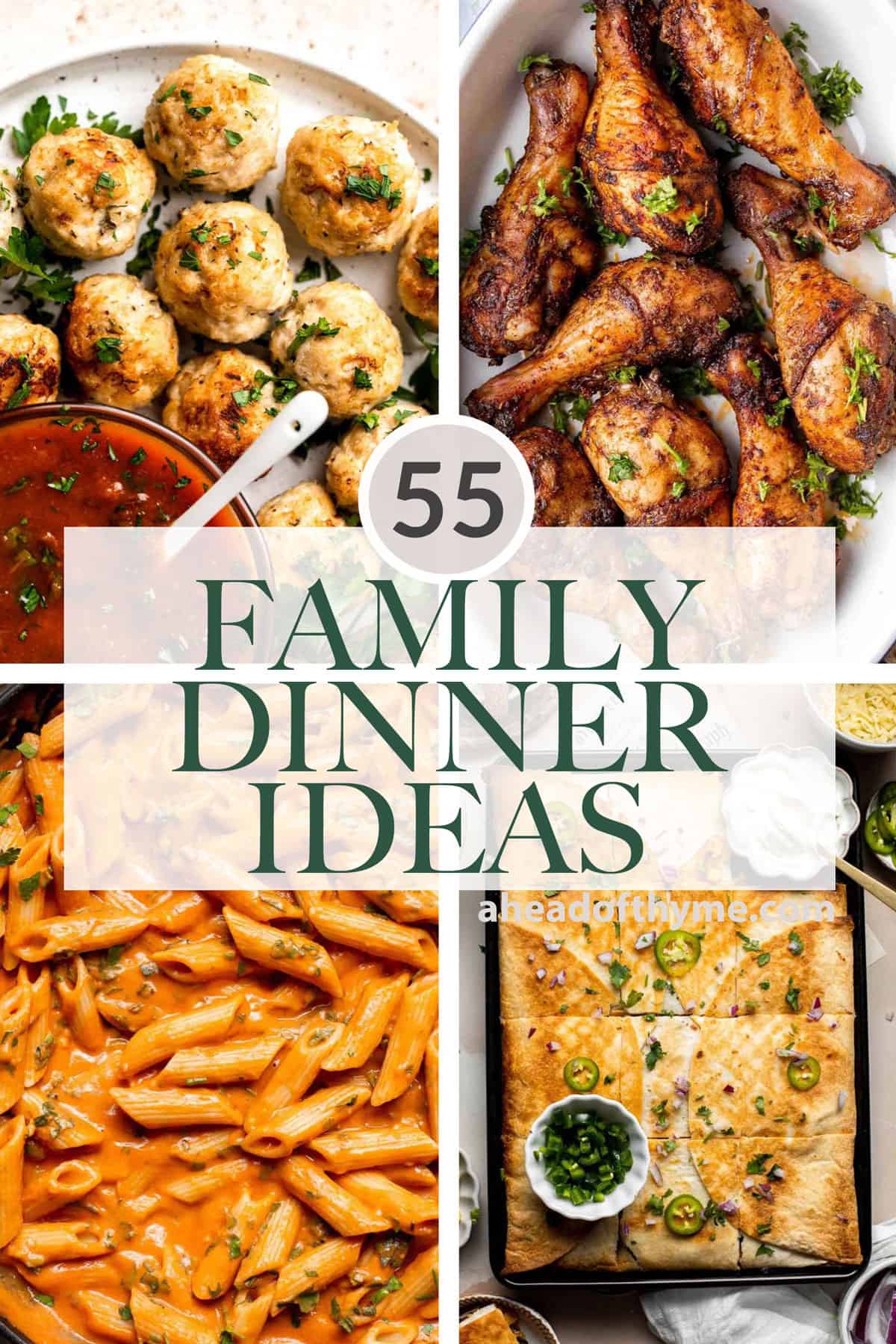
Preparing a simple dinner for a date is about balancing ease of execution with a thoughtful presentation that allows you to remain present and engaged with your guest. By selecting high-quality, fresh ingredients and focusing on a menu that requires minimal active cooking time, you can minimize kitchen stress while creating an atmosphere that feels sophisticated, intentional, and relaxed.
Defining the "Simple" Approach to Date Night Cooking
When planning a dinner for a date, the word "simple" should not be equated with "low effort." Rather, it refers to the reduction of complexity. A simple meal is one that minimizes the number of pots, pans, and chaotic cleanup sessions, allowing you to prioritize the social aspect of the evening.
The most successful date-night menus rely on the "assembly" method rather than complex techniques like braising, tempering chocolate, or deep-frying. If you are not a professional chef, attempting a complicated recipe for the first time on a date introduces unnecessary risk. Errors in timing, seasoning, or plating can create tension. Conversely, choosing a menu that centers on one or two high-quality ingredients—such as a well-sourced piece of fish, seasonal vegetables, or artisan pasta—ensures consistent results.
The goal is to have the majority of the work completed before your guest arrives. A "simple" dinner is one where the oven or stove does most of the heavy lifting, allowing you to focus on conversation, music, and the overall ambiance of your home.
Selecting the Right Ingredients and Menu
A successful menu considers the dietary preferences of both parties while balancing textures and flavors. Avoid overly pungent ingredients like excessive garlic or raw onions, which can be off-putting during close-proximity conversation. Instead, opt for "clean" profiles—herbs, citrus, high-quality olive oil, and fresh vegetables—that leave both diners feeling energized rather than sluggish.
Consider the following strategy for building a foolproof menu:
- The Main Protein or Starch: Choose something that cooks quickly or holds well in an oven. Pan-seared salmon, roast chicken thighs, or a high-quality fresh pasta are excellent choices.
- The Vegetable Side: Roasting vegetables like asparagus, cherry tomatoes, or broccolini on a single sheet pan is the gold standard for simple cooking. It requires one pan and minimal monitoring.
- The Appetizer: Keep it cold and pre-assembled. A cheese board with olives, crackers, and fruit is elegant and requires zero heat.
- The Finish: If dessert is desired, purchase high-quality items from a local bakery rather than attempting to bake from scratch, unless baking is your hobby.
Practical Preparation and Mise-en-Place
The term mise-en-place is French for "everything in its place." In the context of a date, this is your most powerful tool. The goal is to have your kitchen essentially cleaned and prepped by the time your guest rings the doorbell.
- Prep Before the Arrival: Wash, chop, and measure every ingredient hours in advance. Place them in small bowls or on a clean cutting board. When it is time to cook, you are essentially just combining pre-prepped items.
- Manage the Timing: Review your recipes to identify "active time" versus "passive time." If you have 30 minutes of passive cooking (e.g., something roasting in the oven), you have 30 minutes to enjoy a drink with your date without worrying about the stovetop.
- Clear the Surface: A cluttered kitchen creates a cluttered mind. Ensure your sink is empty and your counters are wiped clean. This demonstrates organization and respect for your space, which contributes to a more inviting atmosphere for your guest.
Table: Balancing Menu Complexity and Impact
| Dish Type | Effort Level | Impression | Prep Strategy |
|---|---|---|---|
| Sheet Pan Salmon | Low | High | Season and bake; finish with fresh lemon and herbs. |
| Cacio e Pepe | Medium | High | Requires attentive stirring; best for casual dates. |
| Charcuterie Board | Low | High | Arrange high-quality meats, cheeses, and nuts; no heat. |
| Roasted Root Veggies | Low | Medium | Chop early; roast while having drinks. |
| Store-bought Tart | Low | High | Elegant presentation; focus on the plating. |
Technical Considerations for a Successful Evening
Beyond the food itself, the technical execution of the evening depends on managing your environment. Lighting is a primary factor. Avoid harsh overhead lighting if possible; use lamps, dimmers, or candles to create warmth. A bright, clinical kitchen feels like a cafeteria; a softly lit kitchen feels like a destination.
Music also plays a functional role in bridging silences. Curate a playlist that is consistent in volume and mood—think jazz, lo-fi beats, or ambient acoustic sets. The music should be loud enough to fill the space but quiet enough that you never have to raise your voice to be heard.
Temperature control is another overlooked technical detail. Ensure your dining area is comfortable. If you are roasting food, the kitchen can get quite warm; if you are serving cold appetizers, make sure your serving area is not drafty. Small, intentional choices in the physical environment demonstrate a level of hospitality that goes beyond the food on the plate.
Addressing Dietary Needs and Allergies
Before committing to a menu, it is essential to confirm any dietary restrictions or allergies with your date. This is not just a polite gesture; it is a safety imperative. Ask directly: "I’m planning a simple dinner for us. Is there anything you don't eat or any allergies I should be aware of?"
Once you have this information, verify your ingredients. If you are using pre-packaged sauces, stocks, or breads, check the labels for hidden ingredients like shellfish extracts, nut oils, or gluten derivatives. If you are uncertain about an ingredient, it is safer to omit it or choose a different dish entirely. Cooking for someone is an act of care, and ensuring their comfort and safety is the highest form of hospitality.
Troubleshooting Common Culinary Mistakes
Even the most experienced home cooks encounter issues. Being prepared for common pitfalls is what separates a panicked cook from a relaxed one.
- The Food is Overcooked: If you burn something, do not attempt to serve it. Have a "backup plan"—a high-quality frozen pizza or a box of artisanal crackers and cheese—that can act as a quick pivot.
- The Timing is Off: If the food is not ready when your guest is hungry, serve the appetizers immediately. This buys you time and prevents the awkwardness of a hungry guest waiting in silence.
- The Kitchen is a Mess: If your workspace becomes messy during prep, take 60 seconds to reset your area while your protein is in the oven. Having a clean space to finalize the plating is worth the minor interruption.
- Lack of Seasoning: Taste as you go. Many home cooks under-season their food. A pinch of salt at the end of a dish often acts as a flavor enhancer, lifting the meal from "fine" to "delicious."
Frequently Asked Questions
What is the best way to handle cleanup without killing the mood? Do not focus on cleaning until after your guest leaves. If you must manage dishes during the evening, limit it to soaking items or placing them directly into the dishwasher. Keep the kitchen door closed or the space dim if the mess is visible; your priority is the conversation, not the sink.
How do I decide between wine or non-alcoholic pairings? Always offer a non-alcoholic option regardless of whether you serve alcohol. A high-quality sparkling water with a garnish of lime or a shrub (a vinegar-based syrup) makes an elegant drink that feels just as intentional as a glass of wine. Ask your date’s preference early in the planning process.
Is it okay to order takeout and plate it at home? Yes, if it allows you to be more relaxed. The "dinner for a date" is about the experience you curate. If you are stressed by cooking, you will not be a fun date. If you buy high-quality food from a local bistro and plate it properly, you are still providing the environment, the wine, and the company.
How many courses should a simple date-night dinner have? Stick to two: an appetizer/drink pairing followed by the main course and a simple side. Three or more courses often force you to spend too much time in the kitchen, away from your date. Keep it concise.
What is the most common mistake people make when cooking for a date? The most common mistake is attempting a recipe that is too complex. Stick to techniques you have mastered previously. The date is the main event; the food is simply the backdrop.
Final Recommendations for Your Date Night
When you approach your dinner preparation, maintain a sense of perspective. You are not being graded by a professional culinary critic; you are sharing a human experience. Choose recipes that reflect your personality and comfort level, ensure the atmosphere is warm and welcoming, and remember that your attention to your guest is far more important than the perfect sear on a piece of meat.
Start by finalizing your menu no later than 48 hours before the date. Purchase your groceries 24 hours in advance to ensure everything is fresh. On the day of, give yourself a two-hour buffer for final prep, music selection, and tidying up. When you are relaxed and prepared, your guest will naturally feel at ease, creating the foundation for a memorable and successful evening.