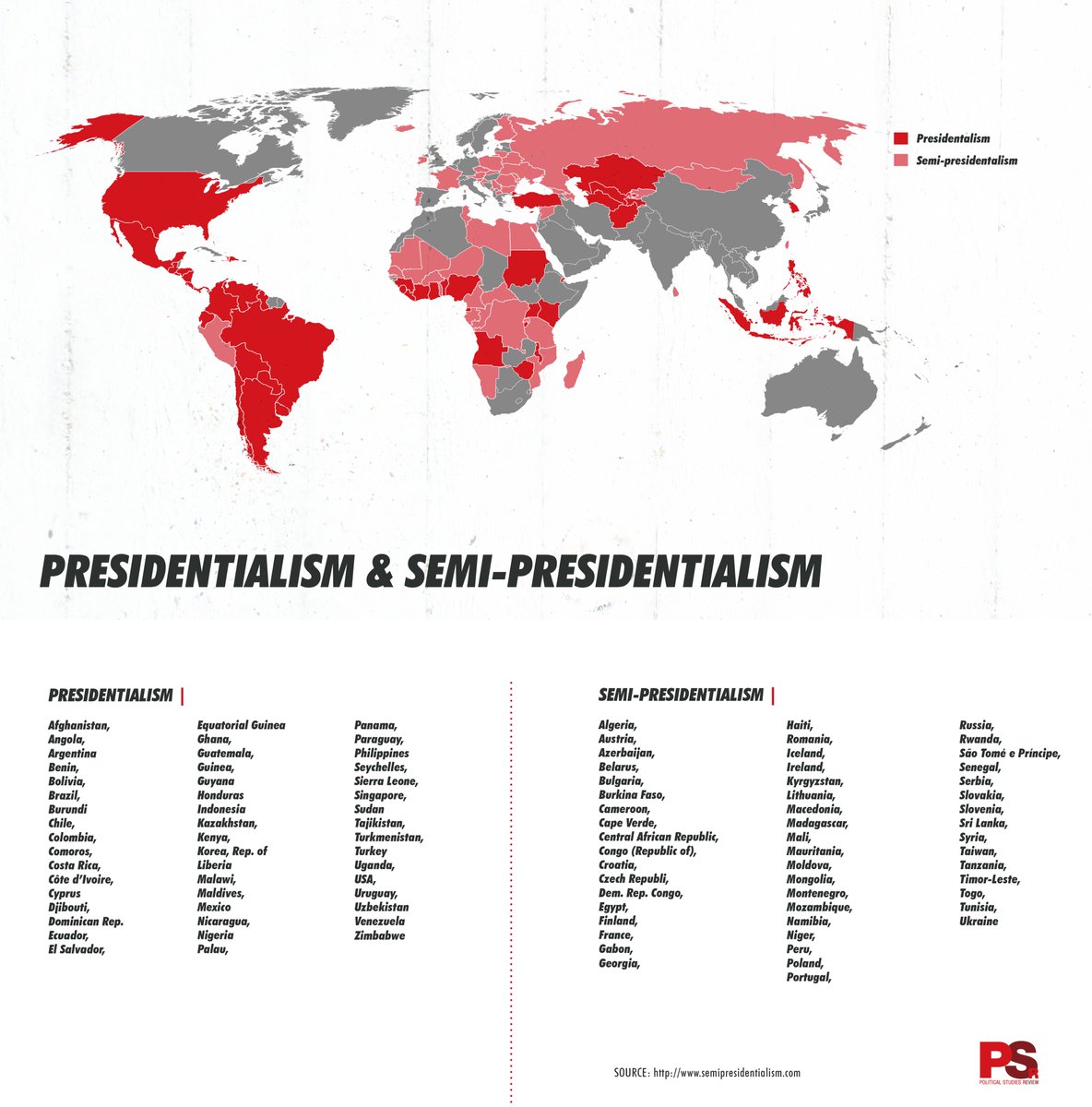
A semi-presidential system is a form of government where a popularly elected president and a prime minister both exercise executive authority. Unlike purely parliamentary systems where the head of state is largely ceremonial, or purely presidential systems where the president holds singular executive control, this model features a dual-executive structure that necessitates a power-sharing arrangement between the presidency and the legislature.
The Dual-Executive Framework
The fundamental characteristic of a semi-presidential system is the existence of two distinct executive actors who possess independent sources of legitimacy. The president is almost always directly elected by the public, granting them a mandate that is separate from the parliament. Meanwhile, the prime minister is typically appointed by the president but must also maintain the "confidence" of the legislature to remain in power.
In this model, the government—led by the prime minister—is accountable to the parliament. If the parliament passes a vote of no confidence, the government must resign. However, the president, because of their direct mandate, is generally immune to such votes. This creates a constitutional tension that is managed through specific legal and political mechanisms, such as the president's power to dissolve the legislature or the requirement that the prime minister manage the day-to-day administration of the state.
Historical Evolution and Theoretical Basis
The term "semi-presidentialism" was famously popularized by political scientist Maurice Duverger in the 1970s, specifically to describe the Fifth Republic of France, established in 1958 under Charles de Gaulle. The system was designed to address the perceived instability of previous French republics, which had been characterized by weak executives and fragmented parliaments.
The theoretical goal was to combine the stability of a strong, directly elected executive with the democratic responsiveness of a parliamentary system. By splitting the executive, the architects of such systems hoped to insulate the nation from political crises while ensuring that the government remains responsive to current legislative majorities.
Presidential vs. Parliamentary Powers
The actual distribution of power in a semi-presidential system depends heavily on whether the president and the parliamentary majority belong to the same political coalition. This fluidity is a defining, and often challenging, aspect of the system.
Unified Government
When the president’s party controls the parliament, the president is effectively the dominant figure. They can direct the legislative agenda, and the prime minister acts as an agent to implement the president's vision. In these instances, the distinction between the presidential and parliamentary branches blurs, and the system functions similarly to a presidential republic.
Cohabitation
"Cohabitation" occurs when the president is from one political party, but the parliamentary majority is controlled by an opposing party. In this scenario, the president is forced to appoint a prime minister from the opposition. Power shifts significantly: the prime minister takes charge of domestic policy, while the president often retreats to focusing on foreign policy, defense, and high-level strategic oversight. This dynamic requires constant negotiation and can lead to gridlock if the two executives refuse to coordinate.
Comparative Table: Systems of Governance
| Feature | Semi-Presidential | Parliamentary | Presidential |
|---|---|---|---|
| Head of State | President (elected) | Monarch/President (symbolic) | President (elected) |
| Head of Government | Prime Minister | Prime Minister | President |
| Executive Legitimacy | Dual (President & PM) | Single (Parliament) | Single (President) |
| Cabinet Accountability | To Parliament & President | To Parliament | To President |
| Dissolution Power | President can dissolve | Usually PM can dissolve | Usually none |
Identifying the Roles of the Executive
To understand how a semi-presidential system functions in practice, it is necessary to separate the roles of the two leaders:
The President: The Architect of Strategy
In most semi-presidential regimes, the president serves as the guardian of the constitution and the representative of the state on the international stage. They often have the power to:
- Dissolve the national assembly and call for new elections.
- Initiate referendums on major national issues.
- Appoint the prime minister (though often constrained by the legislative majority).
- Serve as the commander-in-chief of the armed forces.
The Prime Minister: The Administrator
The prime minister manages the cabinet, oversees the civil service, and coordinates the daily implementation of laws. Their effectiveness is tied to the support of the parliament. If the parliament stops supporting the prime minister's policies, the government falls, even if the president wants the prime minister to stay.
Benefits of the Semi-Presidential Model
Proponents argue that the semi-presidential system offers a "best of both worlds" solution for emerging democracies or nations recovering from political instability:
- Flexibility: The ability to navigate periods of political change through cohabitation allows for checks and balances that are absent in rigid presidential systems.
- Crisis Management: During national emergencies, the president can provide consistent leadership, while the cabinet handles technical governance.
- Direct Mandate: The public feels represented by a national leader (the president) who is not beholden to party backroom negotiations for their election.
Common Criticisms and Potential Risks
Despite its benefits, the dual-executive structure is frequently criticized for creating ambiguity and inefficiency:
- Conflict of Authority: If the president and prime minister hold clashing agendas, the government can become paralyzed. This "dual executive" problem often leads to public confusion over who is actually responsible for policy failures.
- Democratic Accountability Issues: Voters may struggle to assign blame. If a policy fails, is it the president’s fault or the prime minister’s? This allows both sides to shift responsibility, undermining transparency.
- Concentration of Power: Critics note that if a president gains control over both the legislative majority and the prime minister, the system can drift toward authoritarianism, as there are fewer institutional checks to restrain the president's power.
Practical Considerations for Governance
For a semi-presidential system to function effectively in 2026, political culture is as important as constitutional law. In countries where this system is practiced, success is usually predicated on:
- Institutional Norms: Clear, unwritten rules about how the president and prime minister interact are vital. Without these, personality clashes can cripple the administration.
- Party Discipline: If the political party system is highly fragmented, it becomes difficult for the president to maintain a stable majority, increasing the likelihood of constant, shifting cohabitations that lead to executive instability.
- Constitutional Clarity: Nations with well-defined, explicit powers for each executive role tend to experience fewer disputes than those with vague constitutional language.
Frequently Asked Questions
Is a semi-presidential system the same as a hybrid system?
Yes, "hybrid" is a broader term often used interchangeably. Semi-presidentialism is a specific type of hybrid system that mandates a directly elected president alongside a government responsible to a legislature.
What happens if the president and prime minister disagree?
In a functioning system, they negotiate. If the disagreement is over major policy, the prime minister usually defers to the president on issues like defense or foreign policy, while the president may defer to the prime minister on economic or social domestic issues. In extreme cases, a president may dissolve the legislature to resolve a political deadlock.
Why is the French system often called "semi-presidential"?
It is considered the prototype because the 1958 Constitution explicitly gives the president powers that are typically presidential (e.g., appointing the prime minister, dissolving parliament) while maintaining a prime minister who must maintain the confidence of the National Assembly.
Can a semi-presidential system evolve into a full presidential one?
It is possible through constitutional amendment. However, in practice, the system usually shifts according to political behavior. If the president consistently dominates the prime minister, the system functions like a presidential one; if the president retreats to a symbolic role, it functions like a parliamentary one.
What is the most significant risk of this system?
The primary risk is the "dual legitimacy" trap. Because both the president and the legislature represent the people, they may both claim to have the "right" to set policy, leading to gridlock that can only be solved by one branch violating the norms or powers of the other.
Summary and Next Steps
The semi-presidential system is a sophisticated institutional design that balances the need for strong national leadership with the requirement for representative, accountable governance. While it offers unique flexibility through mechanisms like cohabitation, it requires a high degree of political maturity and clear constitutional boundaries to prevent institutional conflict.
To explore this topic further, consider researching specific case studies, such as the constitutional amendments in the French Fifth Republic or the evolution of power-sharing in countries that have adopted similar frameworks. If you are analyzing a specific country’s government, start by reviewing their constitution to identify the specific appointment power of the president and the exact procedures required for a vote of no confidence.