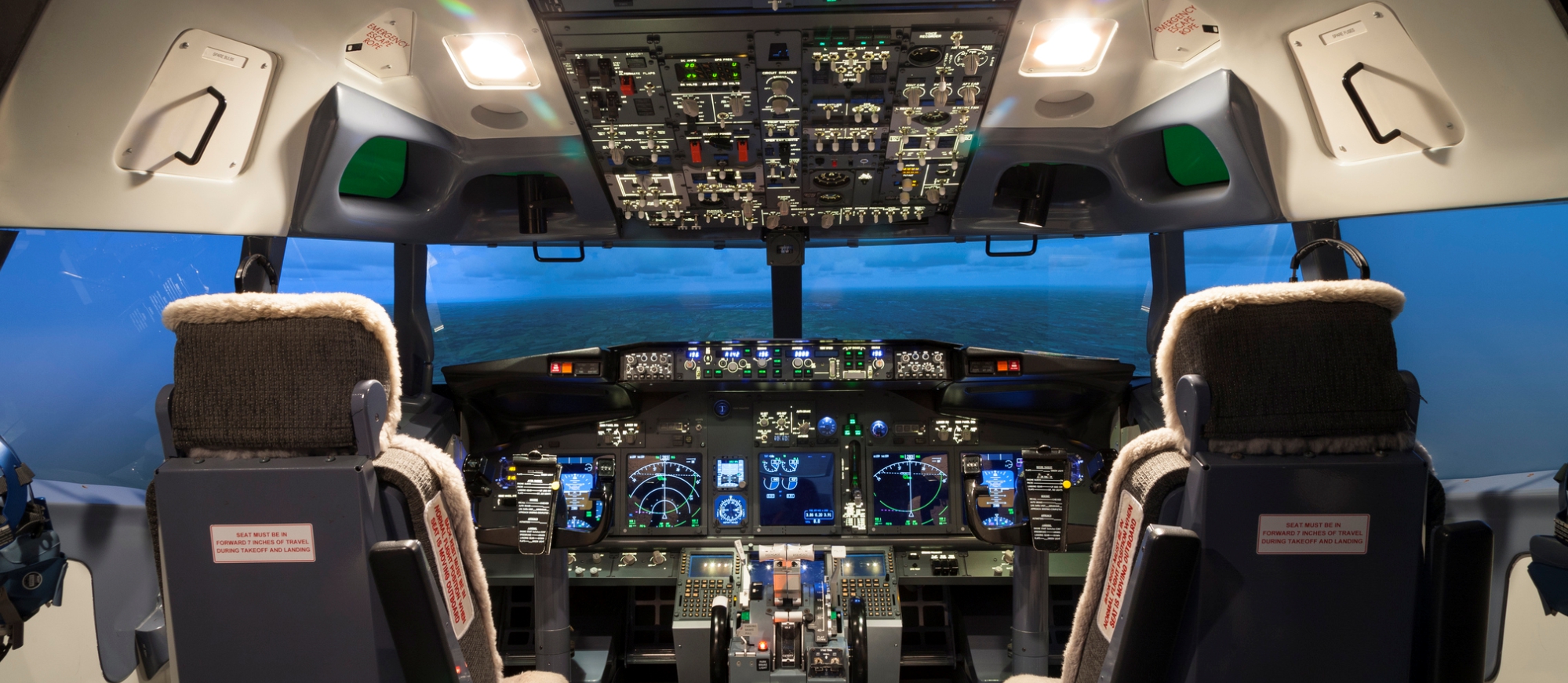
Modern aviation education has evolved into a sophisticated hybrid model where online aviation courses provide the comprehensive theoretical foundation while integrating practical, hands-on training through high-fidelity simulations and localized flight partnerships. This dual-track approach ensures students master complex aerodynamics and regulations remotely before applying those skills in physical cockpits or maintenance hangars.
The aviation industry in 2026 has fully embraced the transition from traditional, strictly classroom-based "ground schools" to flexible, technology-driven ecosystems. For aspiring pilots, mechanics, and dispatchers, the primary challenge is no longer finding a local school with a specific schedule, but rather choosing a program that effectively bridges the gap between digital learning and physical execution. By leveraging Virtual Reality (VR), Augmented Reality (AR), and strategic partnerships with regional airports, online aviation courses now offer a curriculum that is both rigorous and accessible.
The Theoretical Framework: Digital Ground School in 2026
The theoretical component of an aviation course, often referred to as Ground School, serves as the intellectual backbone of a student’s training. In 2026, these online modules have moved far beyond static PDFs and pre-recorded videos.
Interactive Learning Management Systems (LMS)
Modern online aviation platforms use advanced LMS environments that feature interactive 3D modeling of aircraft systems. Instead of looking at a flat diagram of a Lycoming engine, students can "explode" the digital model, rotating parts to understand the cooling fins, fuel injection paths, and ignition sequences. This level of interaction is critical for mastering the FAA Part 61 and Part 141 requirements, which demand a deep understanding of aircraft powerplants and systems.
Real-Time Weather and Navigation Integration
Theory training now integrates live data. When students study meteorology—one of the most challenging aspects of aviation theory—they aren't just looking at historical charts. They use live METAR (Meteorological Aerodrome Reports) and TAF (Terminal Aerodrome Forecasts) data to plan simulated cross-country flights. This "active theory" approach helps students understand the life-and-death implications of dew point spreads, pressure gradients, and wind shear in real-time.
Regulatory and Legal Knowledge
A significant portion of aviation theory involves Federal Aviation Regulations (FARs) or EASA equivalents. Online courses provide indexed, searchable databases and AI-assisted tutoring bots that help students navigate the dense legal landscape of airspace classifications (Class A through G), pilot certification requirements, and mandatory reporting procedures. This ensures that by the time a student enters a physical cockpit, their "mental checklist" for legal compliance is already reflexive.
Bridging the Gap: The Hands-on Component
The "hands-on" training in an online course might seem like a contradiction, but in 2026, it is achieved through a three-pronged strategy: Home-based Flight Training Devices (FTDs), Virtual Reality modules, and localized "Lab Intensive" sessions.
Virtual Reality (VR) and Augmented Reality (AR)
VR has become a standardized tool for procedural training. Before a student ever pays for an expensive hour of engine-run time, they use VR headsets to practice cockpit flows. This includes the "Pre-flight Exterior Walkaround," where they can inspect virtual control surfaces for ice or damage, and "Cockpit Layout Familiarization," where they build muscle memory for the location of the mixture control, flap handle, and avionics stack. This reduces the total number of physical flight hours needed to achieve proficiency, significantly lowering the overall cost of a license.
Home-based Flight Training Devices (FTDs)
Many high-tier online courses now include or recommend specific hardware kits. These include high-precision yokes, rudder pedals, and throttle quadrants that interface with the online curriculum. When a student learns about "Stalls and Recoveries" in a theoretical module, they are immediately tasked with performing the maneuver on their FTD. The software tracks their inputs and provides a "precision score," which is then reviewed by a remote certified flight instructor (CFI).
Local Flight Training Partnerships
To satisfy the legal requirements for a pilot’s license or an A&P (Airframe and Powerplant) certificate, physical hours are non-negotiable. Online courses solve this through a "Hub and Spoke" model. The online provider (the Hub) handles the theory, testing, and simulation, while a network of partner flight schools (the Spokes) provides the actual aircraft and in-person instruction. This allows students to complete 70% of their training at home while ensuring the final 30%—the actual "stick and rudder" time—is performed under the watchful eye of a physical instructor.
Comparing Training Models: Online Hybrid vs. Traditional In-Person
Choosing between a traditional "brick-and-mortar" flight school and a hybrid online course involves weighing several factors, including cost, speed of completion, and learning style.
| Feature | Traditional In-Person Training | Hybrid Online/Hands-on (2026) |
|---|---|---|
| Schedule Flexibility | Fixed; dependent on instructor availability. | High; theory is 24/7; flying is scheduled. |
| Initial Cost | High (Upfront registration and ground fees). | Moderate (Subscription or course fee + hardware). |
| Skill Retention | High, through immediate physical repetition. | Very High, through VR repetition and simulation. |
| Regulatory Acceptance | Fully FAA/EASA compliant. | Compliant via Part 141/61 approved software. |
| Geographic Access | Must live near a flight center. | Can learn anywhere; travel only for flight blocks. |
| Networking | Physical interaction with local pilots. | Digital communities and global aviation networks. |
Certification and Regulatory Compliance
In 2026, the regulatory landscape has adapted to recognize the validity of hybrid learning. However, students must ensure their chosen course meets specific standards to avoid wasted effort.
FAA Part 141 vs. Part 61
For students in the United States, online courses generally fall under Part 61 (more flexible) or Part 141 (more structured). A Part 141 online course has been specifically audited and approved by the FAA, often allowing for reduced flight hour requirements because the curriculum is so rigorous. Students should verify that their online theory hours are "loggable" towards their written exam endorsement.
The Knowledge Test Endorsement
One of the primary goals of the theory portion is to receive an instructor's endorsement to take the FAA Private Pilot Knowledge Test. Most reputable online courses include a "test prep" phase where students must pass three consecutive practice exams with a score of 80% or higher. Once achieved, a digital endorsement is issued, allowing the student to sit for the official proctored exam.
Logging Simulation Time
Not all "hands-on" time at home counts toward certificate requirements. In 2026, the FAA allows a specific number of hours to be logged toward a rating if the student is using a Basic Aviation Training Device (BATD) or Advanced Aviation Training Device (AATD) under the supervision of an instructor. Online courses that integrate remote-CFI sessions can actually help students log "official" time from their own living rooms, provided the equipment meets the necessary technical specifications.
Costs and Financial Considerations
The financial structure of a hybrid aviation course is fundamentally different from a traditional school. While traditional schools often require "block payments" of thousands of dollars, online courses often utilize a subscription or "pay-as-you-go" model for the theory portion.
- Theory Course Fees: Expect to pay between $400 and $1,200 for a comprehensive private pilot or instrument rating ground school. This usually includes lifetime access to updates—a vital feature as regulations change.
- Hardware Investment: A basic home simulation setup (Yoke, Pedals, Throttle) costs between $500 and $1,500. While this is an upfront cost, it typically pays for itself by reducing the number of $200-per-hour flight lessons required to master basic maneuvers.
- Physical Flight Hours: This remains the largest expense. In 2026, aircraft rental and instructor fees average $180–$250 per hour depending on the region and aircraft type (e.g., electric aircraft vs. traditional combustion).
- Checkride and Testing Fees: Budget approximately $800–$1,200 for the final practical exam (the "checkride") and the written knowledge test fees.
Troubleshooting Common Challenges in Hybrid Learning
While the hybrid model is efficient, it is not without hurdles. Students must be proactive in managing the transition between digital and physical environments.
- The "Simulator Gap": One of the most common issues is developing bad habits on a home simulator that don't translate to a real aircraft—such as looking at the instruments too much rather than looking outside. To solve this, online courses now emphasize "Visual Flight Rules (VFR) Scanning" exercises even in a digital environment.
- Tech Latency: VR and simulation require robust internet connections and hardware. Students often face software compatibility issues when updating their flight simulation platforms (like Microsoft Flight Simulator 2024 or X-Plane 13).
- Finding a Compatible CFI: Not all flight instructors are comfortable with students who learned theory online. It is essential to find a "flight partner" school that respects the hybrid model and doesn't insist on "re-teaching" the ground school at a higher hourly rate.
The Future of Online Aviation Training
As we look further into 2026 and beyond, the integration of hands-on training will only deepen. We are seeing the emergence of "Haptic Feedback Suits" that allow students to actually "feel" the vibrations of an engine or the resistance of the air on control surfaces during online modules. Furthermore, the rise of Advanced Air Mobility (AAM)—including electric vertical takeoff and landing (eVTOL) aircraft—is being driven by pilots who have trained almost exclusively in high-tech, hybrid environments.
FAQ
Can I get a pilot's license entirely online? No. While you can complete 100% of the theoretical ground school and a significant portion of procedural training online or via simulation, the FAA and other global regulators require a minimum number of hours in a physical aircraft with a certified instructor to earn a private or commercial pilot certificate.
Do airlines accept online aviation course certifications? Yes, provided the courses are part of an accredited program (like a Part 141 school) or lead to a standard FAA/EASA license. Airlines are primarily interested in your ratings, flight hours, and the quality of your checkride performance, not whether you studied the theory in a classroom or on a laptop.
How do I find a local school that accepts my online theory credits? Most major online aviation platforms have a "Flight School Finder" or "Partner Network" tool. You can also contact local Flight Training Organizations (FTOs) and ask if they accept certificates of completion from recognized online providers for their ground school requirements.
What hardware do I need for the hands-on portion at home? At a minimum, you need a PC capable of running modern flight simulation software, a flight yoke or joystick, and rudder pedals. For the best experience in 2026, a VR headset (such as a Meta Quest 4 or Valve Index 2) is highly recommended for immersive procedural training.
Is an online aviation course harder than a traditional one? It requires more self-discipline. In a traditional classroom, the instructor drives the pace. In an online course, you must manage your own schedule and ensure you aren't skimming over difficult topics like weight and balance or complex airspace. However, the interactive tools often make complex topics easier to visualize.
Final Recommendation
For those looking to enter the aviation industry in 2026, the hybrid model—an online course offering a mix of theory and hands-on training—is the most efficient path. To succeed, start by selecting a program that is FAA Part 141 approved if you are pursuing a career, or a reputable Part 61 program for recreational flying. Invest in a mid-range home flight simulation setup early in your studies to reinforce theoretical concepts with muscle memory. Finally, interview local flight instructors before you finish your online theory to ensure a seamless transition from the screen to the sky.