The musical landscape of Mexico is a complex tapestry woven from indigenous foundations, Spanish colonial influence, African polyrhythms, and modern global trends. From the brass-heavy echoes of Sinaloan Banda to the intricate harp strings of Veracruz’s Son Jarocho, Mexican music serves as a living history of the nation’s cultural synthesis and regional diversity.
As of 2026, Mexican music has transcended its borders more effectively than ever before, with "Regional Mexican" genres dominating global streaming charts and traditional forms receiving renewed protection through international heritage designations. Understanding these genres requires looking beyond the melodies to the social histories, specific instrumentation, and regional identities they represent.
The Foundations of Mexican Sound: Historical Evolution
The history of Mexican music is generally divided into three distinct eras: the pre-Columbian period, the colonial era, and the post-independence modern era. Each phase introduced specific instruments and philosophies that remain embedded in the music today.
Pre-Hispanic Origins
Before the arrival of the Spanish, music was primarily functional, used for religious rituals, warfare, and agriculture. Instruments were almost exclusively percussion and wind-based. The Teponaztli (a slit drum) and the Huehuetl (an upright drum) provided complex rhythmic foundations, while flutes made of clay, bone, or reed provided haunting melodies. While the tonal scales used by the Aztecs and Mayans differed from European scales, the rhythmic complexity of these indigenous groups survived through modern folk traditions.
Colonial Synthesis
The Spanish conquest in the 16th century introduced stringed instruments—violins, guitars, and harps—and the Western diatonic scale. However, the synthesis was not merely European and Indigenous. The African slave trade brought rhythmic influences to the coastal regions, particularly Guerrero and Veracruz. This "Third Root" (La Tercera Raíz) is what gives many Mexican genres their distinct syncopation and call-and-response structures.
Mariachi: The Universal Icon of Mexican Identity
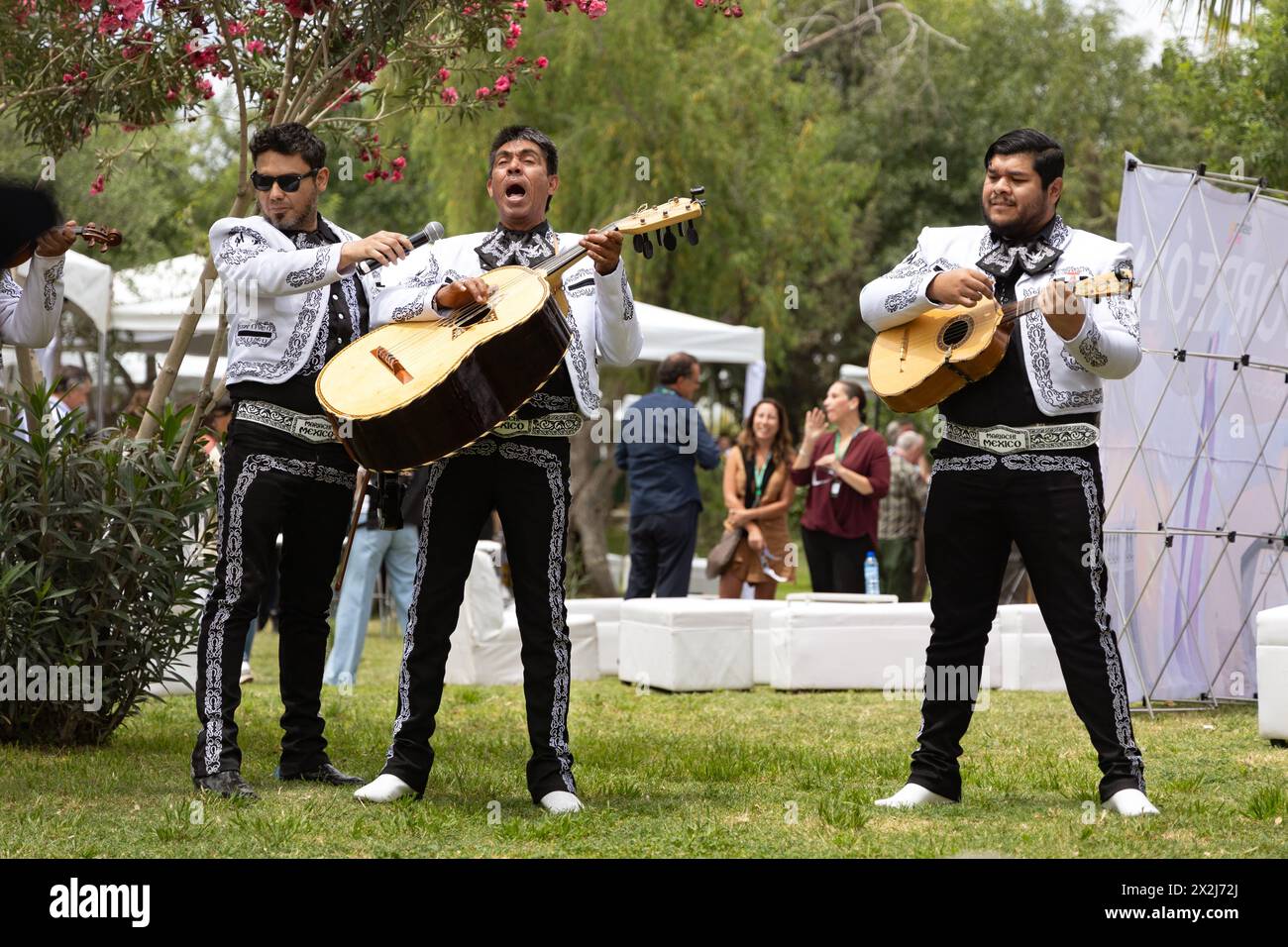
While many outsiders view Mariachi as a single genre, it is actually a specific type of ensemble that originated in the 18th century in the state of Jalisco. It was recognized by UNESCO as part of the Intangible Cultural Heritage of Humanity because of its role in transmitting history and values.
Instrumentation and Structure
A modern Mariachi group typically consists of:
- Violins: Providing the melodic sweep.
- Trumpets: Added in the 1930s for a more powerful sound in radio broadcasts.
- Vihuela: A high-pitched, five-string guitar that provides the rhythmic "mánico" (strumming pattern).
- Guitarrón: The large, convex-backed acoustic bass that serves as the heartbeat of the ensemble.
The repertoire of a Mariachi group is vast, encompassing Rancheras, Boleros, and various "Sones." The essence of Mariachi lies in its versatility; it is equally at home at a somber funeral as it is at a boisterous wedding.
The "Son" Family: Regional Roots and Rhythms
The word Son (meaning "sound") refers to a category of Mexican folk music that varies wildly depending on the geography. These are the most "authentic" representations of regional mestizo culture.
Son Jarocho
Originating in Veracruz, Son Jarocho is famous for its fusion of Spanish and African elements. It is characterized by the use of the Jarana (a small guitar-like instrument) and the Arpa Jarocha (Veracruz harp). The most famous example worldwide is "La Bamba." A key social component of Son Jarocho is the Fandango, a community celebration where musicians gather around a wooden platform (tarima) to dance and play.
Son Huasteco (Huapango)
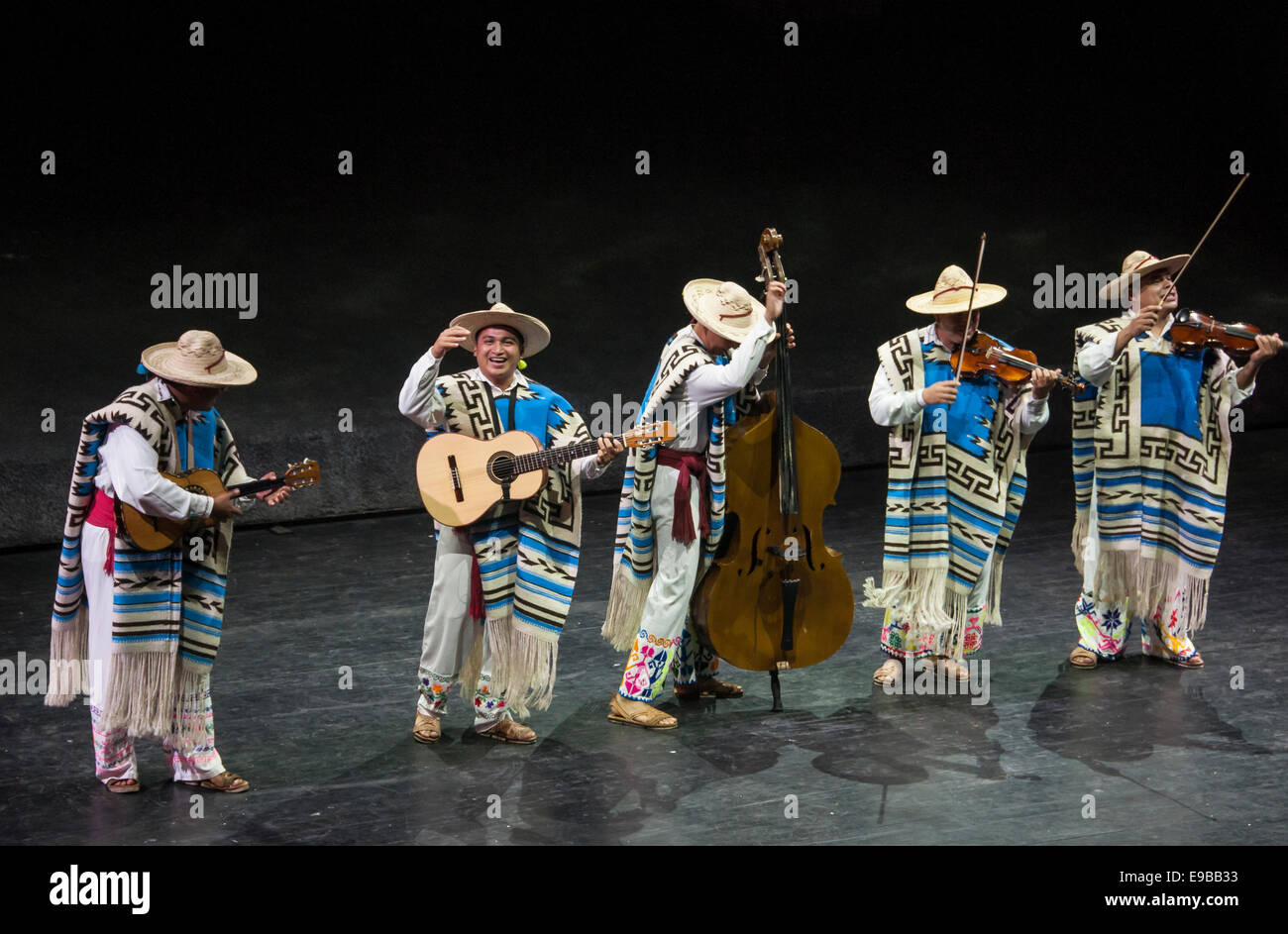
Found in the Huasteca region (parts of Tamaulipas, Veracruz, San Luis Potosí, and Hidalgo), this genre is distinguished by the virtuosic use of the violin and the "falsetto" singing style. The rhythm is a complex 6/8 time signature that requires significant technical skill from the guitarists (using the Quinta Huapanguera).
Son Jaliscense
This is the direct ancestor of modern Mariachi. It is fast, rhythmic, and traditionally played on string instruments without the modern addition of trumpets. It focuses heavily on the "zapateado" dance, where the dancers' footwork serves as a secondary percussion instrument.
Music of the North: Norteño and Banda
The northern regions of Mexico developed musical styles that were heavily influenced by European immigrants—specifically Germans, Poles, and Czechs—who brought the accordion and polka rhythms to the borderlands in the late 19th century.
Norteño
Norteño music is defined by the pairing of the accordion and the bajo sexto (a 12-string bass guitar). It is the music of the rural north, characterized by its "polka" or "waltz" beats. While it began as instrumental music for dancing, it evolved into a medium for storytelling through the Corrido. By 2026, Norteño has integrated more modern production techniques, yet the core accordion-and-bajo-sexto duo remains the standard for authenticity.
Banda
While Norteño is driven by strings and accordions, Banda is a brass-heavy explosion of sound. Originating in Sinaloa, Banda music mimics the military and municipal brass bands of the 19th century.
- Key Instruments: Sousaphone (tuba) for the bass line, trumpets, trombones, clarinets, and the "tambora" (a large drum with a cymbal on top).
- Sound Profile: It is loud, celebratory, and rhythmically driving. The tuba player in a Banda is often the star, providing a bouncy, melodic bass line that is physically demanding to play.
Narrative and Emotion: Ranchera and Corridos
Mexican music often prioritizes the story and the emotion over technical vocal perfection. Two genres exemplify this: the Ranchera and the Corrido.
Ranchera
The Ranchera is the "country music" of Mexico. It rose to prominence during the Golden Age of Mexican Cinema (1930s–1950s). These songs typically deal with themes of love, patriotism, and nature. The hallmark of a great Ranchera singer (like Vicente Fernández or Lola Beltrán) is the "grito"—the soulful, operatic cry that punctuated the emotional peaks of the song.
Corridos and the 2026 Evolution
Historically, the Corrido was a musical newspaper. During the Mexican Revolution, Corridos told the stories of Pancho Villa and Emiliano Zapata. In the late 20th century, this evolved into the Narcocorrido, documenting the lives of drug traffickers.
By 2026, the genre has undergone a massive transformation through Corridos Tumbados (Urban Corridos). This subgenre blends traditional corrido storytelling and instrumentation (requinto guitars and tololoche) with the aesthetics and rhythmic sensibilities of trap and hip-hop. This evolution has made Mexican music a dominant force among younger generations globally.
The Tropical Influence: Cumbia and Bolero
Mexico’s geography allows for a significant influence from the Caribbean and South America, which have been adapted into uniquely Mexican forms.
Cumbia Sonidera
While Cumbia originated in Colombia, Mexico City created its own version: Cumbia Sonidera. This style is characterized by its slower tempo and the heavy use of pitch-shifting and voiceovers by the DJ (the "Sonidero"). It is the pulse of the urban barrios and street parties.
Bolero
The Bolero is the ultimate romantic genre. Originally from Cuba, it found a second home in Mexico, particularly through the "Trio" format (three singers with guitars). Mexican Boleros are sophisticated, featuring complex harmonies and poetic lyrics about unrequited love and heartbreak.
Comparison of Major Mexican Musical Genres
| Genre | Primary Region | Key Instruments | Rhythmic Feel |
|---|---|---|---|
| Mariachi | Jalisco / National | Trumpet, Vihuela, Guitarrón | Versatile (Waltz, Polka, Son) |
| Norteño | Northern Mexico | Accordion, Bajo Sexto | Polka / 2/4 Time |
| Banda | Sinaloa | Tuba, Trombone, Tambora | Brass-heavy / March-like |
| Son Jarocho | Veracruz | Jarana, Arpa Jarocha | Syncopated / African influence |
| Son Huasteco | La Huasteca | Violin, Jarana Huasteca | Fast 6/8 / Falsetto vocals |
| Cumbia | National / CDMX | Accordion, Guiro, Bass | Tropical / Dance-focused |
| Corridos | Northern / National | Guitar, Bass, Accordion | Narrative Ballad |
Modern Movements: Rock, Pop, and Electronic
Beyond folk and regional music, Mexico has a thriving contemporary scene that competes on the global stage.
- Rock en Español: Since the 1960s, Mexico has produced legendary rock acts like Caifanes, Maná, and Café Tacvba. These bands often mix traditional Mexican motifs with alternative rock and punk.
- Mexican Pop: From the ballads of Luis Miguel to the modern synth-pop of artists like Julieta Venegas, Mexican pop is a multi-billion dollar industry that influences the entire Spanish-speaking world.
- Electronic (Nortec): A fascinating 21st-century development is Nortec, a genre that samples Norteño and Banda sounds and loops them over techno and house beats. It represents the high-tech, border-crossing identity of cities like Tijuana.
Technical Specifications: The Unique Instruments of Mexico
Understanding Mexican music requires recognizing the specific tools used to create its unique timbre. Many of these instruments are not found anywhere else in the world.
- The Guitarrón: Unlike an orchestral double bass, the Guitarrón is played by plucking two strings at once (in octaves) to produce a massive, punchy sound that carries across outdoor plazas.
- The Vihuela: This five-string instrument has a vaulted back. It is tuned similarly to a guitar but produces a much more percussive, high-frequency sound used for the rhythmic "compás."
- The Bajo Sexto: A 12-string guitar tuned an octave lower than a standard guitar. It provides both a rhythmic and harmonic foundation in Norteño music, often replacing the need for a bass player in smaller ensembles.
- The Jarana Huasteca: A small, five-string guitar used in Son Huasteco, primarily for rhythmic accompaniment using a "rasgueo" (strumming) technique.
Common Misconceptions About Mexican Music
A frequent mistake made by casual listeners is grouping all brass or accordion music under the label of "Mariachi." In reality, the distinctions are sharp:
- Norteño vs. Banda: Norteño is defined by the accordion; Banda is defined by the tuba.
- Ranchera vs. Mariachi: A Ranchera is a song style (like a ballad), while Mariachi is the ensemble type that often plays it.
- Marimba: In the south (Chiapas and Oaxaca), the Marimba is the dominant instrument, reflecting a shared cultural history with Central America that is distinct from the guitar-heavy north.
Frequently Asked Questions
What is the difference between Norteño and Banda music?
Norteño music is centered on the accordion and the bajo sexto, typically featuring a smaller group of 4 to 5 musicians. Banda music is a large brass ensemble (often 15+ members) featuring a tuba, trumpets, and a heavy percussion section. While both share some repertoire, their "textures" are completely different—one is accordion-driven, the other is brass-driven.
Why is the accordion so popular in Mexican music?
The accordion was introduced to Northern Mexico in the late 19th century by German and Czech immigrants who came to work in mining and brewing. Local musicians adapted the instrument to play traditional Mexican songs, eventually creating the Norteño style that dominates the northern states and the US-Mexico border.
What is a "Corrido Tumbado"?
As of 2026, Corridos Tumbados are the most popular evolution of the traditional Corrido. They retain the storytelling and acoustic instrumentation (guitars and bass) of traditional folk music but incorporate the lyrical themes, fashion, and vocal delivery of urban music (hip-hop and trap).
Is Mariachi still popular in Mexico?
Yes, Mariachi remains a cornerstone of Mexican social life. It is not considered "old" music; rather, it is ceremonial music. No major life event—from Quinceañeras to Mother's Day—is considered complete without a Mariachi performance.
Which region of Mexico has the most African influence in its music?
The coastal regions of Veracruz (on the Gulf) and the Costa Chica of Guerrero and Oaxaca (on the Pacific) have the most significant African influences. This is heard clearly in the complex polyrhythms and the "call-and-response" vocal structures of Son Jarocho and the Danza de los Diablos.
Finding the Right Sound: Next Steps for Listeners
To truly appreciate the breadth of Mexican music, start by exploring the regional "Sones." While Mariachi and Norteño are the most commercially visible, the regional folk traditions of the Huasteca and Veracruz offer a deeper look into the country's diverse soul. For those interested in the cutting edge, the modern "Regional Mexican" charts of 2026 provide a glimpse into how these centuries-old traditions are being reinvented for a global, digital audience.