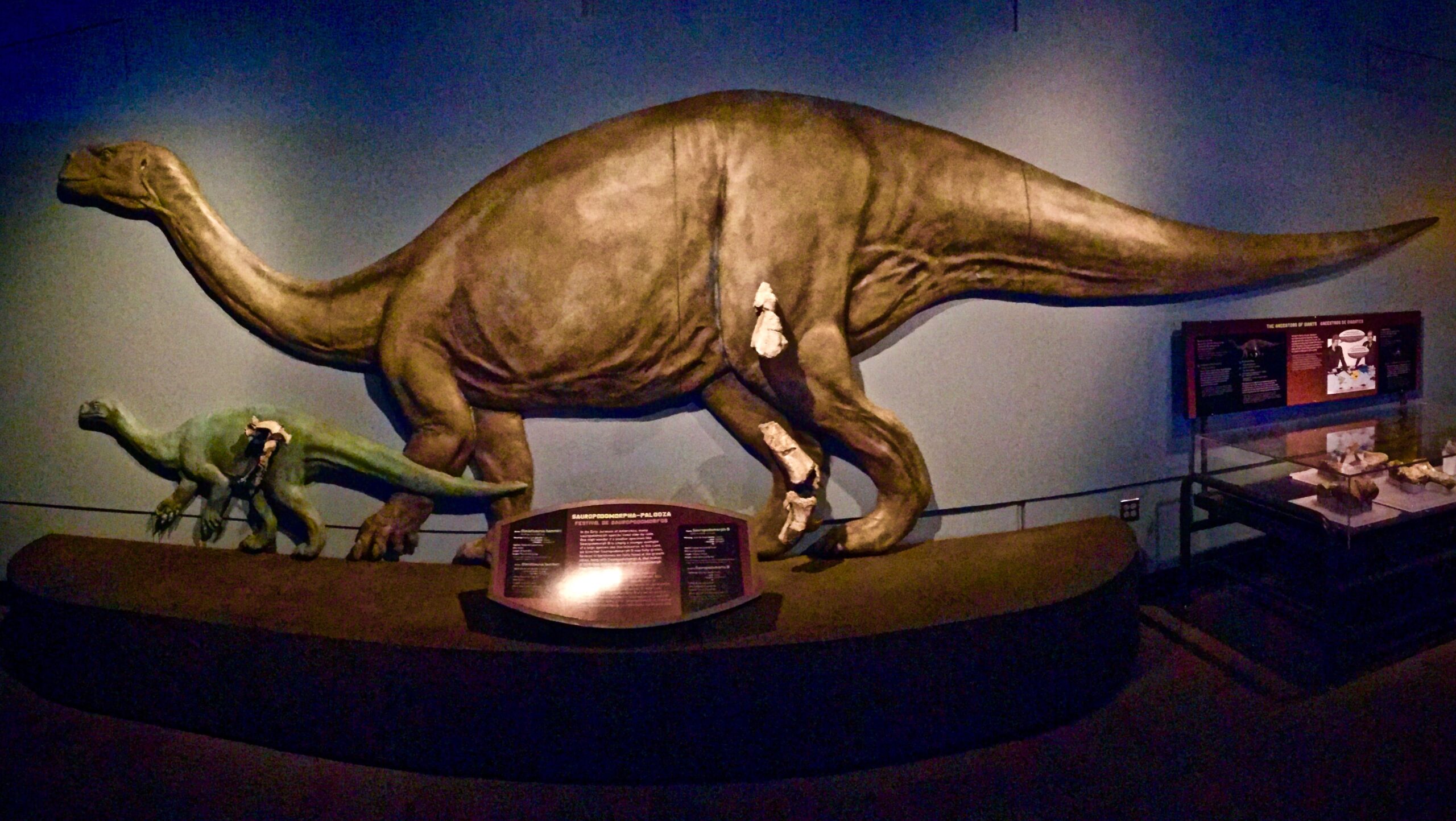
The discovery of exceptionally preserved dinosaur remains—often referred to as "mummies" or specimens found in high-latitude permafrost regions—provides a high-resolution window into the Mesozoic climate. By analyzing the soft tissues, skin impressions, and geochemical signatures within these remains, scientists can reconstruct ancient temperatures, atmospheric CO2 levels, and seasonal weather patterns with unprecedented accuracy.
The Intersection of Paleontology and Climatology
When the public hears of a "dinosaur found frozen in ice," the mind often leaps to the well-preserved Woolly Mammoths of the Pleistocene. However, the geological reality for dinosaurs is more complex. Because dinosaurs lived during the Mesozoic Era (252 to 66 million years ago)—a period significantly warmer than the current Cenozoic Era—large-scale permanent ice sheets were rare. Consequently, finding a dinosaur literally encased in glacial ice is geologically impossible, as that ice would have melted tens of millions of years ago.
Instead, what scientists identify as "frozen" or "mummified" dinosaurs are specimens preserved through rapid burial and mineralization, or those found in high-latitude formations like the Prince Creek Formation in Alaska. These remains are "frozen" in time through unique taphonomic processes. As of 2026, these specimens have become the primary data points for understanding how Earth’s climate functioned during "Greenhouse Earth" phases. The preservation of soft tissue—melanosomes, keratin, and even internal organs—allows for isotopic analysis that traditional "stony" fossils cannot provide.
The Science of Soft Tissue Preservation: A Climate Time Capsule
To understand why a mummified dinosaur is superior to a skeleton for climate research, one must look at the chemistry of preservation. Standard fossilization replaces organic bone with minerals from the surrounding sediment. While bones offer structural data, they are often "contaminated" by the chemistry of the burial site over millions of years.
Isotopic Fractionation and Oxygen Proxies
Mummified remains, such as the famous Borealopelta markmitchelli (a nodosaur found in Alberta) or the Edmontosaurus known as "Dakota," retain organic compounds that allow for oxygen isotope thermometry. By measuring the ratio of Oxygen-18 ($^{18}O$) to Oxygen-16 ($^{16}O$) in preserved tissues or the phosphate of teeth, researchers can calculate the temperature of the water the dinosaur drank.
Because the isotopic composition of precipitation varies with temperature, these "frozen" biological records act as ancient thermometers. In 2026, advanced mass spectrometry allows us to distinguish between the animal's internal body temperature and the ambient environmental temperature, revealing how these creatures regulated heat in a world that was, on average, 5°C to 10°C warmer than today.
Melanosomes and Albedo Effects
The discovery of preserved pigments (melanosomes) in dinosaur skin has rewritten our understanding of ancient ecology. By identifying the color patterns of dinosaurs, such as countershading, scientists can infer the density of the vegetation and the intensity of the sunlight in specific prehistoric regions. This biological data helps climate modelers refine "albedo" values—the measure of how much solar energy the Earth's surface reflects—which is a critical variable in climate simulations.
High-Latitude Discoveries: The Polar Dinosaur Records
The most significant "frozen" discoveries occur in the Arctic and Antarctic circles. During the Late Cretaceous, these regions were not covered in ice but were still subject to months of total darkness.
The Prince Creek Formation
In Northern Alaska, the Prince Creek Formation has yielded dinosaur remains that lived at latitudes of 80°N to 85°N. While these are not "frozen in ice" in the modern sense, they are often found in permafrost-rich layers that have protected the delicate structures of the bones. These finds prove that the Cretaceous Arctic was a lush, though seasonal, environment.
Analysis of these remains reveals:
- Tree Ring Data: Fossilized wood found alongside dinosaur remains shows wide growth rings, indicating rapid growth during long summer days, followed by dormant periods.
- Bone Histology: Microscopic analysis of dinosaur bone growth reveals "Lines of Arrested Growth" (LAGs), which function like tree rings. These suggest that polar dinosaurs may have slowed their metabolism or hibernated to survive the dark, chilly winters, providing a direct link between animal physiology and ancient climate cycles.
Comparing Preservation Methods and Climate Data Yield
The following table illustrates how different types of "frozen" or mummified finds contribute to our understanding of the ancient world.
| Preservation Type | Primary Examples | Climate Data Extracted | Reliability |
|---|---|---|---|
| Mummified (Desiccated) | "Dakota" (Edmontosaurus) | Skin texture, muscle mass, hydration levels. | High for local humidity. |
| Siderite Encapsulation | Borealopelta (Nodosaur) | Pigmentation, stomach contents, seasonal diet. | Exceptional for seasonality. |
| High-Latitude Permafrost | Ugrunaaluk (Arctic Hadrosaur) | Seasonal growth rates, thermal tolerance. | Moderate for ambient temp. |
| Amber Inclusion | Small avian dinosaurs/feathers | Atmospheric O2 and CO2 levels (via air bubbles). | Very high for atmosphere. |
Deciphering the Atmospheric Secrets
A dinosaur "frozen" in time often carries more than just its own biological data; it carries the atmosphere of the Mesozoic. When dinosaurs are buried in fine-grained sediments, or when their feathers are trapped in resin (amber), tiny bubbles of air or organic gases can be preserved.
Carbon Dioxide Levels
By studying the stomatal density of fossilized leaves found in the stomachs of mummified herbivores, scientists can calculate the concentration of atmospheric $CO_2$. Plants grow fewer stomata (breathing pores) when $CO_2$ is abundant. The mummified nodosaur Borealopelta was found with its last meal—specifically a type of fern—perfectly preserved in its digestive tract. This provides a "snapshot" of the exact carbon cycle stage during its life, showing $CO_2$ levels nearly four times higher than pre-industrial levels.
The Role of Methane
Climate models for 2026 and beyond emphasize the role of "Greenhouse Earth" feedback loops. The study of large-scale dinosaur ecosystems suggests that the sheer biomass of mega-herbivores contributed significant amounts of methane to the atmosphere. Analyzing the dietary habits of mummified specimens allows researchers to estimate the metabolic output of these populations and their secondary impact on global warming during the Cretaceous.
Technical Analysis of Paleoclimate Proxies
To move beyond surface-level observations, senior researchers utilize Clumped Isotope Geochemistry. This involves measuring the "clumping" of heavy isotopes ($^{13}C$ and $^{18}O$) in the carbonate minerals of eggshells or armored plates.
The degree of clumping is strictly dependent on the temperature at which the mineral formed, independent of the isotopic composition of the water source. This provides a "gold standard" for temperature verification. When applied to mummified remains, it confirms that the Arctic was not merely "not frozen," but actually reached temperatures of 20°C (68°F) in the summer—a fact that is vital for calibrating modern climate models that predict how our current poles will respond to rising $CO_2$.
Challenges in Extraction and Analysis
While a dinosaur found "frozen" or mummified is a scientific goldmine, it presents immense technical challenges.
- Oxidation Risk: Once a mummified specimen is exposed to the modern atmosphere, the organic compounds can degrade rapidly. In 2026, researchers use nitrogen-purged "clean rooms" during the preparation of these fossils to prevent modern oxygen from breaking down ancient lipids.
- Mineral Interference: The "ironstones" or siderite nodules that often preserve these mummies are incredibly hard. Removing the rock without damaging the microscopic skin structures requires laser ablation and high-resolution CT scanning.
- Taphonomic Bias: Not all dinosaurs are equally likely to be mummified. Preservation requires a specific set of "Goldilocks" conditions—rapid burial in an anaerobic (oxygen-free), mineral-rich environment. This means our climate data from mummies is biased toward coastal and floodplain environments rather than inland highlands.
Practical Applications for Modern Climate Science
Why does the climate of 70 million years ago matter in 2026? The "secrets" revealed by these dinosaurs serve as a stress test for climate models.
Modern climate simulations are used to predict future sea-level rise and temperature shifts. However, these models must be able to accurately "predict" the past before they can be trusted with the future. If a model cannot recreate the warm, ice-free poles of the Cretaceous—data verified by our "frozen" dinosaur finds—then the model is flawed. By providing hard data on how biology and geochemistry interacted in a high-$CO_2$ world, these dinosaurs are helping scientists fine-tune the tools used to manage the current climate crisis.
Frequently Asked Questions
Has a dinosaur ever been found in real ice?
No. Dinosaurs lived during the Mesozoic Era, which ended approximately 66 million years ago. Ice is a transient geological feature; the oldest ice cores currently available only date back about 2.7 million years. Any ice that existed during the time of the dinosaurs has long since melted. What people usually refer to are "mummified" dinosaurs preserved in sediment or found in permafrost regions where the ground (but not the original Mesozoic ice) is currently frozen.
How do "frozen" dinosaurs show us ancient temperatures?
Scientists use isotopic analysis of the preserved soft tissues and bones. Specifically, they look at the ratio of oxygen isotopes ($^{18}O/^{16}O$). Since this ratio changes based on the temperature of the water the animal drank and the air it breathed, it acts as a chemical thermometer that records the climate of millions of years ago.
What can stomach contents tell us about the climate?
The preserved stomach contents of mummified dinosaurs, like the Borealopelta, show exactly which plant species were growing at the time. By identifying these plants and analyzing their leaf structures (like stomatal density), researchers can determine the $CO_2$ levels and the seasonal rainfall patterns of the dinosaur's habitat.
Are Arctic dinosaurs different from those found in the desert?
Yes. Discoveries in the Arctic (Prince Creek Formation) show that "polar" dinosaurs had different bone growth patterns. They often show more pronounced growth rings, suggesting they had to survive seasonal periods of darkness and cooler temperatures, unlike their relatives in more temperate or tropical regions.
Does finding these dinosaurs prove the Earth was warmer in the past?
Yes, it confirms that during the Mesozoic, Earth was in a "Greenhouse" state with no permanent polar ice caps. This is a critical piece of evidence for understanding the full range of Earth's climate variability and how high levels of greenhouse gases affect global heat distribution.
Next Actions for Further Exploration
To truly appreciate the intersection of paleontology and climate science, those interested should monitor updates from the Royal Tyrrell Museum of Palaeontology or the Perot Museum of Nature and Science, which frequently publish new findings on mummified specimens. Additionally, reviewing the latest climate proxy reports from the Intergovernmental Panel on Climate Change (IPCC) can show how ancient data is integrated into modern environmental policy. For a hands-on perspective, many institutions now offer 3D virtual tours of mummified remains, allowing you to see the "frozen" details of skin and scale that provide these climate secrets.