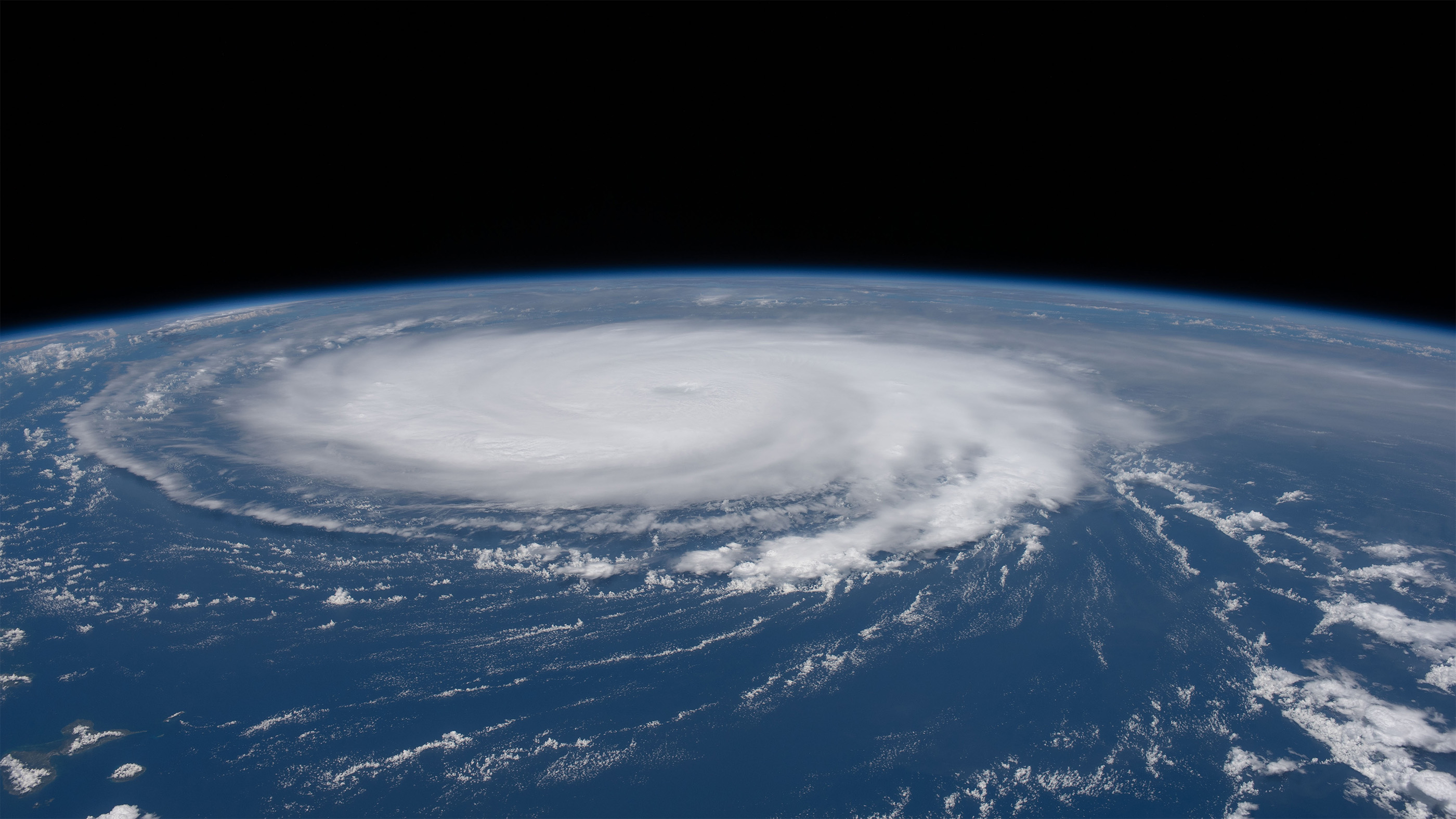
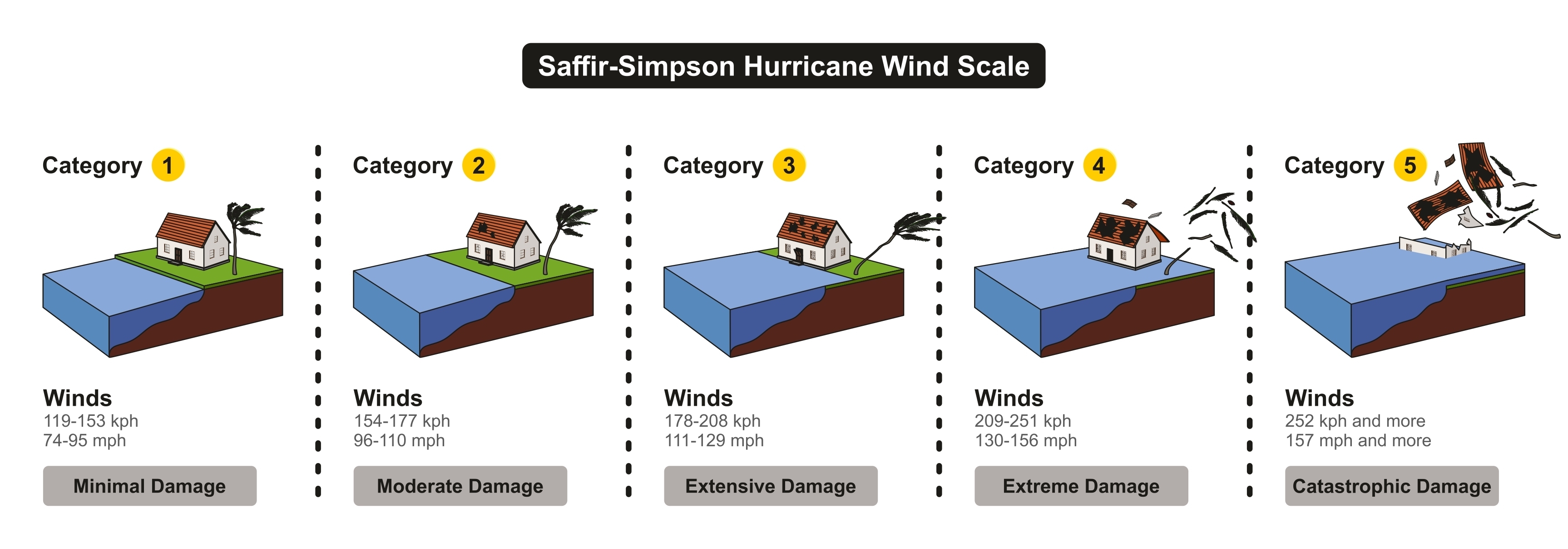
A category 6 hurricane is not possible under the current Saffir-Simpson Hurricane Wind Scale. The scale is intentionally capped at Category 5, which encompasses all tropical cyclones with sustained winds of 157 mph (137 knots, 252 km/h) or higher. Because this category represents the threshold for "catastrophic" damage where further wind speed increases do not meaningfully change the classification of potential structural destruction, the scale remains closed-ended.
The Origin and Structure of the Saffir-Simpson Scale
The Saffir-Simpson Hurricane Wind Scale, developed in the early 1970s by civil engineer Herbert Saffir and meteorologist Robert Simpson, was designed to provide a concise, communicable estimate of the potential property damage a tropical cyclone could inflict. It is exclusively a wind-based scale; it does not account for storm surge, rainfall, or tornado activity, which are often the deadliest components of a hurricane.
The scale categorizes storms from Category 1 through Category 5. The primary purpose of this stratification is to help emergency managers and the general public understand the wind-related risks to infrastructure. By the time a storm reaches Category 5, the destructive potential to buildings, roofs, and vegetation is so extreme that the distinction between, for example, a 160 mph storm and a 190 mph storm is functionally irrelevant for building code enforcement or evacuation planning. Both represent a total failure of standard residential construction and significant damage to even the most hardened industrial infrastructure.
Why the Scale Remains Capped
There is frequent public and media speculation regarding the introduction of a "Category 6" to describe storms with wind speeds exceeding 180 or 200 mph. However, the National Hurricane Center (NHC) and the World Meteorological Organization (WMO) have consistently resisted expanding the scale. This resistance is grounded in three core arguments: scientific, operational, and psychological.
1. The Diminishing Returns of Wind Damage
From an engineering perspective, the difference in structural damage caused by a 160 mph wind versus a 190 mph wind is marginal. Most engineered structures, even those built to strict modern hurricane codes, face catastrophic failure or structural compromise long before reaching 157 mph. Adding a higher category implies that there is a level of preparation or a different "type" of evacuation required for a Category 6 that does not exist for a Category 5. In reality, the protective measures—such as evacuation or sheltering in a wind-rated hardened structure—are identical for any storm at the top of the current scale.
2. The Danger of Misleading the Public
The psychological impact of a hurricane category is significant. If meteorologists were to introduce a Category 6, there is a risk that the public would perceive a Category 4 or Category 5 storm as "lesser" or manageable. This "category creep" could lead to a false sense of security. Research in behavioral meteorology suggests that when a scale is expanded, the perception of risk for lower categories is often inadvertently downgraded, which can discourage necessary evacuations.
3. Complexity of Measuring Sustained Winds
Measuring the exact, sustained wind speed of a hurricane is a complex task involving satellite imagery, dropsondes from reconnaissance aircraft, and radar. These measurements inherently carry a margin of error. Creating a "Category 6" would require a level of precision in wind measurement that is often impossible to guarantee during the chaotic environment of an active eye wall, where localized gusts may far exceed the sustained average.
Comparing Storm Intensities Under the Current Framework
While the scale stops at 5, it is important to understand that not all Category 5 hurricanes are identical. Meteorologists use additional metrics to describe the intensity and size of a storm, which provide more nuance than the Saffir-Simpson label alone.
| Metric | Purpose | Relationship to Category |
|---|---|---|
| Sustained Wind Speed | Defines the Category 1–5 level. | The sole basis for the Saffir-Simpson scale. |
| Minimum Central Pressure | Indicates the depth of the storm and general energy. | Generally lower pressure correlates with higher wind. |
| Storm Surge Potential | Measures the rise in sea level. | Independent of wind; often the most lethal factor. |
| Integrated Kinetic Energy | Measures the total destructive power across the storm's area. | Higher for larger, wide-reaching storms. |
It is a common misconception that a "stronger" Category 5 is somehow a candidate for a higher category. Instead, meteorologists characterize these events by discussing their physical attributes—such as the diameter of the wind field or the expected surge height—rather than appending a new category number.
The Role of Infrastructure and Building Codes
The focus on a "Category 6" often obscures the real issue: the vulnerability of the built environment. Building codes, particularly in the United States and the Caribbean, are generally designed to withstand wind loads associated with the upper end of the scale, but they are rarely designed to be "hurricane-proof."
A building that sustains minor damage in a Category 2 storm might be completely destroyed in a Category 5 storm. The introduction of a hypothetical Category 6 would not necessitate a shift in building codes because the current codes already reach the practical limit of what can be expected from cost-effective construction techniques. The priority remains on improving flood mitigation, elevating structures against storm surge, and hardening power grids rather than redefining wind classifications.
Misconceptions About Future Climate Trends
Since 2020, as ocean surface temperatures have reached record highs, the intensity of tropical cyclones has become a subject of intense scientific scrutiny. Data from the NHC and the Intergovernmental Panel on Climate Change (IPCC) indicate that while the total number of tropical cyclones may not necessarily increase, the proportion of storms reaching higher intensities is projected to rise.
This leads to the recurring question: if we see more "extreme" Category 5 storms, do we need a new category? Experts argue that we do not. The current definition of Category 5 (157 mph+) is an "open-ended" ceiling. A storm with 200 mph winds is simply a very strong Category 5. The data is accurately captured; it is only the nomenclature that remains unchanged. The label "Category 5" serves its purpose as a signal for the highest level of threat, triggering the maximum tier of emergency response, insurance assessment, and public readiness.
Emergency Response and Preparedness
For residents in hurricane-prone zones, focusing on the categorical label can be a mistake. Emergency managers emphasize that residents should make decisions based on the impacts rather than the category.
- Evacuation Zones: These are determined by elevation and proximity to the coast, specifically regarding the threat of storm surge. A Category 2 hurricane can produce a life-threatening surge that is far worse than a Category 5 storm that remains out at sea.
- Construction Standards: Understanding your home's wind rating is more useful than knowing a storm's category. If your roof is not properly strapped to the walls, a Category 1 storm can cause significant damage regardless of the "Category 5" designation.
- Preparedness Kits: Readiness does not vary by category. The supplies required for a safe evacuation or sheltering in place remain constant throughout the season.
Frequently Asked Questions
Does the National Hurricane Center have plans to introduce a Category 6? No. The National Hurricane Center and the World Meteorological Organization maintain the current scale because Category 5 is already intended to represent the maximum level of wind-related destruction. Adding a higher category would not provide additional actionable information for public safety.
Is it possible for a hurricane to be "worse" than a Category 5? Yes. A Category 5 hurricane is defined by wind speeds, but two Category 5 storms can have vastly different impacts. A larger, slower-moving storm with a massive wind field and high storm surge will be far more destructive than a small, fast-moving, "pinhole" Category 5 storm.
Why don't they rename the scale based on pressure instead of wind? Wind speed is the most immediate threat to human life and structure during the passage of a storm's eye wall. Pressure is an excellent indicator of storm intensity for meteorologists, but it is less intuitive for the public. The Saffir-Simpson scale is designed for communication to non-experts, making wind speed the most effective metric.
If the wind reaches 200 mph, how should we refer to that storm? You should refer to it as a "strong Category 5 hurricane." Adding the wind speed measurement (e.g., "a Category 5 hurricane with 200 mph winds") is the standard, accurate way to convey the extreme nature of the event without needing a new, unofficial, or confusing category label.
Does a Category 5 storm always mean complete destruction? Not necessarily. The level of destruction depends on the building quality, the duration of the wind, and the local geography. However, the Saffir-Simpson scale is calibrated to reflect that at 157+ mph, the potential for catastrophic, widespread structural failure is imminent.
Next Steps for Hurricane Awareness
If you reside in a region prone to tropical cyclones, the most effective action you can take is to move beyond the "category" mindset. Instead, prioritize learning your local evacuation route, understanding your property's specific vulnerability to storm surge, and ensuring your insurance policy covers the full range of potential damage.
Stay informed through the official bulletins provided by the National Hurricane Center. When a storm is approaching, do not wait to see if it is classified as a "higher" category. If local officials issue evacuation orders for your zone, comply immediately, regardless of the storm's current wind classification. The category provides a baseline for wind, but it does not account for the total, multi-hazard threat to your safety.