Arizona State University (ASU) provides a robust infrastructure for career development, ensuring that students and alumni have access to professional resume assistance through centralized Career Services departments. Whether you are an undergraduate crafting your first CV, a graduate student targeting specialized industry roles, or an alumnus pivoting to a new career path, the university offers diverse resources including personalized critiques, workshops, and digital platforms to optimize your professional documentation.
Understanding the Career Services Framework at ASU
At Arizona State University, resume support is not a one-size-fits-all service. It is delivered through a decentralized model that allows individual colleges and campuses to provide industry-specific guidance while maintaining a unified, university-wide standard for career readiness. The primary gateway for this support is the "Handshake" platform, which acts as the digital hub for career coaching, job postings, and document review.
ASU Career Services emphasizes that a resume is a dynamic document that must be tailored to specific roles, industries, and experience levels. By integrating with specialized colleges—such as the W. P. Carey School of Business or the Ira A. Fulton Schools of Engineering—the university ensures that students receive feedback that aligns with the hiring standards and formatting preferences typical of their chosen professional fields.
Accessing Personalized Resume Reviews
The most effective way to secure resume help is by scheduling a one-on-one appointment with a career coach. These sessions are designed to move beyond basic grammar checks; they focus on strategic content development, quantifying achievements, and optimizing for Applicant Tracking Systems (ATS).
- Log in to Handshake: Use your ASURITE credentials to access the Handshake portal. This is the official system used by ASU for connecting students to recruiters and internal career resources.
- Navigation to Appointments: Select the "Career Center" tab, then click on "Appointments." From there, you can choose a category such as "Resume/Cover Letter Review" to view available time slots.
- Preparation: Before your session, upload your draft to Handshake or have a digital copy ready. Being prepared allows your coach to focus on higher-level critiques, such as the strength of your bullet points and the alignment of your skills with your target career goals.
- Specialization: If you are a graduate student or enrolled in a specific program, look for coaches designated within your college. These experts often have a deeper understanding of the unique requirements, such as including research experience, publications, or clinical rotations, which are critical for academic or technical resumes.
Leveraging Digital Tools and Resources
For those who prefer self-paced learning or need immediate adjustments outside of office hours, ASU provides several high-quality digital resources. These tools are designed to teach the fundamentals of resume construction, which are then refined through professional coaching.
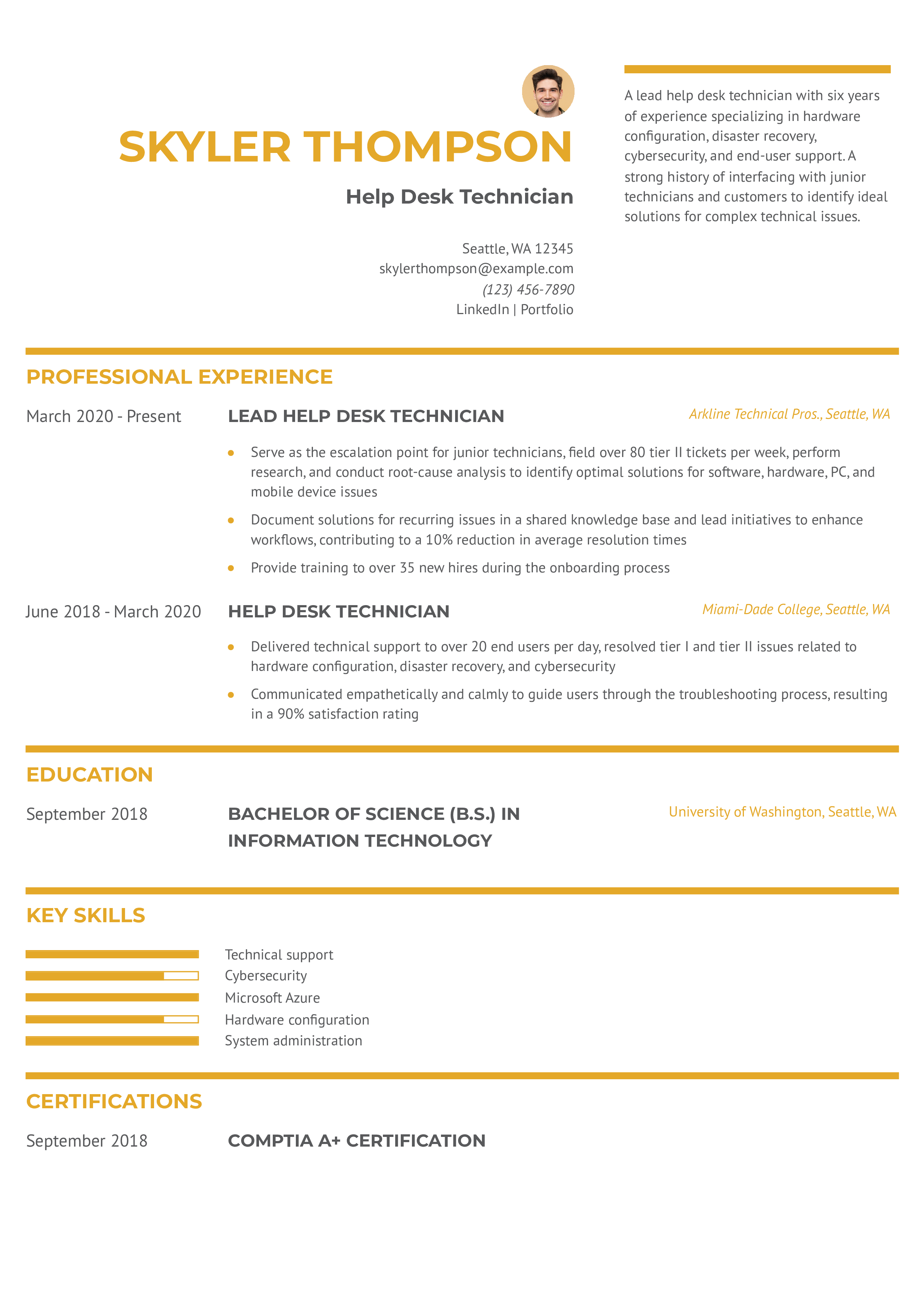
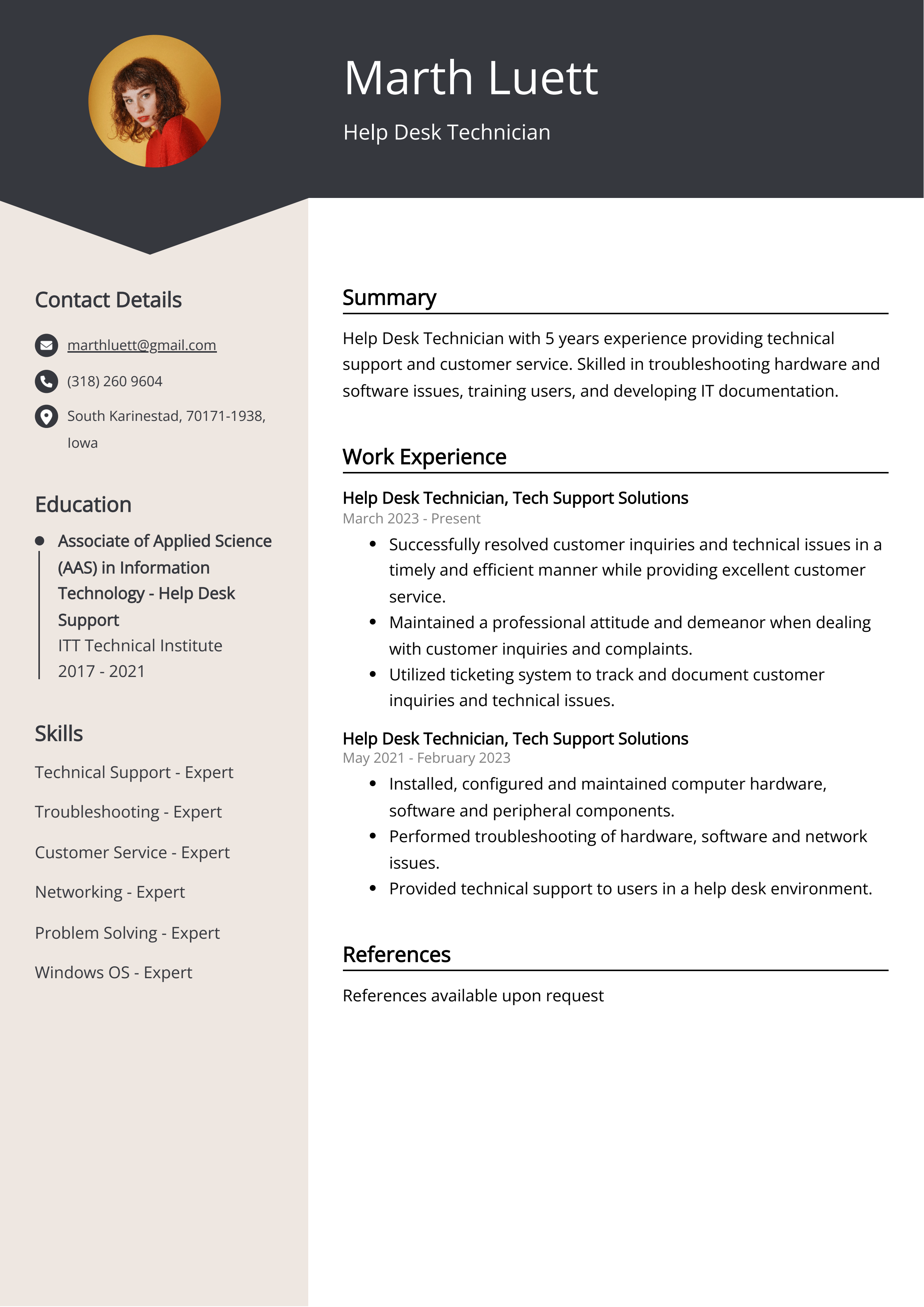
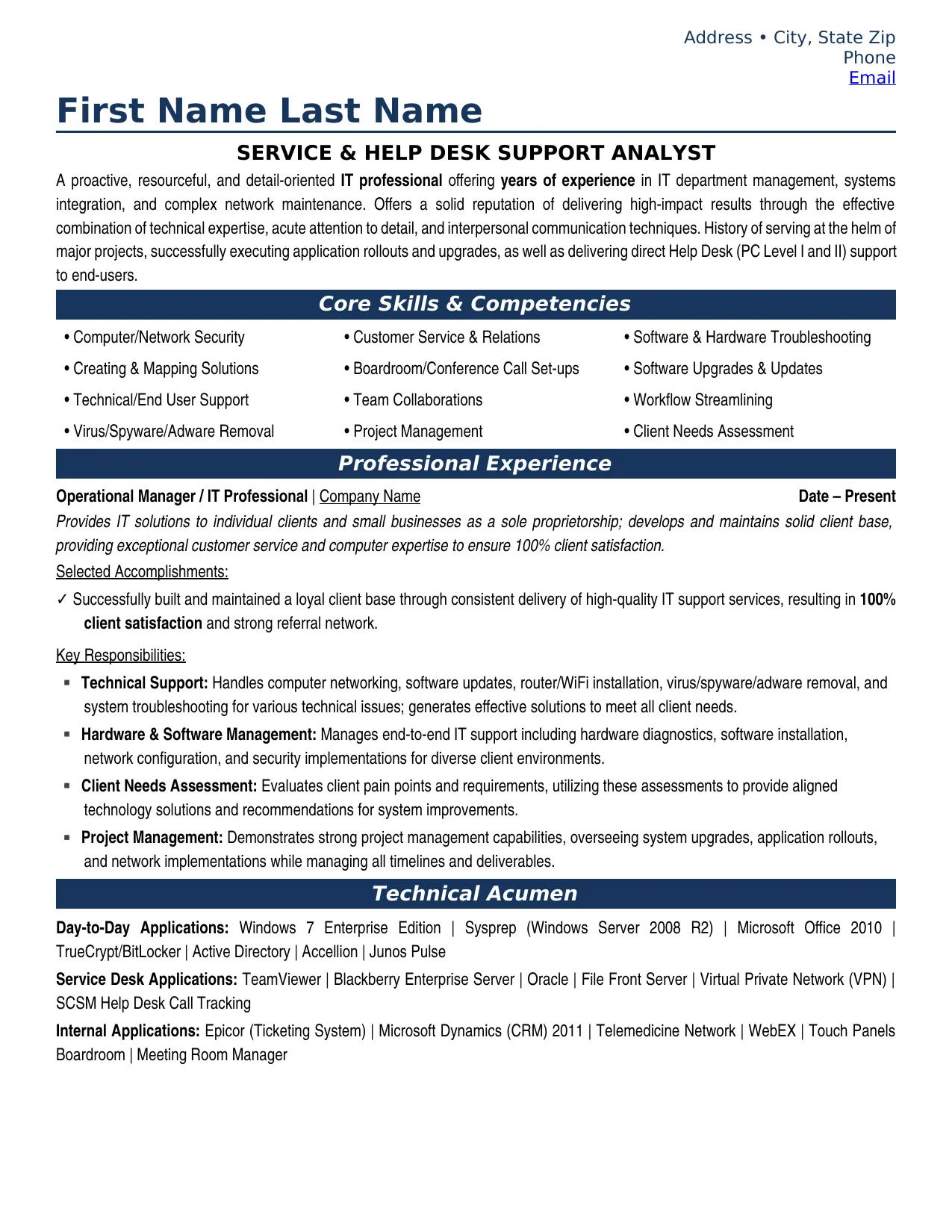
- Big Interview and Resume Templates: ASU provides access to platforms that offer industry-specific templates. These templates are pre-formatted to ensure readability by ATS software—programs used by recruiters to filter out resumes that do not meet specific keyword or formatting criteria.
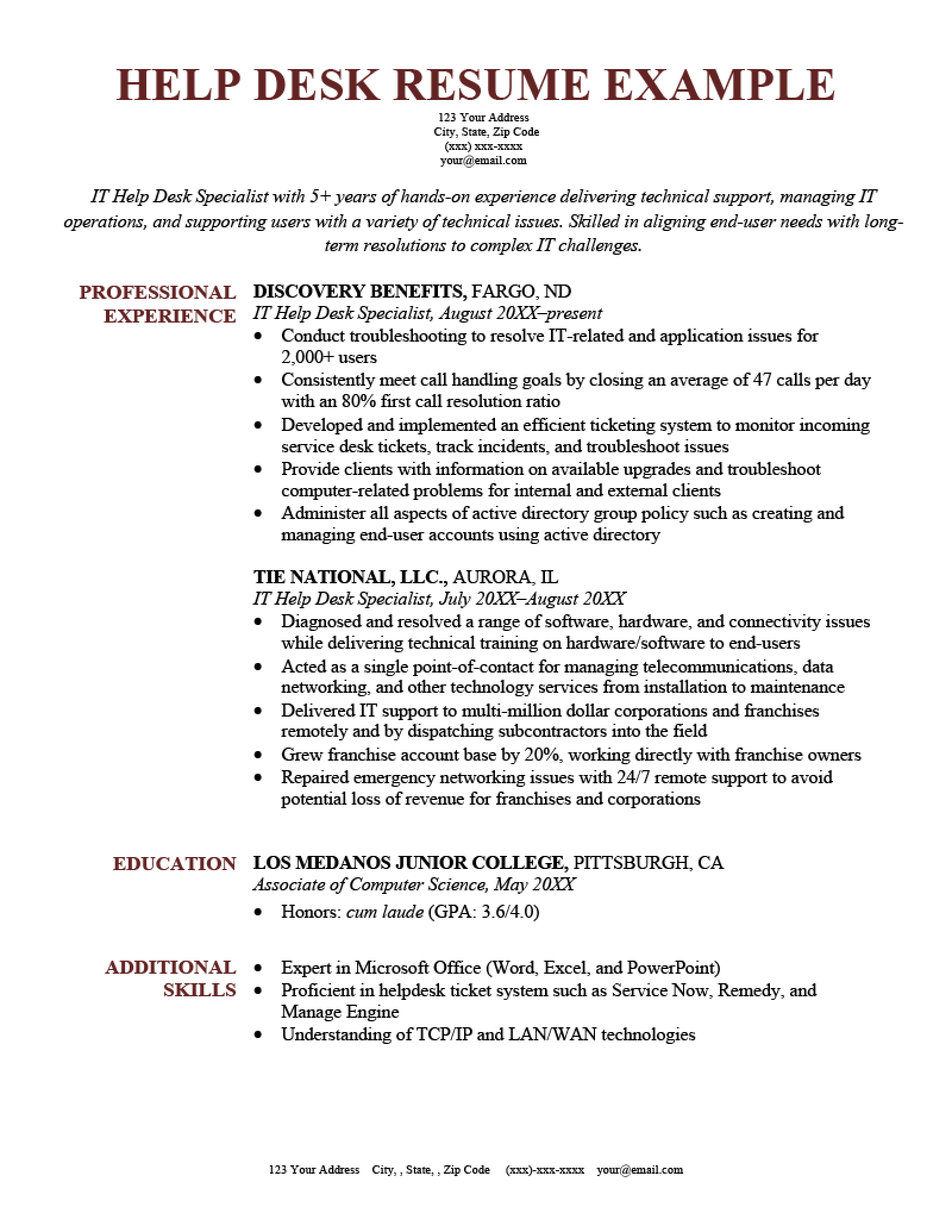
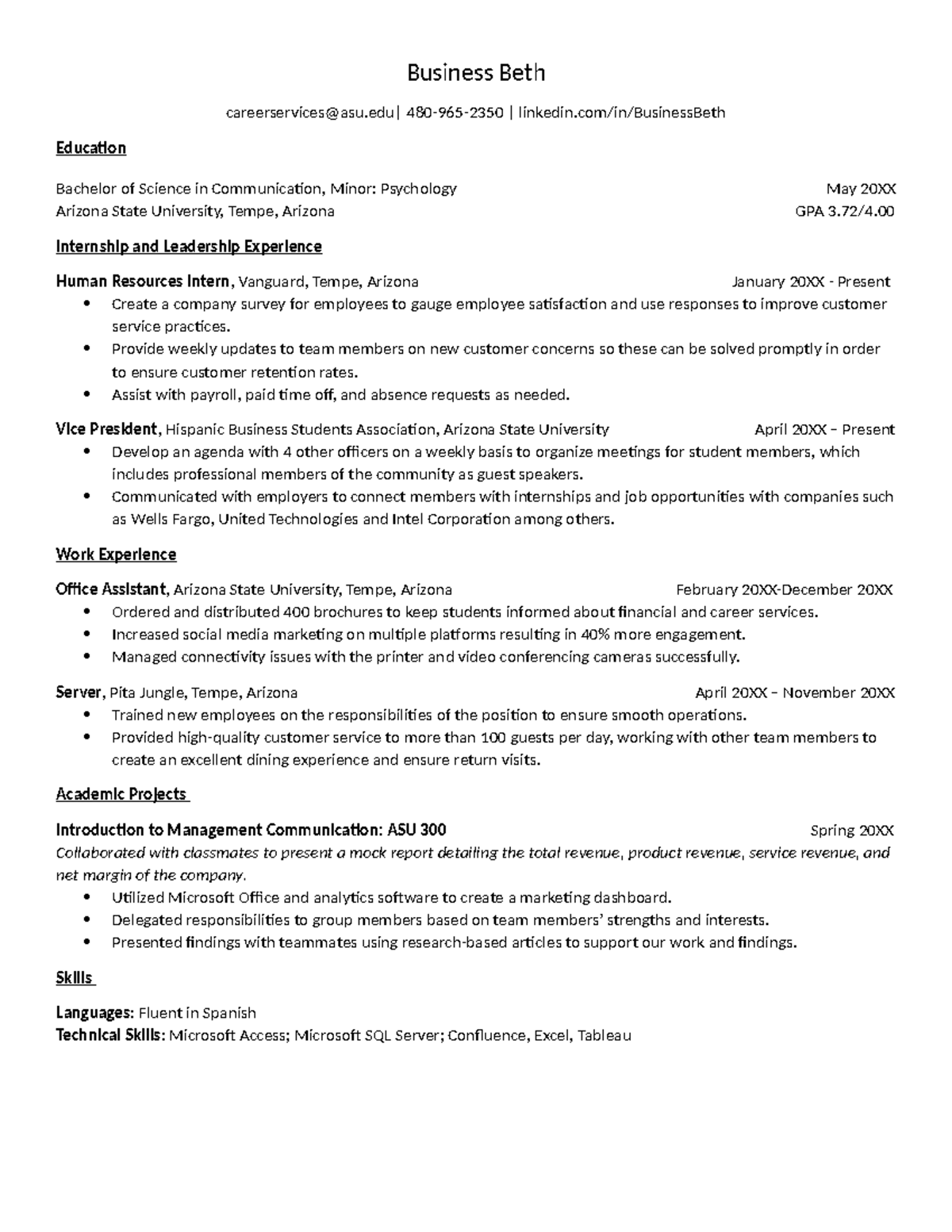
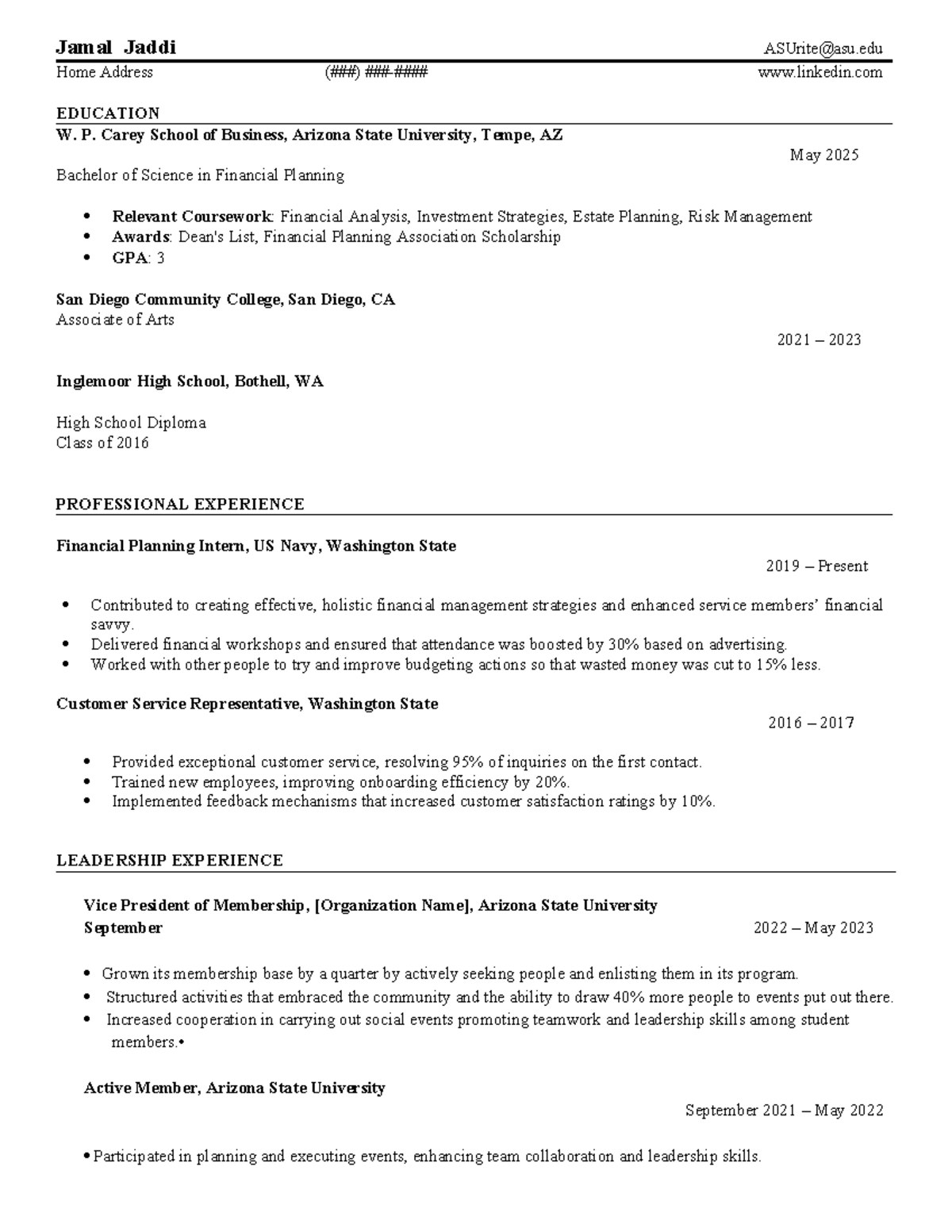
- Career Guidebooks: The university publishes annual career guidebooks available as digital downloads. These guides contain annotated resume examples, lists of action verbs, and advice on how to structure a resume when you lack formal work experience.
- Virtual Workshops: Throughout the academic year, Career Services hosts webinars covering the "ABCs" of resume building, including how to handle gaps in employment, how to convert a CV into a resume, and how to write compelling objective statements or professional summaries.
Strategic Resume Best Practices for ASU Students
To maximize the impact of your resume, it is essential to align your content with the professional standards prioritized at ASU. Expert coaches generally advocate for a results-oriented approach rather than a task-oriented one.
The Power of Quantification
One of the most common pieces of feedback provided by ASU career coaches is the need to move from describing responsibilities to detailing achievements. For example, rather than writing "Managed a team," a student is encouraged to write "Led a team of five in a project that increased operational efficiency by 15% over six months." Quantification provides concrete evidence of your competence to recruiters.
Tailoring to Industry Norms
The structure of your resume depends heavily on your field. The following table illustrates how focus areas shift based on academic and professional objectives:
| Feature | Engineering/STEM Focus | Business/Management Focus | Arts/Humanities Focus |
|---|---|---|---|
| Primary Focus | Technical projects & tools | Metrics & leadership impact | Portfolio & project narratives |
| Formatting | Clean, skill-heavy layout | Professional, standard fonts | Creative yet readable design |
| Keywords | Software, coding, labs | Strategy, revenue, growth | Soft skills, research, outreach |
| Length | Often 1–2 pages | Strictly 1 page (usually) | Variable (up to 2 pages) |
Common Mistakes and How to Troubleshoot Them
Even with access to high-quality resources, many students repeat common errors that can diminish their chances of landing an interview. Troubleshooting these issues is a key part of the resume review process.
- Inconsistent Formatting: A document with varying font sizes, irregular bullet point styles, or inconsistent date formats looks unprofessional and makes it difficult for recruiters to scan. Always use a consistent hierarchy for headings and subheadings.
- Overloading with Irrelevant Information: A resume is a marketing document, not a biography. If you are applying for a software engineering internship, your high school extracurricular activities are likely no longer relevant. Focus on the last 3–5 years of experience.
- Ignoring ATS Optimization: Many resumes are rejected before a human even sees them because they contain graphics, images, or columns that the ATS software cannot read. Stick to a standard layout: header, summary, education, experience, and technical skills.
- Failure to Use Action Verbs: Passive language like "responsible for" or "duties included" weakens your impact. Start every bullet point with strong, active verbs like Spearheaded, Engineered, Analyzed, or Facilitated.
Career Services for Alumni
ASU recognizes that career development is a lifelong process. Alumni retain access to many of these resources long after graduation. The ASU Alumni Association often partners with Career Services to offer networking events, resume review days, and mentorship opportunities that connect experienced professionals with those currently on the job market. Leveraging the "Sun Devil" network is an often-overlooked aspect of resume help; getting a peer review from an alumnus in your target industry can provide insights that formal services might miss.
Frequently Asked Questions
1. Is resume help available for remote or online students? Yes. ASU provides virtual appointments via Zoom or Microsoft Teams for all students, including those in the ASU Online program. You can book these sessions through the same Handshake portal as on-campus students.
2. Can I get my resume reviewed if I have already graduated? ASU alumni have continued access to career resources. You should check the Alumni Career Services page to ensure your account is properly linked to your status as a graduate, as this may grant you access to specialized job boards and alumni-only networking groups.
3. What should I do if my industry requires a CV instead of a resume? A Curriculum Vitae (CV) is standard for academic and research-based roles. ASU’s coaches are trained to distinguish between the two. When scheduling your appointment, specify that you are working on a CV so you are paired with a coach familiar with academic standards, such as listing publications and grant funding.
4. How early should I start working on my resume? It is recommended that you begin building your resume during your freshman year. Establishing a "master document" early allows you to record achievements, clubs, and projects as they happen, preventing the stress of trying to remember details years later.
5. Does ASU provide help with LinkedIn profiles as part of resume help? Most career coaches at ASU treat LinkedIn profile reviews as an extension of resume help. Since your LinkedIn profile and resume should reflect the same professional brand, it is common to address both in a single coaching session.
Final Recommendation
To receive the most effective assistance, do not wait until you are ready to apply for a specific job to seek help. Treat your resume as a living document that requires regular maintenance. Start by creating your profile in the Handshake portal and utilizing the provided templates to establish a professional foundation. Once you have a draft, schedule a 30-minute consultation with a career coach in your specific college. By combining the technical advice of a professional coach with the structural guidance found in university-provided templates, you will be well-positioned to present your credentials effectively to potential employers.