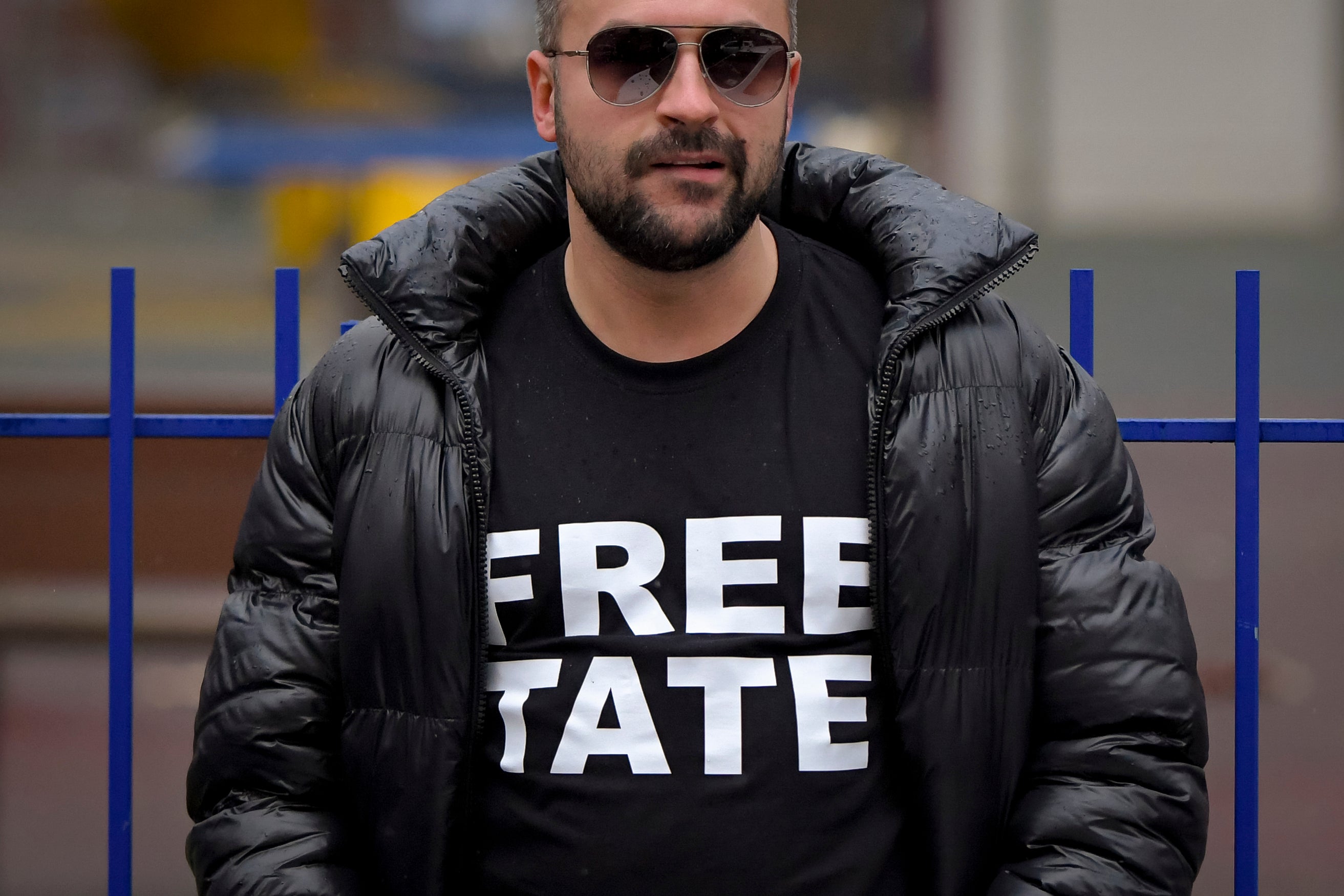
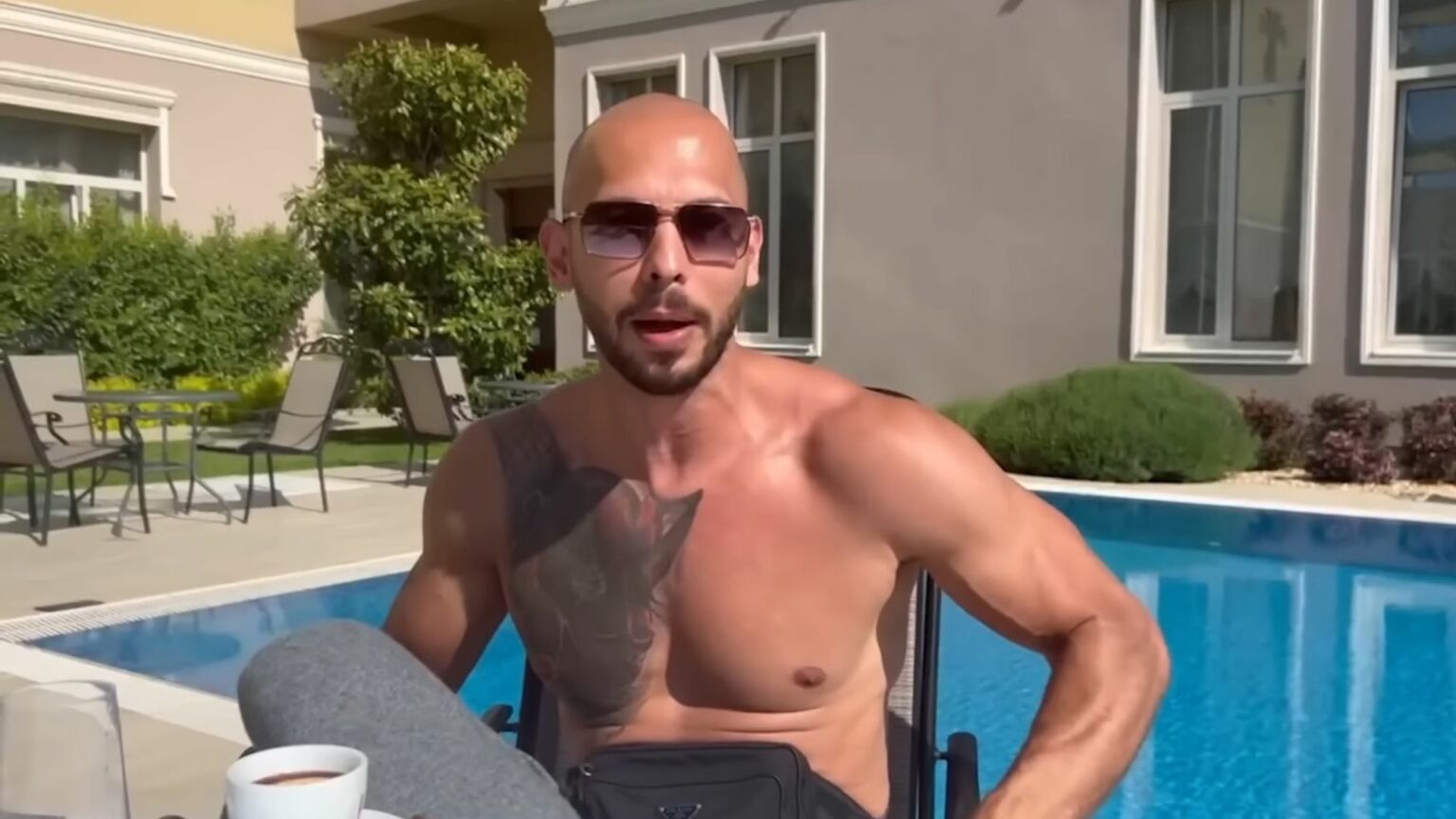
Since his release from house arrest in August 2023, Andrew Tate has remained under judicial control while facing trial in Romania for human trafficking and organized crime. As of 2026, the legal debate continues to center on the validity of the prosecution's evidence, the potential for UK extradition, and Tate’s polarizing influence on global social discourse.
The case of Andrew Tate and his brother, Tristan, has evolved from a viral news story into a complex legal marathon. What began with a highly publicized raid in December 2022 has transformed into a landmark case involving international law, digital influence, and the nuances of the Romanian judicial system. To understand why the debate remains as heated today as it was years ago, one must examine the specific legal mechanisms that have allowed the Tates to remain "free" within certain boundaries while still facing severe criminal charges.
The Timeline of Detention: From Jail to Judicial Control
The journey of the Tate brothers through the Romanian legal system is characterized by shifting levels of restriction. Following their arrest in late 2022, they spent several months in preventative custody at a Bucharest detention center. This period was marked by numerous unsuccessful appeals for release, as judges cited the risk of them fleeing the country or influencing witnesses.
In March 2023, a breakthrough for the defense occurred when the Bucharest Court of Appeal overturned the decision to keep them in jail, moving them instead to house arrest. This was the first major step toward the current state of "freedom" they experience. By August 2023, the house arrest restriction was lifted and replaced with judicial control.
Judicial control is a specific legal status in Romania that allows defendants to move freely within certain geographic limits (initially the Bucharest municipality and Ilfov County, later expanded to all of Romania) provided they adhere to strict conditions. These conditions typically include:
- Reporting to the police on a set schedule.
- Prohibitions on contacting alleged victims or witnesses.
- Surrendering travel documents.
- Notifying authorities of any change of residence.
While Andrew Tate is "freed" in the sense that he is no longer behind bars or confined to his villa, the "ongoing debate" thrives because the underlying criminal trial—involving charges of human trafficking, rape, and forming an organized crime group—has not yet reached a final verdict.
The Core Legal Charges and the Prosecution's Case
The Romanian Directorate for Investigating Organized Crime and Terrorism (DIICOT) has centered its case on the "Loverboy" method. This recruitment tactic involves men luring women by professing romantic interest and promising long-term relationships, only to later coerce them into producing adult content for financial gain.
As of 2026, the prosecution maintains that the Tates and two Romanian associates operated a structured criminal organization. The evidence submitted to the court includes:
- Digital Communications: Transcripts of messages allegedly showing the coordination of victim movement and the distribution of earnings.
- Witness and Victim Testimony: Statements from several women who claim they were misled, intimidated, or physically restrained.
- Financial Records: Documentation tracking the flow of money from adult content platforms to accounts controlled by the Tate organization.
The defense, conversely, argues that the relationships were consensual and that the "victims" were seeking fame or financial benefit. They have frequently pointed to social media videos and messages which they claim show the women were not under duress. This evidentiary tug-of-war is the primary reason the trial has moved slowly through the preliminary chamber and into the merit stages of the Romanian court system.
The UK Extradition Factor
Adding a significant layer of complexity to the debate is the involvement of British authorities. In March 2024, the Bucharest Court of Appeal approved a request from the UK to extradite Andrew and Tristan Tate. This request stemmed from warrants issued by the Bedfordshire Police regarding allegations of sexual assault and human trafficking occurring between 2012 and 2015.
However, the "freed" status of the Tates in Romania came with a crucial caveat: the Romanian court ruled that the extradition would only take place after the conclusion of the Romanian trial. This means that even if the Tates are acquitted in Romania, they face immediate transport to the UK to answer to older allegations. If they are convicted in Romania, they must serve their sentence there before being extradited.
This "delayed extradition" has become a focal point of the ongoing debate. Supporters of the Tates view the UK's intervention as a secondary attempt by "the Matrix" to silence them, while critics see it as evidence of a long-standing pattern of alleged predatory behavior that spans multiple jurisdictions.
The Social Media Narrative: "The Matrix" vs. Public Safety
The debate surrounding Andrew Tate is not confined to the courtroom; it is a cultural phenomenon. Tate’s branding of his legal troubles as a targeted attack by a shadowy "Matrix" of global elites has resonated with millions of young men. This narrative suggests that his arrest was not a result of criminal activity, but rather an attempt to suppress his "uncomfortable truths" about masculinity and financial independence.
The Impact on the "Manosphere"
Tate’s influence has fundamentally altered the landscape of the "manosphere"—an online subculture focused on masculinity. Despite being banned from major platforms like Meta (Facebook/Instagram) and YouTube at various points, his presence on X (formerly Twitter) and Rumble has allowed him to maintain a massive audience.
- Positive Interpretation: Supporters argue he provides a necessary wake-up call for men to become disciplined, physically fit, and financially successful.
- Negative Interpretation: Educators and psychologists have expressed concern over the "Tate Effect" in schools, noting an increase in misogynistic rhetoric and a decline in respect for female authority figures among young male students.
Comparison of Legal Status and Jurisdictional Issues
The following table outlines the current legal standing of the cases against Andrew Tate as they stand in the 2024–2026 window.
| Feature | Romanian Case (DIICOT) | UK Case (Bedfordshire) |
|---|---|---|
| Primary Charges | Human Trafficking, Rape, Organized Crime | Sexual Assault, Human Trafficking |
| Current Status | Ongoing Trial / Judicial Control | Extradition Approved (Post-Trial) |
| Max Potential Penalty | Up to 10+ years imprisonment | Varies by specific assault charge |
| Evidence Basis | Digital logs, Witness testimony (2021-22) | Allegations from 2012-2015 |
| Travel Restrictions | Cannot leave Romania without permission | N/A (Pending Extradition) |
| Defense Strategy | Denial of coercion; "Consensual" claims | Claims of expired statutes & false claims |
Analyzing the "Ongoing Debate" over Evidence
The debate often hinges on the distinction between "illegal" and "immoral." Many of Tate’s critics argue that even if a specific instance of coercion cannot be proven beyond a reasonable doubt in a Romanian court, the systemic exploitation of women for profit is evident. Proponents, however, emphasize the "presumption of innocence," arguing that the Tates have been "freed" from jail precisely because the prosecution’s case is weaker than initially presented.
A major point of contention has been the credibility of the witnesses. In late 2024 and throughout 2025, various reports emerged regarding the withdrawal or clarification of statements by certain women involved in the case. While the defense frames these as admissions of false accusations, the prosecution argues they are the result of witness tampering or the "Stockholm Syndrome" often seen in trafficking cases. This procedural friction ensures that the "debate" remains active in both legal circles and public forums.
Frequently Asked Questions
Why was Andrew Tate released from house arrest?
The Romanian courts determined that the necessity of house arrest had passed and that the "preventative measures" could be downgraded to judicial control. This decision was based on the court's assessment that the Tates were no longer a flight risk and that the investigation had reached a stage where they could no longer easily interfere with evidence. However, they are still forbidden from leaving the country without judicial approval.
Can Andrew Tate travel outside of Romania?
Generally, no. Under the terms of his judicial control, his travel is restricted to the borders of Romania. While he has petitioned the court on multiple occasions to travel within the European Union for "business purposes" or family emergencies, these requests are handled on a case-by-case basis. As of 2026, he remains primarily confined to Romanian territory awaiting the finality of his trial.
What is the "Loverboy" method mentioned in the trial?
The "Loverboy" method is a recognized recruitment technique used by human traffickers. It involves a perpetrator feigning romantic love for a victim to create a psychological bond and a sense of debt. Once the victim is emotionally dependent, the trafficker transition into an exploitative role, often forcing or manipulating the victim into sex work or the production of pornography.
When will the final verdict be reached?
The Romanian legal system is known for its lengthy "preliminary chamber" phase, where the legality of the evidence is debated before the actual trial on the merits begins. Given the volume of digital evidence and the number of witnesses, a final verdict—including potential appeals—is expected to extend through late 2026 or 2027.
Does Andrew Tate still have access to his seized assets?
In 2024, a Romanian court ruled that the seizure of some of Tate's assets, including luxury cars and property, must be re-evaluated. While some assets were returned to his possession, many remain frozen or under state control to ensure that, in the event of a conviction, funds are available for victim reparations and state fines.
Practical Next Steps for Following the Case
For those looking to stay informed on the "Andrew Tate freed" narrative and the ensuing legal battles, it is essential to look beyond social media soundbites.
- Monitor Official Court Bulletins: The Bucharest Court of Appeal periodically releases summaries of decisions regarding "masuri preventive" (preventative measures).
- Distinguish Between Jurisdictions: Remember that news about the UK extradition is separate from the day-to-day developments of the Romanian trial.
- Verify Source Credibility: Given the intense polarization of this topic, prioritize reports from established investigative journalists who have access to court documents, rather than relying on commentary from "Matrix" or "Anti-Tate" influencers.
- Understand the Legal Process: Familiarize yourself with the "Preliminary Chamber" phase of Romanian law, as this is where most of the current delays and technical "freedom" rulings occur.
The "ongoing debate" is unlikely to resolve until a final, unappealable verdict is reached in both Romania and the United Kingdom. Until then, Andrew Tate’s status as a "free man" remains conditional, and his influence continues to serve as a litmus test for modern views on law, gender, and the power of digital platforms.