As of 2026, the term "almost extinct fish" refers primarily to species categorized as Critically Endangered or Extinct in the Wild by the IUCN Red List. These species, such as the Devil's Hole Pupfish and the Red Handfish, often consist of fewer than 100 remaining individuals, surviving in isolated habitats or specialized captive breeding programs designed to prevent total biological erasure.
Understanding the Crisis of Aquatic Biodiversity
The state of global ichthyology in 2026 is marked by a stark contrast between successful conservation breakthroughs and the accelerating pressure of climate change. When we discuss fish on the brink of extinction, we are looking at a subset of vertebrates that face unique challenges compared to terrestrial animals. Because their habitats are often obscured from human view, the decline of a fish species can go unnoticed until the population reaches a critical tipping point.
The classification of "almost extinct" is not merely a descriptive phrase but a technical status. The International Union for Conservation of Nature (IUCN) utilizes specific criteria to determine if a fish is Critically Endangered (CR). These include a population reduction of more than 90% over ten years, a geographic range of less than 100 square kilometers, or a total population size of fewer than 50 mature individuals. In 2026, many species that were once common have slipped into these categories due to the cumulative effects of damming, pollution, and the warming of the "benthic" or bottom-dwelling zones of the world's oceans and rivers.
Freshwater environments are particularly vulnerable. While they cover less than 1% of the Earth's surface, they provide a home to nearly half of all known fish species. The fragmentation of river systems by industrial infrastructure has created "islands" of water where fish are trapped, unable to migrate for spawning or to escape localized environmental disasters. This isolation is the primary driver behind the "almost extinct" status of many endemic species.
The Devil’s Hole Pupfish: Survival in a Single Limestone Cavern
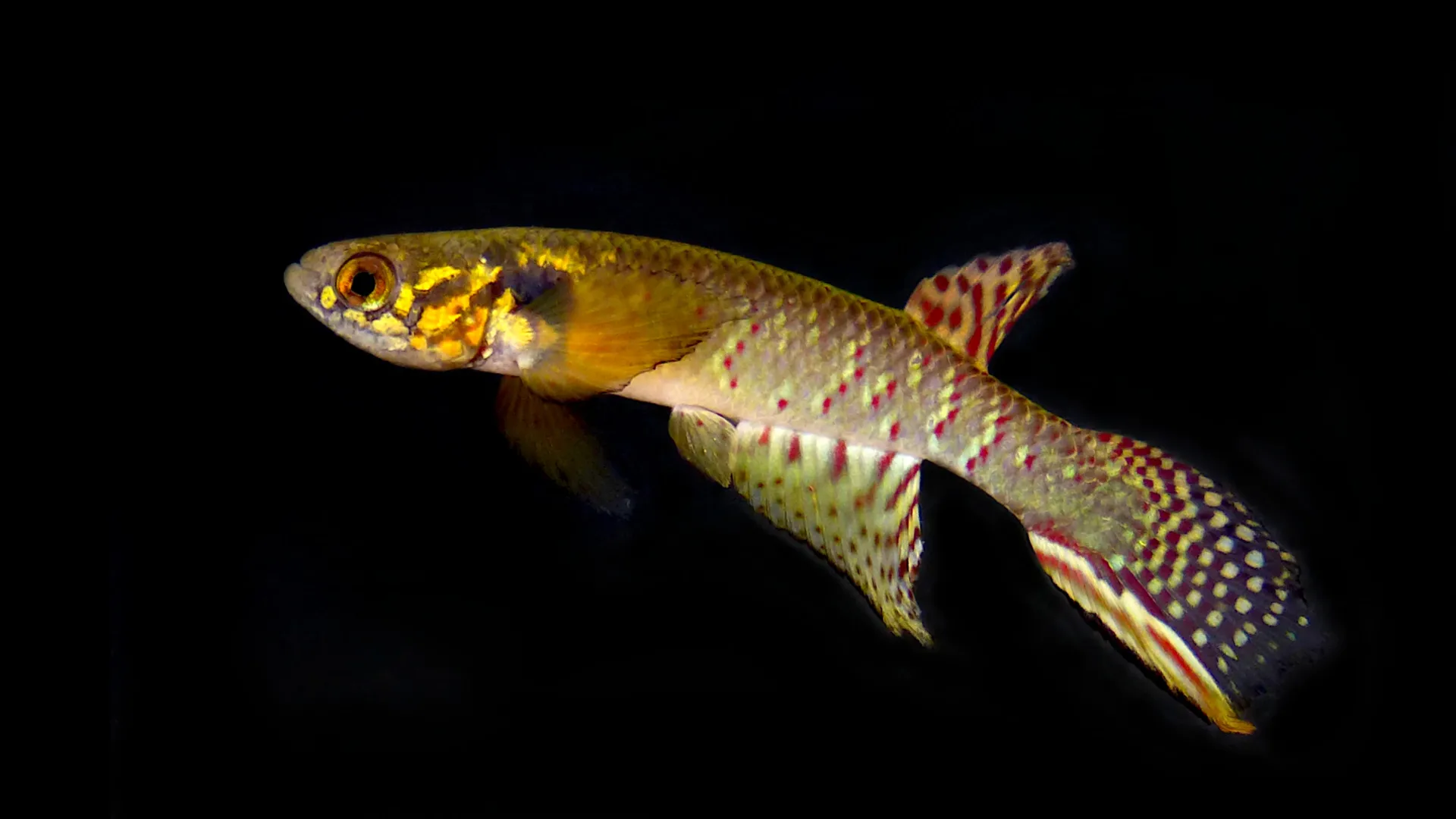
One of the most famous examples of a fish living on the absolute edge of existence is the Devil’s Hole Pupfish (Cyprinodon diabolis). Located within the Ash Meadows National Wildlife Refuge in Nevada, this species occupies the smallest known range of any vertebrate on Earth. Their entire natural habitat is a single limestone cavern’s water-filled opening, which measures roughly 20 meters long and 3 meters wide.
As of the latest 2026 population counts, the Devil’s Hole Pupfish remains in a precarious state. For decades, their numbers fluctuated wildly, at one point dropping to fewer than 40 individuals. The primary threat to this species is its extreme specialization. They have evolved to survive in water that is consistently 93°F (34°C) with very low dissolved oxygen levels. While this makes them evolutionary marvels, it also means they have zero margin for error regarding environmental changes.
Conservationists have utilized high-tech monitoring and supplemental feeding to stabilize the population. However, the pupfish remains "almost extinct" because a single earthquake—which can cause "mini-tsunamis" in the deep cavern—or a brief chemical imbalance in the water could wipe out the entire species in hours. This species serves as a "canary in the coal mine" for groundwater health in the American Southwest.
The Red Handfish: A Walking Fish on the Brink
In the cool temperate waters off the coast of Tasmania, the Red Handfish (Thymichthys politus) represents a different kind of extinction risk. Unlike most fish that swim, the handfish uses its pectoral fins to "walk" along the seafloor. This unique method of locomotion makes them incredibly slow and limits their ability to disperse to new habitats if their current home becomes degraded.
In 2026, the Red Handfish is considered one of the rarest fish in the world. Its population is estimated to be split between a few small reef sites, with total numbers likely under 100 mature individuals. The decline of the Red Handfish is directly linked to the loss of underwater forests. Overgrazing by sea urchins—whose populations have boomed due to warming waters and the loss of natural predators—has stripped the seafloor of the seaweed the handfish uses for cover and to attach its egg masses.
Conservation efforts for the Red Handfish involve a mix of habitat restoration (removing urchins) and "head-starting" programs. Scientists collect egg masses from the wild, hatch them in controlled laboratory environments to ensure high survival rates, and then release the juveniles back into protected areas once they are large enough to avoid common predators.
Comparing the World's Rarest Fish Species
The following table highlights key species that are currently categorized as nearly extinct in 2026, detailing their primary habitats and the specific factors driving their decline.
| Common Name | Scientific Name | Primary Habitat | Estimated Wild Population (2026) | Primary Threat |
|---|---|---|---|---|
| Devil's Hole Pupfish | Cyprinodon diabolis | Nevada, USA (Geothermal Pool) | 170 - 200 | Habitat isolation & climate shifts |
| Red Handfish | Thymichthys politus | Tasmania, Australia (Reefs) | < 100 | Habitat loss (Urchin barrens) |
| Chinese Sturgeon | Acipenser sinensis | Yangtze River, China | Critically Low / Near Functional Extinction | Dams & Overfishing |
| Tequila Splitfin | Zoogoneticus tequila | Ameca River, Mexico | Reintroduced (Small numbers) | Pollution & Invasive species |
| European Eel | Anguilla anguilla | Atlantic / European Rivers | < 5% of historic levels | Illegal trade & Migration barriers |
| Mekong Giant Catfish | Pangasianodon gigas | Mekong River, SE Asia | < several hundred | Hydropower dams & Habitat fragmentation |
The Chinese Sturgeon and the Challenge of Large Migratory Species
The Chinese Sturgeon (Acipenser sinensis) offers a sobering look at how industrialization affects large-bodied, long-lived species. Often called "living fossils," sturgeons have existed for over 140 million years. However, the construction of major dams along the Yangtze River has blocked their traditional spawning routes.
By 2026, the Chinese Sturgeon is functionally extinct in much of its original range. While captive breeding programs are successful in producing thousands of fry, these fish struggle to survive once released into the wild because the environmental cues required for their complex life cycle have been disrupted. The sturgeon requires specific water temperatures and flow rates to trigger spawning, conditions that are now controlled by dam operators rather than natural seasonal cycles.
The plight of the sturgeon highlights a critical point in conservation: keeping a fish alive in a tank is not the same as saving the species. Without a functional ecosystem to return to, "almost extinct" fish remain in a state of biological limbo.
The Role of Invasive Species and Habitat Fragmentation
While climate change is a global driver of extinction, localized threats like invasive species often provide the final blow to struggling fish populations. In many freshwater systems, the introduction of aggressive predators like the Nile Perch or the Largemouth Bass has decimated endemic fish that have no natural defenses against these new threats.
Habitat fragmentation acts as a multiplier for these risks. When a river is dammed or a wetland is drained for agriculture, the remaining fish are pushed into smaller pockets of water. This leads to:
- Genetic Bottlenecks: Low population numbers lead to inbreeding, which reduces the species' ability to adapt to diseases or changing temperatures.
- Increased Vulnerability: A single localized event, such as an oil spill or a severe drought, can impact the entire remaining population of a species if they are all located in one area.
- Disruption of Symbiotic Relationships: Many fish depend on specific plants or mollusks for food or breeding. If the "host" species declines, the fish inevitably follows.
Conservation Strategies: The "Aquarium Ark" and Beyond
In 2026, the strategy for saving almost extinct fish has shifted toward a more integrated approach known as One Plan. This involves coordinating conservation efforts between zoos, aquariums, and field biologists.
Ex-Situ Conservation (Captive Breeding)
For species like the Tequila Splitfin, captive breeding was the only reason the species survived. After being declared extinct in the wild in the late 20th century, a small population kept by the University of Morelia in Mexico was used to carefully rebuild the numbers. By 2026, reintroduced populations are being monitored, though they remain "almost extinct" as they re-establish their foothold in the Ameca River.
Habitat Engineering
For the Red Handfish and similar reef-dwellers, conservationists are now "engineering" the habitat. This includes the installation of artificial spawning substrates—plastic structures that mimic the seaweed lost to urchins—giving the fish a place to lay their eggs safely.
Legal Protections and International Trade
The CITES (Convention on International Trade in Endangered Species of Wild Fauna and Flora) remains the primary tool for preventing the illegal trade of rare fish. For species like the European Eel, which is highly valued in luxury food markets, strict export quotas and DNA tracking are used in 2026 to ensure that "black market" fishing does not push the species over the edge.
Why the Loss of One Small Fish Matters
A common question in 2026 is why society should invest millions of dollars into saving a fish that only lives in one hole in the desert or a tiny patch of reef in Tasmania. The answer lies in ecological integrity.
Each fish species occupies a specific niche. Some are "grazers" that keep algae in check, preventing coral reefs from being smothered. Others are "bio-indicators," whose presence or absence tells scientists about the chemical safety of the water that humans eventually drink. Furthermore, the genetic diversity found in these species may contain "blueprints" for survival in extreme environments—information that could be vital for biotechnology and understanding climate resilience.
Frequently Asked Questions
What is the rarest fish in the world in 2026?
The Devil's Hole Pupfish and the Red Handfish are currently tied for this title. Both have wild populations estimated at under 200 individuals, with the Red Handfish often being harder to locate due to its camouflaged nature and specialized habitat.
Can extinct fish be brought back?
While "de-extinction" technology is a topic of research, it is not currently a viable conservation tool for fish. The focus remains on preventing "almost extinct" fish from disappearing by preserving their DNA in gene banks and maintaining "Ark" populations in specialized aquariums.
Why are freshwater fish more endangered than saltwater fish?
Freshwater systems are more directly impacted by human activity, including agricultural runoff, dam construction, and water diversion for cities. Because freshwater bodies are often disconnected, fish cannot easily migrate to new areas when their current habitat becomes uninhabitable.
How does climate change affect "almost extinct" fish?
Climate change increases water temperatures, which reduces the amount of dissolved oxygen available for fish to breathe. It also shifts the timing of seasonal floods and ocean currents, which can disrupt the spawning cycles of species that have relied on these patterns for millennia.
Is the Great White Shark almost extinct?
While the Great White Shark is listed as Vulnerable, it is not currently considered "almost extinct" in the same way as the species mentioned above. However, regional populations in the Mediterranean and parts of the Atlantic are critically low and require significant protection to prevent them from reaching the brink.
Summary and Next Actions
The state of "almost extinct" fish in 2026 is a call to action for global conservation. While species like the Devil's Hole Pupfish and the Tequila Splitfin show that recovery is possible through intensive management, the overarching trend points toward a continued loss of aquatic biodiversity.
To support the preservation of these species, individuals can:
- Support Certified Seafood: Use guides from organizations like the Marine Stewardship Council (MSC) to avoid species that are overfished or caught using destructive methods.
- Reduce Water Pollution: Minimize the use of household chemicals and fertilizers that eventually wash into river systems and oceans.
- Advocate for Habitat Protection: Support legislation that protects "blue corridors"—uninterrupted pathways for migratory fish species.
- Contribute to Citizen Science: Use apps to report sightings of rare species (where safe for the animal), helping biologists track population movements in real-time.
By focusing on habitat restoration and the reduction of human-induced stressors, we can ensure that "almost extinct" does not become "extinct" for the world's most vulnerable aquatic residents.