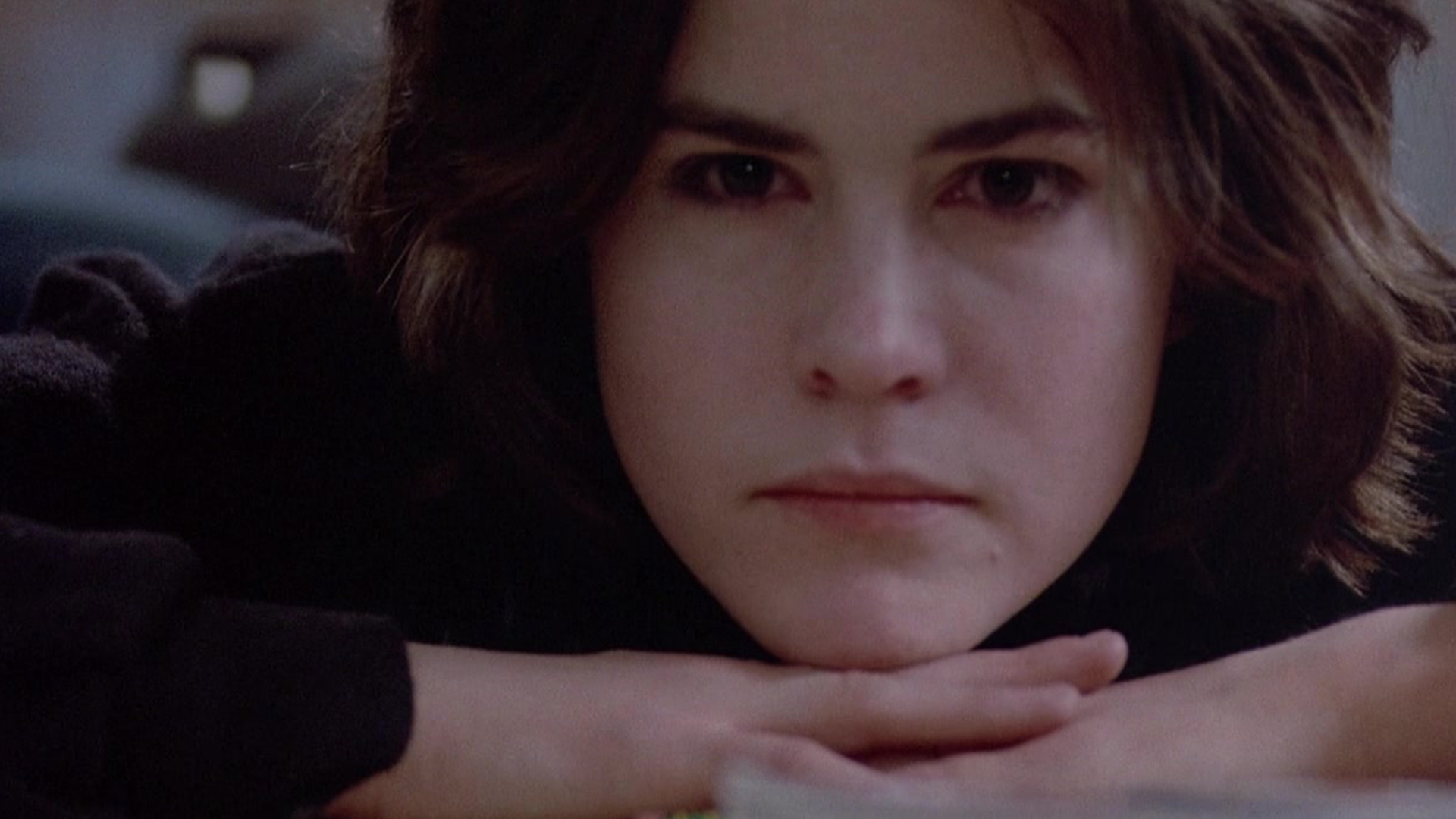
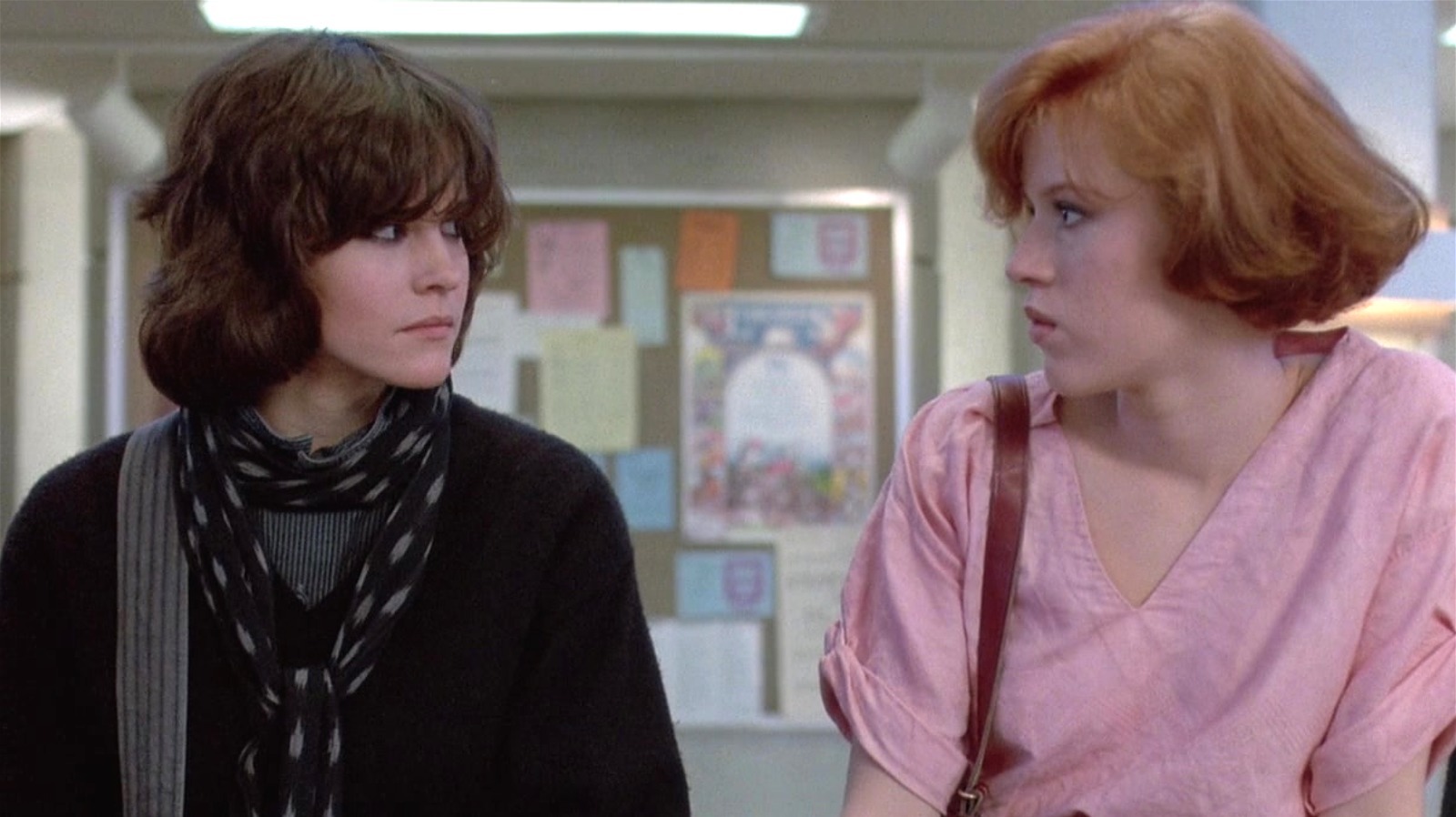
In the final act of the 1985 John Hughes classic The Breakfast Club, Allison Reynolds—portrayed by Ally Sheedy—undergoes a dramatic physical transformation. Facilitated by Claire Standish (Molly Ringwald), the "makeover" replaces Allison’s dark, oversized "basket case" attire and heavy eyeliner with a soft, pastel-colored outfit and a visible, makeup-free face. This scene remains one of the most debated moments in teen cinema, representing a shift from social isolation to peer acceptance.
The Identity of the "Basket Case": Allison’s Original Aesthetic
To understand the weight of the makeover, one must first analyze the deliberate "un-making" of Allison’s character in the first two acts of the film. Costume designer Marilyn Vance specifically curated Allison’s look to reflect a character who used clothing as a fortress. In the context of 2026 film studies, we recognize this as a masterclass in "character shielding."
Allison entered Saturday detention wearing several layers of oversized, dark clothing—most notably a heavy black parka, a long black skirt, and a grey sweater. This ensemble served a dual purpose: it hid her silhouette and signaled to the world that she was not looking for interaction. Her hair was styled to fall over her face, acting as a literal curtain between her and the other four students.
Technically, the makeup used for Allison’s "before" state was minimal but heavy-handed in specific areas. She wore thick, smudged black kohl eyeliner that obscured her eyes, reinforcing her nickname, the "Basket Case." This aesthetic was synonymous with the burgeoning "goth" and "alternative" subcultures of the mid-80s, representing a rejection of the "Princess" and "Jock" archetypes.
The Mechanics of the Transformation
The makeover occurs off-screen in the girls' restroom, a choice by John Hughes that emphasizes the privacy and burgeoning sisterhood between Claire and Allison. While the audience does not see the process, the results are meticulously detailed.
1. The Removal of the Mask
The most significant change was the removal of the heavy black eyeliner. By clearing the "soot" from around her eyes, Claire literally and figuratively allowed Allison to be "seen." In the cinematic language of the 1980s, the eyes were the gateway to the soul, and Allison’s soul had been hidden behind a wall of kohl and dandruff (which, in a famous practical effect, was actually parmesan cheese).
2. Hair and Accessories
Allison’s hair was pulled back from her face, held in place by a small white or light pink bow/headband. This was a direct mirror of Claire’s own "preppy" style. By exposing Allison’s forehead and cheekbones, the film shifted her visual narrative from "menacing/eccentric" to "vulnerable/approachable."
3. The Wardrobe Shift
The dark, multi-layered "fortress" was replaced with a sleeveless white top with delicate lace detailing and a pale pink or white skirt. This color palette—white and pink—symbolized purity, rebirth, and a return to "normality" within the social hierarchy of the 1980s high school experience.
Technical Comparison: The Two Faces of Allison Reynolds
The following table outlines the specific aesthetic shifts that occurred during the transformation, reflecting the intentional design choices made by the production team.
| Feature | Pre-Makeover (The Basket Case) | Post-Makeover (The New Allison) |
|---|---|---|
| Color Palette | Black, Charcoal, Dark Grey | White, Pale Pink, Nudes |
| Makeup Style | Heavy Kohl Eyeliner, Pale Skin | Natural Glow, Clear Eyes, Light Lip Tint |
| Hair Styling | Messy, Forward-Swept "Curtain" | Pulled Back, Exposed Face, Hair Bow |
| Clothing Layers | Parka, Sweater, Long Skirt | Light Sleeveless Top, Feminine Skirt |
| Symbolic Intent | Defensive, Reclusive, Artistic | Receptive, Conventional, Peer-Aligned |
| Social Signal | "Leave me alone" | "I am part of the group" |
The Andrew Clark Reaction and Gender Dynamics
The pivotal moment following the makeover is Allison’s re-introduction to the group, specifically her interaction with Andrew Clark (played by Emilio Estevez). Andrew’s reaction—one of genuine shock and immediate romantic attraction—codified the "makeover trope" for decades of teen movies to follow.
When Andrew says, "I can see your eyes," he isn't just making a physical observation. He is acknowledging that Allison has finally met the social requirements for his attention. From a 2026 critical perspective, this scene is often viewed through the lens of the "Male Gaze." Critics argue that Allison’s transformation wasn't for herself, but rather to make her "digestible" for the Jock character. However, defenders of the scene suggest it represents Allison finally feeling safe enough to drop her guard and be "pretty" in a conventional way, something her home life (which she describes as neglectful) never allowed.
The Controversy: Empowerment or Erasure?
For decades, the "Allison Breakfast Club makeover" has been a flashpoint for film critics and fans. The central question remains: Was this an act of friendship by Claire, or an act of social erasure?
The Argument for Erasure
Many viewers identify with Allison specifically because she is an outsider. For these fans, the makeover feels like a betrayal. It suggests that in order to be happy or to find love, one must conform to the standard of beauty set by the popular crowd. Ally Sheedy herself has expressed mixed feelings about the scene in various retrospective interviews, noting that she preferred the dark, "original" Allison and felt the makeover was somewhat out of character.
The Argument for Connection
Conversely, others view the makeover as a moment of profound intimacy between two girls who previously had nothing in common. Claire uses her "tools" (makeup and fashion) to help Allison bridge the gap between herself and the rest of the world. It is an act of inclusion. In this interpretation, Allison isn't losing herself; she is trying on a new identity, much like the other characters are trying on new perspectives during their eight hours in detention.
Behind the Scenes: The Role of Marilyn Vance and John Hughes
Director John Hughes was known for his obsession with the "teen experience," and he viewed the makeover as a necessary narrative beat to show the "bleeding" of the cliques into one another. He wanted the audience to see that the "Basket Case" was just as "beautiful" as the "Princess" if given the chance.
Costume designer Marilyn Vance had to find a balance. The outfit couldn't look too expensive, as it had to plausibly come from Claire’s own wardrobe or the items they had on hand. The use of white was a deliberate choice to contrast with the mahogany and dark wood tones of the library setting, making Allison the visual focus of the film's resolution.
Impact on Future Cinema: The Makeover Trope
The success of The Breakfast Club solidified the makeover as a staple of the teen genre. We see the DNA of Allison’s transformation in:
- She's All That (1999): Laney Boggs removing her glasses and paint-stained overalls.
- Clueless (1995): Tai Frasier being "molded" by Cher Horowitz.
- The Princess Diaries (2001): Mia Thermopolis’s transition from frizzy-haired student to royal.
However, modern films in the 2020s have begun to subvert this. Instead of changing the "weird" character to fit the "cool" world, newer narratives often emphasize the "cool" characters learning to appreciate the "weird" aesthetics. This retrospective shift has made Allison’s 1985 makeover a museum piece of 20th-century social values.
Frequently Asked Questions
What exactly was used for Allison’s "dandruff" in the movie?
In the famous scene where Allison shakes her head over her drawing, the "dandruff" was actually grated parmesan cheese. The production team found that actual dandruff or fake flakes didn't show up well on camera or fall with the same "weight" as the cheese.
Why did Claire decide to give Allison a makeover?
Claire’s motivation was multifaceted. On one level, it was a gesture of kindness and inclusion toward a girl she had previously ignored. On another level, Claire—whose identity was tied to beauty and social standing—viewed "fixing" Allison as a way to use her own skills to benefit the group.
Does Allison stay "preppy" after the movie ends?
The movie ends as the characters leave the school, so their long-term fates are left to the viewer's imagination. However, the screenplay suggests that while their appearances changed, the "truth" of who they were remained. Most fans speculate that Allison likely returned to a version of her original style but perhaps without the "defensive" layers.
Did Ally Sheedy like the makeover?
Ally Sheedy has stated in several interviews over the years (including those looking back from the 2020s) that she was not a fan of the makeover. She felt that Allison’s strength lay in her eccentricity and that the "pink and white" look felt like a move toward conformity that the character might have resisted.
What clothes was Allison wearing after the makeover?
Allison wore a white, sleeveless lace-trimmed blouse and a matching pale skirt. The look was accessorized with a small pink bow in her hair. The outfit was intended to look like something Claire Standish would wear, emphasizing the "Princess" influence on the "Basket Case."
Final Perspective: The Legacy of Allison’s Change
In 2026, we look at Allison Reynolds not as a girl who needed to be "fixed," but as a character who demonstrated the fluidity of teenage identity. Whether the makeover was a "sell-out" move or a "glow-up," it successfully fulfilled its narrative purpose: it forced the other characters—and the audience—to look Allison in the eye.
The Allison Reynolds makeover remains a cultural touchstone because it asks a question that every teenager (and adult) eventually faces: How much of ourselves do we change to be accepted, and is the price of that acceptance worth the loss of our protective layers? While the pink bow may have been temporary, the impact of that visual shift has lasted for over four decades of cinematic history.