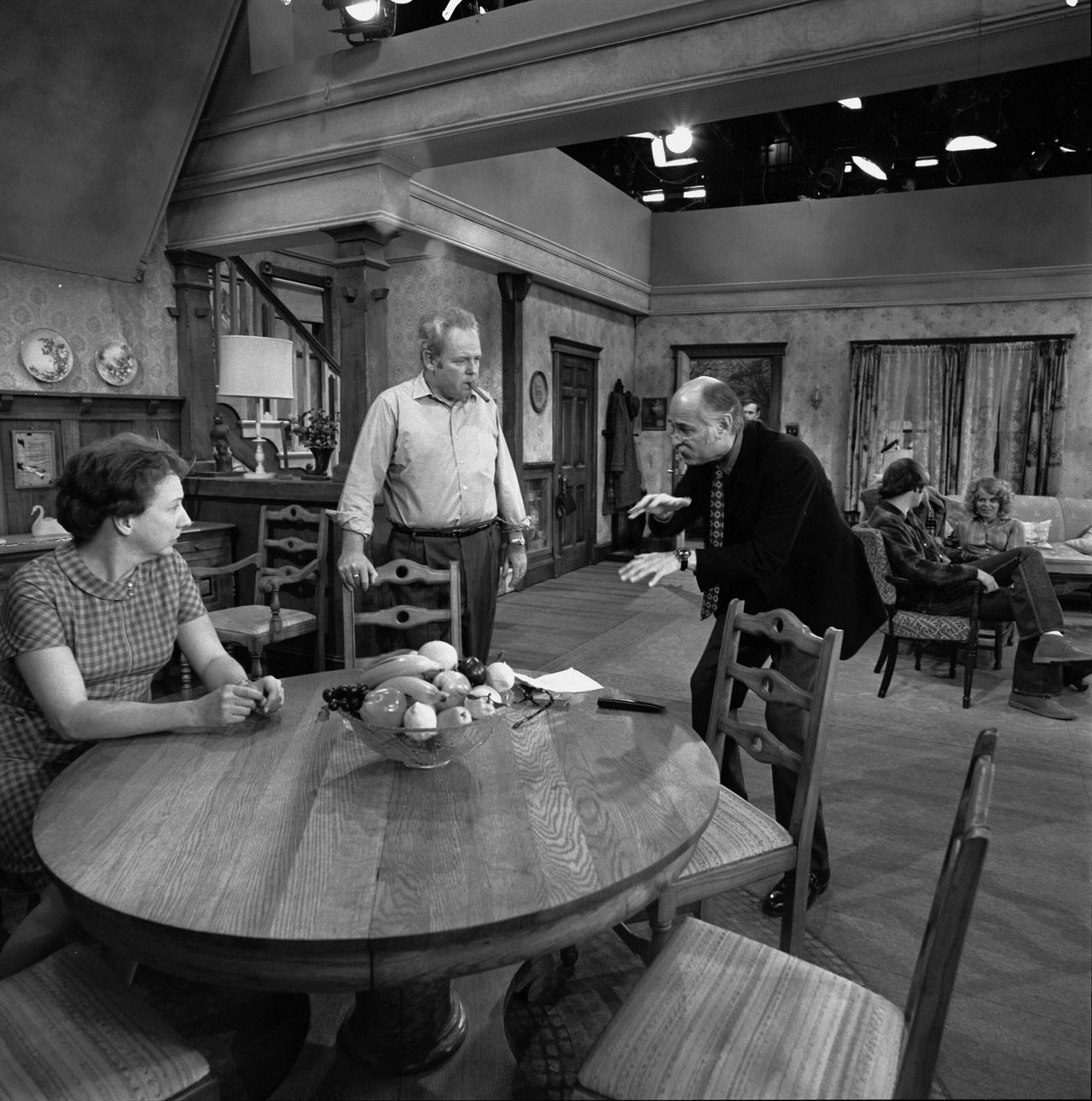
The iconic sitcom All in the Family is primarily set at the fictional address of 704 Hauser Street in the neighborhood of Astoria, Queens, New York. While the series was filmed before a live studio audience at CBS Television City in Hollywood, the exterior of the house featured in the opening credits is a real residence located at 89-70 Cooper Avenue in Glendale, Queens, which remains a destination for television history enthusiasts in 2026.
The Fictional World of 704 Hauser Street
For nine seasons, from 1971 to 1979, the Bunker household served as the epicenter of American cultural discourse. The choice of Queens, New York, as the setting was deliberate and foundational to the show’s identity. Creator Norman Lear wanted a location that epitomized the American working class—a place where the friction between old-world values and the rapidly changing social landscape of the 1970s would feel palpable and authentic.
The address "704 Hauser Street" does not exist in the Astoria or Glendale grids. The name "Hauser" was reportedly a tribute to a friend of Lear’s, but the house itself was designed to represent the "row house" or "semi-detached" architecture common throughout the outer boroughs. Inside those fictional walls, the layout—the front door opening directly into the living room, the narrow staircase, and the proximity of the kitchen—captured the cramped, intimate reality of urban middle-class life. This setting trapped the characters together, forcing Archie Bunker, the conservative patriarch, to confront the progressive views of his daughter Gloria and son-in-law Mike "Meathead" Stivic in close quarters.
Identifying the Real Exterior: 89-70 Cooper Avenue
While the Bunkers lived in "Astoria" on screen, the production team used a house in the neighboring area of Glendale for the establishing shots. The house at 89-70 Cooper Avenue became one of the most recognizable facades in television history.
As of 2026, the house remains a private residence. It is a two-story, brick-faced structure that looks remarkably similar to how it appeared during the 1970s, though various owners over the decades have made minor cosmetic updates to the windows and doors. For fans visiting the site, it is important to note that the neighborhood of Glendale provides a much more suburban, residential feel than the industrial-commercial parts of Astoria often associated with the show's grit.
The house was chosen because it perfectly represented the post-war housing boom that allowed working-class families like the Bunkers to achieve a version of the American Dream. The small front yard and the proximity to the sidewalk allowed the camera to capture a "street-level" perspective during the famous theme song sequence, "Those Were the Days," where Archie and Edith are seen in the car and the neighborhood is shown in a montage.
The Cultural Significance of the Queens Setting
Setting the show in Queens was a radical departure from the "Anytown, USA" or "Park Avenue" settings of previous decades. In the early 1970s, Queens was experiencing significant demographic shifts. This geographic reality fueled many of the show's plotlines regarding race, gentrification, and economic anxiety.
The Working-Class Identity
Archie Bunker was a dock foreman, a quintessential blue-collar job. Queens provided the perfect backdrop for a man who felt the world was moving too fast. The borough’s history as a "borough of homes" for those who worked in Manhattan or at the nearby docks and factories added a layer of realism. When Archie complained about his taxes, his neighborhood changing, or the rising cost of living, his frustrations were grounded in the actual economic struggles of New Yorkers during the 1970s fiscal crisis.
The Contrast of Neighborhoods
Throughout the series and its spin-offs (such as Archie Bunker's Place), the geography of New York played a role. Archie’s world was small—contained mostly within his house and Kelsey’s Bar. In contrast, Mike and Gloria represented the upwardly mobile youth who looked toward Manhattan or the more academic environments of the city. This geographic tension mirrored the generational divide that was the hallmark of the series.
Production Logistics: Bringing Queens to Hollywood
Despite the heavy New York atmosphere, All in the Family was a product of the California studio system. This creates an interesting dichotomy between the "feel" of the show and its actual production.
- Soundstage Realism: The set designers meticulously recreated a Queens interior. They chose furniture that looked lived-in and slightly outdated, avoiding the "shiny" look of contemporary sitcoms. The iconic chairs—Archie's wingback and Edith's smaller floral chair—became such symbols of this setting that they were eventually donated to the Smithsonian Institution.
- The Opening Montage: To anchor the show in New York, the opening credits featured a series of aerial shots of Manhattan and Queens, transitioning to the street-level view of the Glendale house. This visual shorthand was essential for convincing viewers that the Bunkers were part of the New York tapestry.
- Audience Interaction: Filming in front of a live audience allowed the "Queens" energy to translate through the screen. The reactions to Archie’s often-bigoted outbursts or Edith’s "dingbat" moments provided a visceral sense of community feedback, much like one might experience in a crowded New York neighborhood.
Comparing the Fictional and Real Locations
To better understand the geography of the show, the following table compares the on-screen details with the real-world facts as they stand in 2026.
| Feature | Show Representation (Fiction) | Real-World Fact (Glendale/Astoria) |
|---|---|---|
| Street Address | 704 Hauser Street | 89-70 Cooper Avenue |
| Neighborhood | Astoria, Queens | Glendale, Queens |
| Year Built | Implied early 20th century | Circa 1930s |
| Architecture | Semi-detached row house | Semi-detached residential |
| Proximity to Transit | Frequent mentions of the subway/bus | Near the Q29 and Q54 bus lines |
| Current Status | Fictional setting for reruns | Private residence; not a museum |
| Museum Artifacts | N/A | Furniture located at the Smithsonian, DC |
Visiting the All in the Family House in 2026
For those interested in a television history tour of Queens, visiting the exterior of the Bunker house is a popular activity. However, because it is a private residence, visitors must adhere to specific etiquette.
- Respect Privacy: Do not knock on the door or step onto the porch. The current owners are aware of the house’s history but deserve their privacy.
- Photography: Taking photos from the public sidewalk is generally acceptable. In 2026, the neighborhood remains a quiet residential area, so it is best to visit during daylight hours.
- Neighborhood Context: While in the area, visitors often explore Forest Park, which is nearby, to get a sense of the greenery that Archie often overlooked in his concrete-focused worldview.
- Transportation: The house is accessible via the Long Island Rail Road (LIRR) to the Glendale area or via various MTA bus routes. It is quite a distance from the main "Astoria" hubs, illustrating the geographical license the show took.
Frequently Asked Questions
Can you go inside the All in the Family house?
No, you cannot go inside the house located at 89-70 Cooper Avenue. It is a private residence and has never been a museum or a public set. The interior of the Bunker home seen on television was a set built on a soundstage in California, not a reflection of the actual interior of the Queens house.
Is 704 Hauser Street a real place?
704 Hauser Street is a fictional address. While there are streets named Hauser in other parts of the United States, there is no Hauser Street in Astoria or Glendale, Queens. The show used this fictional name to avoid directing fans to a real person’s home, though the exterior shot eventually made the Glendale location famous anyway.
Why did the show say it was in Astoria if the house is in Glendale?
Astoria was a more widely recognized name for a working-class Queens neighborhood during the 1970s. It had a specific reputation for being an enclave of European immigrants and blue-collar workers. Glendale, while geographically close, was a quieter, less "famous" neighborhood at the time. Television writers often use "neighborhood shorthand" to quickly establish a character's social standing.
Where are Archie Bunker's chairs now?
The original chairs used by Carroll O'Connor (Archie) and Jean Stapleton (Edith) were moved to the National Museum of American History (Smithsonian) in Washington, D.C., shortly before the show ended its run. They remain there as part of a permanent collection celebrating American television culture.
Is the show still relevant in 2026?
Yes. All in the Family is frequently cited by sociologists and historians as a pivotal moment in American media. The themes of generational conflict, political polarization, and social change discussed in the "Queens living room" in the 1970s continue to resonate in contemporary discourse, making the show a frequent subject of study in 2026.
Practical Recommendation for Fans
If you are planning a trip to see the setting of All in the Family, start by visiting the Smithsonian in Washington, D.C., to see the actual artifacts of the production. Follow this with a trip to Queens to see the exterior at 89-70 Cooper Avenue. To get the full experience, spend time in Astoria to see the "spirit" of the show—the local diners, the subway trestles, and the bustling street life—before heading to the quieter streets of Glendale to see the house itself. This provides a complete picture of the mix between the show's fictional atmosphere and its real-world inspiration.