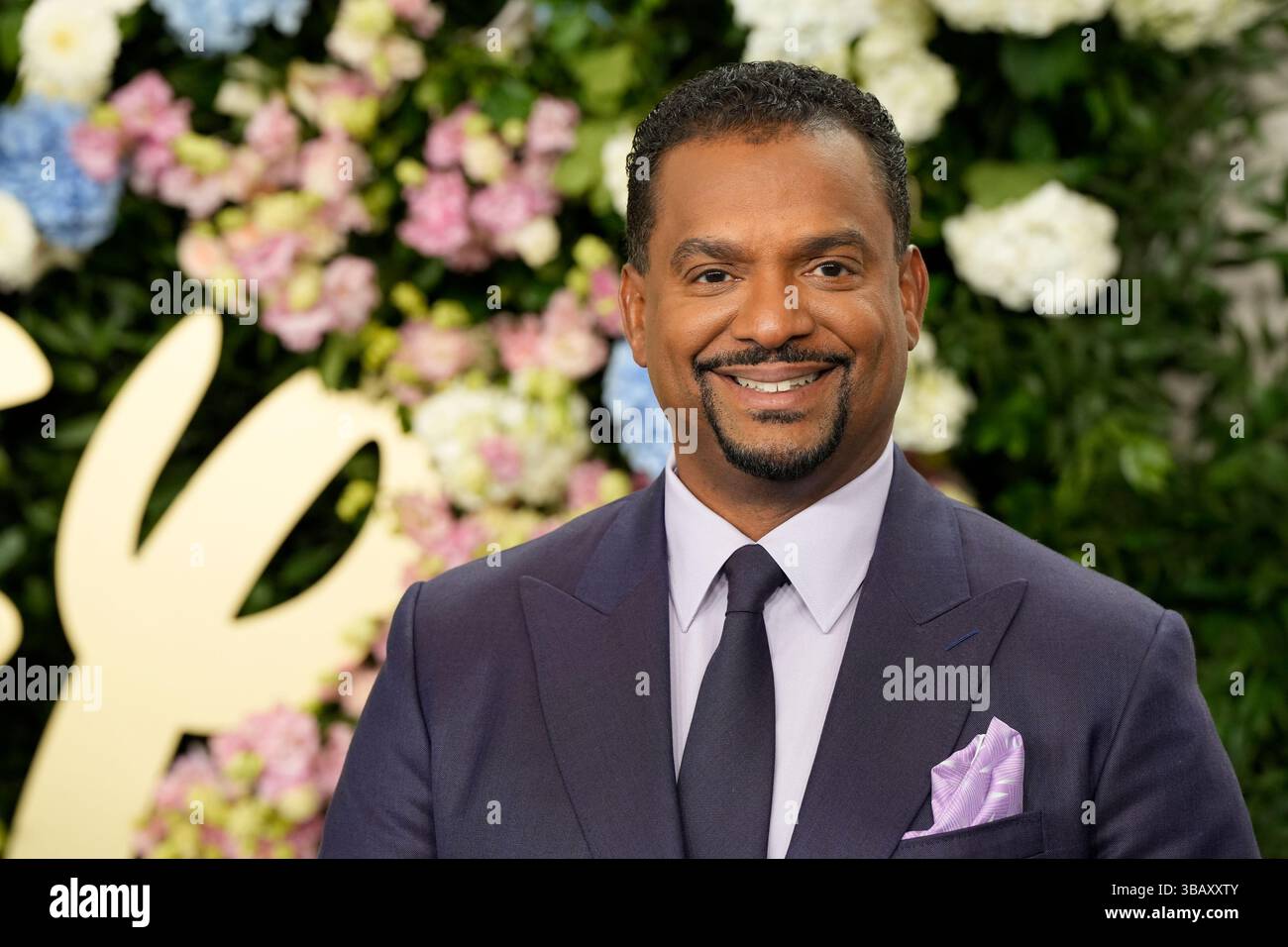
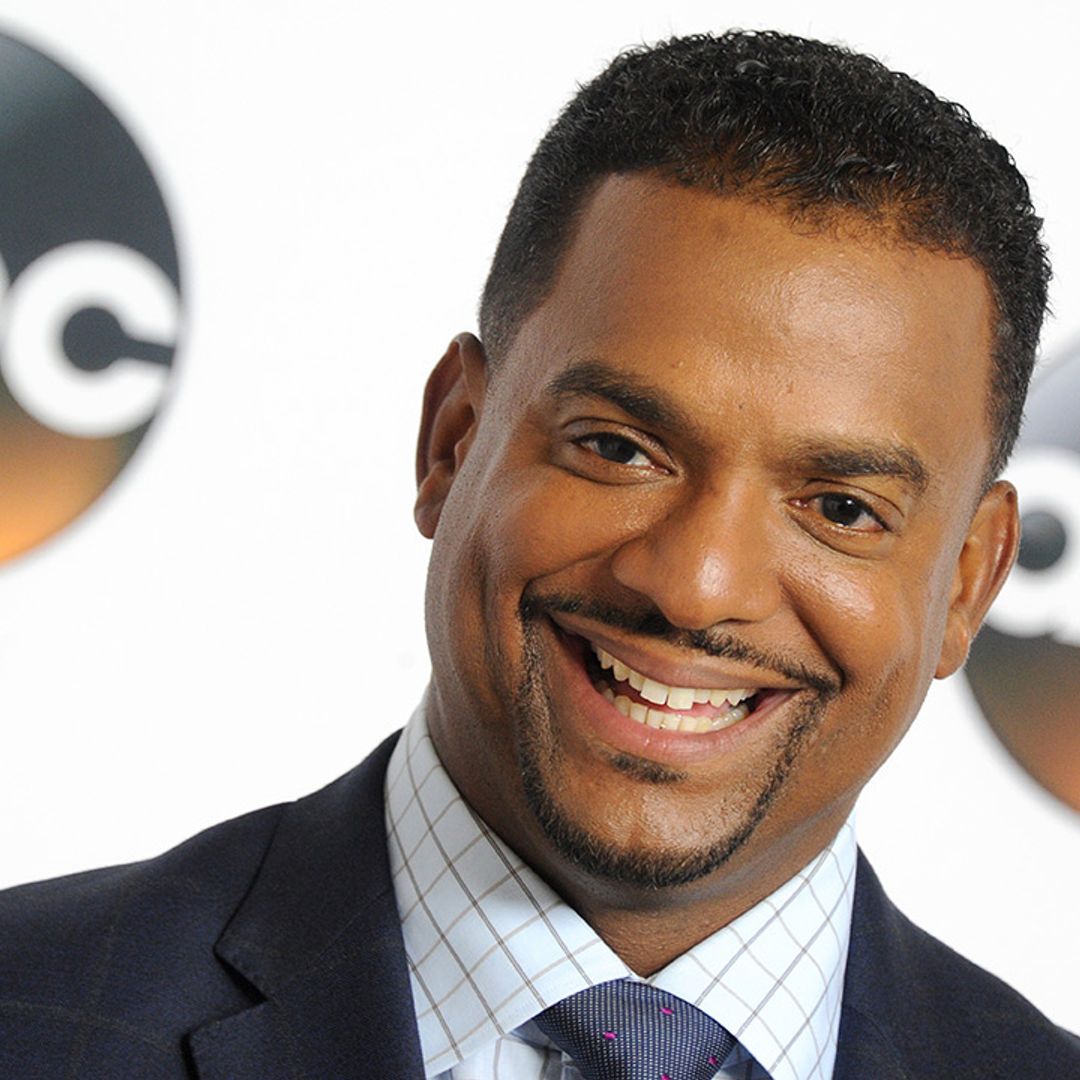
Alfonso Ribeiro is of Afro-Trinidadian descent, with his family lineage tracing directly back to the Caribbean nation of Trinidad and Tobago. Born in New York City to immigrant parents, Michael and Joy Ribeiro, his heritage is a blend of African and West Indian cultures, further enriched by a notable musical legacy through his grandfather, the legendary calypsonian Albert Ribeiro, known professionally as Lord Iere.
The Foundation of Alfonso Ribeiro’s Identity
To understand Alfonso Ribeiro’s heritage, one must look toward the vibrant cultural landscape of the West Indies. While Ribeiro is a household name in the United States—cemented by his iconic portrayal of Carlton Banks on The Fresh Prince of Bel-Air and his long-standing tenure as the host of America’s Funniest Home Videos—his personal identity is firmly rooted in the immigrant experience of the late 20th century.
Born on September 21, 1971, in the Riverdale neighborhood of the Bronx, New York, Ribeiro grew up in a household that maintained strong ties to its Caribbean origins. The Bronx in the 1970s was a melting pot of African American and West Indian cultures, a setting that allowed Ribeiro to navigate both his American surroundings and his family's Trinidadian traditions. His parents, Michael and Joy, moved from Trinidad to New York before his birth, seeking the opportunities common to the "immigrant dream" while ensuring their children remained aware of their ancestral background.
The surname Ribeiro often sparks questions regarding his specific ethnic makeup. In the context of Trinidadian history, the name is of Portuguese origin. During the 19th and early 20th centuries, significant numbers of Portuguese immigrants, many from the island of Madeira, settled in Trinidad and Tobago as laborers and shopkeepers. Over generations, these families integrated into the diverse fabric of the islands, which includes people of African, Indian, Chinese, and European descent. Alfonso Ribeiro identifies as a Black man of West Indian heritage, acknowledging the complex colonial history that brought various lineages to the Caribbean.
The Musical Lineage: The Legacy of Lord Iere
One of the most significant aspects of Alfonso Ribeiro’s heritage is his direct connection to the golden age of Calypso music. His paternal grandfather was Albert Ribeiro, who performed under the stage name Lord Iere. The name "Iere" is derived from the Indigenous Amerindian word for Trinidad, meaning "Land of the Hummingbird."
Lord Iere was a prominent figure in the calypso scene during the mid-20th century, a time when the genre served as both a social commentary and a primary form of entertainment in the Caribbean. Calypso is characterized by its rhythmic storytelling, often using wit and irony to discuss politics and daily life. Having a grandfather of such cultural stature meant that performance and rhythm were essentially part of Alfonso’s DNA.
This inherited talent became evident early in Alfonso’s life. Before he was a television star, he was a child performer on Broadway, starring in The Tap Dance Kid. His natural aptitude for dance—which would later lead him to win Dancing with the Stars and create the "Carlton Dance"—is often attributed by biographers and fans alike to this deep-seated rhythmic heritage. The discipline required for calypso performance and the expressive nature of West Indian storytelling provided a silent but sturdy foundation for his multi-decade career in Hollywood.
Navigating Cultural Perceptions in Hollywood
Throughout his career, Alfonso Ribeiro’s heritage has occasionally been a point of discussion, particularly because the characters he played often stood in contrast to the stereotypical depictions of the Black experience in the 1990s. The character of Carlton Banks was intentionally written as someone who was disconnected from "urban" Black culture, favoring Tom Jones and Barry Manilow over the hip-hop trends of the era.
However, in reality, Ribeiro’s upbringing was deeply connected to the Black Caribbean diaspora. This distinction is important for understanding the technical depth of his identity. In the United States, "Black" is often treated as a monolith, but Ribeiro’s heritage highlights the specificities of the Afro-Caribbean experience. This involves a unique set of culinary traditions, linguistic nuances (such as the Trinidadian accent he has occasionally demonstrated in interviews), and a worldview shaped by a country that achieved independence from British colonial rule in 1962.
By 2026, the conversation around "Afro-Latino" versus "Afro-Caribbean" identities has become more nuanced. While "Ribeiro" is a Portuguese/Hispanic name, Alfonso’s cultural allegiance and family history are predominantly tied to the English-speaking Caribbean. This distinguishes his heritage from that of Afro-Latinos from Spanish-speaking nations like the Dominican Republic or Puerto Rico, though they share the broader African diasporic connection.
Family Life and Passing Down Traditions
As of 2026, Alfonso Ribeiro has been married to Angela Unkrich since 2012, and they have three children together: Alfonso Lincoln Ribeiro Jr., Anders Reyn Ribeiro, and Ava Sue Ribeiro. He also has a daughter, Sienna, from a previous marriage.
A significant part of Ribeiro's modern life involves how he integrates his Trinidadian heritage into a contemporary American household. Heritage is not merely a matter of historical record but a lived experience. For the Ribeiro family, this often manifests in:
- Culinary Traditions: Incorporating Trinidadian staples such as roti, pelau, or doubles into family gatherings, preserving the flavors of the West Indies.
- Travel: Maintaining a connection to the islands through visits, ensuring the younger generation understands the geography and atmosphere of their ancestors' home.
- Work Ethic: Ribeiro frequently credits his parents' immigrant work ethic for his longevity in the entertainment industry. The drive to succeed and the versatility to host, act, and direct are hallmarks of the "first-generation" mindset.
The following table summarizes the key components of Alfonso Ribeiro’s family heritage and background:
| Category | Details |
|---|---|
| Birthplace | The Bronx, New York City, USA |
| Primary Ethnicity | Afro-Trinidadian |
| Father | Michael Ribeiro (Trinidadian immigrant) |
| Mother | Joy Ribeiro (Trinidadian immigrant) |
| Paternal Grandfather | Albert Ribeiro (Known as Lord Iere, Calypso artist) |
| Socio-Cultural Roots | West Indian / Caribbean Diaspora |
| Spouse | Angela Unkrich (m. 2012) |
| Children | Sienna, Alfonso Jr., Anders, Ava |
The Impact of Heritage on Professional Versatility
Ribeiro's heritage is not just a footnote; it has actively shaped his professional capabilities. The Caribbean is known for its "Total Theater" approach—where music, dance, and acting are inextricably linked. This is seen clearly in the Carnival traditions of Trinidad.
When Ribeiro took the stage in the early 1980s for a Pepsi commercial alongside Michael Jackson, or when he choreographed the movements for Carlton Banks, he was utilizing a physical vocabulary that drew from a lineage of performers. His ability to pivot from a Broadway dancer to a sitcom lead, then to a game show host and director, mirrors the adaptability often found in Caribbean culture. In the West Indies, artists are frequently expected to be multi-hyphenates, a trait Ribeiro has mastered over his 40-year career.
Furthermore, his heritage provides a bridge between different demographics. He occupies a unique space as a Black entertainer who is embraced by mainstream middle America while remaining a point of pride for the Caribbean community. His success serves as a testament to the contributions of the Trinidadian diaspora to American arts and sciences.
Frequently Asked Questions
Is Alfonso Ribeiro Hispanic?
While his last name is of Portuguese origin, Alfonso Ribeiro is not typically classified as Hispanic in the traditional sense (which usually refers to Spanish-speaking origins). His family is from Trinidad and Tobago, an English-speaking Caribbean nation. His ancestry is Afro-Trinidadian, which includes a mix of African and likely Portuguese-Trinidadian roots due to historical migration patterns in the West Indies.
Who were Alfonso Ribeiro’s parents?
Alfonso’s parents are Michael and Joy Ribeiro. They immigrated to the United States from Trinidad and Tobago before Alfonso was born. They played a crucial role in his early career, supporting his transition from a child actor in New York to a television star in Los Angeles.
Was Alfonso Ribeiro's grandfather famous?
Yes, his paternal grandfather, Albert Ribeiro, was a well-known Calypso musician who performed under the name Lord Iere. He was a significant figure in the Trinidadian music scene, which influenced Alfonso’s own rhythmic and performance talents.
Does Alfonso Ribeiro speak with an accent?
Alfonso Ribeiro was born and raised in New York, so his natural speaking voice is a standard American/New Yorker accent. However, he has occasionally showcased an ability to slip into a Trinidadian accent, reflecting the sounds he grew up hearing from his parents and extended family.
What is the origin of the name Ribeiro in Trinidad?
The name Ribeiro came to Trinidad via Portuguese immigrants, many of whom arrived from Madeira in the mid-19th century. Over time, these families became part of the diverse ethnic tapestry of the islands, often intermarrying with the Afro-Caribbean population.
Summary of Findings and Recommendations
Alfonso Ribeiro’s heritage is a compelling example of the rich complexity within the African diaspora. Far from being a simple narrative, his identity is a tapestry of Trinidadian immigration, calypso musical royalty, and the Portuguese-Caribbean historical connection. For those looking to understand the man behind the iconic characters, recognizing his Afro-Trinidadian roots is essential.
Practical Recommendation for Readers: If you are interested in exploring the cultural roots that influenced Ribeiro’s performance style, research the history of Calypso music and the works of Lord Iere. Understanding the rhythmic and lyrical traditions of 1950s Trinidad provides deep insight into the "natural" talent Ribeiro displayed throughout his career. Additionally, exploring the history of the Caribbean diaspora in New York City offers a broader context for the environment that produced such a versatile and enduring entertainer.