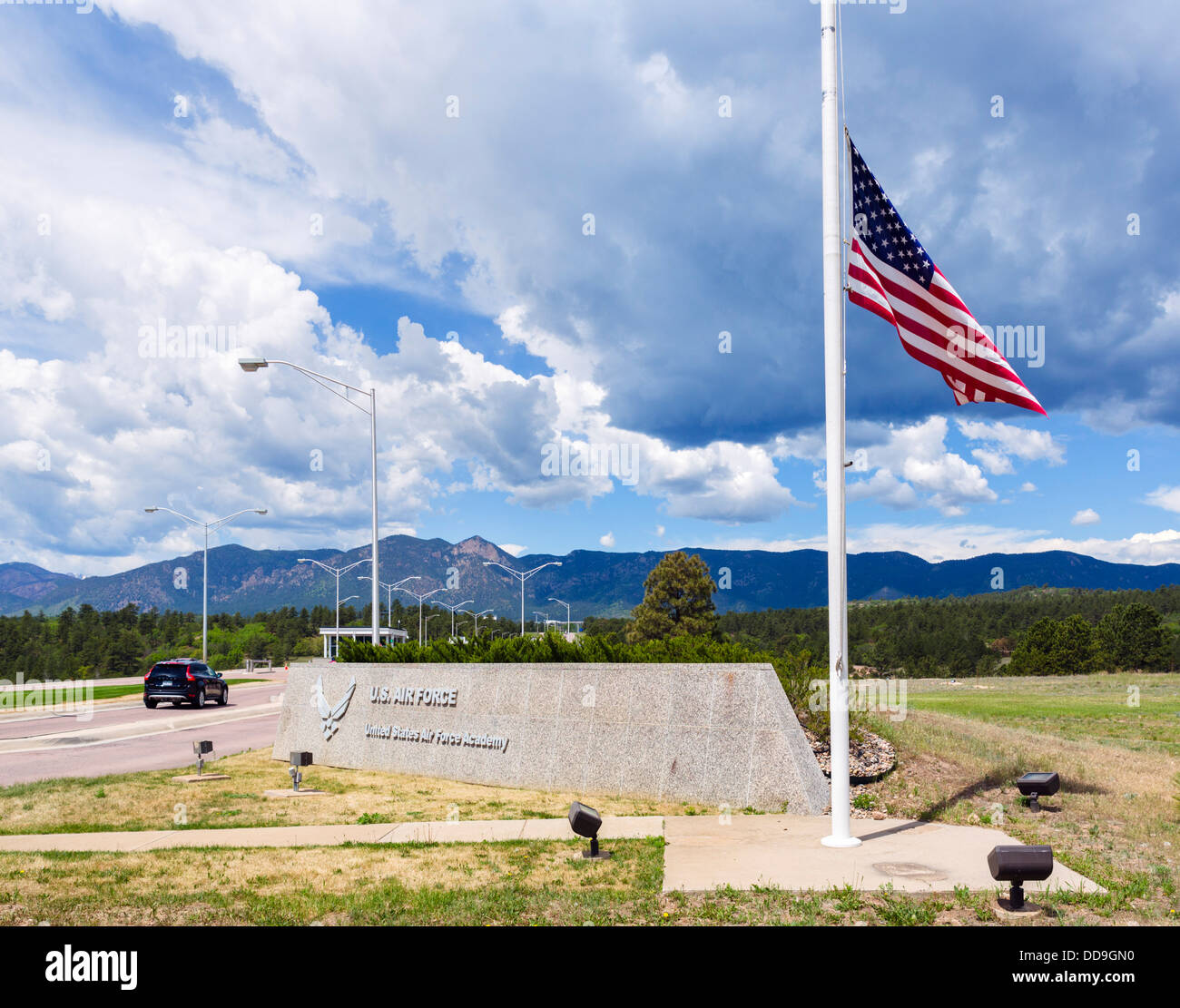
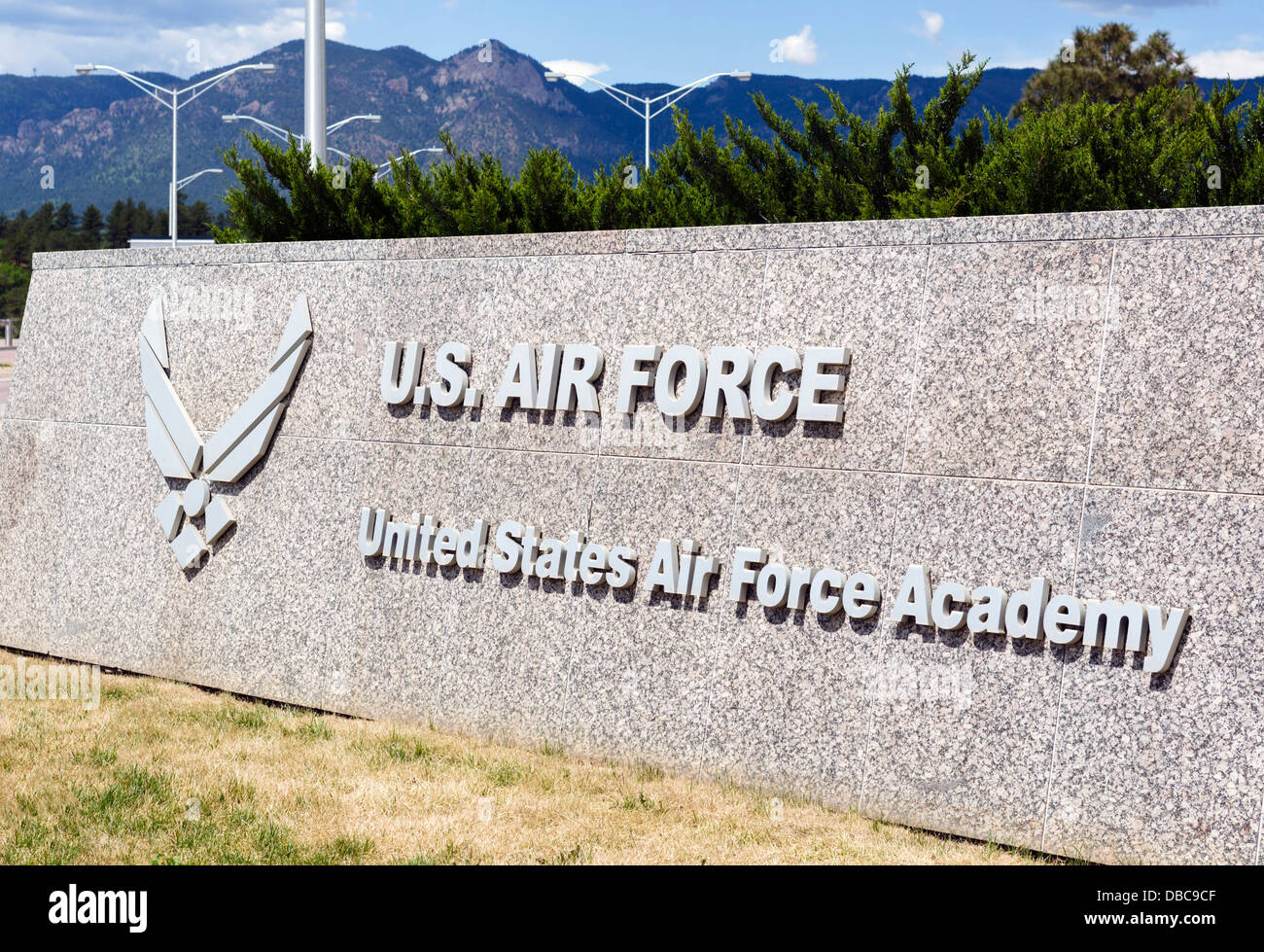
Colorado Springs is home to several major military installations, including Peterson Space Force Base, Schriever Space Force Base, the United States Air Force Academy, and Cheyenne Mountain Space Force Station. While Peterson and Schriever were officially renamed in 2021 to reflect their roles within the U.S. Space Force, they remain the primary hubs for Air Force personnel, operations, and support services in the Pikes Peak region.
The Military Landscape of Colorado Springs in 2026
As of 2026, Colorado Springs continues to be one of the most vital strategic military hubs in the United States. Often referred to as "Olympic City USA" and "Military City USA," the region hosts a unique concentration of aerospace, defense, and intelligence operations. Although the United States Space Force (USSF) now manages several of these installations, the Department of the Air Force retains overall administrative authority, and thousands of Airmen still live, work, and train across these bases.
The synergy between the different branches in Colorado Springs is unparalleled. From the educational foundations at the Air Force Academy to the high-stakes satellite operations at Schriever, the city’s defense infrastructure is interconnected. For those relocating to the area or visiting, understanding the specific missions and access requirements of each base is essential for a smooth experience.
Peterson Space Force Base (Formerly Peterson AFB)
Peterson Space Force Base serves as the central administrative and logistical anchor for military operations in Colorado Springs. Located on the east side of the city adjacent to the Colorado Springs Airport, Peterson is a sprawling installation that feels like a self-contained city.
Mission and Commands
Peterson is the headquarters for several high-level commands. Most notably, it houses the North American Aerospace Defense Command (NORAD) and the United States Northern Command (USNORTHCOM). These organizations are responsible for the aerospace warning, aerospace control, and maritime warning for North America, as well as homeland defense.
In 2026, Peterson remains the permanent headquarters for United States Space Command (USSPACECOM). This designation has solidified the base’s role as the "Pentagon of the West," drawing a significant number of high-ranking officers, civilian contractors, and specialized technical personnel to the region.
On-Base Amenities and Housing
For Airmen and Guardians, Peterson provides the bulk of the "quality of life" services in the area. This includes:
- The Commissary and Base Exchange (BX): The largest in the region, serving personnel from all local installations.
- Tierra Vista Communities: On-base privatized housing that offers a variety of floor plans for all ranks.
- Peterson Air and Space Museum: A popular site for both military members and the public (with prior access), showcasing the history of the base from its days as a regional airfield to its current space-faring mission.
Access and Security
Access to Peterson requires a valid Common Access Card (CAC) or a Uniformed Services ID card. Visitors without a military ID must be sponsored by a base resident or employee and vetted through the Visitor Control Center (VCC) located at the West Gate off Stewart Avenue.
Schriever Space Force Base (Formerly Schriever AFB)
Located approximately 10 miles east of Peterson, Schriever Space Force Base is a more secluded and highly secure installation. Unlike Peterson, Schriever does not have a flight line; its mission is conducted through computer terminals and satellite uplinks.
Satellite Operations and GPS
Schriever is the "nerve center" for global satellite operations. It is home to Space Delta 8, which is responsible for satellite communications and position, navigation, and timing (PNT). If you have used a GPS device anywhere in the world today, the signals were likely managed and protected by the personnel at Schriever.
The base also hosts Space Delta 9, which focuses on orbital warfare. The work done here is highly classified, and much of the installation is located within a Restricted Area (RA) that requires special clearances even for those who have general base access.
Unique Logistics: No On-Base Housing
One of the most important things for new arrivals to know about Schriever is that there is no on-base housing. Personnel assigned to Schriever typically live in the Peterson housing areas or in the surrounding civilian communities of Falcon, Peyton, or East Colorado Springs. The base does offer a dining facility, a fitness center, and a medical clinic, but for major shopping or housing needs, personnel rely on Peterson.
The United States Air Force Academy (USAFA)
The United States Air Force Academy is perhaps the most famous military installation in Colorado. Nestled against the foothills of the Rocky Mountains on the north side of Colorado Springs, it serves as both an elite university and a premier military training ground.
Mission: Developing Leaders of Character
The Academy’s primary mission is to educate, train, and inspire men and women to become officers in the U.S. Air Force and U.S. Space Force. In 2026, the cadet wing continues to evolve, integrating more space-centric curriculum and cyber-warfare training alongside traditional aeronautics and leadership courses.
Public Access and Tourism
USAFA is a major tourist destination. The Visitor Center provides a deep dive into cadet life and the history of the institution. As of 2026, the iconic Cadet Chapel has completed its extensive multi-year renovation and is once again open to the public, showcasing its mid-century modern architecture and 17 soaring spires.
Visitors should be aware that security levels can change. Usually, the public can enter through the North Gate (Exit 156 off I-25) during daylight hours, but they must present a valid government-issued photo ID. Access is generally restricted to the Visitor Center, the Chapel, and the athletic facilities unless attending a specific event.
Cheyenne Mountain Space Force Station
Famous in popular culture as the "Stargate" base, Cheyenne Mountain Space Force Station is a real and critical component of national defense. Located deep inside a mountain of solid granite, it is designed to withstand a nuclear blast and remain operational.
The Role of the Bunker
While many administrative functions moved to Peterson in the mid-2000s, Cheyenne Mountain serves as the Alternate Command Center for NORAD and USNORTHCOM. It remains a 24/7 facility where personnel monitor global threats, including missile launches and space debris.
Security and Accessibility
There is no public access to the interior of Cheyenne Mountain. It is one of the most secure facilities in the Department of the Air Force inventory. Personnel assigned here usually work in "The Mountain" but live in the Colorado Springs community. It remains a symbol of Cold War-era engineering that has been modernized for 21st-century threats.
Comparison of Colorado Springs Military Installations
| Installation | Primary Mission | Primary Branch | Housing On-Site? | Public Access? |
|---|---|---|---|---|
| Peterson SFB | NORAD/USNORTHCOM/USSPACECOM | Space Force/Air Force | Yes | Sponsored Only |
| Schriever SFB | Satellite Ops/GPS Management | Space Force | No | Restricted |
| USAFA | Officer Commissioning/Education | Air Force | Yes (Staff/Faculty) | Yes (Limited) |
| Cheyenne Mountain | Threat Monitoring/Command Center | Space Force | No | No |
| Fort Carson | Ground Combat/4th Infantry Div | Army | Yes | Sponsored Only |
Living in Colorado Springs as a Military Member
Relocating to Colorado Springs involves navigating a unique real estate market and high-altitude environment. In 2026, the city’s growth has made the housing market competitive, and the Basic Allowance for Housing (BAH) is a frequent topic of adjustment for the Department of Defense.
Off-Base Housing Trends
Military families often look at three main areas:
- Falcon/Peyton: Popular for those at Schriever due to proximity, though it is a more rural/suburban environment.
- Fountain/Widefield: Located south of the city, this area is convenient for those working at Peterson or Fort Carson.
- Briargate/North End: Preferred by those stationed at USAFA, offering high-performing schools and modern shopping centers.
Climate and Altitude
Colorado Springs sits at approximately 6,035 feet above sea level. New arrivals should be prepared for "the thin air." It is common to experience shortness of breath or dehydration during the first few weeks. Additionally, the weather can change rapidly; it is not unusual to see snow in May or 70-degree temperatures in January.
Military Support and Community Integration
The relationship between the city and the bases is highly supportive. Colorado Springs hosts numerous events like the Military Appreciation Month and the Freedom Festival. The local business community often provides military discounts, and the state of Colorado offers various tax benefits and license plate designations for veterans and active-duty members.
For educational support, the Pikes Peak State College and UCCS (University of Colorado Colorado Springs) have robust veteran service centers, making the transition from active duty to student status relatively seamless for those looking to use their GI Bill in the area.
Access Requirements and DEERS Enrollment
Managing administrative needs like ID card renewals or DEERS (Defense Enrollment Eligibility Reporting System) updates is typically done through the Manpower and Personnel Flight (FSS) at Peterson SFB or the Air Force Academy.
- Appointments: It is highly recommended to use the RAPIDS ID Card Office Online to schedule appointments, as walk-in wait times can be significant.
- Required Documents: Always bring two forms of government-issued ID (e.g., a passport and a driver's license) and any relevant supporting documents like marriage certificates or birth certificates for dependents.
- Base Passes: For contractors or long-term visitors, the Visitor Control Center at Peterson is the primary point for issuing DBIDS (Defense Biometric Identification System) cards.
Frequently Asked Questions
Which Colorado Springs base is the main Air Force base?
While Peterson Space Force Base is the central hub for most military services and housing in the city, the United States Air Force Academy is the most prominent "Air Force" specific installation. Peterson and Schriever were transitioned to the Space Force in 2021, but they still function as the primary duty stations for many Air Force personnel and provide base support services for the entire Air Force community in the region.
Can civilians visit the Air Force Academy?
Yes, civilians can visit the United States Air Force Academy. Visitors usually enter through the North Gate. The Visitor Center and the Cadet Chapel (open as of 2026 following renovations) are the primary attractions. It is important to check the official USAFA website for current security posture, as the base may close to the public during high-level events or increased threat levels.
Is there a hospital on Peterson Space Force Base?
Peterson SFB has a medical clinic (the 21st Medical Group) that provides primary care, dental, and pharmacy services. However, it does not have a full-scale emergency room or inpatient hospital. For major medical procedures or emergencies, military members and their families are typically referred to Evans Army Community Hospital at Fort Carson or civilian hospitals in Colorado Springs, such as UCHealth Memorial or Penrose-St. Francis.
How far apart are the bases in Colorado Springs?
The installations are relatively close but separated by city traffic. Peterson SFB and Schriever SFB are about 15-20 minutes apart. The Air Force Academy is on the far north side of the city, approximately 25-30 minutes from Peterson. Cheyenne Mountain is on the southwest side, roughly 20 minutes from Peterson. Traffic on I-25 and Powers Boulevard can significantly impact these travel times during peak hours.
Do I need a special pass to go to Schriever SFB?
Yes. Schriever is a restricted-access installation. Unlike the Air Force Academy, there are no public-facing tourist areas. To enter Schriever, you must have a valid military or DOD civilian ID. If you are a visitor, you must be sponsored by someone stationed at Schriever and pass a background check at the Visitor Control Center.
Practical Next Steps for Relocation or Visiting
If you are moving to an Air Force or Space Force base in Colorado Springs in 2026, your first action should be to contact your Sponsor. Each unit provides a sponsor to assist with the transition, including housing information and base-specific check-in procedures.
For those visiting the area, ensure you have your REAL ID-compliant identification ready for base entry. If you are interested in the history of these installations, starting your journey at the Peterson Air and Space Museum provides the best context for how this region became the center of the nation's aerospace defense.
For more information on housing and local school districts, the Airman & Family Readiness Center (A&FRC) at Peterson SFB provides comprehensive relocation briefings and "Smooth Move" workshops tailored to the Colorado Springs market.