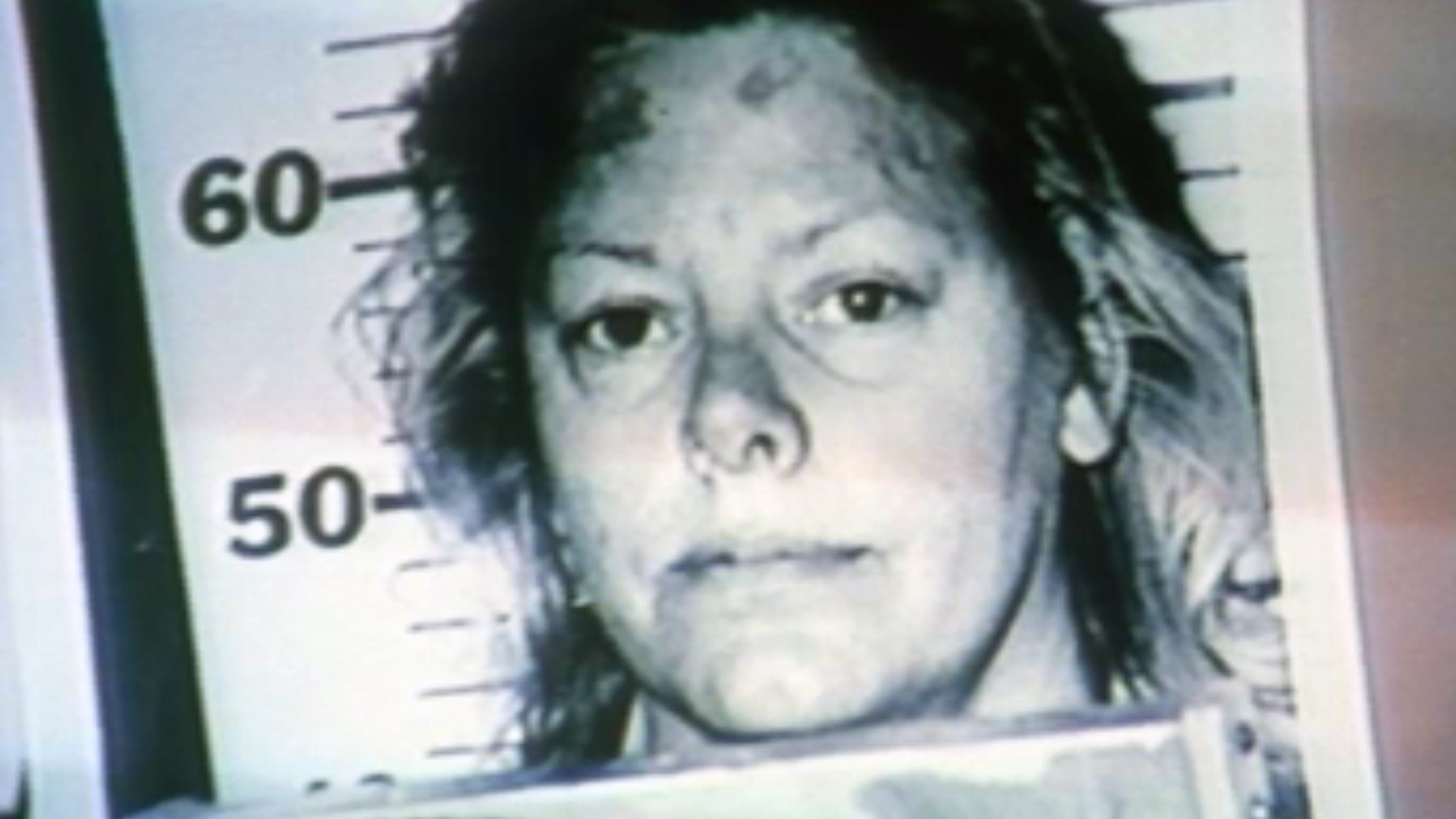
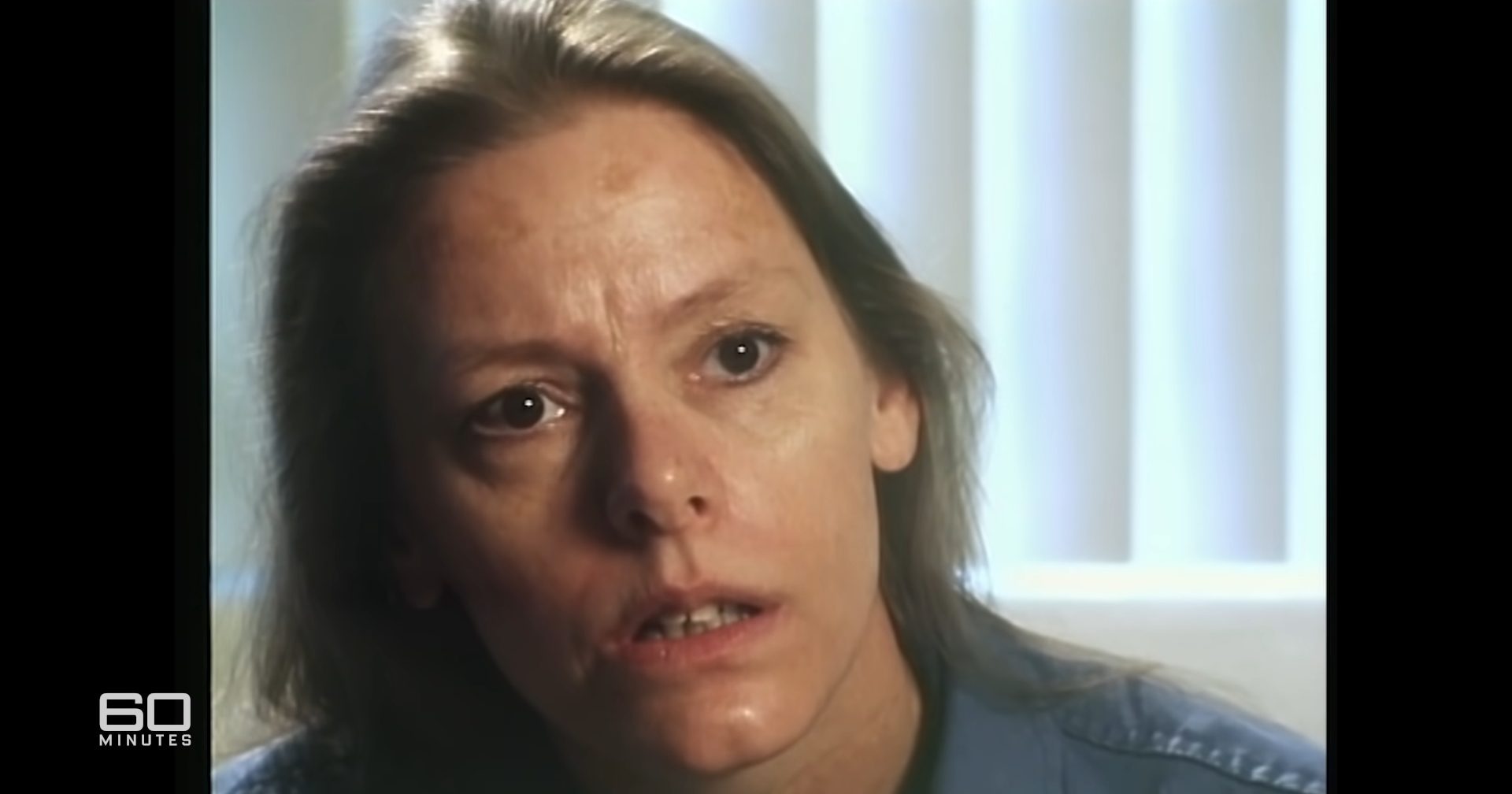
Aileen Wuornos was an American serial killer who murdered seven men in Florida between 1989 and 1990. Convicted and sentenced to death for six of the murders, she argued that her actions were committed in self-defense while working as a sex worker. Her case remains one of the most studied and polarizing criminal investigations in United States history.
Early Life and Background
Aileen Carol Wuornos was born Aileen Carol Pittman on February 29, 1956, in Rochester, Michigan. Her childhood was marked by instability, abuse, and trauma. Her father, a convicted sex offender, was institutionalized and committed suicide in 1969. Following a transient upbringing, Wuornos moved to Florida in her late teens, where she lived a nomadic lifestyle, often facing precarious financial situations and frequent brushes with the law.
The volatility of her early environment is often cited by legal experts and psychologists as a formative factor in her eventual descent into criminality. Between 1976 and 1989, Wuornos was arrested multiple times for various offenses, including armed robbery, assault, and petty theft. Her transition from petty crime to homicide occurred during a period of intense personal instability, during which she lived in various motels and rest areas along Florida’s interstate highways.
The 1989–1990 Homicide Spree
Between November 1989 and November 1990, seven men—Richard Mallory, David Spears, Charles Carskaddon, Peter Siems, Troy Burress, Charles Humphreys, and Walter Antonio—were found murdered in Florida. The victims were discovered in wooded areas near major roadways, often partially undressed or without personal identification.
The investigation was complicated by the nature of the victims' lifestyles and the locations where the bodies were discovered. Law enforcement agencies in various Florida counties eventually realized the geographical proximity and similar modus operandi of the crimes, leading to a coordinated multi-agency task force. Police identified Wuornos primarily through forensic evidence, specifically fingerprint matches on a vehicle abandoned by one of the victims and the tracking of pawned items belonging to the deceased.
Legal Defense and Trial Strategy
Wuornos was arrested on January 9, 1991, at a biker bar in Volusia County, Florida. Following her arrest, she initially claimed that she had killed the men in self-defense, asserting that they had attempted to rape her while she was working as a roadside prostitute.
Her legal strategy evolved significantly throughout the judicial process. While she initially maintained the self-defense claim for all seven killings, she eventually pleaded no contest to three of the charges and pleaded guilty to others to avoid further protracted trials. Her defense team argued that her history of severe trauma and borderline personality disorder should be considered as mitigating factors in her sentencing. However, the prosecution successfully argued that the murders were premeditated and that Wuornos had systematically targeted the men for robbery and murder.
Summary of Legal Outcomes
The following table outlines the key legal milestones for the conviction of Aileen Wuornos.
| Case / Victim Reference | Date of Incident | Legal Outcome | Sentencing |
|---|---|---|---|
| Richard Mallory | Nov 1989 | Convicted | Death Penalty |
| David Spears | Dec 1989 | Pleaded Guilty | Death Penalty |
| Charles Carskaddon | Dec 1989 | Pleaded Guilty | Death Penalty |
| Peter Siems | Jan 1990 | Convicted | Death Penalty |
| Troy Burress | Jul 1990 | Pleaded Guilty | Death Penalty |
| Charles Humphreys | Sep 1990 | Pleaded Guilty | Death Penalty |
| Walter Antonio | Nov 1990 | Convicted | Death Penalty |
Execution and Final Statements
Following a series of appeals that lasted over a decade, Wuornos dismissed her legal team and requested that her appeals be dropped. She claimed that she wanted to end the litigation because she was being harassed by spirits in prison and believed that her continued survival was no longer viable.
On October 9, 2002, Aileen Wuornos was executed via lethal injection at the Florida State Prison in Raiford, Florida. Her final statement before the execution was a controversial assertion claiming that the police had known about the killings all along and that she had been "hated by society." This statement reinforced her long-standing contention that the judicial system had failed to acknowledge the systemic violence she faced as a woman working in the sex trade.
Psychological Evaluations and Forensic Analysis
Mental health professionals evaluated Wuornos throughout her incarceration. While she was diagnosed with antisocial personality disorder and borderline personality disorder, courts consistently found her competent to stand trial and capable of understanding the consequences of her actions.
Forensic criminologists have frequently used the Wuornos case as a case study in the intersection of childhood abuse, domestic violence, and violent crime. Some sociologists argue that the media coverage of the time, which often labeled her the "first female serial killer," overlooked the nuance of her self-defense claims, while others maintain that her pattern of behavior—specifically the robbery and subsequent murder of vulnerable men—aligned clearly with predatory serial behavior.
Impact on Media and Public Perception
The case of Aileen Wuornos has been the subject of intense public and media scrutiny, including numerous documentaries, television movies, and investigative podcasts. In 2003, the film Monster, starring Charlize Theron, depicted a dramatized version of her life and crimes. While such media portrayals have brought the case to a wider audience, critics often argue that they prioritize sensationalism over the factual complexities of the legal record.
These representations have kept the debate regarding the legitimacy of her self-defense claim alive in public discourse, despite the fact that the judicial system rejected those arguments on multiple occasions. As of 2026, the case remains a standard example used in criminal justice curricula to discuss the complexities of mandatory sentencing and the role of psychological evaluation in capital cases.
Frequently Asked Questions
Did Aileen Wuornos have a partner in her crimes?
Aileen Wuornos committed her crimes primarily alone. However, her romantic partner at the time, Tyria Moore, became a key witness for the prosecution. Moore provided testimony that helped secure the convictions, claiming she was unaware of the murders until Wuornos confessed to them.
What was the official cause of death for the victims?
Most of the victims were killed by gunshot wounds from a .22-caliber pistol. The consistency of the ballistics evidence played a significant role in connecting the seven homicides to a single perpetrator.
Was Wuornos considered a serial killer by legal definition?
Yes. The Federal Bureau of Investigation (FBI) defines a serial killer as someone who kills three or more people over a period of more than a month with a "cooling off" period between murders. Wuornos's pattern of killing individuals over the course of a year met these specific forensic and legal criteria.
Why did she stop her appeals?
In 2001, Wuornos began filing motions to fire her lawyers and drop her appeals. She expressed that she was "tired of fighting" and wanted to proceed with her execution, citing a belief that she could not receive a fair trial due to the intense public hatred directed toward her.
How did the police locate her?
The police utilized a combination of eyewitness accounts from those who had seen Wuornos with the victims, fingerprints recovered from the abandoned vehicles, and forensic ballistics. The investigation was significantly aided by the fact that items belonging to the victims were found at various pawn shops, which Wuornos had signed for using her own identification.
Next Steps for Researchers
For those interested in studying the legal aspects of this case further, the most accurate primary resources include the trial transcripts filed with the Florida Supreme Court. These documents provide the verbatim testimony, evidence lists, and judicial rulings that defined the scope of the state's case against Wuornos. Scholars should prioritize these court records over secondary media accounts to ensure a clear understanding of the evidence presented during the trials.