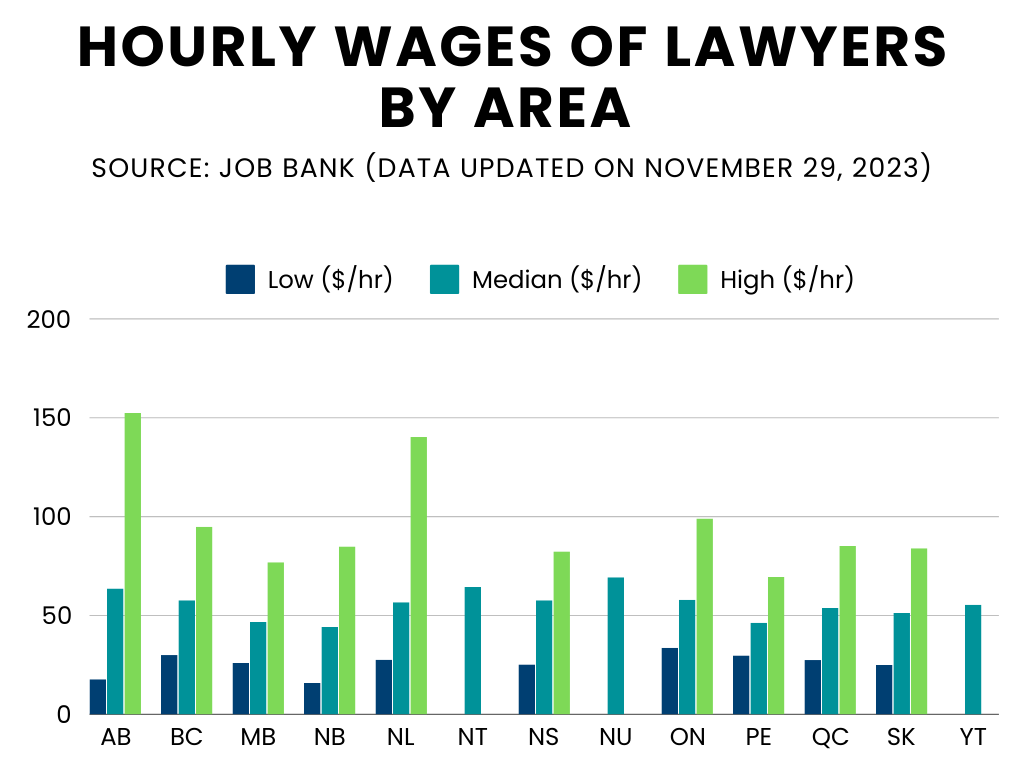
Affordable business lawyers typically charge between $150 and $350 per hour, compared to $400 to $800+ per hour at high-end corporate firms. For routine tasks—such as LLC formation or standard contract drafting—flat-fee pricing generally ranges from $500 to $2,000. Total legal costs vary based on geography, firm size, attorney experience, and project scope.
Understanding Business Lawyer Pricing Structures
Navigating attorney fees requires an understanding of how legal professionals bill for their time and services. Unlike consumer-oriented legal fields—such as personal injury, which relies heavily on contingency fees—commercial law relies predominantly on hourly rates, fixed fees, and retainer models. Selecting an affordable business lawyer starts with understanding these billing models so you can align them with your company's operational cash flow.
Hourly Rates vs. Flat Fees vs. Monthly Retainers
The hourly rate remains the traditional fee model across the legal industry. Under an hourly agreement, a business attorney bills for exact time spent on your matter, typically calculated in six-minute increments (one-tenth of an hour). While hourly billing provides flexibility for complex or unpredictable matters, it leaves business owners exposed to unpredictable invoices if a legal task takes longer than anticipated.
Flat-fee billing has gained popularity among solo practitioners and boutique firms servicing small-to-medium enterprises (SMEs). In a flat-fee arrangement, the attorney completes a defined task—such as drafting an employee handbook or reviewing a lease—for an agreed-upon dollar amount. This model offers price predictability and forces both parties to define the scope of work clearly upfront.
Monthly retainers operate as an ongoing service agreement. Under a general retainer, you pay a set fee each month to reserve a specified number of attorney hours or to cover baseline advisory services (such as phone consultations, document reviews, and corporate governance updates). Retainer arrangements work well for growing companies with ongoing legal needs that do not justify an in-house general counsel.
- Hourly Billing: Best for unpredictable disputes or litigation
- Flat-Fee Pricing: Best for routine contracts, formation, IP
- Monthly Retainer: Best for ongoing advisory & fractional GC
Contingency and Alternative Fee Arrangements (AFAs)
Contingency fee structures—where the lawyer receives a percentage of a monetary recovery—are rare in transactional business law. However, contingency arrangements may apply in specific commercial disputes, such as breach of contract claims involving clear financial damages or debt collection actions.
Alternative Fee Arrangements (AFAs) combine elements of traditional structures. Common AFAs include:
- Capped Hourly Billing: The attorney bills hourly up to an agreed maximum limit. If the project finishes early, you pay less; if it takes longer, the bill stops at the cap.
- Blended Rates: A uniform hourly rate applied across all team members working on your file, regardless of whether a senior partner or a junior associate performs the work.
- Success Fees or Milestone Payments: A lowered base fee tied to specific project milestones, with an added bonus paid upon achieving a target outcome (such as closing a funding round or completing a merger).
Average Costs for Common Small Business Legal Services
Legal expenses vary by task complexity, regulatory burden, and risk exposure. Understanding market rates for discrete legal deliverables helps small business owners budget effectively.
Business Entity Formation and Governance
Establishing a legal entity—such as a Limited Liability Company (LLC), C-Corporation, or S-Corporation—involves drafting foundational documents and filing them with state agencies. An affordable attorney generally charges between $500 and $1,500 for standard LLC formation, which includes drafting an Operating Agreement, filing Articles of Organization, obtaining an Employer Identification Number (EIN), and establishing corporate resolution templates.
Complex corporate structures involving multiple shareholder classes, vesting schedules, or investor rights agreements (such as those required for venture-backed startups) range from $2,500 to $6,000 under affordable or boutique pricing models.
Contract Drafting and Review
Contracts govern relationships with suppliers, clients, employees, and landlords. Hiring an attorney to draft a custom agreement (e.g., Master Services Agreement, Non-Disclosure Agreement, or Employment Contract) generally costs between $400 and $1,500 per document under a flat-fee model.
Contract review—where an attorney evaluates an existing document provided by a vendor or landlord—is less intensive than custom drafting. Attorneys typically charge between $200 and $600 for standard contract reviews, or bill between 1 and 3 hours at their standard hourly rate.
Intellectual Property (IP) Protection
Protecting brand assets and original works requires federal filings. Filing a standard trademark application with the U.S. Patent and Trademark Office (USPTO) through an affordable business lawyer typically costs between $600 and $1,500 per class of goods/services, plus official USPTO filing fees (typically $250 to $350 per class). Patent drafting and prosecution are significantly more technical, costing from $5,000 for basic provisional patents to upwards of $15,000 for utility patents, even through lower-cost specialists.
| Legal Service / Deliverable | Affordable / Solo Attorney Rate | Mid-Sized Firm Rate | Premium / BigLaw Rate |
|---|---|---|---|
| Hourly Rate (General Advisory) | $150 – $350 / hr | $350 – $600 / hr | $650 – $1,200+ / hr |
| Single LLC Formation Package | $500 – $1,200 | $1,500 – $3,000 | $3,500 – $7,500+ |
| Standard Contract Drafting | $400 – $1,200 | $1,200 – $2,500 | $3,000 – $6,000+ |
| Commercial Lease Review | $300 – $800 | $800 – $2,000 | $2,000 – $4,500+ |
| Trademark Application Filing | $600 – $1,500 (+ fees) | $1,500 – $3,000 (+ fees) | $3,500 – $6,000 (+ fees) |
| Monthly Fractional Counsel Retainer | $1,000 – $3,000 / mo | $3,500 – $7,500 / mo | $8,000 – $15,000+ / mo |
Key Factors That Drive Business Legal Fees
Understanding the variables that influence legal costs allows business owners to seek out efficiencies and evaluate quotes effectively.
1. Geographic Market and Cost of Living
Legal rates correlate directly with the cost of living and operating expenses in a given market. Attorneys practicing in major metropolitan centers—such as New York, San Francisco, or Chicago—face higher overhead costs, driving average hourly rates higher. Conversely, attorneys operating in smaller cities, suburban locations, or virtually across state lines often offer lower billing rates for identical legal work.
Because business law is largely governed by state statutory law and general contract principles, hiring a licensed attorney based outside a major metro area within your jurisdiction can yield substantial savings.
- Metropolitan Center (High Overhead): $350 – $600+/hr
- Suburban / Virtual (Low Overhead): $150 – $300/hr
2. Attorney Seniority and Firm Size
Law firm architecture heavily impacts billing rates. Large national law firms maintain significant administrative staff, physical offices, and extensive research software, expenses that are factored into client billing rates.
Solo practitioners and boutique business firms maintain lower overhead. A senior attorney who spent fifteen years at a major firm before launching an independent practice often provides comparable technical legal counsel at half the hourly rate of their legacy firm.
3. Complexity, Industry Specialization, and Urgency
Standard transactional tasks carry lower legal risk and predictable workloads, resulting in lower costs. However, specialized sectors—such as health tech, securities compliance, fintech, or international export controls—require deep regulatory expertise. Specialty knowledge commands higher billing rates.
Rush timelines also escalate costs. If an agreement must be negotiated and finalized within 24 to 48 hours, attorneys may charge premium rates or bill extra hours to reorder client schedules.
How to Find and Vet Affordable Business Attorneys
Finding affordable legal representation requires looking beyond standard internet searches or high-budget advertising campaigns. Several reliable channels connect business owners with vetted, cost-effective attorneys.
State Bar Association Referral Services and Incubator Programs
Most state and local bar associations maintain formal attorney referral panels. These platforms categorize attorneys by practice area, geographic region, and disciplinary record. Many bar associations mandate that participating attorneys offer an initial consultation at a fixed, discounted rate (often $35 to $50 for the first 30 minutes).
Additionally, university law schools and regional bar foundations operate legal incubator programs. These initiatives support recent law school graduates who are launching solo practices focused on serving small businesses and low-to-moderate-income entrepreneurs. Incubator lawyers receive mentorship from experienced practitioners while offering services below market rates.
Unbundled Legal Services (Limited Scope Representation)
Limited scope representation—often called "unbundled legal services"—allows you to hire an attorney for specific parts of a task while handling routine administrative steps yourself.
For example, instead of hiring an attorney to manage an entire contract negotiation process, you might pay them solely to review a draft, highlight risky clauses, and provide suggestions. You then handle direct communications with the opposing party. This target-focused approach reduces attorney hours while securing professional oversight for core legal risks.
Essential Screening Questions During Initial Consultations
Before signing an engagement letter, conduct a structured initial consultation to confirm fit and price transparency. Ask the following questions:
- What portion of your practice is dedicated to small business law? Ensure the attorney handles commercial matters routinely, rather than practicing business law secondary to domestic relations or personal injury.
- Do you offer flat-fee pricing or capped billing for this project? Confirm whether the quote includes disbursements, filing fees, administrative overhead, and follow-up revisions.
- Who will actually perform the work on my file? Clarify whether tasks will be handled by the primary attorney or delegated to junior associates or paralegals with lower billing rates.
- How do you bill for communication? Ask if short phone calls, emails, or administrative questions incur minimum billing increments (such as 0.1 or 0.2 hours).
Strategies to Minimize Legal Expenses Without Sacrificing Protection
Effective client management keeps legal bills manageable without sacrificing legal protection.
1. Organize Documents and Summarize Facts Before the Clock Starts
Attorneys bill for time spent reading, organizing, and clarifying facts. You can reduce billable hours by compiling relevant materials before your consultation.
- Create a chronological timeline of events if a dispute arises.
- Gather related contracts, emails, and amendments into a single structured digital folder.
- Draft a summary sheet outlining your business goals, key terms, and non-negotiables before asking an attorney to draft or review an agreement.
2. Use Standard Templates as Starting Points, Not Final Products
Drafting standard documents completely from scratch increases attorney time. You can lower costs by bringing a standard template or industry-standard starting draft to your consultation.
However, avoid relying on unverified internet templates without professional review. State laws vary, and boilerplate forms may omit essential liability protections or contain clauses that conflict with local regulations. Using a template as an initial draft allows your lawyer to focus on customization rather than spending billable hours on standard boilerplate language.
3. Establish Clear Guidelines in the Engagement Agreement
The engagement agreement (or retainer agreement) defines the legal relationship between you and your lawyer. Review this contract carefully to set baseline financial controls:
- Specify Billing Increments: Ensure the firm bills in six-minute increments (0.1 hour) rather than fifteen-minute increments (0.25 hour).
- Require Prior Approval for Research: Mandate that legal research exceeding a specific time limit (e.g., two hours) requires your advance written authorization.
- Opt Out of Administrative Surcharges: Negotiate to remove generic overhead surcharges for printing, internal photocopying, or basic legal database access fees.
Frequently Asked Questions
How much does a business lawyer charge per hour on average?
Affordable solo practitioners and small boutique business attorneys typically charge between $150 and $350 per hour. Mid-sized regional firm rates generally range from $350 to $600 per hour, while partner-level attorneys at national firms often bill over $700 per hour.
Can I hire a business lawyer on a flat-fee basis?
Yes. Many business attorneys offer flat-fee packages for routine transactional tasks. Common flat-fee services include LLC formation, trademark filings, custom contract drafting, standard commercial lease reviews, and employment policy creation.
What is a legal retainer, and how much is typically required?
A legal retainer is an upfront deposit placed into an attorney’s client trust account. As the attorney performs billable work, they deduct fees from this balance. Initial retainers for small business clients generally range from $1,000 to $5,000, depending on the anticipated scope of work.
Is it worth hiring an affordable business lawyer instead of using DIY legal platforms?
While automated document platforms offer low costs for basic filings, they do not provide personalized legal counsel, state-specific guidance, or tactical risk mitigation. Hiring a cost-effective lawyer helps ensure documents are tailored to your business model, compliant with local laws, and structured to prevent costly legal disputes.
How do legal billing increments work?
Most law firms bill hourly work in six-minute increments (0.1 of an hour). For example, a two-minute phone call is billed as 0.1 hours. If a firm uses 15-minute increments (0.25 of an hour), that same two-minute call incurs a charge for a quarter of an hour of work.
Recommended Next Steps for Securing Cost-Effective Counsel
To secure cost-effective legal support for your business, take a structured approach:
- Audit Your Immediate Legal Needs: Determine whether your business requires ongoing advisory services (a monthly retainer), a one-time transactional service (a flat fee), or litigation support (hourly representation).
- Gather Initial Documentation: Prepare corporate filings, current agreements, and an outline of your primary business risks before contacting attorneys.
- Request Consultations with at Least Three Practitioners: Compare pricing structures, firm overhead, industry experience, and willingness to work under flat-fee or capped billing arrangements.
- Review the Engagement Letter Thoroughly: Confirm billing increments, fee caps, and service scope before making payment.
Disclaimer: This guide is for informational purposes only and does not constitute formal legal advice. Legal rates, filing requirements, and statutory regulations vary by jurisdiction and practice area. Consult a qualified, licensed attorney within your state to address specific legal questions.