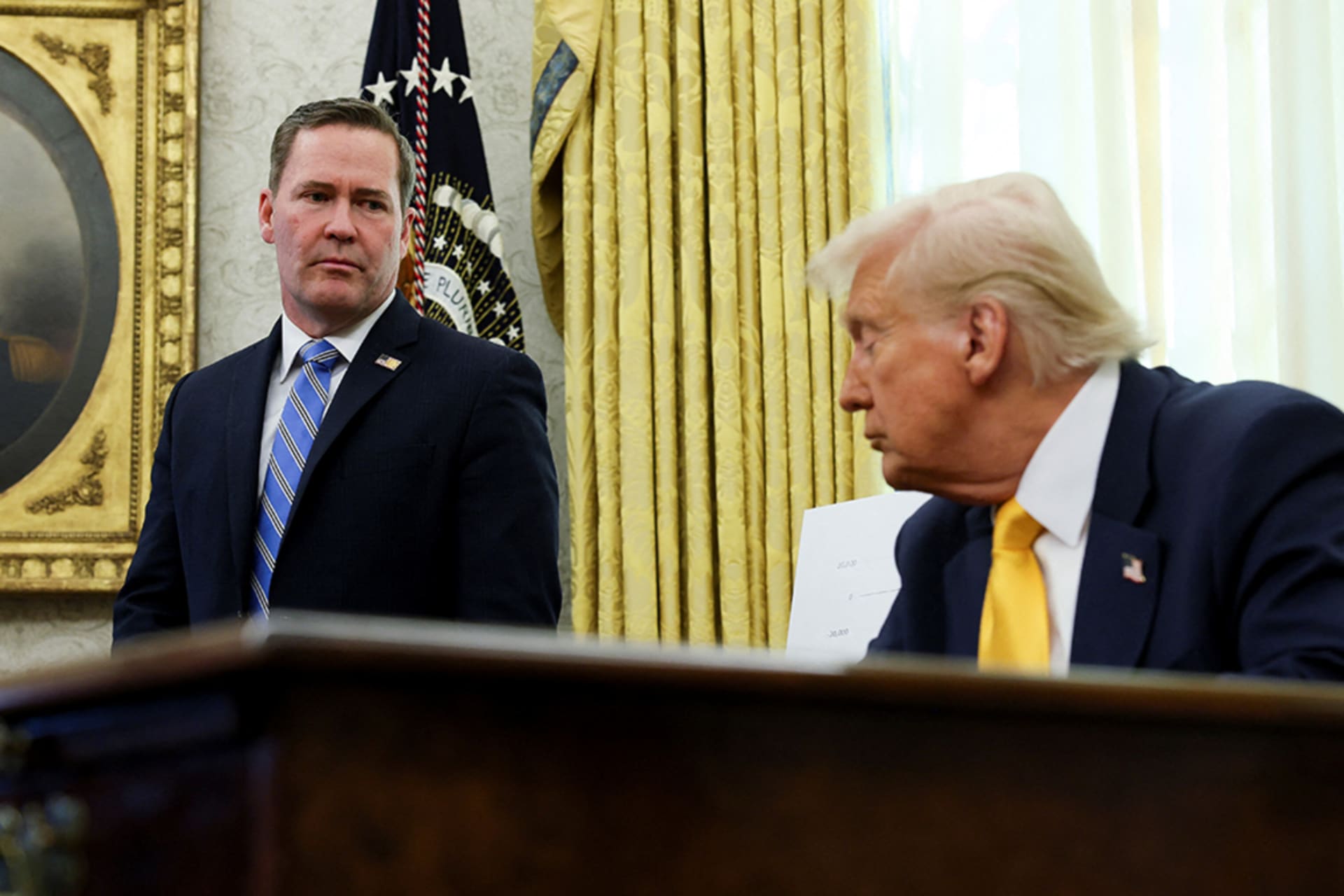
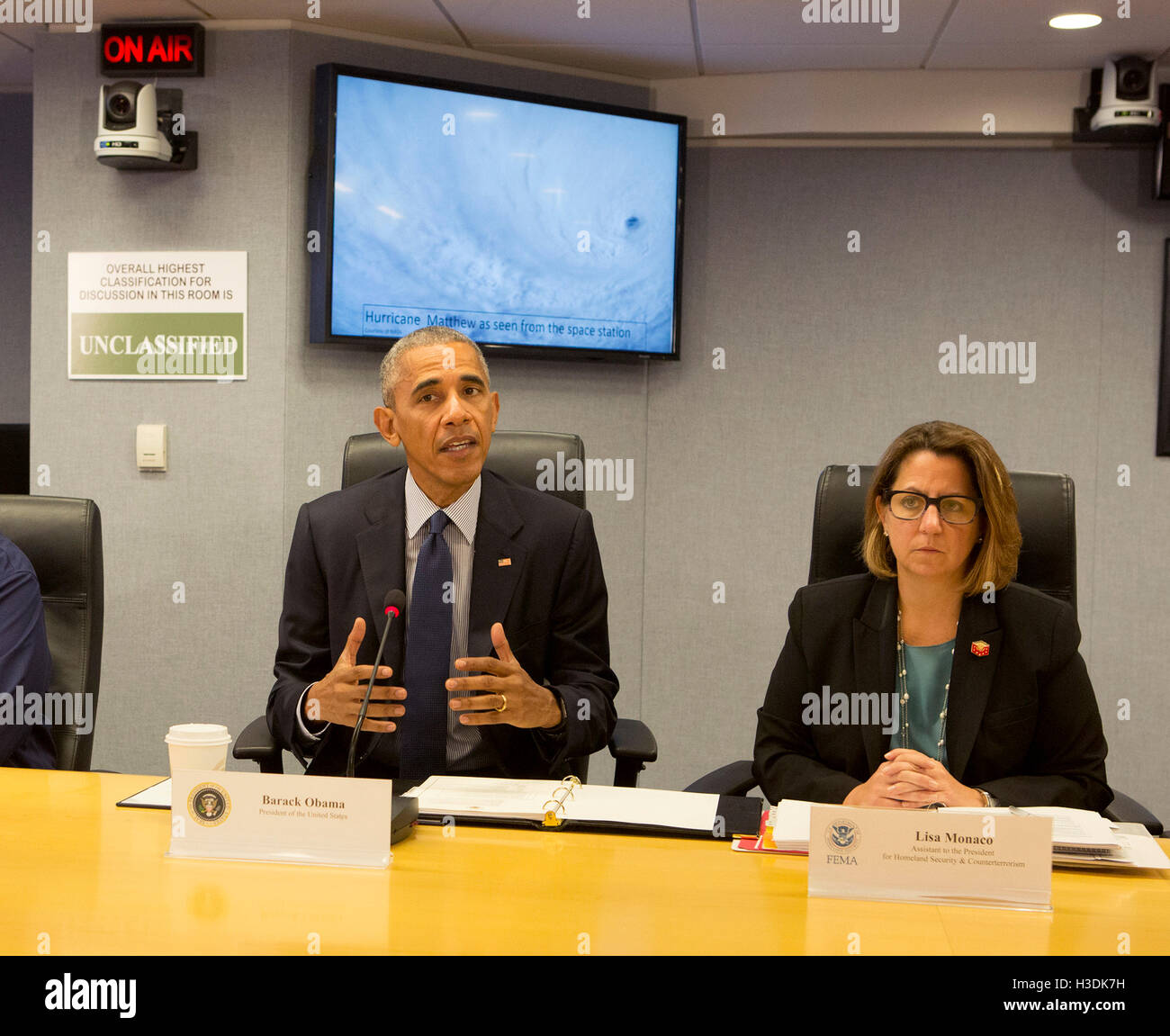
Serving as an advisor to the president of the United States is a high-level executive role characterized by significant proximity to national decision-making, rigorous security vetting, and a requirement for specialized subject-matter expertise. These individuals provide confidential counsel to the head of the executive branch, shaping policy through data analysis, political strategy, and crisis management, while operating under the strict hierarchy of the White House Office.
Defining the Scope of Presidential Advising
The title "advisor to the president" is distinct from cabinet-level positions such as the Secretary of State or Secretary of Defense. While cabinet members lead vast federal bureaucracies and require Senate confirmation, an advisor typically serves as a direct aide within the Executive Office of the President (EOP). These roles are often categorized into specific policy domains, such as economic, domestic, national security, or legal affairs.
The primary function of an advisor is to filter information, synthesize complex data into actionable briefings, and present diverse perspectives to the president. Unlike heads of federal agencies who focus on long-term administration and enforcement, advisors are tasked with high-frequency, real-time strategic support. They function as a bridge between the vast intellectual resources of the federal government and the president's specific policy agenda.
Hierarchies and Security Clearances
Navigating the environment of the White House requires adherence to both formal and informal hierarchies. The Chief of Staff typically manages the access and communication flow to the president. Advisors must secure the appropriate level of security clearance—often Top Secret/Sensitive Compartmented Information (TS/SCI)—to engage in deliberations regarding national security, intelligence, or sensitive diplomatic efforts.
The vetting process for these positions is exhaustive, involving extensive background investigations conducted by the Federal Bureau of Investigation (FBI) or the Office of Personnel Management (OPM). This process evaluates financial interests, past associations, and foreign contacts to ensure the candidate is suitable for a role involving the highest levels of executive privilege and sensitive information.
Primary Responsibilities and Daily Operations
An advisor to the president manages a multifaceted workflow that evolves based on current events and the administration's legislative priorities. Their work can be categorized into four fundamental pillars:
- Strategic Briefing: Transforming raw intelligence or policy reports into concise "decision memos." These documents provide the president with background, options, and recommended courses of action.
- Policy Synthesis: Collaborating with agency leads to ensure that the president’s directives are being implemented across the various departments of the executive branch.
- Inter-agency Liaison: Acting as a mediator between competing interests within the government. For example, an advisor might be tasked with reconciling conflicting policy recommendations from the Department of Treasury and the Council of Economic Advisers.
- Crisis Management: Providing immediate, on-call support during natural disasters, international incidents, or domestic emergencies. In these moments, the advisor acts as a rapid-response resource for executive decision-making.
Comparison of Presidential Support Roles
The following table outlines the distinctions between various advisory and leadership roles within the federal executive structure.
| Role Type | Confirmation Required | Primary Focus | Access to President |
|---|---|---|---|
| Cabinet Secretary | Yes (Senate) | Managing an Agency | Varies |
| Assistant to the President | No | High-level Strategy | Daily/Direct |
| Deputy Assistant | No | Implementation | Indirect/Project-based |
| Special Assistant | No | Specialized Research | Support-based |
The Impact of the Executive Office Structure
The structure of the White House, as of 2026, remains built upon the 1939 Reorganization Act and subsequent modifications. The Executive Office of the President (EOP) houses entities such as the National Security Council (NSC), the Office of Management and Budget (OMB), and the Council of Economic Advisers. Advisors are often embedded within these offices to provide a localized, subject-specific focus.
The "West Wing" layout itself facilitates the advisor's function. Proximity to the Oval Office is often correlated with the frequency of interaction and the influence of the advisor’s portfolio. However, physical location is secondary to the quality of the advisor's relationship with the president and the Chief of Staff. Trust is the primary currency in this environment; if an advisor loses the trust of the president, their ability to influence policy, regardless of their official title, effectively terminates.
Requirements for Service
There is no single path to becoming an advisor to the president. Most individuals selected for these roles possess a combination of high-level academic credentials and extensive experience in their respective fields. Common backgrounds include:
- Legal Practice: Experience in high-level constitutional law, international law, or executive regulation.
- Academic Research: Tenure or expertise in economics, political science, or regional studies.
- Public Policy Advocacy: Experience working within think tanks, non-governmental organizations, or legislative offices where one has demonstrated an ability to influence public opinion or policy outcomes.
- Operational Leadership: Proven success in managing large-scale operations or complex political campaigns.
Regardless of the background, the role demands long, irregular hours and a high tolerance for public and internal scrutiny. Advisors must be prepared to represent the administration's stance even in contentious environments, often serving as the primary face of a policy in media or congressional briefings.
Potential Challenges and Ethical Constraints
Advisors operate under the constraints of the Presidential Records Act and various ethics regulations. They must balance their role as a political operative with their duty to the public interest. Conflicts of interest are a significant area of oversight; advisors are frequently required to divest from assets that could create even the appearance of a conflict with their policy work.
Furthermore, advisors face the inherent challenge of "groupthink." Because the environment is highly insular, a primary, often unspoken, duty of an effective advisor is to bring critical, dissenting, or uncomfortable information to the president’s attention before a fatal flaw in a strategy becomes evident. Those who are only "yes-men" rarely last long or provide lasting value to an administration.
Frequently Asked Questions
Does an advisor to the president need to be a political appointee? Yes. These positions are political appointments by nature. They serve at the pleasure of the president, meaning they can be terminated at any time without cause. Their tenure typically ends when the president leaves office or when the administration undergoes a major staff transition.
How does an advisor influence legislation? Advisors influence legislation by coordinating with the Office of Legislative Affairs. They help draft language for proposed bills, assist in lobbying efforts, and prepare the president for meetings with congressional leaders to ensure the executive branch's priorities are integrated into the final legislative product.
What is the difference between a Special Assistant and an Assistant to the President? The hierarchy is denoted by the title. "Assistant to the President" is the highest-ranking staff member in the White House, often holding significant power over policy. "Special Assistant" is a mid-to-lower level tier, often focused on specific, narrow project areas or administrative support.
Can an advisor to the president be subpoenaed? This is a complex legal area involving executive privilege. While advisors are often called to testify before congressional committees, they frequently cite executive privilege—a doctrine that protects the president's right to confidential communications—to avoid disclosing the contents of their advice. The legality of this claim is often the subject of intense litigation.
How is the salary of a presidential advisor determined? Salaries for White House staff are capped by federal law and are disclosed in annual reports to Congress. While they are paid by the taxpayer, these salaries are often lower than what the individuals could command in the private sector, reflecting the "service" aspect of the role.
Next Steps for Aspiring Advisors
For those interested in pursuing a path toward senior executive advising, the first step is building a specialized, recognizable track record in a high-impact field. Engaging in federal service, contributing to major policy research, or developing expertise in high-demand areas like technology regulation or climate policy provides the foundation required for consideration. Networking within established policy circles and maintaining a impeccable professional and personal record are essential prerequisites for navigating the intense vetting processes inherent in high-level White House service.