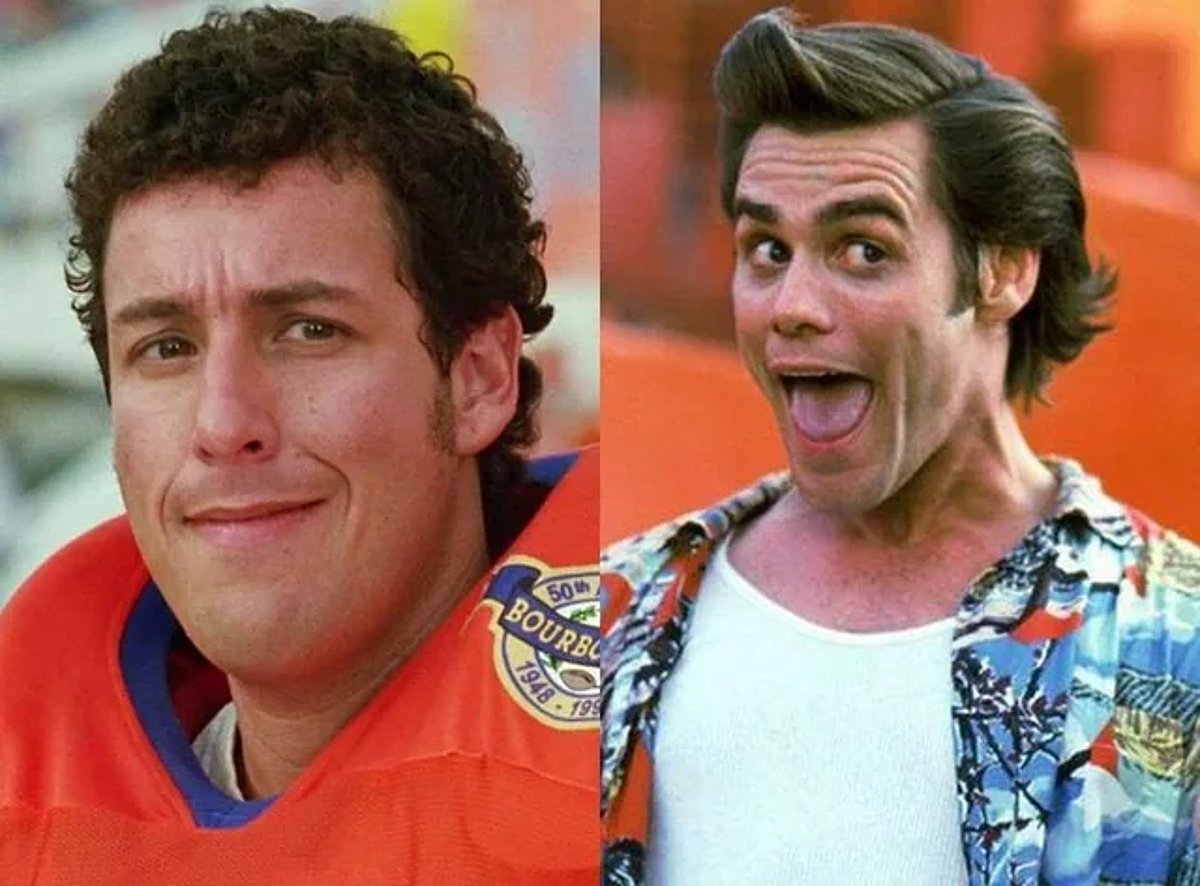
Adam Sandler and Jim Carrey share a bond rooted in the grueling, competitive trenches of 1980s stand-up comedy, evolving from struggling circuit peers into two of the most influential comedic icons in Hollywood history. Their connection is defined by mutual professional respect, shared stylistic influences, and a rare ability to navigate the shift from low-brow sketches to dramatic cinematic acclaim.
The Foundation: The 1980s Comedy Circuit
The friendship between Adam Sandler and Jim Carrey did not begin on the red carpet; it started in the dimly lit, smoke-filled clubs of the mid-1980s. During this era, both men were pounding the pavement in Los Angeles and throughout the North American comedy club circuit. Sandler was emerging from the New York scene, bringing his distinctive musical comedy and character work to clubs like The Improv and Catch a Rising Star. Meanwhile, Carrey, having moved from Canada, was already developing the high-energy, physical persona that would soon define his career.
In the mid-1980s, the comedy landscape was intensely competitive. Comedians were fighting for limited stage time and the attention of talent scouts who could provide a gateway to television appearances. Despite this pressure, a camaraderie developed among the performers who were regulars at the same venues. Sandler and Carrey moved within the same social orbit of young, hungry comics. They shared the same experiences—driving long distances for meager pay, refining bits in front of indifferent crowds, and enduring the volatility of the entertainment industry before they were household names.
Parallel Paths: From Stand-up to Screen
While their friendship was forged in clubs, their professional paths showed both similarities and distinct divergences that kept them in each other's orbit for decades. Carrey broke through significantly earlier on the national stage, most notably through his work on In Living Color (1990–1994), which catapulted him into movie superstardom. Sandler’s trajectory followed a similar, albeit slightly delayed, arc, finding his massive breakout as a cast member on Saturday Night Live (1990–1995).
Their parallel success allowed them to support one another as they transitioned into the film industry. Throughout the 1990s and 2000s, as both men became two of the highest-paid stars in Hollywood, they maintained a level of mutual admiration that is rarely seen among competitors of their stature. They were frequently grouped together in the media as the "kings of physical comedy," a label that both men recognized as a shared professional identity.
Mutual Respect and Artistic Influence
A core element of their friendship is a profound respect for each other’s craft. Both performers revolutionized the use of the body as a narrative tool. Carrey’s rubber-faced, elastic movement in films like The Mask (1994) and Ace Ventura: Pet Detective (1994) mirrored the commitment Sandler brought to his manic, often infantile-yet-earnest character archetypes.
Their professional bond is often highlighted during tributes and awards shows. Over the years, they have been seen together at industry events, frequently sharing stories about their early days. The public has seen glimpses of this rapport in various forms, such as their shared appreciation for the late Garry Shandling, who served as a mentor figure to many in the comedy world. By acknowledging their shared roots, they have successfully avoided the toxic rivalry that often characterizes the relationships between top-tier actors in the same demographic.
Navigating the Transition to Drama
Beyond comedy, the most significant link between Sandler and Carrey is their successful pivot to serious, critically acclaimed drama. Critics and audiences alike often compare their dramatic work because both actors utilized their history of playing "outcasts" or "manic fools" to inform their deeper, more somber roles.
| Actor | Iconic Comedy Role | Landmark Dramatic Role | Key Thematic Parallel |
|---|---|---|---|
| Jim Carrey | Ace Ventura | The Truman Show | The struggle for personal identity |
| Adam Sandler | Billy Madison | Punch-Drunk Love | The eruption of repressed rage |
In 2002, both men hit critical benchmarks that changed their careers. Sandler starred in Paul Thomas Anderson’s Punch-Drunk Love, which surprised critics who were accustomed to his "SNL" persona. That same era saw Carrey further cementing his dramatic range with The Truman Show and Eternal Sunshine of the Spotless Mind. Their ability to pivot served as a silent, shared testament to their versatility, and they have often publicly supported the idea that comedic actors are the most capable of handling heavy emotional material.
The Role of Mentorship and Shared History
The friendship has endured into 2026 because it is grounded in a "survivor" mentality. They belong to a generation of comedians who cut their teeth before the rise of social media-driven fame. This shared history provides a language that only they can speak. In recent years, both have gravitated toward more selective, personal projects, choosing roles that satisfy their creative curiosity rather than focusing solely on box office dominance.
Their connection is not one of constant public collaboration, but rather a quiet, consistent friendship maintained away from the cameras. When they do appear together—whether in brief cameos, documentary interviews, or awards ceremonies—the chemistry is palpable. It is the camaraderie of two people who witnessed the same explosion of popularity and who both chose to prioritize their personal evolution over the relentless pace of their early careers.
Common Questions About Their Relationship
Did Adam Sandler and Jim Carrey ever star in a movie together? While both actors have shared the screen in ensemble settings or through industry tributes, they have not yet co-starred in a major motion picture as a lead duo. Despite fan speculation over the decades, they have maintained separate creative paths, though their mutual support has remained constant.
Are they friends in private life or just professional acquaintances? They are considered peers and friends with a genuine, long-standing rapport. While they are not known for constant public social outings, their interactions in interviews and industry spaces consistently convey warmth, deep history, and personal affection that transcends simple professional acquaintanceship.
How has their friendship influenced their career choices? Their friendship helped normalize the "comedian-turned-dramatist" trajectory. By watching each other successfully take risks in dramatic roles, both felt empowered to explore darker, more complex characters, knowing that their peer was navigating the same critical landscape and earning the same respect from the film industry.
What is the defining similarity in their comedic style? The defining similarity is "total physical commitment." Both Sandler and Carrey operate with a high degree of vulnerability in their performances. Whether it is Sandler’s signature temper tantrum or Carrey’s contortionist physical humor, both actors use their bodies to express emotions that their characters are often unable to articulate with words.
Why do fans frequently compare them? Fans compare them because they were the two undisputed titans of comedy in the 1990s and early 2000s. They represent the two faces of that era’s humor—Sandler the relatable, manic slacker and Carrey the high-octane, surreal character actor. Their continued relevance in 2026 ensures that these comparisons persist as they both enter the veteran phase of their careers.
Next Actions for Fans
To better understand the depth of their contributions to cinema and their connection to the comedy world, viewers can look toward documentaries that focus on the history of the 1980s comedy scene. Watching their early stand-up specials side-by-side provides the best context for how their initial styles were formed and how they eventually diverged. For those interested in their dramatic evolution, re-watching Punch-Drunk Love and Eternal Sunshine of the Spotless Mind remains the most effective way to appreciate the artistic risks they took—risks they often credited each other for during their journeys to becoming respected dramatic actors.