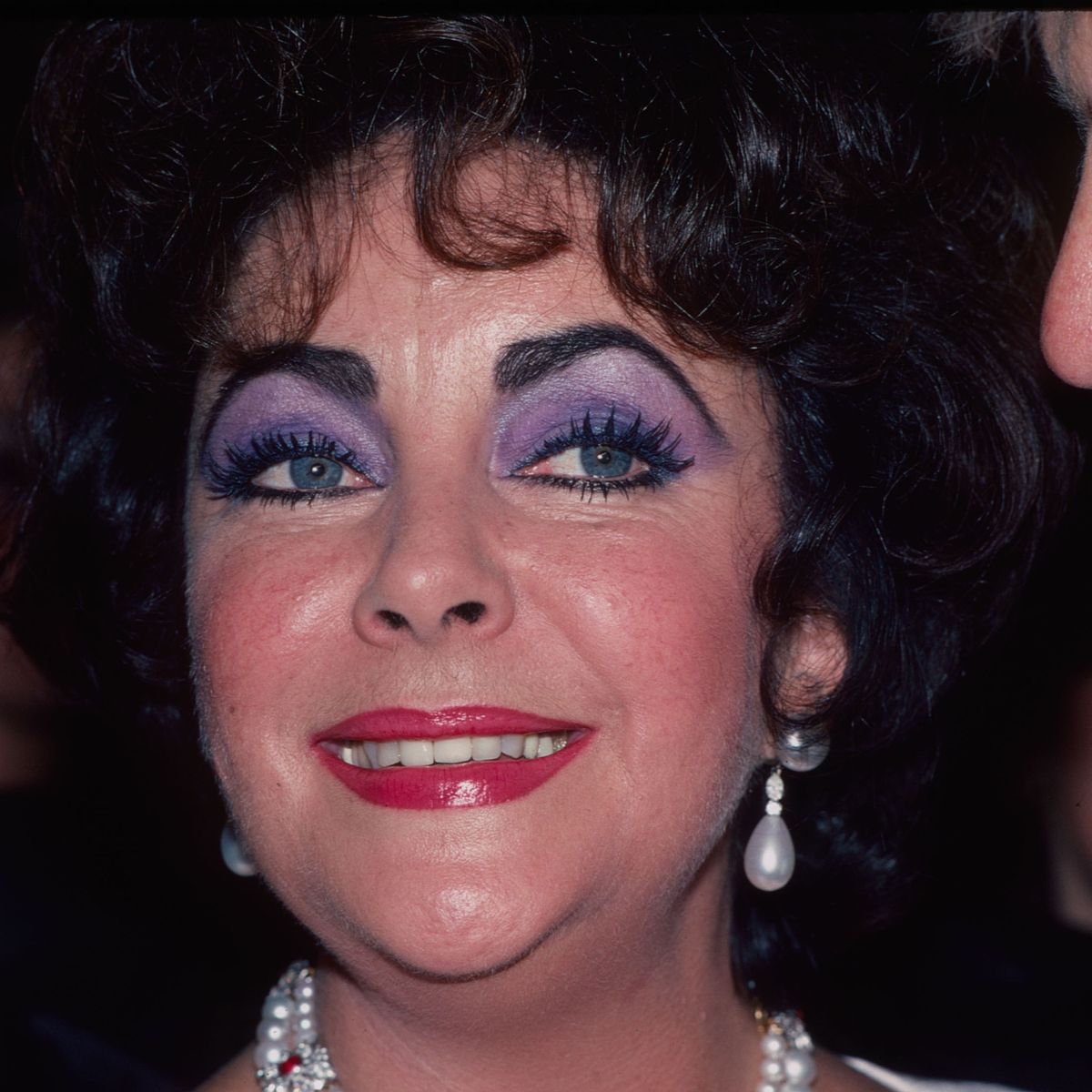
The actress most famously associated with purple eyes is Hollywood icon Dame Elizabeth Taylor. While true violet eye pigment does not naturally occur in human irises without specific forms of albinism, Taylor possessed a rare, deep slate-blue iris shade. Combined with a double row of eyelashes—a condition called distichiasis—her eyes visually shifted to a striking violet when illuminated by technicolor studio lighting and framed by violet or cool-toned makeup and wardrobe.
Elizabeth Taylor: The Screen Icon and Her Signature Eyes
Few physical traits in cinematic history have captured the public imagination like Elizabeth Taylor’s eyes. Born in London in 1932, Taylor emerged as one of the defining screen stars of Golden Age Hollywood, starring in classics such as National Velvet (1944), Cat on a Hot Tin Roof (1958), Suddenly, Last Summer (1959), and Cleopatra (1963). Throughout her career, public fascination centered not only on her acting talent and glamorous lifestyle, but specifically on her unique facial features.
Taylor's gaze was accentuated by a rare genetic mutation known as distichiasis. Diagnosed shortly after her birth, this mutation of the FOXC2 gene causes an extra row of eyelashes to grow along the eyelid margins. In her early childhood, film directors noted that her lashes appeared so unusually thick that they frequently asked her to remove eye makeup, only to discover that the dark, natural frame around her eyes was entirely genuine.
Normal Eyelid Anatomy vs. Distichiasis:
- Standard Eyelid: Single row of eyelashes along the outer lid margin.
- Distichiasis (FOXC2 variant): Secondary row emerging from meibomian gland openings.
This dense lash frame created high visual contrast against her irises. When captured on film stock, her natural slate-blue irises absorbed and reflected light in ways that produced a distinct violet hue. Film studios frequently capitalized on this visual phenomenon. Wardrobe departments intentionally dressed her in plum, lavender, navy, and turquoise garments, while makeup artists utilized complimentary eye shadows to heighten the perceived purple tone.
The Science of Iris Color: Can Human Eyes Truly Be Violet?
To understand how an eye can appear purple, it is necessary to examine how the human iris produces color. Iris coloration is determined by the presence and distribution of melanin—specifically eumelanin—in the stroma (the front tissue layer of the iris) and the posterior epithelium (the back layer).
Unlike skin or hair, irises do not contain blue, green, or violet pigments. All human irises contain brown melanin pigment; variations in eye color result from the amount of melanin present and the way light scatters across the physical structure of the stroma.
Structural Mechanics of Iris Coloration:
- High Melanin Concentration
- Absorbs light
- Appears Brown/Black
- Moderate Melanin Concentration
- Partial light absorption
- Appears Green/Hazel
- Low Melanin Concentration
- Rayleigh Scattering
- Appears Blue/Slate
- Absence of Melanin + Blood Vessel Reflection
- Appears Red/Pink/Violet
Rayleigh Scattering and Color Perception
In eyes with minimal melanin in the front stroma, longer wavelengths of light (reds and yellows) pass through the transparent tissue, while shorter wavelengths (blues) scatter back to the observer. This physical process, known as Rayleigh scattering, is the same optical principle that makes the daytime sky appear blue.
When an individual has an iris with a specific density of collagen fibers alongside low to moderate levels of brown melanin, the light scattering effect can blend the underlying red of retinal blood vessels with the scattered blue light. Under standard illumination, these eyes appear as a deep slate-blue. However, under high-intensity full-spectrum lighting or specific color-temperature environments, the blue scattering combines with red spectral components to register as violet to the human eye.
Ocular Albinism and True Violet Eyes
The only circumstance in which an iris can naturally display a genuine reddish-purple hue is in severe cases of albinism (such as oculocutaneous albinism). In individuals with albinism, the body produces very little or no melanin. Because the iris lacks pigment, light passes uninhibited into the eye and reflects off the dense network of blood vessels in the retina and uveal tract.
Depending on the residual trace of structural blue scattering and the intensity of light reflecting from back-of-the-eye blood vessels, the iris can appear pinkish-red or pale violet. However, this biological condition is typically accompanied by significant visual impairments, including photophobia (extreme sensitivity to light), nystagmus (involuntary eye movement), and reduced visual acuity.
Myth vs. Reality: Debunking "Alexandria’s Genesis"
The enduring myth of naturally occurring purple eyes has been amplified in internet culture by a popular urban legend known as Alexandria’s Genesis. This fictional condition is often incorrectly cited in online forums as a legitimate genetic mutation that produces purple eyes.
The Origin of the Legend
Alexandria’s Genesis did not originate in medical literature or historical records. It was created in the late 1990s by an internet user writing fanfiction based on the animated television show Daria. The fictional lore claimed that the mutation originated in 14th-century England, when a girl named Alexandria was born with purple eyes after a mysterious light flashed in the sky.
Fictional Claims vs. Biological Realities
| Mythic Claim (Alexandria's Genesis) | Biological and Medical Reality |
|---|---|
| Infants are born with purple eyes or eyes turn purple within six months. | Iris pigmentation settles by age three; purple pigment does not naturally synthesize in human DNA. |
| Affects predominantly women of Caucasian descent with pale skin that never burns. | Skin lacking melanin pigment (albinism) is exceptionally vulnerable to UV damage and sunburn. |
| Absence of body hair except on the head, eyebrows, and eyelashes. | Hair follicle development is controlled by different genetic pathways than iris pigmentation. |
| Absence of menstruation while retaining normal fertility. | Menstruation is an essential physiological process for natural uterine reproduction; non-menstruating fertility is biologically impossible. |
| Immunity to disease and an extended lifespan exceeding 120 years. | No single iris pigmentation mutation grants systemic immunity or extreme longevity. |
Medical professionals and human geneticists consistently emphasize that Alexandria’s Genesis is entirely fictional. It remains a notable example of modern digital folklore that built upon the public's historical fascination with Elizabeth Taylor's eye color.
Visual Illusions in Film and Fashion: Enhancing Eye Color
The film industry has long understood that perceived eye color is highly dynamic. Prior to the invention of colored contact lenses or digital color grading, cinematographers and wardrobe managers used practical techniques to alter how an actor's eyes appeared on screen.
1. Wardrobe Complementarity
Color theory plays a vital role in human perception. When an actor wears clothing directly adjacent to their skin, the ambient light reflecting off the fabric casts a slight color hue onto the face. Dyes matching or contrasting with slate-blue irises dramatically shift how those irises are perceived:
- Deep Purple and Lavender: Clothing in these shades reflects violet tones onto the face, emphasizing the cool violet components of deep blue eyes.
- Emerald Green and Gold: These colors absorb cool light and reflect warm hues, shifting slate-blue eyes toward green or grey.
- Black and Charcoal: High contrast frames make the whites of the eyes (sclera) look brighter, darkening the perceived tone of the iris.
2. Studio Lighting Techniques
During the mid-20th century, Hollywood studios transitioned heavily to Technicolor film processes. Technicolor required extremely bright set lighting—often intense tungsten and carbon-arc lamps—to expose the color-sensitive film layers properly.
These powerful light sources penetrated deep into the tissue of the iris. In Elizabeth Taylor's case, the harsh studio lighting reflected off the underlying retinal vasculature while simultaneously triggering blue Rayleigh scattering in the stroma. This precise balance of spectral light created the striking purple hue recorded on Technicolor film stock.
3. Contact Lenses and CGI in Modern Production
In contemporary cinema and television, achieving specific eye colors for visual storytelling no longer relies solely on natural lighting anomalies.
Modern Production Techniques for Eye Modification:
- Practical: Prosthetic & Cosmetic Contact Lenses (e.g., hand-painted opacity layers)
- Post-Production: Digital Visual Effects (VFX tracking & digital iris re-coloring)
For instance, in literary adaptations where characters possess purple eyes—such as the Targaryen family in George R.R. Martin's A Song of Ice and Fire universe—producers must decide how to handle the visual detail:
- Emilia Clarke (Game of Thrones): The character Daenerys Targaryen is described in novels as having violet eyes. Production initially attempted to use tinted contact lenses on Emilia Clarke, but the lenses caused severe discomfort and hindered her emotional performance. The showrunners opted to retain her natural hazel-green eyes.
- Anya Chalotra (The Witcher): Playing Yennefer of Vengerberg, whose signature visual marker in Andrzej Sapkowski's fantasy saga is violet eyes, Chalotra wore custom colored contact lenses. In scenes where the lenses were uncomfortable or unsafe, digital color grading was used in post-production to apply the signature violet glow.
Comparative Breakdown: Iris Characteristics Across Colors
To understand where slate-blue and visual violet eyes fit into human genetics, the following table breaks down melanin distribution, structural effects, and population prevalence worldwide:
| Iris Appearance | Primary Melanin Type | Stroma Density | Optical Effect | Estimated Global Prevalence |
|---|---|---|---|---|
| Brown | High Eumelanin | Dense | Full light absorption; minimal scattering | 79% – 86% |
| Blue | Low/No Eumelanin | Sparse | High Rayleigh scattering of blue wavelengths | 8% – 10% |
| Hazel | Moderate Eumelanin | Variable | Combined green/brown absorption and light scattering | 5% |
| Amber | High Lipochrome/Pheomelanin | Moderate | Yellowish-gold light reflection | 5% |
| Green | Low Eumelanin + Lipochrome | Low to Moderate | Blue Rayleigh scattering combined with yellow pigment | 2% |
| Slate/Violet-Shifted | Minimal Eumelanin | Specific Collagen Structure | Blue scattering combined with deep blood vessel reflection under intense light | < 1% |
| True Violet (Albinism) | Complete Absence of Melanin | Extremely Low | Red retinal reflection mixed with minimal structural blue light | < 0.001% |
Medical and Genetic Considerations of Unique Eye Features
Distinctive eye characteristics often arise from specific genetic variations. While Elizabeth Taylor's dual eyelash rows and slate-violet eyes brought her fame, these traits involve underlying biological mechanisms worth noting.
Distichiasis and the FOXC2 Gene
Distichiasis is an autosomal dominant genetic condition linked to mutations in the FOXC2 gene on chromosome 16. While extra eyelashes can look aesthetically striking on film, the condition can cause significant ocular irritation if the secondary row of lashes grows inward toward the cornea (trichiasis).
In medical practice, patients with distichiasis frequently require treatments such as:
- Cryotherapy: Freezing the inner eyelash follicles to prevent irregular growth.
- Electrolysis: Individually destroying aberrant hair roots with mild electrical currents.
- Therapeutic Contact Lenses: Soft bandage lenses that protect the cornea from mechanical friction caused by misplaced eyelashes.
Heterochromia Iridum
Another condition frequently discussed alongside rare eye colors is heterochromia, where an individual possesses two different eye colors (complete heterochromia) or multiple colors within the same iris (sectoral or central heterochromia).
Famous actors with heterochromia include:
- Kate Bosworth: Features one blue eye and one half-brown, half-blue eye (sectoral heterochromia).
- Dominic Sherwood: Has one blue eye and one eye that is half-brown.
- Jane Seymour: Possesses one brown eye and one green eye.
Heterochromia can be inherited naturally as a harmless genetic trait, or it can be acquired through ocular trauma, inflammation, or conditions like Horner's syndrome and Fuchs heterochromic iridocyclitis.
Frequently Asked Questions
Did Elizabeth Taylor wear colored contact lenses to get purple eyes?
No. Colored contact lenses were not commercially developed or used in the film industry during the height of Elizabeth Taylor's career in the 1940s and 1950s. The first soft contact lenses were introduced in the late 1960s, and cosmetic colored lenses did not become widely available until the 1980s. Taylor's eye color was entirely natural, resulting from a slate-blue iris base, studio lighting, and color coordination in makeup and wardrobe.
Can a person be born naturally with true purple eyes?
In typical human genetics without underlying medical conditions, no. Human DNA does not produce purple melanin. However, individuals born with severe forms of albinism can appear to have violet eyes because the near-complete absence of pigment allows light to reflect off blood vessels in the retina, blending red reflections with faint blue structural light.
What was the genetic condition that gave Elizabeth Taylor her thick eyelashes?
Elizabeth Taylor was diagnosed with distichiasis, a rare genetic mutation of the FOXC2 gene. This condition causes a secondary row of eyelashes to grow along the meibomian glands of the eyelid. This natural extra row of lashes created a dark frame around her eyes, significantly highlighting her deep blue-violet irises.
Is "Alexandria's Genesis" a real genetic mutation?
No. Alexandria’s Genesis is a completely fictitious urban legend created in the late 1990s as a piece of internet fanfiction. Medical science confirms that there is no biological condition that causes purple eyes, lack of body hair, non-menstruating fertility, and extreme longevity as described in the myth.
Which modern actresses have played characters with purple eyes?
Anya Chalotra wore purple contact lenses and had CGI enhancements to portray Yennefer of Vengerberg in The Witcher. Emilia Clarke was originally slated to wear purple lenses to play Daenerys Targaryen in Game of Thrones, but the production team abandoned the lenses because they irritated her eyes, altering her on-screen performance.
Key Takeaways and Next Steps
The mystery of the "actress with purple eyes" rests at the intersection of natural genetics, optical science, and classic Hollywood film craftsmanship. While true purple iris pigment does not exist in standard human biology, Elizabeth Taylor's rare slate-blue irises combined with distichiasis created an unforgettable visual effect that defined her screen legacy.
For those interested in exploring eye color biology or film history further:
- Consult an Eye Care Professional: If you notice sudden changes in your iris pigmentation, eye comfort, or lash growth patterns, schedule a comprehensive exam with an optometrist or ophthalmologist to rule out underlying ocular conditions.
- Explore Practical Optics: Experimenting with wardrobe colors in cool ranges (such as plum, navy, and slate) can visibly alter how deep blue or grey eyes reflect light in natural environments.
- Research Film History: Classic Technicolor cinema offers a fascinating look at how early mid-century lighting setups altered practical set elements and actor aesthetics long before digital CGI existed.