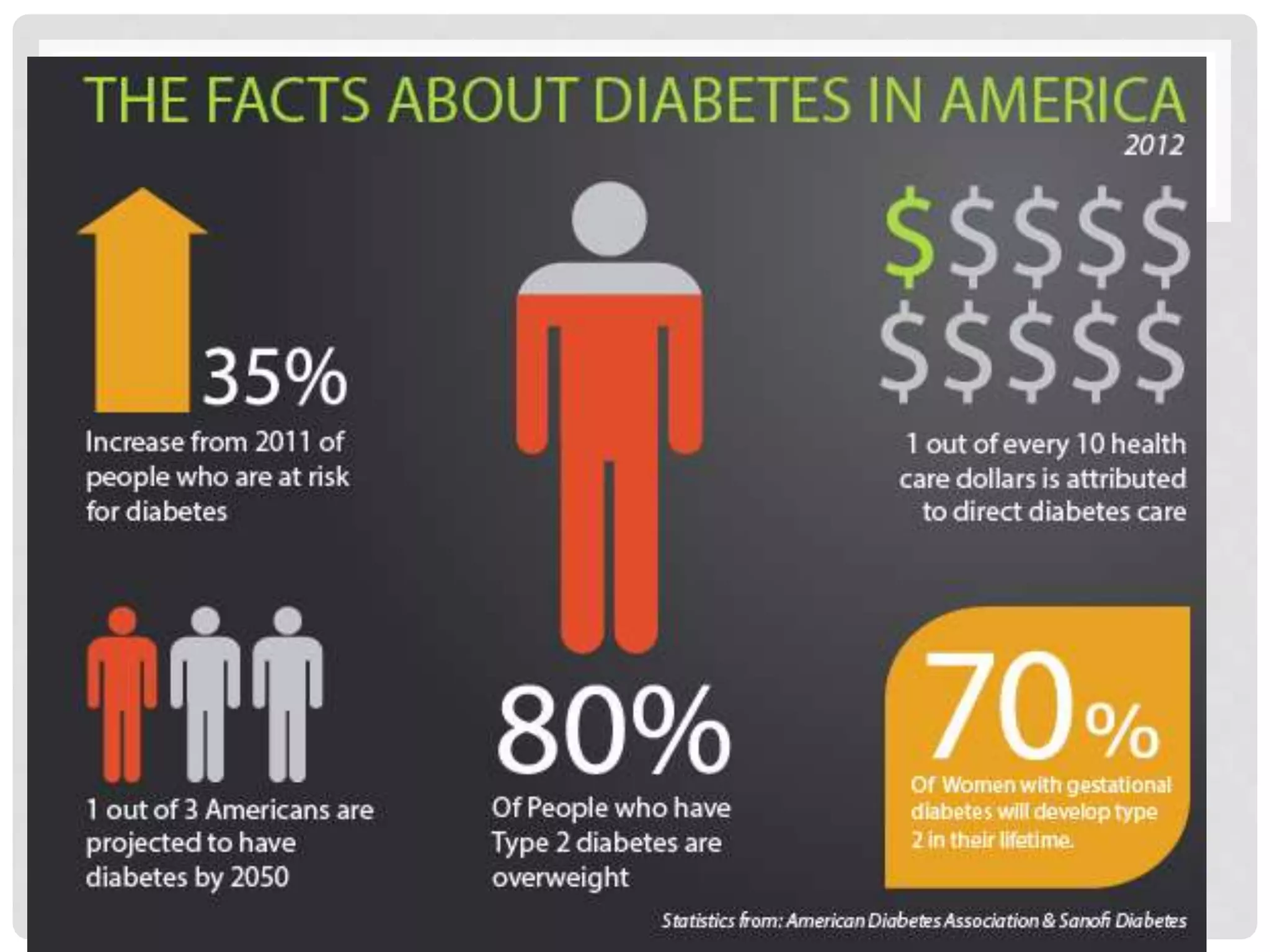
In the United States, approximately 90% to 95% of all diagnosed cases of diabetes are type 2. This overwhelming majority stems from a complex interplay of genetic predisposition and environmental factors, specifically the prevalence of sedentary lifestyles and diets high in processed sugars, which lead to chronic insulin resistance in the body.
The prevalence of diabetes in America has reached an all-time high as we move through 2026. While type 1 diabetes remains a significant clinical challenge, it is type 2 diabetes (T2D) that defines the current public health crisis. Understanding why type 2 accounts for such a staggering percentage of cases requires a deep dive into biology, sociology, and the modern American environment. This article explores the mechanisms of the disease, the reasons behind its dominance, and the state of management and prevention in the current year.
The Statistical Dominance of Type 2 Diabetes
According to the latest data from the Centers for Disease Control and Prevention (CDC) and the American Diabetes Association (ADA), over 38 million Americans are living with diabetes. When you break these numbers down, the disparity between types is stark. Type 1 diabetes, an autoimmune condition where the pancreas produces little to no insulin, typically accounts for only 5% to 10% of cases. The remaining 90% to 95% are type 2, characterized by the body’s inability to use insulin effectively.
The reason for this statistical imbalance is primarily rooted in "modifiability." Type 1 diabetes is generally not preventable and is usually diagnosed in childhood or young adulthood. In contrast, type 2 diabetes is largely a "lifestyle-mediated" condition. Because the risk factors for type 2—such as obesity, physical inactivity, and poor nutrition—are widespread across the American population, the number of potential cases is exponentially higher. Furthermore, as the American population ages, the incidence of type 2 diabetes naturally increases, as the body's metabolic efficiency often declines with time.
Understanding the Pathophysiology: How Type 2 Develops
To understand why type 2 is so common, one must understand how it works at a cellular level. Unlike type 1, where the "insulin factory" is destroyed, in type 2, the factory is often working overtime, but the "locks" on the cells are jammed. This is known as insulin resistance.
The Role of Insulin Resistance
Insulin is a hormone produced by the pancreas that acts like a key, allowing blood sugar (glucose) to enter the cells to be used for energy. In a healthy individual, the pancreas releases just the right amount of insulin in response to rising blood sugar after a meal.
In individuals developing type 2 diabetes, the body's cells—particularly muscle, fat, and liver cells—stop responding normally to insulin. To compensate, the pancreas pumps out more insulin to force the glucose into the cells. For a while, this works, and blood sugar levels remain normal. However, over months or years, the pancreatic beta cells become exhausted. Eventually, the pancreas can no longer keep up, and blood sugar levels rise, leading first to prediabetes and eventually to full-blown type 2 diabetes.
Adipose Tissue and Inflammation
A critical factor in the 90% statistic is the role of excess body fat, particularly visceral fat (fat around the internal organs). Science in 2026 has further solidified our understanding that fat is not just stored energy; it is an active endocrine organ. Excess adipose tissue releases pro-inflammatory chemicals called cytokines. These chemicals directly interfere with insulin signaling pathways, making the "locks" on cells even harder to turn. Given that over 40% of the U.S. adult population is classified as obese, the biological pathway for type 2 diabetes is unfortunately open for a vast segment of the population.
The Modern American Environment: A Catalyst for Type 2
The reason type 2 diabetes has reached the 90% threshold in America is not just biological; it is environmental. The "obesogenic environment" of the United States plays a primary role in driving these numbers.
The Impact of Ultra-Processed Foods
In 2026, the American food supply remains heavily reliant on ultra-processed foods (UPFs). These foods are engineered to be hyper-palatable, shelf-stable, and inexpensive. However, they are often stripped of fiber and loaded with refined carbohydrates and added sugars. Regular consumption of UPFs causes rapid spikes in blood glucose and insulin. Over time, these repeated spikes contribute significantly to the development of insulin resistance.
Sedentary Lifestyles and Urban Design
Physical activity is a natural "insulin sensitizer." When muscles contract during exercise, they can often take up glucose without needing as much insulin. However, the American infrastructure—characterized by car-centric cities and desk-bound occupations—minimizes incidental movement. This lack of daily physical strain means that for many Americans, blood sugar remains elevated for longer periods, placing a constant burden on the pancreas.
Comparison of Diabetes Types
While the focus is on the 90% majority, it is helpful to compare the two primary forms of diabetes to understand why their prevalence differs so drastically.
| Feature | Type 1 Diabetes | Type 2 Diabetes |
|---|---|---|
| Percentage of Cases | ~5-10% | ~90-95% |
| Primary Cause | Autoimmune destruction of beta cells | Insulin resistance & relative insulin deficiency |
| Risk Factors | Genetics, environmental triggers (viruses) | Obesity, inactivity, genetics, age, ethnicity |
| Typical Age of Onset | Childhood, adolescence, or young adulthood | Typically 45+, though increasing in youth |
| Prevention | No known way to prevent | Healthy diet, weight loss, physical activity |
| Insulin Requirement | Required from diagnosis | May be required eventually; often managed with oral meds/GLP-1s |
| Onset of Symptoms | Rapid (weeks or months) | Gradual (often asymptomatic for years) |
Risk Factors Beyond Lifestyle: Genetics and Socioeconomics
While lifestyle is a major driver, it is a mistake to view type 2 diabetes purely as a "choice." Several factors beyond an individual's immediate control contribute to the 90% dominance of this disease.
Genetic Predisposition
Research has identified hundreds of genetic variants associated with an increased risk of type 2 diabetes. Some people are genetically predisposed to store fat in ways that more readily lead to insulin resistance. Others may have a lower "personal fat threshold," meaning they develop diabetes at a lower Body Mass Index (BMI) than others. When these genetic vulnerabilities meet the modern American diet, the result is the current epidemic.
Social Determinants of Health
Socioeconomic status is one of the strongest predictors of type 2 diabetes. Access to fresh, affordable produce is not universal in the United States; many low-income neighborhoods are "food deserts" where the only accessible options are fast food and convenience stores. Furthermore, the high cost of healthcare and the lack of safe places for outdoor exercise in certain areas create a barrier to prevention. Addressing the 90% statistic requires looking at these systemic inequalities as much as individual choices.
The State of Management in 2026
Management of type 2 diabetes has evolved significantly by 2026. The goal has shifted from simply "lowering blood sugar" to a more holistic approach focused on weight management and cardiovascular protection.
GLP-1 and GIP Receptor Agonists
The mid-2020s have seen a revolution in pharmacological treatment. Medications like semaglutide and tirzepatide, originally developed for diabetes, are now standard of care. These drugs mimic hormones that stimulate insulin secretion, slow gastric emptying, and signal satiety to the brain. For many Americans with type 2 diabetes, these medications have enabled significant weight loss and, in some cases, the remission of the disease—defined as maintaining normal blood sugar levels for at least three months without glucose-lowering medication.
Continuous Glucose Monitoring (CGM)
Technological advancements have made Continuous Glucose Monitors (CGMs) more accessible to type 2 patients, not just those with type 1. These small, wearable sensors provide real-time data on how specific foods and activities affect blood sugar. This immediate feedback loop is a powerful tool for behavioral change, allowing individuals to see the direct impact of a 15-minute walk or a high-carb meal on their metabolic health.
Potential Complications of Untreated Type 2 Diabetes
The reason the 90% statistic is so alarming to public health officials is the high cost of complications. When type 2 diabetes is poorly managed, chronic high blood sugar damages blood vessels and nerves throughout the body.
- Cardiovascular Disease: Diabetes significantly increases the risk of heart attack and stroke. It is the leading cause of death among people with T2D.
- Nephropathy (Kidney Disease): High blood sugar levels force the kidneys to filter too much blood, eventually leading to kidney failure.
- Retinopathy (Eye Damage): Diabetes is a leading cause of blindness in working-age adults due to damage to the small blood vessels in the retina.
- Neuropathy (Nerve Damage): This often manifests as tingling or numbness in the feet, which can lead to undetected injuries and, in severe cases, amputation.
Moving the Needle: Prevention and Public Health
Because 90% of cases are type 2, the potential for impact through prevention is enormous. Public health initiatives in 2026 are increasingly focused on "prediabetes" intervention. Approximately 98 million American adults have prediabetes—a condition where blood sugar is high but not yet at the diabetic threshold. Without intervention, many of these individuals will progress to type 2 diabetes within five years.
Effective prevention strategies include the National Diabetes Prevention Program (National DPP), which focuses on modest weight loss (5-7% of body weight) and 150 minutes of weekly physical activity. Studies have shown that these lifestyle changes can reduce the risk of developing type 2 diabetes by over 50%.
Frequently Asked Questions
Can type 2 diabetes turn into type 1 diabetes?
No. Type 1 and type 2 diabetes have different underlying causes. Type 1 is an autoimmune disease where the body attacks the pancreas. Type 2 is a metabolic condition involving insulin resistance. While a person with type 2 may eventually need to take insulin because their pancreas has become exhausted, the underlying cause remains type 2.
Is type 2 diabetes "milder" than type 1?
This is a common misconception. While type 2 may have a slower onset and can often be managed with oral medications initially, the long-term complications—such as heart disease, kidney failure, and blindness—are just as severe as those for type 1 if the condition is not properly managed.
Is type 2 diabetes reversible in 2026?
The medical community prefers the term "remission." Through significant weight loss (often achieved via bariatric surgery, intensive lifestyle changes, or GLP-1 medications), many people can achieve non-diabetic blood sugar levels. However, the genetic predisposition remains, and if weight is regained or lifestyle habits revert, the diabetes will typically return.
Why are younger people being diagnosed with type 2 more often?
The rise in childhood obesity and the prevalence of sedentary screen time have led to an increase in type 2 diabetes among adolescents and young adults. This is particularly concerning because the longer someone has the disease, the more time there is for complications to develop.
Does eating too much sugar cause type 2 diabetes?
Not directly, but sugar-sweetened beverages and high-sugar diets contribute to weight gain and insulin resistance. High sugar intake causes repeated insulin spikes, which over time can desensitize cells to the hormone's effects.
Next Steps for Those at Risk
If you are part of the population at risk for type 2 diabetes, the most important step is early detection. Because type 2 often has no symptoms in its early stages, many people live with it for years without knowing.
- Get Screened: Ask your healthcare provider for an A1c test or a fasting plasma glucose test, especially if you have a BMI over 25 or a family history of the disease.
- Focus on Fiber: Increasing fiber intake through whole grains, legumes, and vegetables helps stabilize blood sugar levels.
- Prioritize Movement: Even short bouts of activity, such as walking after meals, can significantly improve insulin sensitivity.
- Consult a Professional: Registered Dietitians (RDs) and Certified Diabetes Care and Education Specialists (CDCES) can provide personalized plans to navigate the complexities of metabolic health.
For more information on managing or preventing type 2 diabetes, consult the American Diabetes Association or the CDC’s National Diabetes Prevention Program.
Medical Disclaimer: The information provided in this article is for educational purposes only and should not be construed as medical advice. Always seek the advice of your physician or other qualified health provider with any questions you may have regarding a medical condition.