The comparison of net worth between Rafael Caro Quintero and Joaquín "El Chapo" Guzmán reveals a stark difference in the scale of their criminal empires. While Caro Quintero's peak wealth was estimated at approximately $650 million in the mid-1980s, El Chapo’s career earnings were valued by U.S. prosecutors at over $12.6 billion, reflecting the massive expansion of the global drug trade over four decades.
The Evolution of the Mexican Drug Trade: An Overview
To understand the financial disparity between Rafael Caro Quintero and Joaquín "El Chapo" Guzmán, one must first look at the eras in which they operated. As of 2026, historians and law enforcement analysts view these two figures as the "old guard" and the "modern tycoon" of the Mexican narco-economy.
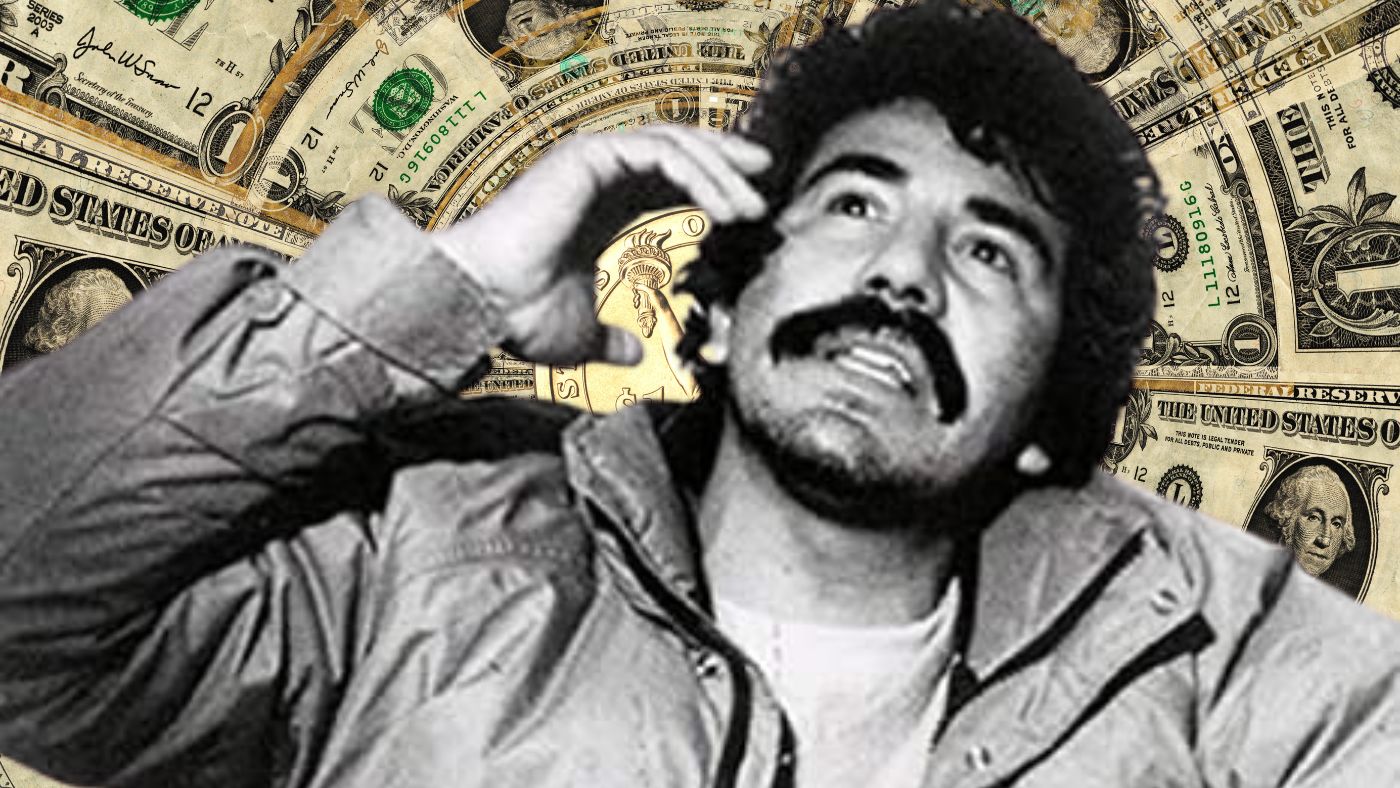
Rafael Caro Quintero, often referred to as the "Narco of Narcos," was a founding member of the Guadalajara Cartel. His peak influence occurred in the late 1970s and early 1980s, a period when the drug trade was largely focused on marijuana and early-stage cocaine transit. In contrast, Joaquín "El Chapo" Guzmán rose to prominence as the leader of the Sinaloa Cartel during the late 1990s and 2000s, overseeing a sophisticated, globalized logistical network that utilized submarines, tunnels, and international shell companies to move cocaine, heroin, methamphetamine, and eventually fentanyl.
The difference in their net worth is not merely a reflection of personal ambition but of the industrialization of organized crime. While Caro Quintero's wealth was tied to vast agricultural estates (latifundios), El Chapo’s wealth was built on a diversified portfolio of international logistics and money laundering.
Rafael Caro Quintero: The Wealth of the "Narco of Narcos"
Rafael Caro Quintero’s financial peak occurred in 1985. At the time of his arrest in Costa Rica, his assets were the subject of intense international scrutiny. The primary source of his wealth was "Rancho Búfalo," a massive marijuana plantation in Chihuahua that employed thousands of laborers.
The Scale of Rancho Búfalo
The seizure of Rancho Búfalo in 1984 by the Mexican government remains one of the largest drug raids in history. The plantation spanned over 1,000 hectares and contained an estimated 10,000 tons of marijuana. At 1980s market prices, this single asset represented an annual potential revenue of billions of dollars, though Caro Quintero's personal net worth—liquid assets and property—was officially estimated by the DEA and Mexican authorities at around $650 million.
Asset Seizures and 2026 Status
Following his initial 28-year imprisonment and subsequent release in 2013 (which was later ruled a mistake), Caro Quintero spent nearly a decade as a fugitive before being re-captured in 2022. By 2026, the Mexican and U.S. governments have successfully frozen or seized dozens of properties linked to him and his family members in Guadalajara and Zapopan. While his family maintains legal battles over these assets, the "liquid" wealth he once commanded has largely been eroded by decades of legal fees and the loss of territory to newer generations of traffickers.
Joaquín "El Chapo" Guzmán: The Billionaire Fugitive
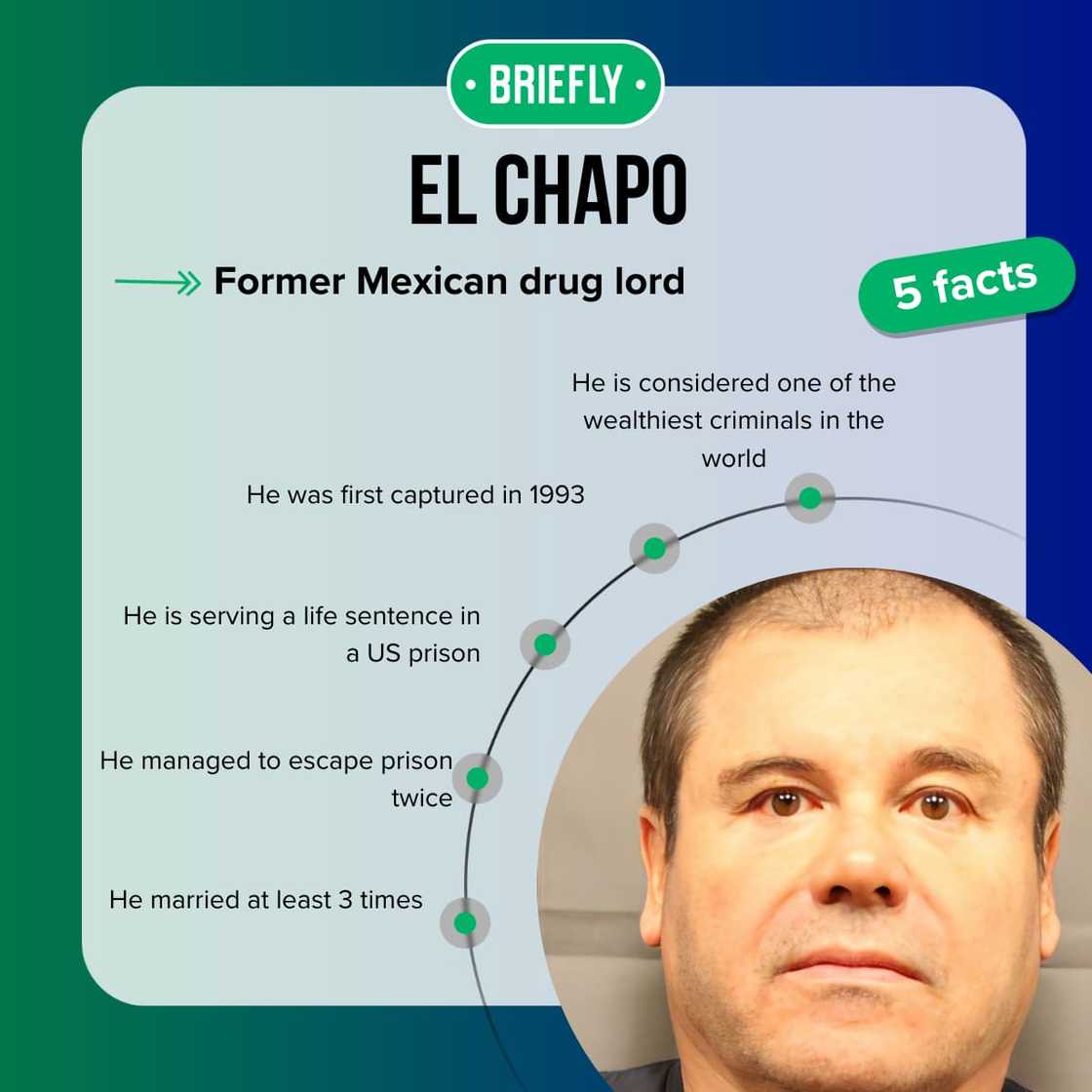
Joaquín Guzmán Loera's wealth became a matter of public fascination when Forbes magazine included him on its list of the world's most powerful people and estimated his net worth at $1 billion in 2009. However, even this figure was widely considered a conservative estimate.
The $12.6 Billion Forfeiture Order
During El Chapo's trial in the United States in 2019, prosecutors provided a detailed accounting of the Sinaloa Cartel’s operations. They calculated that between the early 1990s and 2016, Guzmán was responsible for the distribution of hundreds of thousands of kilograms of narcotics. The court ultimately issued a forfeiture order for $12,666,191,704. This figure represents the gross receipts of the cartel’s sales in the United States during his tenure.
While it is unlikely the U.S. government will ever recover the full $12.6 billion, the figure provides a benchmark for his "net worth" that dwarfs the historical figures associated with Caro Quintero. El Chapo’s wealth was built on:
- Logistical Superiority: High-tech tunnels and "narco-subs" that reduced the risk of seizure.
- Vertical Integration: Controlling everything from the poppy fields in Guerrero to distribution cells in Chicago and New York.
- Diversification: Shifting into high-margin synthetic drugs like methamphetamine.
Key Differences: Caro Quintero vs. El Chapo
The comparison between these two figures is often complicated by the "801" search trend, which frequently appears in digital queries relating to Mexican cartel history. While "701" became a famous brand for El Chapo (referring to his Forbes ranking), "801" is often a misattributed or localized search term related to regional cartel factions or social media trends.
The primary difference in their wealth lies in market globalization. Caro Quintero operated in a world where the U.S. border was less fortified, but the demand for diverse narcotics was lower. El Chapo operated in the era of the North American Free Trade Agreement (NAFTA), using legitimate trade routes to hide illicit shipments on an unprecedented scale.
| Feature | Rafael Caro Quintero | Joaquín "El Chapo" Guzmán |
|---|---|---|
| Primary Cartel | Guadalajara Cartel | Sinaloa Cartel |
| Peak Wealth Estimate | ~$650 Million (1985) | ~$1 Billion (Forbes) / $12.6 Billion (U.S. Court) |
| Primary Commodity | Marijuana & Cocaine Transit | Cocaine, Heroin, Meth, Fentanyl |
| Operational Era | 1970s – Mid-1980s | 1990s – 2016 |
| Asset Type | Vast agricultural land & Real Estate | Global logistics, Shell companies, Tunnels |
| Current Status (2026) | Incarcerated (Mexico) | Life Imprisonment (ADX Florence, USA) |
The Role of Money Laundering and Asset Recovery
In 2026, the focus of law enforcement has shifted from the individuals to the financial structures they left behind. For Rafael Caro Quintero, his wealth was largely "old money"—tangible assets like ranches, car dealerships, and retail centers in Jalisco. These were easier to identify but harder to seize due to the complexities of the Mexican judicial system.
El Chapo's wealth, however, was "digital and ephemeral." The Sinaloa Cartel famously utilized professional money launderers who moved funds through the global banking system and, in later years, via cryptocurrency. This makes the $12.6 billion figure more of a theoretical accounting of his impact rather than a bank balance he could access. In fact, Mexican President Andrés Manuel López Obrador previously stated that the Mexican government should have a claim to Guzmán's assets, but identifying the "hidden" billions remains a challenge even in 2026.
Historical Impact on the Mexican Economy
Both men had a profound, albeit destructive, impact on the local economies where they operated. Caro Quintero was known for "philanthropic" acts in his home state of Sinaloa, such as building roads and providing electricity to rural villages, which helped him cultivate a "social base" of protection.
El Chapo followed a similar path but on a larger scale. The Sinaloa Cartel became a major employer in the "Golden Triangle" region (Sinaloa, Durango, and Chihuahua). The wealth generated by these cartels created a "narco-culture" that has influenced music, fashion, and even local politics for decades. However, this wealth came at the cost of tens of thousands of lives and the destabilization of the rule of law.
Strategic Comparison: The Business Models
To understand why El Chapo’s net worth surpassed Caro Quintero’s by such a significant margin, one must analyze their business models as if they were legitimate corporations.
Caro Quintero: The Agricultural Model
Caro Quintero’s Guadalajara Cartel functioned much like a traditional agricultural conglomerate. They controlled the land, the labor, and the primary product (marijuana). Their profit margins were high, but their volume was limited by the physical constraints of farming and the slower transportation methods of the early 1980s.
El Chapo: The Logistical Model
Guzmán’s Sinaloa Cartel functioned like a modern logistics firm. They did not necessarily need to own the "farms" (though they did in some cases); they focused on the "last mile" of delivery. By controlling the ports, the border crossings, and the distribution networks in the U.S., they could charge a premium for their services. This shift from "production" to "distribution" is what allowed the Sinaloa Cartel to generate billions rather than millions.
FAQs: Rafael Caro Quintero vs El Chapo Wealth
1. Who is currently the richest drug lord in 2026?
While Caro Quintero and El Chapo are the most famous names, they are no longer the wealthiest. Current leaders of the Cartel Jalisco Nueva Generación (CJNG) and the younger factions of the Sinaloa Cartel ("Los Chapitos") are estimated to control even larger revenue streams due to the high profitability of synthetic drugs like fentanyl.
2. Was Caro Quintero actually a billionaire?
Inflation-adjusted, Caro Quintero's $650 million in 1985 would be equivalent to nearly $1.8 billion in 2026 dollars. Therefore, in modern terms, he was a billionaire, though his liquid assets were significantly lower than those of Joaquín Guzmán at his peak.
3. How much of El Chapo’s $12.6 billion has been recovered?
As of 2026, only a tiny fraction of the $12.6 billion forfeiture order has been successfully seized by the U.S. government. Most of the money was spent on operational costs (bribes, weapons, payroll) or remains hidden in complex offshore accounts and laundered through legitimate businesses that are difficult to trace back to Guzmán.
4. What happened to Caro Quintero’s properties?
Many of the properties seized from Caro Quintero in the 1980s and again after 2022 are in various states of legal limbo. Some have been auctioned by the Mexican "Institute to Return the Stolen to the People" (INDEP), while others remain tied up in litigation by his children and former associates.
5. Why is the "801" query associated with their net worth?
The "801" is likely a confusion with "701," which was El Chapo's ranking on the Forbes list. However, in some contexts, 801 refers to specific criminal codes or regional identifiers used in online forums to discuss cartel history. In the context of net worth, it rarely refers to a verified financial figure.
Summary Recommendation
For researchers and students of criminal history, it is vital to distinguish between gross revenue and personal net worth. While both Rafael Caro Quintero and Joaquín "El Chapo" Guzmán controlled billions of dollars in trade, their personal wealth was often tied up in the "business" of the cartel.
If you are looking for the most accurate financial picture, focus on the U.S. Department of Justice forfeiture filings for El Chapo and the DEA’s historical archives for Caro Quintero. These official records offer a more grounded reality than the sensationalized figures often found in popular media. Understanding the transition from the Guadalajara Cartel to the Sinaloa Cartel is essential for anyone analyzing the modern geopolitical landscape of North America.