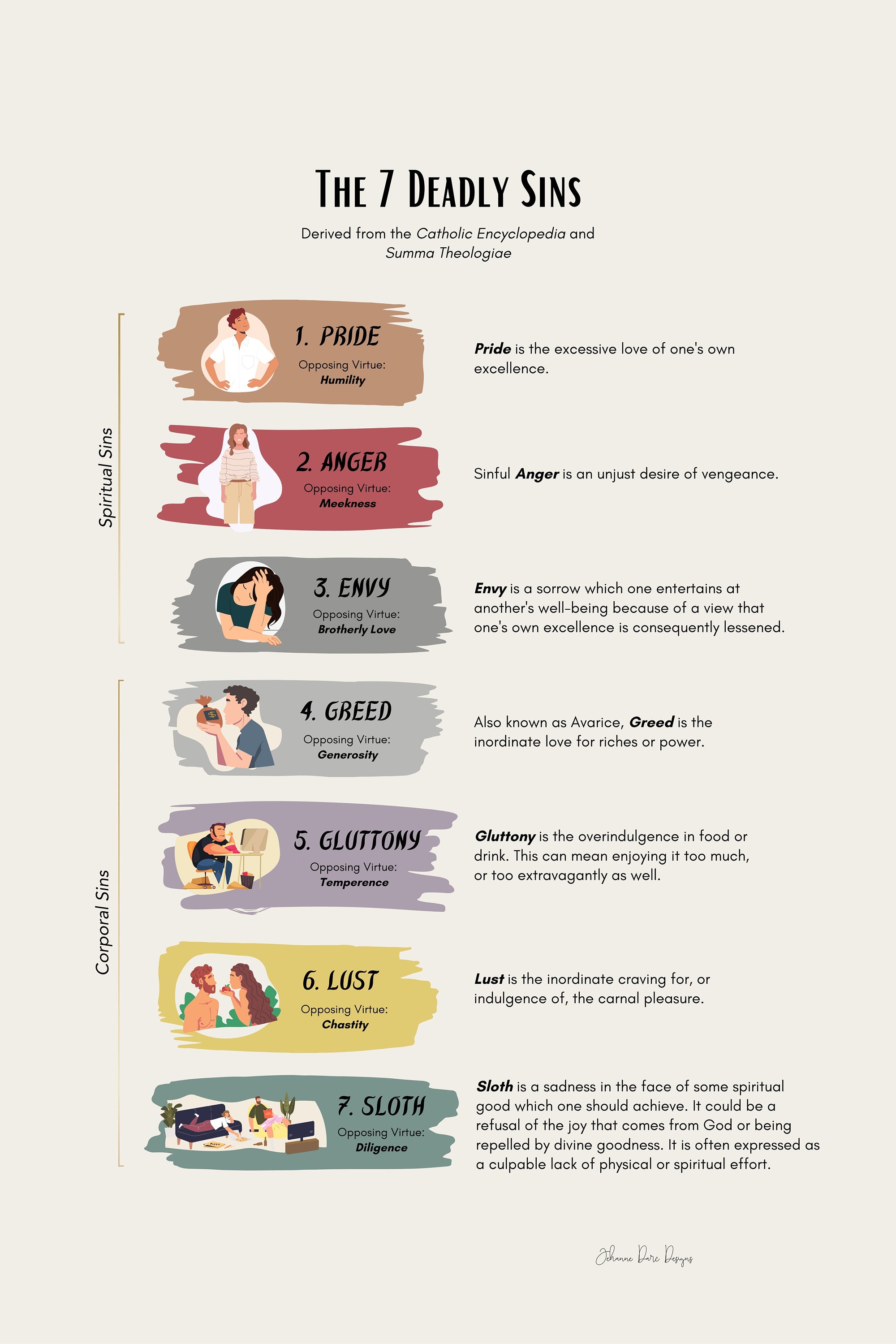
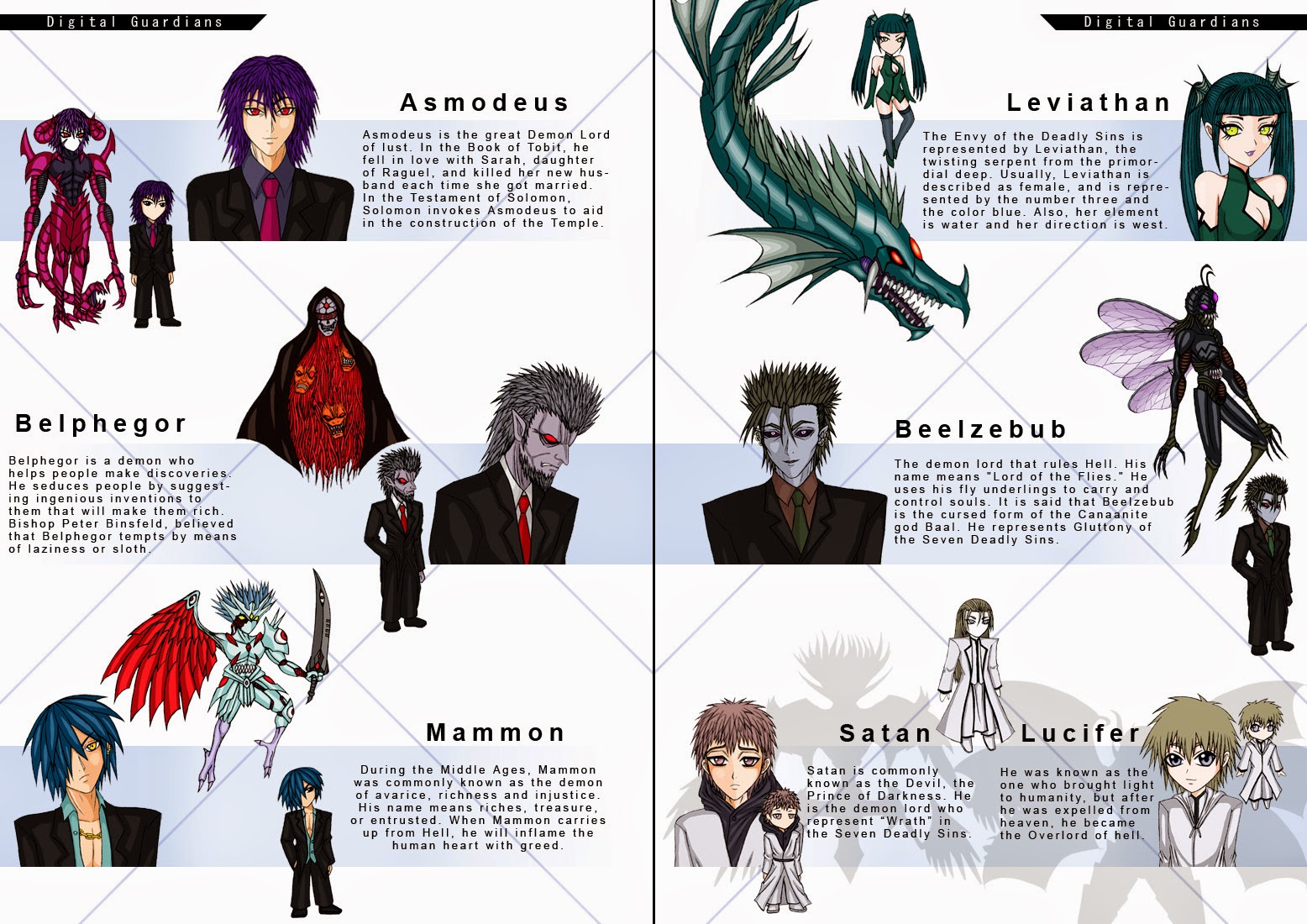
The traditional order of the seven deadly sins—pride, envy, wrath, sloth, greed, gluttony, and lust—is arranged from the most spiritual and self-centered transgression to the most physical and externally focused vice. This specific sequence reflects a theological hierarchy of sin where corruption of the soul's highest faculties precipitates bodily excesses.
Introduction to the Capital Vices
The concept of the "seven deadly sins"—more accurately referred to in theological traditions as the "capital vices" or "cardinal sins"—forms a foundational framework for understanding moral theology, literature, and Western cultural history. While the phrase itself does not explicitly appear in the canonical text of the Bible, the theological architecture behind it is deeply rooted in early Christian writings designed to help believers identify, confess, and combat the primary drivers of human misbehavior.
To understand the order of these sins, one must look beyond a simple list. The traditional sequence is not random; it represents a deliberate psychological and spiritual progression. Each sin acts as a gateway to the next, descending from subtle, internal spiritual arrogance down to base, physical indulgence. Resolving ambiguity around this subject requires distinguishing between mortal sins (in Catholic theology, specific grave violations that destroy grace) and capital vices, which are habits or inclinations that generate other sins. The traditional seven are pride, envy, wrath, sloth, greed, gluttony, and lust. Examining this sequence reveals how ancient theologians mapped the human conscience and the descent of the soul.
Historical Origins and Evolution of the List
The formulation of the seven deadly sins did not happen overnight. It evolved through centuries of monastic reflection, adaptation, and formalization by Church fathers and theologians.
The Desert Fathers and Evagrius Ponticus
The intellectual origins trace back to the 4th-century Christian monk and ascetic Evagrius Ponticus, who lived in the Egyptian desert. Writing in Greek, Evagrius identified eight distinct evil thoughts (logismoi) that plagued monks in solitude:
- Gluttony
- Fornication (Lust)
- Avarice (Greed)
- Sadness (Despair/Envy)
- Anger (Wrath)
- Accidie (Apathy or Sloth)
- Vainglory (Excessive pride)
- Pride
Evagrius viewed these thoughts as a taxonomy of temptation. He argued that they were interconnected, with one thought often leading naturally into the next as the human mind wrestled with spiritual discipline.
Translation and Condensation by Pope Gregory I
In the late 6th century, Pope Gregory the Great (Gregory I) revised and condensed Evagrius's list of eight into the classic seven sins recognized today. Gregory folded vainglory into pride, combined sadness with other spiritual failings, and reorganized the sequence.
This new arrangement placed pride at the root of all evil and restructured the remaining vices. Gregory’s formulation became the standard in Western Christianity, heavily popularized centuries later by medieval literature, most notably in Dante Alighieri’s epic poem The Purgatorio, part of the Divine Comedy, which cements the traditional structural hierarchy in the cultural imagination.
The Theological Logic Behind the Order
The canonical order of the seven deadly sins moves deliberately along a spectrum from the internal to the external, and from the spiritual to the physical.
The Ascending or Descending Spectrum
When examining the traditional sequence, theologians note two ways to read the order:
- The Root-to-Fruit Direction: Beginning with pride as the root cause, the sins cascade downward into more outward physical manifestations.
- The Severity Scale: Sins born of the spirit (like pride and envy) were historically considered more grave because they mimic the spiritual rebellion of Satan, whereas sins of the flesh (like gluttony and lust) were seen as weaknesses of human animal nature.
Below is a breakdown of the sins in their traditional hierarchical order, detailing their definitions and psychological mechanics.
| Order | Sin (Latin Term) | Core Nature | Primary Focus |
|---|---|---|---|
| 1 | Superbia (Pride) | Excessive belief in one's own abilities | Self / Spiritual |
| 2 | Invidia (Envy) | Resentment of another's traits or status | Others / Relational |
| 3 | Ira (Wrath) | Uncontrolled feelings of anger and hatred | Justice/Retaliation |
| 4 | Acedia (Sloth) | Spiritual or physical apathy and laziness | Duty / Willpower |
| 5 | Avaritia (Greed) | Excessive desire for material wealth | Possessions |
| 6 | Gula (Gluttony) | Over-indulgence and over-consumption | Consumption |
| 7 | Luxuria (Lust) | Intense craving for physical, sexual pleasure | The Body |
Detailed Examination of Each Sin in Sequence
1. Pride (Superbia)
Positioned at the head of the list, pride is considered the queen of the sins and the root from which all others grow. In theological terms, pride is an excessive love of one's own excellence, leading a person to view themselves as independent of God and superior to their fellow human beings. It is a completely internal, spiritual corruption. When an individual succumbs to pride, they close themselves off from humility, grace, and community.
2. Envy (Invidia)
Once a person is isolated by pride, envy naturally follows. Envy is not merely wanting what someone else has (which leans toward greed); it is sorrow or resentment at another person's good fortune, achievements, or qualities. The envious person measures their own worth entirely by comparison, wishing to diminish others so that they might feel superior. It poisons relationships and stems from an inner emptiness caused by pride.
3. Wrath (Ira)
Wrath, or anger, is the emotional explosion that occurs when an individual’s pride is wounded or their perceived rights and possessions (often coveted through envy) are threatened. While righteous anger can exist in specific contexts, theological wrath is characterized by a desire for vengeance, malice, and uncontrolled fury. It overrides reason and prompts destructive behavior toward others.
4. Sloth (Acedia)
Historically termed acedia (meaning "without care"), sloth is frequently misunderstood today as mere physical laziness. Originally, it referred to a spiritual or emotional apathy—a weariness of the soul that makes a person indifferent to their spiritual duties, community responsibilities, and moral obligations. After the outward storms of wrath, sloth represents a collapse of the will, an internal stagnation where a person simply stops caring about doing good.
5. Greed (Avaritia)
Also known as avarice or covetousness, greed is an excessive, insatiable desire for material wealth, status, and possessions. Having grown indifferent or apathetic toward higher spiritual values due to sloth, the individual turns outward to secure material security as a false idol. Greed fixates on hoarding resources, demonstrating a fundamental lack of trust in community or providence.
6. Gluttony (Gula)
Moving further into physical indulgence, gluttony represents over-consumption to the point of waste. While commonly associated with overeating food, gluttony encompasses any form of excessive consumption, including alcohol, luxury, and resources that deprive others of their fair share. It marks a shift where the individual is driven entirely by bodily appetites rather than moderation or reason.
7. Lust (Luxuria)
At the opposite end of the spectrum from pride sits lust. Lust is an intense, unregulated craving for physical and sexual pleasure. While categorized as a capital vice, traditional theology often viewed it as the least spiritually malicious of the seven because it is a corruption of a natural, God-given biological drive for procreation. However, its uncontrolled pursuit objectifies human beings and consumes the individual's mental and physical energies.
Comparison of Theological vs. Literary Order (Dante's Inferno)
While the traditional cataloging order places pride first, literature and creative adaptations often reorder these concepts for narrative tension. In Dante Alighieri’s Inferno and Purgatorio, the arrangement of sins within Hell and Purgatory is inverted or categorized differently based on the degree of malice involved.
- In Dante's Hell: Sins are generally categorized by incontinence (lust, gluttony, greed, wrath) before descending into malice and fraud (violence, heresy, and treachery). Here, sins of appetite are punished near the upper circles of Hell, while intellectual sins of malice (such as betrayal, which mirrors supreme pride) occupy the frozen depths at the center.
- In Dante's Purgatorio: The mountain of Purgatory is ascended from the heaviest, most outward sins of the flesh (lust, gluttony, greed) up to the lightest, most deeply ingrained internal sins of the spirit (envy and pride), which are purged near the summit before reaching Paradise. This structural climb represents the soul stripping away vices in reverse order of their spiritual gravity.
Frequently Asked Questions
Why is pride considered the greatest of the seven deadly sins?
Pride is placed first because it is the foundational root of all other moral failures. In theological traditions, pride is the sin of self-deification—the belief that one does not need moral boundaries, divine guidance, or community. Once an individual places themselves above everyone else, every other vice (envy, wrath, greed) flows naturally from that hubris.
Are the seven deadly sins explicitly listed in the Bible?
No. The specific phrase "seven deadly sins" and the exact categorization do not appear in scripture. However, the individual vices are condemned throughout both the Old and New Testaments. For example, Proverbs 6:16–19 lists six things the Lord hates, with a seventh that is an abomination, including "haughty eyes" (pride) and "a false witness." The formal list was developed later by Church fathers to guide pastoral counseling and confession.
How do capital vices differ from mortal sins?
In Catholic theology, a "capital vice" is a primary habit or inclination that serves as a source for other sins, whereas a "mortal sin" is a specific, grave act committed with full knowledge and deliberate consent that severs a person's relationship with God. A capital vice (like greed) is a persistent disposition, while a mortal sin is an individual action.
Is sloth only about being physically lazy?
No. In its historical context (acedia), sloth encompasses spiritual apathy, depression, listlessness, and a failure to care about one's moral and spiritual responsibilities. It is a paralysis of the will rather than a simple desire to rest or sleep.
Can the order of the sins be rearranged?
Different theologians and literary figures have reordered the sins depending on whether they were analyzing them by psychological progression, degree of harm, or structural symmetry. However, Pope Gregory I’s 6th-century formulation remains the most widely recognized standard in Western history.
Practical Takeaways and Next Actions
Understanding the order of the seven deadly sins provides a historical and psychological lens through which to view human behavior, literature, and moral philosophy.
- Examine the Root: Recognize that behavioral outbursts (like wrath or greed) often stem from deeper internal conditions (like pride or insecurity). Addressing surface habits requires looking at foundational motivations.
- Contextualize History: When reading classical literature, philosophy, or art from the medieval and Renaissance periods, use this framework to decode allegorical references to the human condition.
- Focus on Balance: Use the spectrum from internal arrogance to external excess as a mindfulness tool to evaluate personal habits, emotional regulation, and moderation in daily life.