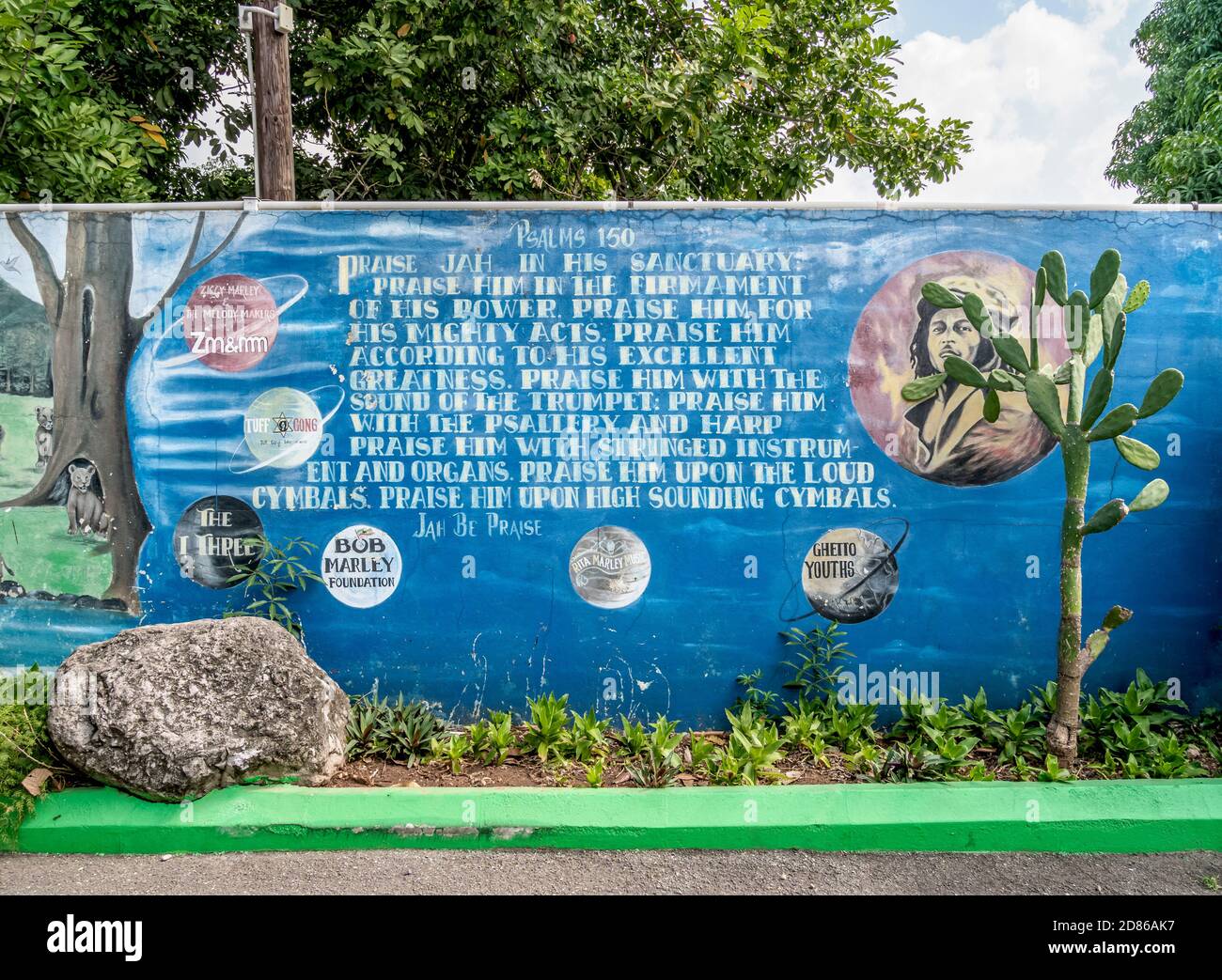
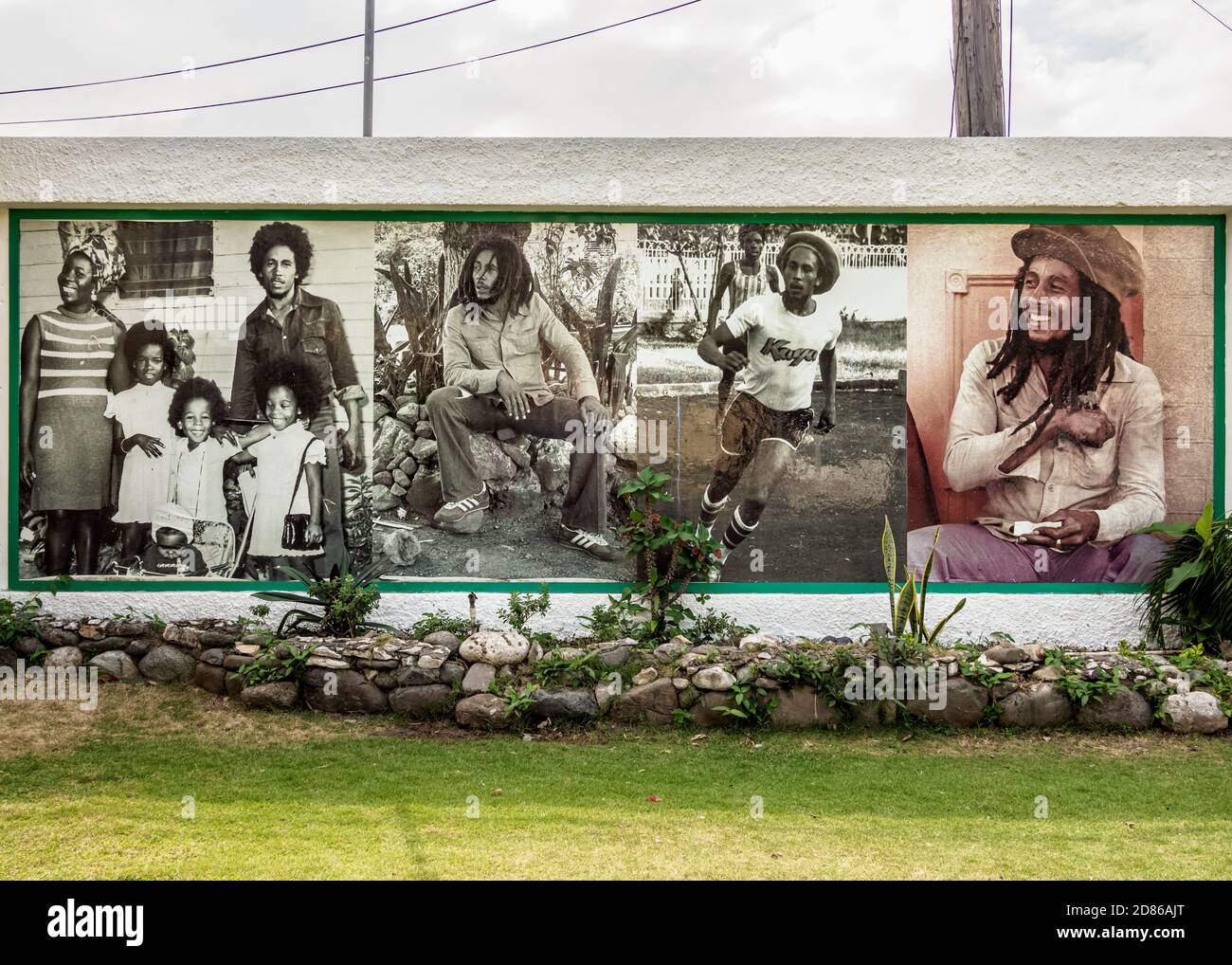
Located in the heart of Jamaica’s capital, 56 Hope Road in Kingston is one of the most culturally significant addresses in the world, serving as the former home and recording studio of reggae legend Bob Marley and now operating as the Bob Marley Museum.
Introduction to 56 Hope Road Kingston
Few addresses carry the cultural, historical, and spiritual weight of 56 Hope Road in Kingston, Jamaica. Situated in an upscale neighborhood of the capital city, this colonial-style property served as the residence and sanctuary of Bob Marley, the global ambassador of reggae music, from 1975 until his passing in 1981. Today, the site functions as the official Bob Marley Museum, drawing hundreds of thousands of international visitors, music historians, and devoted fans each year.
Understanding the significance of 56 Hope Road requires examining its dual identity: first as a creative crucible where some of reggae's most enduring anthems were recorded and lived, and second as a meticulously preserved institution dedicated to preserving the life, philosophy, and legacy of the Tuff Gong. Navigating a visit to this historic landmark involves understanding its architectural layout, the artifacts housed within its walls, practical visitor guidelines, and its broader impact on Jamaican cultural heritage and tourism.
Historical Context and Acquisition of the Property
The history of 56 Hope Road stretches back well before Bob Marley acquired the property, reflecting the architectural and social evolution of Kingston during the 20th century. Built in the 19th English colonial style, the complex originally served as a residential home before transitioning into a vital hub for Jamaica's burgeoning music industry during the 1970s.
The Transition to Tuff Gong Headquarters
By the mid-1970s, Bob Marley had achieved international acclaim with The Wailers and was seeking a permanent base that could accommodate both his growing family and his ambitious recording operations. He purchased the property at 56 Hope Road in 1975. The location was strategically chosen not only for its security and aesthetic appeal but also because it housed the offices of Tuff Gong, Marley's record label, and a recording studio where he could exercise total creative control over his music.
The studio, built in a converted outbuilding on the property, became the birthplace of numerous tracks that would define roots reggae globally. Albums such as Rastaman Vibration (1976), Exodus (1977), Kaya (1978), Survival (1979), and Uprising (1980) were conceived, recorded, or mixed within the vicinity of 56 Hope Road. The property also witnessed pivotal moments in Jamaican political and social history, most notably the December 1976 assassination attempt on Marley inside the home, an event that led to his temporary self-imposed exile in London and the Bahamas.
Conversion into the Bob Marley Museum
Following Marley's death from cancer on May 11, 1981, his wife, Rita Marley, spearheaded the effort to transform the residence into a museum. The goal was to honor his memory while providing an educational space for the public to understand his Rastafarian faith, musical genius, and humanitarian vision. The museum officially opened to the public in February 1986, exactly five years after his birth date, managed by the Bob Marley Foundation. Over the decades, the site has undergone careful preservation efforts to maintain the authenticity of the rooms as they appeared during Marley's lifetime while upgrading visitor facilities to handle international tourism.
| Era / Year | Milestone at 56 Hope Road |
|---|---|
| Pre-1975 | Residential property featuring 19th-century colonial architecture in upper Kingston. |
| 1975 | Bob Marley purchases the property, establishing his residence and Tuff Gong studio. |
| 1976 | Survives an armed attack; records major international musical works on-site. |
| 1981 | Bob Marley passes away; property transitions to the Marley family estate. |
| 1986 | The Bob Marley Museum officially opens to the public under the guidance of Rita Marley. |
| Present Day | Recognized globally as a premier cultural heritage site and national monument. |
Architectural Layout and Key Exhibits
Visiting 56 Hope Road offers an intimate glimpse into the daily life and creative process of Bob Marley. The property retains much of its original structure, furnishings, and exterior appearance, offering visitors a tangible connection to the 1970s era of Jamaican music.
The Main House and Living Quarters
The main building is a two-story wooden and concrete structure surrounded by lush tropical gardens. Guided tours take visitors through the ground and upper floors, where original architectural features have been carefully preserved:
- The Bullet Holes: Visitors can still observe bullet marks on the exterior walls and interior partitions, serving as physical evidence of the 1976 assassination attempt.
- The Bedroom: Marley’s private bedroom remains intact, featuring his single bed, his custom Gibson Les Paul guitar resting near the pillow, and his clothing hanging in the closet.
- The Kitchen: The kitchen area reflects the Ital (natural, vegetarian) diet practiced by Marley and the Rastafari community, emphasizing whole, unprocessed foods.
- The Press Room: A converted room on the upper floor showcases newspaper clippings, international magazine covers, and photographs chronicling Marley's global rise.
The Tuff Gong Recording Studio
Adjacent to the main house stands the recording studio, which has been preserved much as it was left in 1981. While the primary commercial operations of Tuff Gong relocated to Marcus Garvey Drive in Kingston to accommodate larger-scale vinyl pressing and multi-track recording facilities, the studio at 56 Hope Road remains a sacred space for musicologists. Visitors can stand inside the vocal booth where Marley recorded his iconic vocals, viewing vintage mixing consoles, reel-to-reel tape machines, and acoustic paneling from the era.
Visitor Information, Practical Guidance, and Logistics
Planning a visit to 56 Hope Road requires attention to ticketing policies, operational hours, security protocols, and general etiquette. Because of its status as a premier tourist attraction in Kingston, the museum maintains structured guidelines to manage visitor flow and preserve the integrity of the artifacts.
Access, Ticketing, and Guided Tours
- Guided Tours Only: Independent wandering of the main house and studio is generally restricted. All visitors must join a guided tour led by trained docents who provide detailed historical context, personal anecdotes, and musical history.
- Ticketing: Tickets can be purchased on-site or booked in advance through official channels. Prices typically include the guided tour and access to the theater and gift shop. Discounts are often available for Jamaican residents, students, and children.
- Photography Rules: While photography and videography are permitted in the gardens and certain exterior areas, strictly no photos or videos are allowed inside the main house, museum exhibits, or recording studio to protect fragile artifacts and respect the sanctity of the space.
Getting There and Security Considerations
Located at 56 Hope Road, Kingston 6, the museum is situated in a safe, upscale commercial and residential district known as Half Way Tree / Liguanea.
- Transportation: Visitors commonly arrive via authorized taxis, hotel-arranged shuttles, or registered tour buses. Ample parking is available on-site for those driving rental vehicles.
- Security: The property features gated entry with professional security personnel. Visitors undergo standard bag checks upon entry to ensure the safety of all guests and the preservation of the museum collection.
- Accessibility: While the historic nature of the colonial building presents some physical barriers, staff members assist visitors with mobility needs where possible to ensure an inclusive experience.
Cultural Impact and Global Significance
The influence of 56 Hope Road extends far beyond Jamaican borders, functioning as a global pilgrimage site for proponents of peace, social justice, and reggae music.
A Shrine to Rastafarian Culture and Social Justice
Bob Marley used his global platform to advocate for African liberation, anti-apartheid movements, and the rights of the impoverished. The museum at 56 Hope Road encapsulates this ethos, displaying awards, gold and platinum records, gifts from international dignitaries, and literature reflecting Rastafari philosophy. For many travelers from Europe, the Americas, Africa, and Asia, visiting the address is a spiritual journey honoring a figure who transcended musical genres to become a universal voice for the oppressed.
Economic and Educational Contributions to Kingston
The museum plays a vital role in Kingston's cultural tourism economy. It provides employment for local tour guides, historians, administrative staff, and artisans who sell authentic crafts and Marley memorabilia in the adjacent gift shop. Furthermore, the venue hosts educational programs, workshops, and community events that promote Jamaican heritage, literacy, and musical arts among local youth.
Frequently Asked Questions
Can you record music at 56 Hope Road today?
While the historic studio at 56 Hope Road is preserved as a museum exhibit rather than an active commercial recording facility, Tuff Gong International operates a fully functional, world-class recording studio and pressing plant at a separate location on Marcus Garvey Drive in Kingston, where artists continue to record music today.
How long does a typical tour of the Bob Marley Museum take?
A standard guided tour of the museum lasts approximately 75 to 90 minutes. This includes a walking tour of the main house, the recording studio, the photographic galleries, and time to view the outdoor amphitheater and browse the gift shop.
Are children allowed at the museum?
Yes, the Bob Marley Museum is a family-friendly attraction. Children frequently visit with their families, though parents should note that certain historical exhibits discuss political violence from the 1970s, which guides present in an educational and age-appropriate manner.
Is parking available for visitors at 56 Hope Road?
Yes, the property features a secure, gated parking lot for visitors arriving by car, taxi, or tour bus, monitored by security personnel throughout operating hours.
What are the operating hours for the museum?
The museum is typically open Monday through Saturday, with specific morning and afternoon tour slots. It is advisable to check the official Bob Marley Museum website or contact their booking desk directly to confirm holiday schedules and daily tour availability before arriving.
Conclusion and Next Actions
For anyone exploring Jamaica's capital, a visit to 56 Hope Road Kingston offers an essential education in the history of reggae music and the enduring legacy of Bob Marley. To ensure a smooth experience, book your tour tickets in advance through official channels, arrive slightly ahead of your scheduled time slot, and familiarize yourself with the museum's strict no-photography policy inside the historic buildings. Whether you are a lifelong fan of roots reggae or a cultural historian, experiencing the physical spaces where Marley lived and created provides an unmatched perspective on a musical icon who forever changed the global cultural landscape.