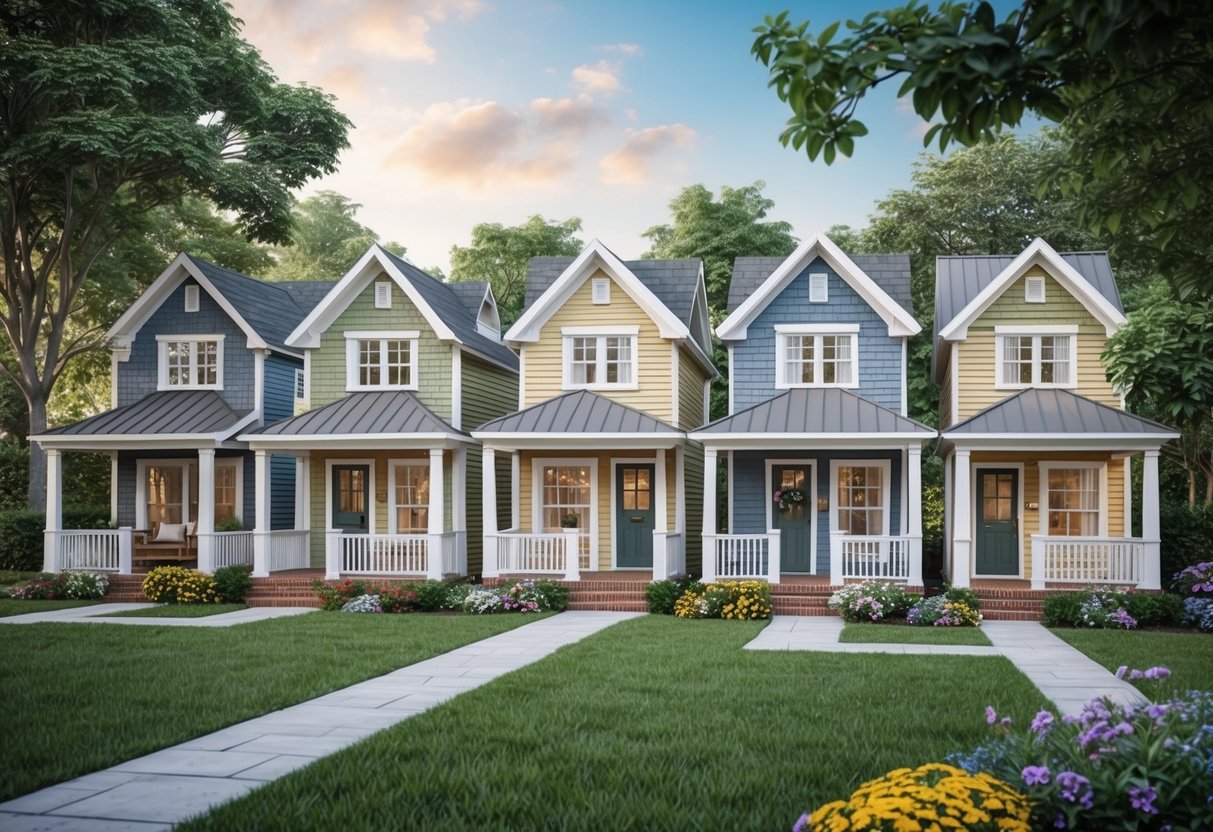
55 over living communities, commonly known as 55-plus or active adult communities, are residential neighborhoods designed primarily for adults aged 55 and older. These communities offer age-restricted housing, maintenance-free properties, resort-style amenities, and social programming tailored to older adults seeking an active, independent lifestyle without the burdens of traditional homeownership.
Navigating the landscape of housing options during later life stages requires a clear understanding of what age-restricted neighborhoods offer, how they operate, and what financial and legal commitments they entail. Often confused with assisted living or continuous care retirement facilities, 55-plus communities occupy a distinct niche in the real estate market. They are designed for independent individuals and couples who want to downsize, shed exterior home maintenance chores, and live among peers with similar lifestyle interests.
This guide examines the core mechanics, legal frameworks, financial considerations, amenities, and evaluation criteria associated with 55 over living communities to help prospective buyers determine if this housing model aligns with their long-term goals.
Defining the 55-Plus Housing Model
The term "55 over living communities" encompasses a wide range of residential developments, from single-family home subdivisions and townhomes to sprawling master-planned golf communities and high-rise condominiums. Despite their varied physical appearances, these communities share a foundational defining characteristic: age-verification requirements governed by federal housing law.
In the United States, these neighborhoods operate under exemptions provided by the Fair Housing Act (FHA) and the Housing for Older Persons Act (HOPA) of 1995. Under HOPA guidelines, a community qualifies as housing for older persons if it is intended and operated for occupancy by persons 55 years of age or older. Crucially, the law mandates that at least 80 percent of the occupied units must be occupied by at least one person who is 55 years of age or older, and the community must publish and adhere to policies and procedures that demonstrate intent to house older persons.
It is a common misconception that every resident in a 55-plus community must be 55 or older. The 80/20 rule allows up to 20 percent of the homes to be occupied by younger residents, though communities often impose stricter internal rules—such as requiring all primary residents to be 55 or older, or prohibiting permanent residency for children under a certain age (frequently 18 or 19). Prospective buyers should always review the specific community covenants, conditions, and restrictions (CC&Rs) to understand exact occupancy thresholds.
Key Differences: Active Adult Communities vs. Other Senior Housing
One of the most frequent points of confusion for prospective buyers is distinguishing between active adult communities and other forms of senior housing. Choosing the right environment depends heavily on current health status, anticipated future needs, and personal lifestyle preferences.
| Feature / Model | 55-Plus Active Adult Communities | Assisted Living Facilities | Continuing Care Retirement Communities (CCRCs) |
|---|---|---|---|
| Primary Focus | Lifestyle, socialization, and low-maintenance independent living. | Personal care assistance (bathing, medication management, dressing). | Continuum of care ranging from independent living to skilled nursing on one campus. |
| Housing Type | Single-family homes, condos, townhomes, manufactured homes. | Private or semi-private rooms or apartments within a larger facility. | Independent cottages/apartments transitioning to assisted living and nursing units. |
| Medical Care Provided | None on-site (residents manage their own healthcare independently). | 24/7 personal care staff, nursing oversight, and medication management. | Comprehensive phased care, from independent living to full-time skilled nursing. |
| Pricing Structure | Traditional real estate purchase or rental + monthly HOA dues. | Monthly rental fee covering room, board, and tiered care services. | Large upfront entrance fee + monthly maintenance fees that scale with care level. |
| Amenities | Clubhouses, fitness centers, pools, golf courses, organized clubs. | Dining halls, scheduled group outings, basic recreational activities. | Extensive campus amenities, multiple dining venues, wellness centers, and therapy clinics. |
Types of Properties and Architectural Styles
When exploring 55 over living communities, buyers encounter a diverse array of architectural designs and property types. Developers tailor these structures specifically to the ergonomic and lifestyle preferences of older adults, focusing on accessibility, safety, and energy efficiency.
Single-Family Homes and Patio Homes
Single-family detached homes within active adult neighborhoods typically feature open-concept floor plans designed for ease of movement. Common architectural adaptations include zero-step entries from the garage or front porch, wider doorways and hallways to accommodate mobility aids, and lever-style door handles rather than traditional knobs. Patio homes offer similar interior layouts with smaller, low-maintenance yards.
Townhomes and Condominiums
For buyers looking to eliminate yard work entirely, multi-family options such as townhomes and condominiums are widespread. Many of these structures incorporate elevators or are designed with single-level living arrangements (such as first-floor master suites) to ensure that residents never have to navigate stairs on a daily basis.
Manufactured and Modular Home Communities
Land-lease or resident-owned manufactured home communities represent a more affordable entry point into the 55-plus market. In these parks, residents often own the home while leasing the underlying land, or they participate in a cooperative that owns the entire property. These communities frequently boast robust clubhouses and active social calendars comparable to higher-end stick-built developments.
Amenities and Lifestyle Programming
The primary selling point of 55 over living communities is the lifestyle. Developers invest heavily in shared recreational infrastructure to foster a sense of community and encourage physical and social engagement among residents.
Physical Amenities
- Clubhouses and Social Halls: Serving as the central hub of the community, clubhouses often feature multi-purpose rooms, catering kitchens, arts and crafts studios, libraries, and computer labs.
- Fitness and Wellness Centers: Gyms equipped with senior-friendly exercise machines, indoor walking tracks, yoga studios, and personal training coordination are standard.
- Aquatic Facilities: Heated outdoor and indoor swimming pools, lap pools, and therapeutic whirlpool spas are common staples.
- Outdoor Recreation: Walking and biking trails, tennis and pickleball courts (which have surged in popularity), bocce ball courts, putting greens, and full-scale golf courses.
Social Programming and Activities
Beyond physical infrastructure, the active adult lifestyle is defined by organized programming. Communities typically employ a full-time lifestyle director or activities coordinator whose job is to facilitate clubs, classes, and events.
Residents can expect dozens of interest-based groups, ranging from book clubs and photography societies to travel committees and volunteer organizations. Scheduled social events—such as catered dinners, holiday parties, guest lectures, and fitness classes—make it easy for newcomers to build a local support network quickly.
Financial Structures, Costs, and HOAs
Purchasing a home in a 55-plus community involves financial considerations that extend beyond the standard mortgage, down payment, and property taxes associated with traditional real estate.
Homeowners Associations (HOAs) and Monthly Dues
Virtually all 55 over living communities are managed by an HOA or a master association. Residents pay monthly or quarterly dues that fund the maintenance of common areas, operation of clubhouses, security gates, landscaping, and exterior home maintenance (such as roof repairs, exterior painting, and lawn mowing, depending on the specific community rules).
Prospective buyers must review the HOA's financial health, reserve fund studies, and historical assessment records. A low monthly fee may seem attractive initially, but if the reserve fund is underfunded, residents may face steep special assessments to repair major infrastructure like community pools or private roads.
Resale Value and Market Dynamics
Active adult real estate can behave differently than general housing markets. Because the buyer pool is restricted by age, homes in these communities may appreciate at different rates than standard neighborhoods. During economic downturns, the demand for 55-plus housing can remain resilient due to consistent demographic trends, though local market conditions ultimately dictate appreciation.
Evaluating and Selecting the Right Community
Choosing the right 55 over living community requires careful due diligence. Buyers should look beyond the glossy marketing brochures and evaluate the community through a critical, practical lens.
1. Assess Long-Term Health Needs
Consider how well the community accommodates changing physical needs. Does the home have a main-floor bedroom and bathroom? Are medical facilities, hospitals, and specialized healthcare providers within a reasonable driving distance? Since 55-plus communities do not provide on-site healthcare, residents must ensure they can access medical services independently or through home healthcare agencies.
2. Review CC&Rs and Rules Thoroughly
Request the complete governing documents before making an offer. Pay close attention to rules regarding:
- Pet restrictions (weight limits, breed bans, or limits on the number of pets).
- Parking regulations (restrictions on RVs, boats, commercial vehicles, or street parking).
- Leasing and rental policies (whether owners are permitted to rent out their homes if they travel or need to relocate).
- Architectural control guidelines (restrictions on modifying exterior paint, landscaping, or adding solar panels).
3. Visit and Talk to Current Residents
Tour the community at different times of the week—both during weekday mornings when activities are bustling and on weekends when families and visiting grandchildren might be present. Speak candidly with current residents about management responsiveness, maintenance quality, fee increases, and the actual social atmosphere.
Common Misconceptions About 55-Plus Living
- "I will be isolated from younger generations." While neighbors are generally in the same age bracket, many communities welcome visiting children and grandchildren. Furthermore, age-restricted housing is located within broader towns and cities, allowing residents to maintain intergenerational connections outside their immediate neighborhood.
- "Assisted living services are included." This is false. 55-plus communities are independent living environments. If a resident's health deteriorates to the point where they require daily personal care, they must typically hire in-home care agencies or transition to an assisted living facility.
- "Only retirees live here." Many residents in 55-plus communities are still actively working, either full-time, part-time, or running remote businesses. The common thread is an empty-nest or pre-retirement life stage rather than full retirement status.
Steps to Take Next
For those ready to explore 55 over living communities, the initial step is defining personal lifestyle priorities and financial parameters. Consult with a real estate professional who specializes in active adult neighborhoods to review available listings in targeted geographic areas. Request disclosure documents, visit multiple properties to compare amenities, and ensure the chosen community provides the ideal balance of independence, social connection, and long-term convenience.