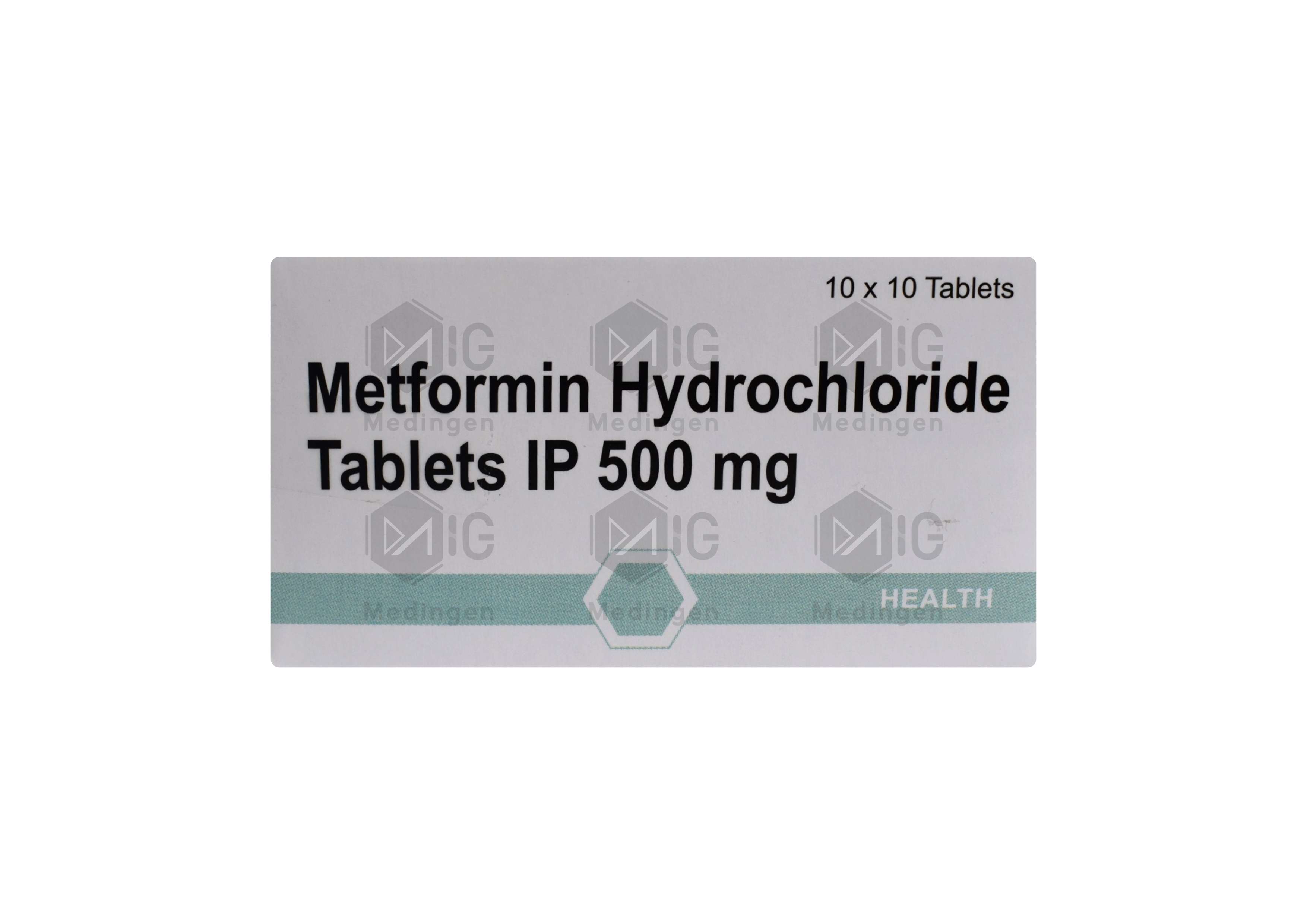
Metformin HCl 500 mg is a prescription oral medication primarily used to manage blood sugar levels in adults and children with type 2 diabetes mellitus. It belongs to a class of drugs known as biguanides, which work by decreasing glucose production in the liver, reducing intestinal absorption of glucose, and improving insulin sensitivity in the body's tissues.
Introduction to Metformin HCl 500 mg
Managing type 2 diabetes requires a multifaceted approach involving lifestyle modifications, dietary changes, and, in many cases, targeted pharmacotherapy. Among the foundational medications prescribed by healthcare providers worldwide, Metformin Hydrochloride (HCl) stands out as a standard-of-care baseline treatment. A 500 mg tablet represents one of the most common starting strengths for patients newly diagnosed with hyperglycemia or those transitioning between different therapeutic regimens.
While the medication is primarily recognized for its role in lowering blood glucose, it is also utilized off-label or for associated metabolic conditions, such as prediabetes and polycystic ovary syndrome (PCOS). Understanding what Metformin HCl 500 mg is used for involves examining its pharmacological mechanisms, its clinical indications, safety profiles, and what patients can expect when incorporating it into their daily health routines. This comprehensive guide details the therapeutic applications, usage guidelines, potential side effects, and essential management strategies for individuals prescribed this medication.
Primary Medical Uses of Metformin HCl 500 mg
The clinical utility of Metformin HCl 500 mg spans several distinct endocrine and metabolic indications. While type 2 diabetes management remains its primary label indication, healthcare professionals prescribe it across a spectrum of related metabolic dysfunctions.
Type 2 Diabetes Mellitus Management
The central purpose of Metformin HCl 500 mg is glycemic control in patients with type 2 diabetes. Unlike type 1 diabetes—an autoimmune condition characterized by absolute insulin deficiency—type 2 diabetes involves insulin resistance, where target tissues fail to respond adequately to circulating insulin, often coupled with progressive impairment in insulin secretion.
At a dosage of 500 mg, patients often begin their treatment journey. Physicians frequently prescribe this starting dose to minimize initial gastrointestinal side effects before gradually titrating upward if higher therapeutic concentrations are necessary. Metformin does not stimulate insulin secretion from the pancreas; therefore, it carries a very low risk of hypoglycemia (dangerously low blood sugar) when used as a monotherapy.
Prediabetes and Insulin Resistance
Although not universally approved by all international regulatory bodies for this specific indication, Metformin is frequently prescribed off-label for individuals with prediabetes—a condition marked by elevated blood glucose levels that do not yet meet the diagnostic threshold for type 2 diabetes. Clinical trials, such as the Diabetes Prevention Program (DPP), have demonstrated that lifestyle intervention combined with Metformin can significantly delay or prevent the onset of type 2 diabetes in high-risk individuals, particularly those under the age of 60 with a high body mass index (BMI).
Polycystic Ovary Syndrome (PCOS)
Polycystic ovary syndrome is a common endocrine disorder affecting individuals of reproductive age, characterized by hyperandrogenism, ovulatory dysfunction, and polycystic ovaries. Insulin resistance is a core pathophysiological feature of PCOS, even in patients who do not have diabetes. By improving insulin sensitivity and lowering circulating insulin levels, Metformin HCl 500 mg can help restore normal menstrual cycles, induce ovulation, and reduce androgen production, thereby alleviating symptoms such as hirsutism and acne.
How Metformin HCl 500 mg Works in the Body
To fully appreciate what Metformin HCl 500 mg is used for, it is necessary to examine its pharmacodynamics—specifically, how the drug interacts with cellular pathways to regulate glucose homeostasis.
- Metformin HCl 500 mg Ingestion
- Absorption in Intestine
- Liver: Decreases Hepatic Gluconeogenesis
- Skeletal Muscle/Fat: Improves Insulin Sensitivity
- Reduced Blood Glucose Levels
Inhibition of Hepatic Gluconeogenesis
The liver is a primary regulator of blood glucose, producing glucose through glycogenolysis (the breakdown of stored glycogen) and gluconeogenesis (the synthesis of new glucose from non-carbohydrate substrates). In individuals with type 2 diabetes, hepatic glucose production is abnormally elevated, driving fasting hyperglycemia. Metformin enters hepatocytes (liver cells) and inhibits mitochondrial respiratory chain complex 1. This action alters cellular energy status, activating AMP-activated protein kinase (AMPK), which ultimately suppresses the expression of key hepatic enzymes responsible for gluconeogenesis.
Enhancement of Peripheral Insulin Sensitivity
Insulin resistance prevents peripheral tissues—principally skeletal muscle and adipose tissue—from efficiently taking up glucose from the bloodstream. Metformin enhances peripheral glucose uptake by increasing the recruitment and activity of glucose transporter type 4 (GLUT4) transporters to the cell membrane. This allows cells to utilize circulating glucose more effectively, reducing overall glycemic load.
Reduction of Intestinal Glucose Absorption
Metformin also exerts local effects within the gastrointestinal tract. It modestly reduces the absorption of dietary glucose from the lumen of the intestines into the bloodstream, blunting postprandial (post-meal) blood glucose spikes. Additionally, Metformin alters the composition of the gut microbiome and increases the release of peptide YY (PYY), an anorexigenic gut hormone that may contribute to modest weight neutrality or weight loss observed in many patients.
Dosage, Administration, and Titration Strategies
Proper administration of Metformin HCl 500 mg is crucial for maximizing therapeutic efficacy while minimizing adverse gastrointestinal reactions.
Standard Initiation and Progression
Because the digestive tract is sensitive to the compound, therapy typically begins at a low dose. A common regimen involves taking one 500 mg tablet once daily with the evening meal. After one to two weeks, if the medication is well-tolerated, the prescribing physician may increase the dose to 500 mg twice daily (taken with breakfast and dinner). Further titrations up to 1,000 mg or 2,000 mg daily may occur depending on HbA1c lab results and individual treatment goals.
Immediate-Release vs. Extended-Release Formulations
Metformin HCl is available in two primary oral formulations:
- Immediate-Release (IR): Dissolves quickly in the digestive tract, requiring multiple daily doses to maintain stable systemic concentrations.
- Extended-Release (XR): Designed to release the active pharmaceutical ingredient gradually over several hours, often taken once daily with the evening meal. This formulation can significantly reduce the frequency and severity of gastrointestinal side effects for sensitive individuals.
| Feature | Metformin HCl Immediate-Release (IR) | Metformin HCl Extended-Release (XR) |
|---|---|---|
| Typical Dosing Frequency | 1 to 3 times daily | Once daily (usually with evening meal) |
| Release Mechanism | Rapid dissolution in the upper GI tract | Gradual matrix release over extended hours |
| Gastrointestinal Tolerability | Moderate; higher initial peak concentrations | Higher; smoother pharmacokinetic profile |
| Tablet Appearance | Standard round or oval tablets | Often larger, designed to pass intact matrix shell |
Potential Side Effects and Safety Considerations
While Metformin HCl 500 mg is generally well-tolerated and forms the cornerstone of diabetes care, patients must be aware of potential side effects and critical safety warnings.
Common Gastrointestinal Effects
Up to 30% of patients initiating Metformin experience mild to moderate gastrointestinal symptoms, including:
- Diarrhea
- Nausea and vomiting
- Abdominal bloating or cramping
- Flatulence
- A metallic taste in the mouth
These symptoms are usually transient, occurring most frequently during the first few weeks of therapy or immediately following a dose increase. Taking the medication with meals and utilizing the extended-release formulation are proven strategies to mitigate these effects.
Rare but Serious Risk: Lactic Acidosis
The most severe, albeit rare, risk associated with Metformin therapy is lactic acidosis—a medical emergency characterized by an accumulation of lactate in the blood and a drop in blood pH. This complication occurs predominantly in patients with significant renal impairment, hepatic dysfunction, excessive alcohol consumption, or acute conditions involving tissue hypoperfusion (such as severe sepsis or acute heart failure). Because Metformin is excreted unchanged by the kidneys, declining renal function can cause drug accumulation, elevating the risk of lactic acidosis. Routine monitoring of estimated glomerular filtration rate (eGFR) by a healthcare provider is mandatory for all patients taking Metformin.
Practical Patient Guidance and Best Practices
To ensure safe and effective treatment with Metformin HCl 500 mg, patients should adhere to specific clinical guidelines and lifestyle integration practices.
Routine Laboratory Monitoring
Patients taking Metformin require periodic monitoring to verify that the drug remains safe and effective. Key laboratory tests include:
- HbA1c (Hemoglobin A1c): Measured every 3 to 6 months to assess long-term glycemic control.
- Serum Creatinine and eGFR: Evaluated at least annually (or more frequently in older adults or those with borderline renal function) to monitor kidney clearance.
- Vitamin B12 Levels: Long-term Metformin use is associated with a reduced absorption of dietary vitamin B12, potentially leading to deficiency and peripheral neuropathy. Periodic B12 screening is recommended, particularly for patients experiencing fatigue or neurological symptoms.
Contrast Imaging Precautions
Patients scheduled for medical imaging procedures requiring iodinated intravenous radiocontrast media must temporarily discontinue Metformin HCl 500 mg at the time of or prior to the procedure. Metformin can only be restarted after renal function has been re-evaluated and confirmed to be within safe parameters, typically 48 hours post-procedure, to prevent acute kidney injury-induced drug accumulation.
Note: This article is for informational purposes only and does not constitute medical advice. Always consult a qualified healthcare provider regarding prescription medications, dosage adjustments, and individual health concerns.
Frequently Asked Questions
What is Metformin HCl 500 mg primarily prescribed for?
Metformin HCl 500 mg is primarily prescribed to manage blood sugar levels in adults and pediatric patients with type 2 diabetes mellitus. It helps lower hepatic glucose production, reduce intestinal glucose absorption, and improve insulin sensitivity.
Can Metformin HCl 500 mg cause weight loss?
Metformin is considered weight-neutral or associated with modest, gradual weight loss in some individuals. Unlike insulin or sulfonylureas, which frequently cause weight gain, Metformin's mechanism—combined with potential appetite-regulating effects via gut hormones—often helps patients maintain or modestly reduce body weight over time.
Why is Metformin HCl 500 mg often started at a low dose?
Physicians prescribe a low 500 mg starting dose to allow the gastrointestinal tract time to adapt to the medication. Titrating the dose slowly minimizes common side effects such as nausea, diarrhea, and abdominal discomfort.
Does Metformin HCl 500 mg cause low blood sugar?
When used as a standalone monotherapy (without other diabetes medications like insulin or sulfonylureas), Metformin rarely causes hypoglycemia. Because it does not force the pancreas to secrete insulin, it only acts when blood glucose is elevated.
What should I do if I miss a dose of Metformin HCl 500 mg?
If you miss a dose, take it as soon as you remember with food. However, if it is almost time for your next scheduled dose, skip the missed dose and resume your regular dosing schedule. Never take a double dose to make up for a missed one.