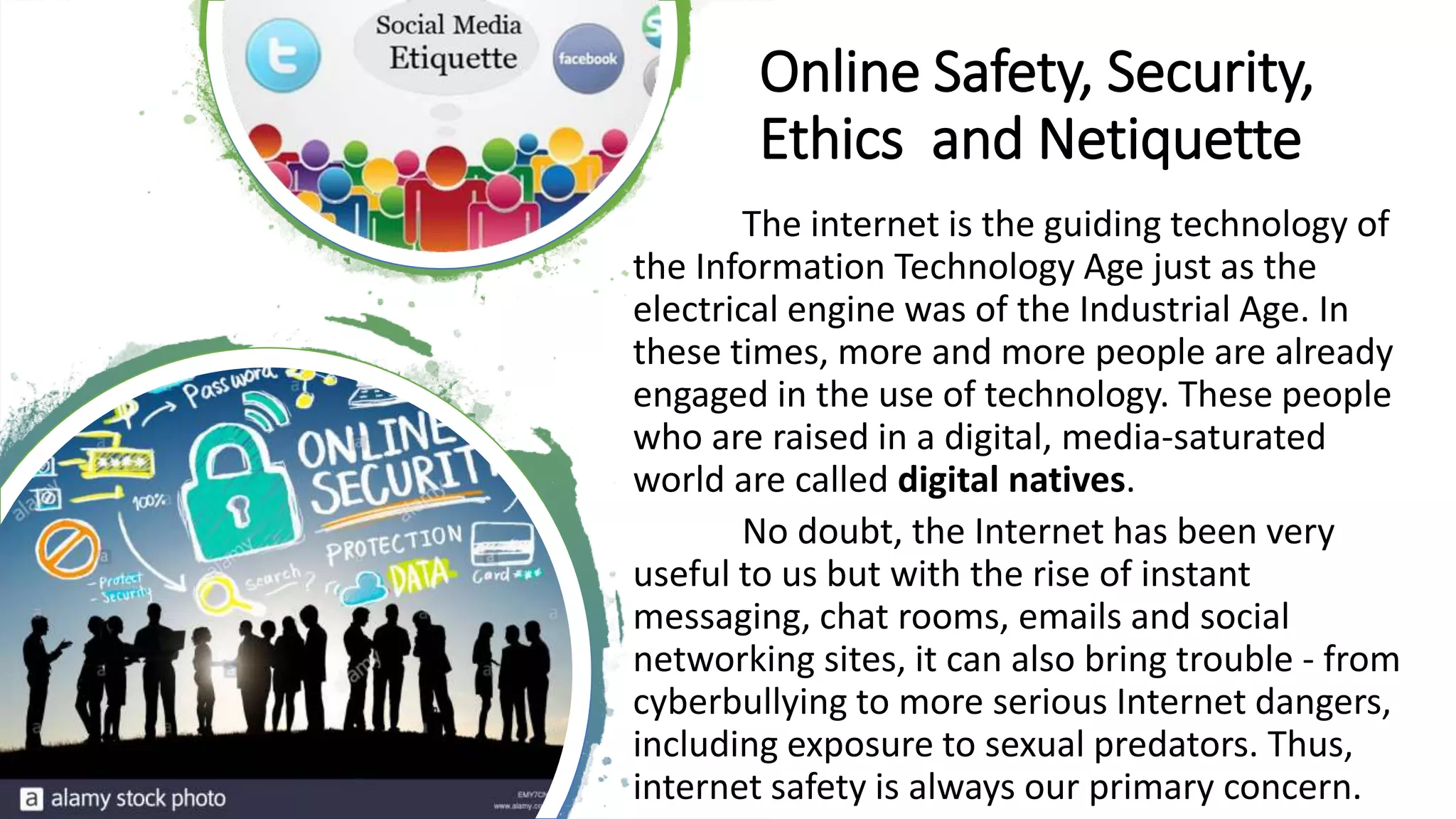
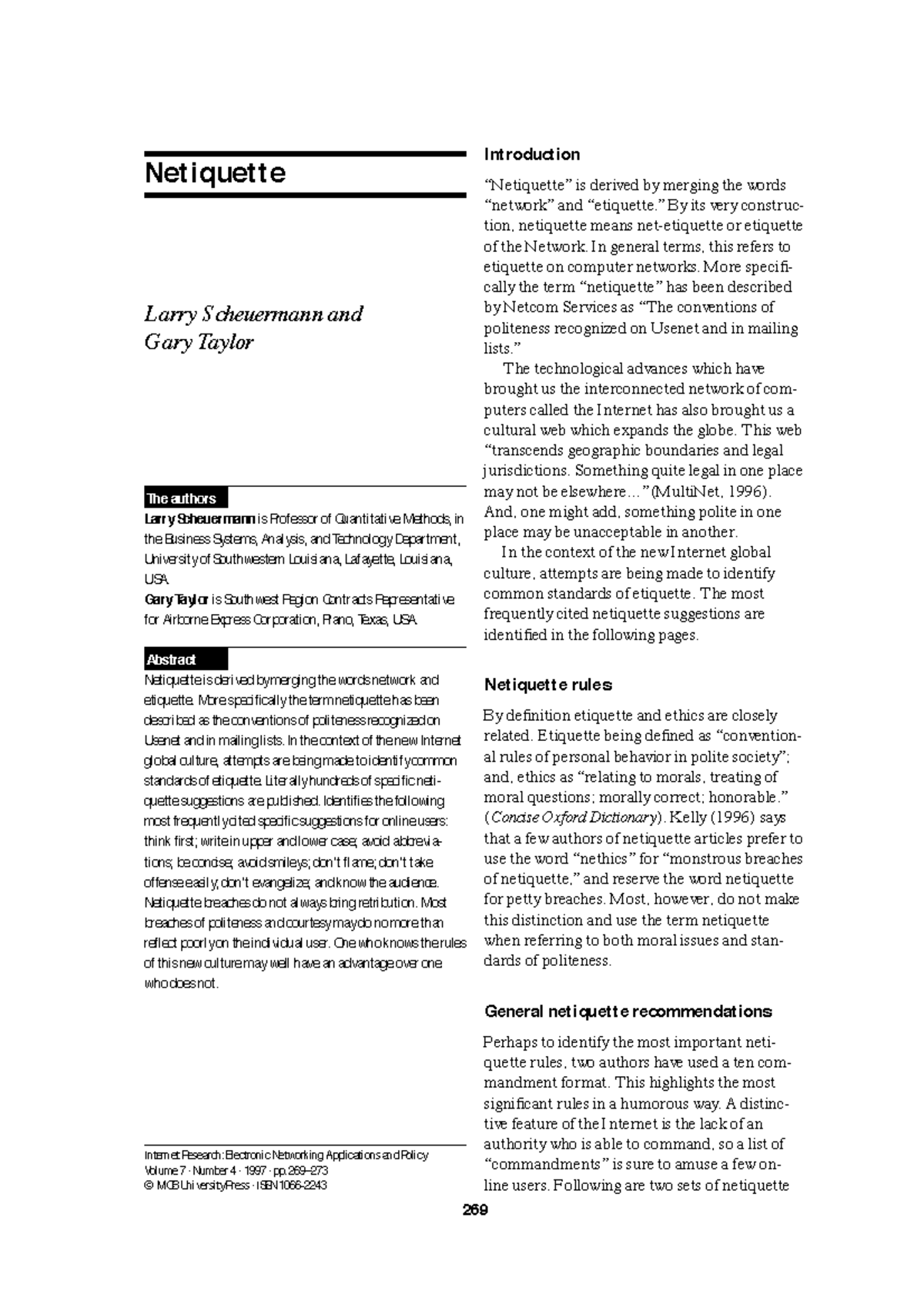
Netiquette, a portmanteau of "internet" and "etiquette," refers to the set of professional and social codes that govern behavior in digital communication spaces. As the internet continues to serve as the primary medium for both personal interaction and professional collaboration, understanding and practicing proper netiquette is essential for maintaining respectful, productive, and secure digital environments.
Understanding Netiquette: The Foundation of Digital Culture
What is Netiquette and Why Does It Matter?
In physical environments, humans rely on a vast array of nonverbal cues—such as facial expressions, tone of voice, posture, and spatial awareness—to navigate social interactions. Digital communication strips away nearly all of these markers. When text, asynchronous video, or instant messages replace face-to-face dialogue, messages are easily misinterpreted. Netiquette fills this gap by establishing shared expectations for online behavior. It minimizes conflict, prevents misunderstandings, and fosters a collaborative culture across diverse global communities.
The Evolution of Online Interaction Standards
The rules of digital engagement have evolved significantly alongside internet technology. In the early days of bulletin board systems (BBS) and Usenet groups, netiquette was largely driven by technical limitations and hacker subcultures, where efficiency and bandwidth conservation were paramount. Today, netiquette encompasses a broader range of psychological and sociological dimensions, including digital empathy, privacy preservation, inclusivity, and professional branding. Adhering to these standards is no longer merely a matter of being polite; it is a fundamental competency for anyone navigating modern digital ecosystems.
1. Practicing Digital Empathy and Mindful Tone
Decoding Text-Based Communication
Without vocal inflection or body language, written text often reads more harshly than intended. Sarcasm, irony, and dry humor can easily transform into insults or aggressive statements when viewed by an unfamiliar audience. Mindful tone requires writers to pause, re-read their messages, and evaluate how the recipient might perceive the words from their own unique context.
Avoiding All-Caps and Aggressive Punctuation
One of the most foundational rules of netiquette involves typography. Typing in ALL CAPITAL LETTERS is universally recognized in digital spaces as shouting. It creates an immediate sense of aggression and hostility, even if the sender simply intended to emphasize a point. Similarly, excessive use of exclamation points can come across as condescending or manic. Striking a balanced tone involves using varied sentence structures, relying on formatting tools like bold text sparingly for emphasis, and utilizing emojis or punctuation thoughtfully to convey warmth or levity when appropriate.
2. Respecting Privacy and Confidentiality
The Boundaries of Sharing Personal and Professional Data
Digital environments make copying, saving, and redistributing information effortless. However, just because content is accessible online does not mean it is free to share. Respecting privacy is a core pillar of netiquette. This involves refraining from sharing private messages, screenshots of personal conversations, or sensitive internal corporate data without explicit consent from all parties involved.
Tagging, Media Sharing, and Consent
In social and professional settings, posting photos or videos of others requires mindfulness. Before tagging a colleague, friend, or acquaintance in a photograph or mentioning them in a public post, one should ensure they are comfortable with that visibility. Furthermore, organizations and individuals must respect data protection frameworks such as the General Data Protection Regulation (GDPR) or the California Consumer Privacy Act (CCPA), ensuring that digital footprints do not infringe upon legal privacy rights or personal safety.
3. Maintaining Constructive and Respectful Discourse
Disagreeing Without Being Disagreeable
Online forums, comment sections, and social media feeds are designed for debate and the exchange of ideas. However, ideological diversity frequently gives rise to hostility. Constructive discourse requires separating the idea from the individual. Good netiquette dictates that participants address arguments using evidence and logic rather than resorting to ad hominem attacks, name-calling, or inflammatory rhetoric.
The Anatomy of a Healthy Digital Debate
When engaging in online disagreements, practitioners of proper netiquette observe several specific behavioral norms:
- Acknowledge valid points: Validate opposing arguments when they have merit to demonstrate active listening.
- Avoid piling on: Do not join digital mobs or flood a targeted individual with overlapping criticisms.
- Know when to disengage: If a conversation devolves into cyclical arguments or bad-faith exchanges, stepping away preserves mental energy and prevents escalation.
4. Acknowledging and Respecting Digital Boundaries
Understanding Asynchronous Communication Realities
Unlike telephone calls, which demand immediate attention, many digital communication channels—such as email, project management platforms, and asynchronous messaging tools—are designed to be checked periodically. Respecting digital boundaries means recognizing that colleagues, clients, and friends have schedules, personal lives, and dedicated focus time.
Response Times and After-Hours Etiquette
Sending a non-urgent message late at night or during weekends and expecting an immediate reply creates unnecessary pressure and contributes to digital burnout. Good netiquette involves utilizing scheduled send features for off-hours messages, explicitly stating urgency levels in subject lines or message headers, and respecting established organizational response-time policies.
| Channel Type | Recommended Response Window | Appropriate Use Case |
|---|---|---|
| Instant Messaging (Slack, Teams) | Within a few hours during work time | Quick questions, urgent operational blockers |
| 24 to 48 business hours | Detailed proposals, formal documentation, external communication | |
| Project Management Tools (Jira, Trello) | As per task deadline / sprint cycle | Task assignments, status updates, technical tracking |
| Social Media Direct Messages | Varies (24–72 hours) | Informal networking, customer support inquiries |
5. Ensuring Clarity, Conciseness, and Accessibility
Writing for the Digital Reader
Attention spans in digital spaces are notoriously constrained. Clear, concise writing is a sign of respect for the reader's time. Good netiquette encourages structuring text logically, utilizing bullet points for lists, and getting straight to the point rather than burying essential information behind walls of unnecessary prose.
Digital Accessibility as a Standard of Inclusion
True netiquette also encompasses accessibility, ensuring that digital content is consumable by individuals with visual, auditory, or cognitive impairments. Following accessibility standards includes:
- Adding alt text to images so screen readers can describe visual elements to visually impaired users.
- Using descriptive anchor text for hyperlinks, ensuring links clearly state their destination rather than using generic phrases like "click here."
- Providing transcripts or captions for video and audio content.
Common Netiquette Pitfalls and How to Avoid Them
Even seasoned internet users occasionally fall into behavioral traps. Recognizing these common errors helps maintain high standards of digital professionalism.
Oversharing and the Blurring of Professional Boundaries
The casual nature of social networks often tempts individuals to overshare personal grievances, controversial opinions, or inappropriate humor in professional or semi-public spaces. A good rule of thumb is the "employer test": never publish anything online that you would not be comfortable seeing projected on a screen in a professional conference room or printed in a public newspaper.
Ignoring Forum Rules and Platform Guidelines
Every digital community, subreddit, Facebook group, or corporate Slack channel has its own unwritten culture and explicit terms of service. Violating these norms—such as posting promotional content in a non-promotional channel or ignoring pinned FAQ threads—wastes the time of moderators and disrupts the community. Always review community guidelines before participating in a new digital space.
Frequently Asked Questions
What is the most important rule of netiquette?
While all rules of netiquette are interconnected, the golden rule remains paramount: "Remember the human." Every profile, email address, and comment handle represents a real person with feelings, context, and vulnerabilities. Keeping this humanity at the forefront of digital interactions prevents most forms of toxic behavior.
How does netiquette differ between professional and personal spaces?
Professional netiquette demands a higher standard of formality, precise grammar, adherence to organizational communication channels, and strict confidentiality protocols. Personal netiquette is generally more relaxed, allowing for slang, emojis, and informal abbreviations, though core principles of respect, consent, and empathy remain universal.
Is netiquette legally binding?
Netiquette itself is a set of social norms and ethical guidelines rather than a codified legal system. However, violations of digital decorum—such as cyberbullying, unauthorized sharing of copyrighted material, copyright infringement, or harassment—can violate platform terms of service, corporate policies, or local civil and criminal laws.
How can organizations train employees on proper netiquette?
Organizations can promote netiquette by establishing clear digital communication policies, providing training on asynchronous work boundaries, modeling respectful behavior from leadership down, and setting guidelines for the appropriate use of internal collaboration tools like Slack, Microsoft Teams, and email.
Conclusion and Next Actions
Mastering netiquette is an ongoing practice that requires self-awareness, adaptability, and continuous refinement as digital tools evolve. To improve your digital footprint starting today, audit your recent online communications: review how you phrase messages, check whether your digital boundaries respect others' time, and ensure your posts reflect empathy and clarity. By committing to these five key examples of netiquette, you contribute to a safer, more respectful, and more productive digital world for everyone.