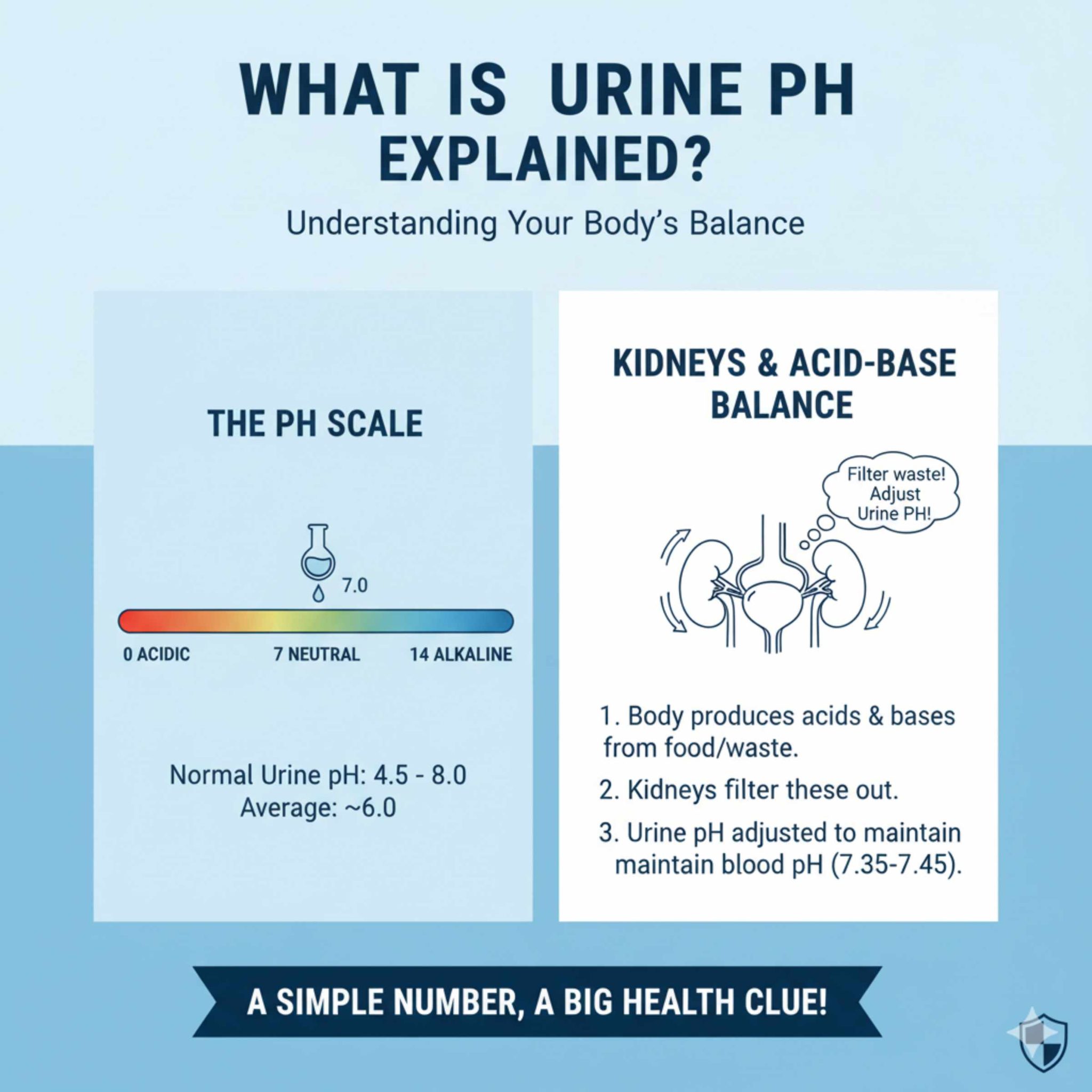
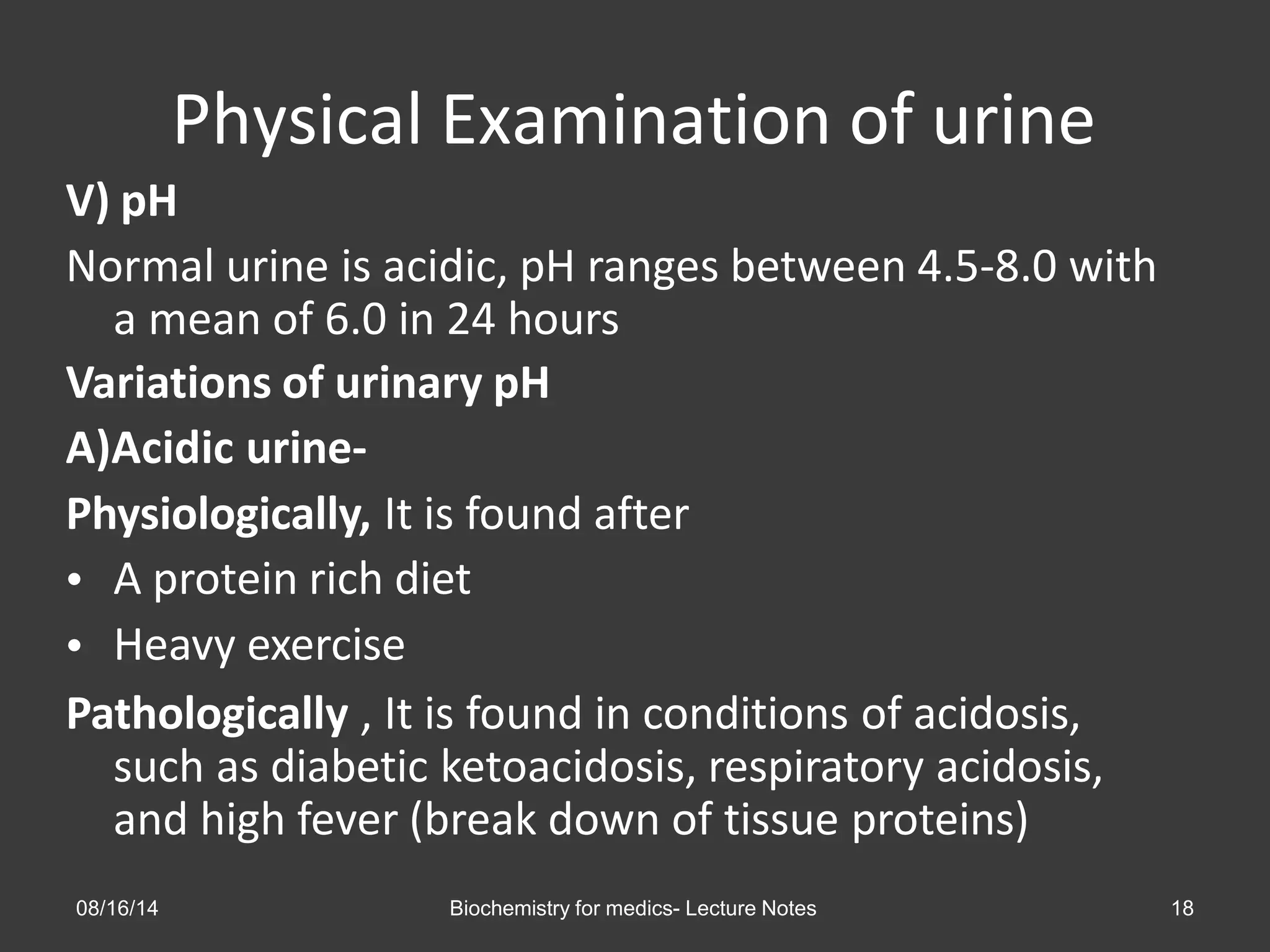
A urine pH of 5.0 is considered within the physiologically normal range for humans, which typically spans from 4.5 to 8.0. However, a value of 5.0 is on the acidic side of the spectrum. While often caused by diet or temporary metabolic states, persistent acidity can sometimes indicate underlying medical conditions or a predisposition to certain types of kidney stones.
The measurement of urinary pH is a standard component of a routine urinalysis. It provides a snapshot of how effectively your kidneys are maintaining the body’s acid-base balance. While the average person maintains a urine pH of around 6.0, fluctuations are common and expected throughout the day. Understanding what a 5.0 reading means for your specific health profile requires looking at your diet, hydration levels, and other markers on your lab report.
The Physiology of Urine pH and Acid-Base Balance
To understand why a urine pH of 5.0 occurs, one must first understand the role of the kidneys in systemic homeostasis. The human body must maintain a very tight blood pH range (between 7.35 and 7.45) to ensure that enzymes and cellular processes function correctly. If the blood becomes too acidic or too alkaline, the result can be fatal.
The kidneys act as the primary regulatory organ for this balance. They filter the blood and selectively excrete or reabsorb hydrogen ions (H+) and bicarbonate (HCO3-). When the blood contains an excess of acid, the kidneys work to dump those hydrogen ions into the urine. Consequently, the urine becomes more acidic. Therefore, a urine pH of 5.0 is often a sign that your kidneys are successfully removing excess acid from your system.
The pH scale is logarithmic, meaning that a pH of 5.0 is ten times more acidic than a pH of 6.0 and one hundred times more acidic than a pH of 7.0. Because the kidneys have a massive capacity for acid excretion, urine pH can drop as low as 4.5 in healthy individuals during periods of high acid production, such as after a heavy protein meal or intense exercise.
Why Your Urine pH Might Be 5.0
Several factors influence why a specific test result might show a pH of 5.0. It is rarely the result of a single factor but rather a combination of lifestyle choices and metabolic functions.
Dietary Influences (The PRAL Factor)
The most common reason for a 5.0 urine pH in healthy individuals is diet. Dietitians and urologists often use the Potential Renal Acid Load (PRAL) to categorize foods.
- High-Acid Foods: Meat, poultry, fish, dairy products (especially aged cheeses), and grains have a high PRAL. When these foods are metabolized, they produce sulfuric and phosphoric acids. To neutralize these, the kidneys excrete hydrogen ions, lowering the urine pH.
- Alkalizing Foods: Most fruits and vegetables have a negative PRAL. Despite some fruits (like lemons) being acidic in their raw state, their metabolic end-products are alkaline (bicarbonates), which raises urine pH.
A person following a high-protein, "keto," or "carnivore" diet in 2026 will almost certainly see a urine pH near 5.0. Conversely, a strict vegan or vegetarian typically has a more alkaline urine pH, often between 6.5 and 7.5.
Metabolic and Respiratory States
Beyond diet, the way your body breathes and processes energy affects acidity.
- Sleep: During sleep, respiration slows down slightly, leading to a minor buildup of carbon dioxide (CO2). CO2 is an acidic gas. This mild respiratory acidosis is corrected by the kidneys, which is why "first-morning urine" is almost always more acidic (closer to 5.0) than urine produced later in the day.
- Exercise: Intense physical activity produces lactic acid. As the body clears this acid, the kidneys excrete the excess, leading to a temporary drop in urinary pH.
- Fast or Starvation: When the body lacks glucose, it breaks down fats for fuel, creating ketones. Ketones are acidic, and their excretion will lower the pH of the urine.
Medical Conditions Associated with Low Urine pH
While a 5.0 reading is technically "normal," healthcare providers look for patterns. If the urine pH is consistently 5.0 or lower, it may be associated with specific clinical concerns.
Kidney Stone Risk
One of the most significant implications of acidic urine is the risk of urolithiasis (kidney stones). Different types of stones form at different pH levels:
- Uric Acid Stones: These are highly dependent on pH. Uric acid is significantly less soluble in urine with a pH below 5.5. When the pH is 5.0, uric acid can easily precipitate out of the liquid and form crystals, which eventually grow into painful stones.
- Cystine Stones: These rare stones also form more readily in acidic environments.
- Calcium Oxalate Stones: While these can form at various pH levels, they are the most common type and are often found in individuals with acidic urine profiles.
Metabolic Acidosis
Metabolic acidosis occurs when the body produces too much acid or the kidneys are not removing enough acid. This can be caused by:
- Diabetic Ketoacidosis (DKA): A serious complication of diabetes where ketones build up in the blood.
- Diarrhea: Severe diarrhea can cause a loss of bicarbonate (a base), leaving the body in an acidic state.
- Renal Tubular Acidosis (RTA): Specifically, Type 2 (proximal) RTA can lead to acidic urine as the body tries to compensate for bicarbonate loss, though some forms of RTA actually result in an inappropriately high (alkaline) pH.
Chronic Obstructive Pulmonary Disease (COPD)
Patients with chronic lung issues may have a higher baseline of CO2 in their blood. The kidneys compensate for this "respiratory acidosis" by excreting more acid, leading to a chronic state of low urine pH.
Interpreting 5.0 pH in a Full Urinalysis
A urine pH of 5.0 is never interpreted in isolation. Doctors look at other parameters to determine if the acidity is a cause for concern.
| Parameter | Result if 5.0 pH is "Benign" | Result if 5.0 pH is "Concernig" |
|---|---|---|
| Glucose | Negative | Positive (May indicate uncontrolled diabetes) |
| Ketones | Negative or Trace | Moderate to High (May indicate DKA or starvation) |
| Nitrites | Negative | Positive (Suggests an acidic-environment UTI) |
| Crystals | None | Uric acid or Cystine crystals present |
| Specific Gravity | 1.010 - 1.025 | High (Indicates dehydration, concentrating the acid) |
If the rest of the urinalysis is "clear" (negative for blood, protein, glucose, and bacteria), a 5.0 pH is usually attributed to a recent meal or the timing of the test (such as a first-morning sample).
When Should You Be Concerned?
A single lab result showing a 5.0 pH is rarely a reason for alarm. However, you should consult a healthcare professional if the acidic urine is accompanied by the following symptoms:
- Flank Pain: Sharp pain in the back or side could indicate kidney stones.
- Burning During Urination: While often associated with alkaline urine (from certain bacteria), some UTIs can persist in acidic environments, or the acid itself may irritate an inflamed urethra.
- Persistent Fatigue or Confusion: These can be signs of systemic metabolic acidosis.
- Unexplained Weight Loss: This might suggest a metabolic shift or uncontrolled diabetes.
In 2026, many patients use at-home urine test strips or smart-toilet sensors to monitor their health. If you notice your pH is consistently stuck at 5.0 despite eating a balanced diet and staying hydrated, it is worth discussing with a primary care physician or a urologist.
How to Manage and Balance Urinary pH
If a doctor determines that your urine is too acidic (especially if you are prone to uric acid stones), there are several strategies to raise the pH into a more neutral range (6.0–7.0).
Hydration is Key
The simplest way to manage urine pH is to increase water intake. More water dilutes the concentration of hydrogen ions. High urine volume also prevents the minerals that cause stones from sticking together. Aim for a urine color that is pale yellow.
Dietary Adjustments
To move the pH from 5.0 toward 6.5, you can:
- Increase Citrus Intake: While lemons and limes are acidic, they are metabolized into bicarbonate. Adding lemon juice to water is a classic clinical recommendation for stone prevention.
- Boost Vegetable Consumption: Leafy greens, broccoli, and root vegetables are highly alkalizing.
- Reduce Animal Protein: You don't have to eliminate meat, but reducing the portion size can significantly lower the acid load on your kidneys.
Medical Interventions
In cases where diet is not enough, doctors may prescribe potassium citrate. This medication is metabolized into bicarbonate, which is then excreted in the urine, effectively raising the pH and making it much harder for uric acid stones to form.
FAQs About 5.0 Urine pH
Is a urine pH of 5.0 too low?
No, it is not "too low" in the sense of being an immediate medical emergency. It is within the standard reference range of 4.5 to 8.0. However, it is at the lower end of the spectrum, meaning your urine is quite acidic compared to the average.
Can a 5.0 pH cause a burning sensation?
In some cases, yes. Highly acidic urine can irritate the lining of the bladder and the urethra, especially if those tissues are already sensitive or inflamed due to a minor infection or interstitial cystitis.
Does 5.0 urine pH mean I have a UTI?
Not necessarily. Most common Urinary Tract Infections (UTIs), such as those caused by Proteus or Klebsiella bacteria, actually make the urine more alkaline (pH above 7.0) because the bacteria produce an enzyme called urease. However, some infections can occur in acidic urine. The presence of bacteria, nitrites, or white blood cells on the lab report is a much better indicator of infection than pH alone.
How does 5.0 pH affect kidney stone formation?
A pH of 5.0 creates an ideal environment for uric acid crystals to harden into stones. If you have a history of kidney stones, your doctor will likely want to see your pH closer to 6.0 or 6.5 to help keep those minerals dissolved in the urine.
Should I change my diet if my pH is 5.0?
Only if you have other symptoms or health risks. If you are healthy and your urinalysis shows no other abnormalities, a 5.0 pH might just reflect what you ate for dinner the night before. If you are concerned about kidney stones, increasing your intake of fruits and vegetables is a safe and effective way to balance your pH.
Is first-morning urine always more acidic?
Typically, yes. Because you are not drinking water or breathing as deeply while asleep, your body accumulates more acid, and your kidneys concentrate the urine. This often results in a lower pH reading in the morning compared to the afternoon.
Practical Recommendations
If you have received a lab result showing a urine pH of 5.0, your next steps depend on your overall health. For most people, this is a normal finding.
- Review the full report: Check for the presence of blood, protein, or crystals.
- Assess your diet: Consider if you have been eating high amounts of protein or grains recently.
- Increase hydration: Drink at least 2–3 liters of water daily, especially if you have a history of kidney stones.
- Monitor for symptoms: If you experience pain or changes in urinary habits, consult a doctor.
- Follow up: If you have chronic conditions like diabetes or kidney disease, discuss the result with your specialist at your next 2026 wellness check-up to see if it fits your long-term health trends.
Understanding your body’s chemistry is a vital part of proactive health management. While "5.0" may seem like a low number, in the context of the kidneys' incredible ability to filter and balance your system, it is often just a sign of your body doing exactly what it was designed to do.