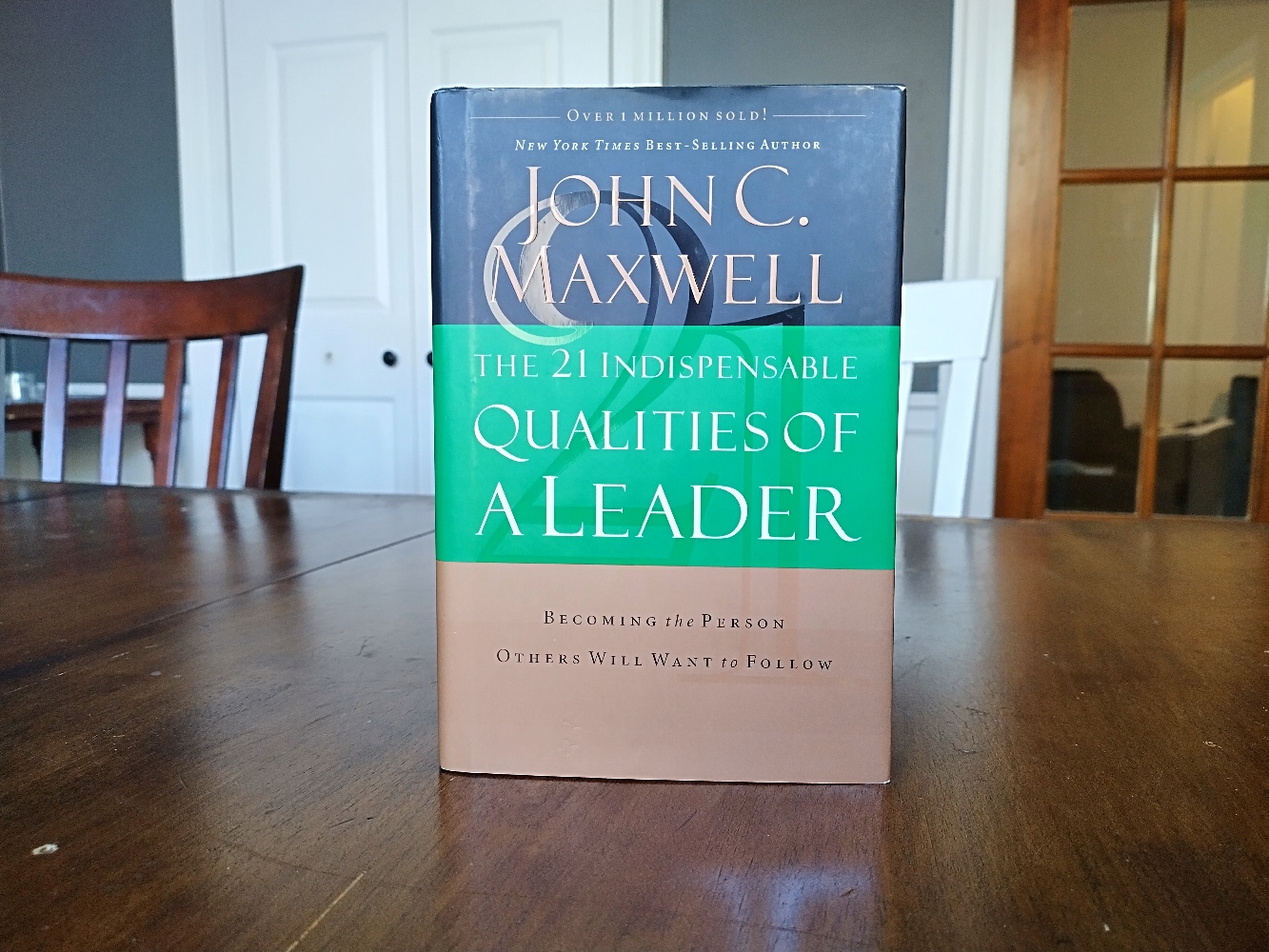
Effective leadership is rooted in a core foundation of personal character, strategic vision, interpersonal capability, and consistent execution, rather than mere titles or authority.
Leadership development requires examining specific attributes that transform ordinary managers into visionary guides. Drawing from long-standing organizational research, psychological frameworks, and classic leadership literature—most notably the foundational principles outlined by leadership expert John C. Maxwell in The 21 Indispensable Qualities of a Leader—this encyclopedic overview provides a comprehensive analysis of the essential traits required to guide teams, organizations, and communities successfully.
The Foundation of Character
True leadership begins from the inside out. Before a leader can direct external operations or manage large groups of people, they must master their own inner framework. Character establishes credibility, builds trust, and forms the bedrock upon which all other leadership skills rest. Without character, tactical competence often deteriorates into manipulation or authoritarian control.
1. Character
Character is the ultimate metric of a leader's reliability. It is far more than talk; it is who a leader is beneath the surface. When difficult choices arise, character dictates the response.
- Operational Impact: Leaders with strong character inspire deep loyalty because team members know their values remain steady during crises.
- Development Strategy: Cultivate character by aligning daily private habits with public commitments, ensuring complete honesty even when accountability is absent.
2. Charisma
Charisma is often misunderstood as an innate, theatrical personality trait, but in leadership, it is actually the ability to draw people in through genuine care and interest. True charisma makes others feel valued, heard, and important.
- Operational Impact: Charismatic leaders energize rooms and boost team morale, making collaborative environments more cohesive.
- Development Strategy: Shift focus away from trying to impress others. Instead, focus on listening actively, remembering personal details, and expressing authentic appreciation for team contributions.
3. Commitment
Commitment separates dreamers from doers. It is not dictated by favorable conditions or emotional convenience; true commitment persists when circumstances turn adversarial.
- Operational Impact: Teams look to the leader during setbacks. If the leader shows wavering dedication, the team quickly loses momentum.
- Development Strategy: Evaluate current projects and eliminate superficial commitments. Re-invest energy into core objectives, establishing firm boundaries against quitting when friction occurs.
4. Communication
Without effective communication, even the most brilliant strategic vision remains trapped as an unfulfilled concept. Leaders must be able to simplify complex ideas and articulate them clearly to diverse audiences.
- Operational Impact: Clear communication prevents costly operational errors, eliminates ambiguity, and keeps organizational cross-functional teams aligned.
- Development Strategy: Practice the rule of simplicity. Strip away corporate jargon, focus on the primary takeaway, and always verify understanding by encouraging feedback and questions.
Interpersonal Dynamics and Influence
Once a leader has established internal character and foundational communication habits, their effectiveness relies heavily on how they interact with others. Leadership is inherently a social enterprise that requires trust, empathy, and social intelligence.
5. Competence
Competence is a leader's proven ability to say it, plan it, and do it in a way that consistently delivers high-quality results. People rarely follow leaders who lack baseline capability in their field.
- Operational Impact: Competence builds organizational confidence. When teams trust a leader's technical judgment, execution timelines shorten significantly.
- Development Strategy: Commit to continuous learning, master industry-specific workflows, and take responsibility for updating outdated operational skills.
6. Courage
Courage is not the absence of fear; it is the mastery of it. Leaders face regulatory hurdles, market shifts, and difficult personnel decisions that require bold action despite high uncertainty.
- Operational Impact: A courageous leader prevents organizational stagnation by confronting problems directly rather than avoiding uncomfortable truths.
- Development Strategy: Identify minor fears or delayed conversations within your current workflow and resolve them systematically. Build resilience through incremental exposure to calculated risks.
7. Discernment
Discernment is the ability to find the root of a matter, see beyond surface presentations, and grasp the interconnected nature of complex operational challenges.
- Operational Impact: Discerning leaders avoid chasing symptomatic fixes and instead diagnose root causes, saving time and capital.
- Development Strategy: Analyze past mistakes systematically. Look for patterns in complex failures to sharpen intuitive pattern recognition.
8. Focus
The most effective leaders understand that trying to do everything results in achieving nothing. Focus allows a leader to direct maximum energy toward high-yield priorities.
- Operational Impact: Sharp focus prevents team burnout caused by shifting priorities and ensures that critical project milestones are met on schedule.
- Development Strategy: Implement the Pareto Principle (the 80/20 rule). Identify the 20% of tasks that yield 80% of results and ruthlessly delegate or eliminate the rest.
Intellectual and Strategic Capabilities
Moving past interpersonal connections, leaders must possess the cognitive tools required to navigate long-term strategy, solve difficult problems, and maintain a forward-looking perspective.
| Leadership Quality | Primary Organizational Benefit |
|---|---|
| Character | Builds enduring trust and credibility |
| Competence | Inspires confidence in execution |
| Focus | Prevents resource dispersion and burnout |
| Problem Solving | Transforms crises into growth catalysts |
| Vision | Provides long-term strategic direction |
9. Generosity
True generosity in leadership extends beyond financial compensation; it includes sharing credit, investing time in mentorship, and providing emotional support.
- Operational Impact: Generous leaders create psychological safety, encouraging innovation and calculated risk-taking without fear of punitive measures.
- Development Strategy: Actively seek opportunities to highlight team members' achievements in public and dedicate uninterrupted time to mentoring junior staff.
10. Initiative
Initiative is the catalyst that turns ideas into reality. Leaders cannot afford to wait for ideal conditions or explicit instructions; they must generate momentum independently.
- Operational Impact: Proactive leadership keeps organizations ahead of market disruptions and prevents operational bottlenecks.
- Development Strategy: Cultivate a bias for action. When spotting an inefficiency, immediately draft a viable solution rather than simply reporting the issue.
11. Listening
Listening is an active discipline that requires setting aside personal biases to understand the perspective, needs, and concerns of others.
- Operational Impact: Leaders who listen effectively uncover frontline operational insights that rarely make it to executive boardrooms.
- Development Strategy: Practice reflective listening. Repeat back key points during discussions to confirm understanding before formulating a response.
12. Passion
Passion is the emotional fuel that sustains long-term efforts. It is infectious, lifting the energy of an entire department or organization.
- Operational Impact: Passionate leaders maintain high team resilience during prolonged, difficult projects or market downturns.
- Development Strategy: Reconnect with your core professional purpose. Identify the specific elements of your work that create intrinsic fulfillment and lean into them.
Execution and Personal Mastery
The final tier of leadership qualities governs personal discipline, emotional maturity, and the daily execution required to sustain long-term success.
13. Positive Attitude
A positive attitude is a deliberate choice to maintain constructive optimism and solution-oriented thinking, regardless of external circumstances.
- Operational Impact: Attitude is contagious. A leader's emotional baseline sets the emotional climate for the entire workspace.
- Development Strategy: Monitor internal dialogue. Replace catastrophic framing with objective, problem-focused terminology during stressful situations.
14. Problem Solving
Problems are inevitable components of any complex enterprise. Effective leaders do not let obstacles paralyze them; they view challenges as puzzles waiting to be solved.
- Operational Impact: Systematic problem-solving minimizes downtime and prevents localized failures from cascading into systemic crises.
- Development Strategy: Adopt structured frameworks like root-cause analysis. Break large problems down into manageable sub-components before assigning corrective actions.
15. Relationships
Strong relationships form the infrastructure of influence. Leaders cannot achieve ambitious goals in isolation; they need collaborative networks built on mutual respect.
- Operational Impact: Healthy professional relationships reduce friction, accelerate cross-functional projects, and ease negotiations.
- Development Strategy: Prioritize relational equity over transactional exchanges. Check in with colleagues and team members without immediate work-related agendas.
16. Responsibility
Responsibility means accepting total accountability for outcomes, regardless of whether circumstances were entirely within one's control.
- Operational Impact: Leaders who take responsibility build cultures of high accountability, eliminating the counterproductive habit of blame-shifting.
- Development Strategy: Eliminate excuses from professional communication. When a project fails, immediately ask, "What was my role in this outcome, and how do I fix it?"
17. Security
Secure leaders are comfortable empowering others, sharing authority, and surrounding themselves with brilliant people who may possess superior skills.
- Operational Impact: Secure leaders prevent toxic office politics and foster an environment where talent can thrive without fear of professional rivalry.
- Development Strategy: Actively hire and promote individuals who excel in areas where you are weak, celebrating their successes publicly.
18. Self-Discipline
Self-discipline bridges the gap between goals and accomplishments. It is the ability to do what needs to be done, when it needs to be done, regardless of emotional inclination.
- Operational Impact: Consistent self-discipline ensures operational consistency, strict adherence to deadlines, and reliable execution.
- Development Strategy: Build strict routines for high-priority tasks. Eliminate daily distractions by scheduling deep-work blocks free from digital interruptions.
19. Servanthood
Servant leadership flips the traditional hierarchy upside down, prioritizing the growth, well-being, and operational success of team members above personal glory.
- Operational Impact: Servant leaders earn profound loyalty and discretionary effort, as teams recognize their interests are genuinely protected.
- Development Strategy: Regularly ask your team members, "What obstacle can I remove for you today?" and act on their answers.
20. Teachability
Teachability requires intellectual humility. The moment a leader believes they know everything is the exact moment their professional growth stagnates.
- Operational Impact: Teachability keeps organizations agile and adaptive in rapidly evolving technological and economic landscapes.
- Development Strategy: Actively seek critical feedback from peers, subordinates, and mentors. Treat constructive criticism as valuable data rather than a personal attack.
21. Vision
Vision is the ability to see the bigger picture, anticipate future trends, and paint a compelling picture of where the organization is heading.
- Operational Impact: Vision gives daily tasks meaning, aligning disparate team efforts toward a cohesive, long-term destination.
- Development Strategy: Dedicate uninterrupted time each week to step away from daily firefighting and reflect on long-term industry trends and strategic positioning.
Frequently Asked Questions
Can leadership qualities be learned, or are they entirely innate?
Leadership qualities can be systematically developed over time. While some individuals may naturally lean toward certain traits like charisma or positive attitudes, all 21 qualities are behavioral skills that improve through intentional practice, reflection, and feedback.
Which of the 21 qualities is the most critical for new leaders?
Character serves as the non-negotiable foundation. Without character, skills like competence and charisma can be misapplied for selfish ends, quickly eroding team trust and destroying long-term organizational stability.
How can a leader assess their own strengths and weaknesses across these traits?
Conduct a 360-degree feedback assessment by asking trusted peers, supervisors, and direct reports to evaluate your performance across these specific dimensions. Compare your self-perception with external observations to identify blind spots.
Is it possible to master all 21 qualities simultaneously?
Attempting to master all qualities at once typically leads to exhaustion and superficial progress. Effective leadership development is an iterative process; select one or two traits to focus on during each operational quarter.
How do these qualities apply in remote or hybrid work environments?
Remote work amplifies the importance of communication, responsibility, and security. Because physical oversight is reduced, leaders must rely heavily on trust, clear written direction, and empowering remote team members to exercise initiative independently.
Practical Next Actions
Developing these 21 indispensable qualities requires deliberate, structured action rather than passive reading.
- Self-Audit: Review the list above and honestly rate your proficiency in each quality from 1 to 10.
- Prioritize: Select the single lowest-scoring quality that currently creates the greatest friction in your professional life.
- Build a Routine: Establish one daily or weekly habit specifically designed to strengthen that chosen trait.
- Review Progress: Re-evaluate your performance after 90 days, acknowledge improvements, and select the next quality for targeted development.