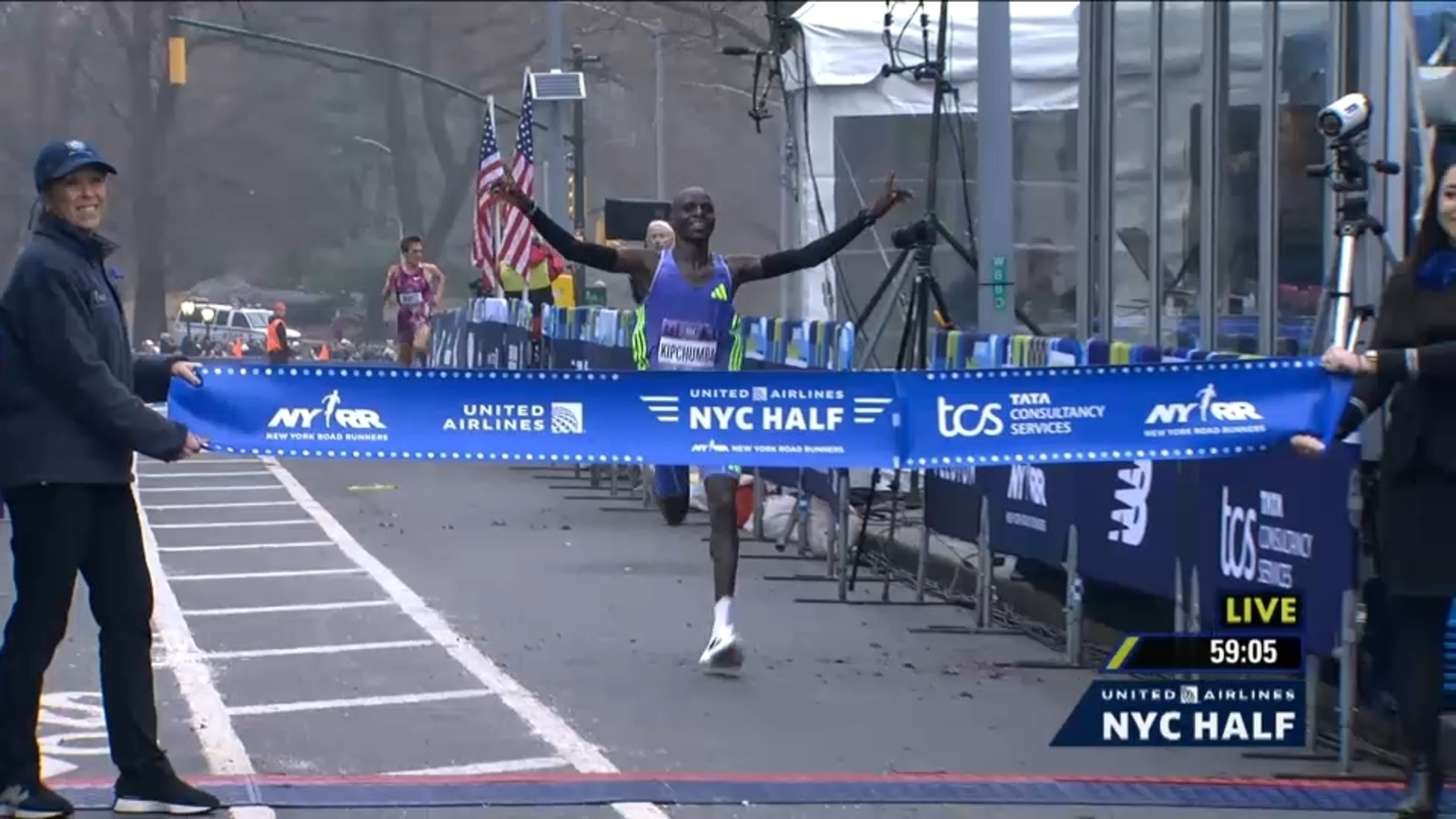
The 2025 New York half marathon season featured a comprehensive schedule of over 50 sanctioned races across the state, ranging from elite international events in Manhattan to scenic rural runs in the Finger Lakes. Major highlights included the United Airlines NYC Half in March and the RBC Brooklyn Half in May, both of which saw record participation levels.
The 2025 calendar provided runners with diverse terrain, including the hilly loops of Central Park, the flat boardwalks of Coney Island, and the fast, downhill paths of the Southern Tier. For those tracking the historical performance of these races or planning their future training cycles based on the 2025 schedule, this guide serves as the definitive record of the year’s competitive 13.1-mile landscape.
Understanding the New York Racing Landscape
New York remains one of the most active states for long-distance running in the world. The 2025 season was defined by three primary organizing bodies, each offering a distinct racing experience. Understanding these organizers is crucial for interpreting the 2025 calendar and results.
New York Road Runners (NYRR)
As the largest non-profit running organization in the United States, NYRR managed the "prestige" events of 2025. Their races are characterized by massive fields (often exceeding 20,000 runners), rigorous lottery entry systems, and professional-grade course management. The 2025 NYRR calendar focused heavily on the five boroughs, with the United Airlines NYC Half and the RBC Brooklyn Half serving as their flagship 13.1-mile events.
NYCRuns
NYCRuns offered a robust alternative to the NYRR circuit in 2025, specializing in high-quality races with a slightly more "local" feel, despite their significant size. Their marquee event, the NYCRuns Brooklyn Half Marathon (distinct from the NYRR version), provided a unique course through the streets of Brooklyn, finishing in Prospect Park. They are known for excellent race-day swag and well-organized finish festivals.
Independent and Regional Organizers
Outside of New York City, the 2025 calendar was populated by independent organizations such as the Wineglass Marathon team, the Buffalo Marathon group, and various local running clubs like the Syracuse Track Club. These races often focused on "PR-friendly" (Personal Record) courses that leveraged the natural geography of Upstate New York, such as rail trails and river paths.
The 2025 New York Half Marathon Calendar
The following table outlines the most significant half marathons held across New York State in 2025. Dates are based on the official 2025 competitive schedule.
| Date | Race Name | Location | Primary Organizer |
|---|---|---|---|
| January 19, 2025 | Fred Lebow Half Marathon | Central Park, NYC | NYRR |
| February 2, 2025 | NYCRuns Central Park Half | Central Park, NYC | NYCRuns |
| March 16, 2025 | United Airlines NYC Half | Manhattan, NYC | NYRR |
| April 6, 2025 | Skunk Cabbage Classic | Ithaca, NY | Finger Lakes Runners |
| April 27, 2025 | NYCRuns Brooklyn Half | Brooklyn, NYC | NYCRuns |
| May 4, 2025 | Long Island Half Marathon | East Meadow, NY | Nassau County |
| May 17, 2025 | RBC Brooklyn Half | Brooklyn, NYC | NYRR |
| May 25, 2025 | Buffalo Half Marathon | Buffalo, NY | Buffalo Marathon |
| June 22, 2025 | Fairfield County/NY Border Half | Brewster, NY | Regional |
| July 20, 2025 | Shore 2 Shore Half | East Islip, NY | Long Island |
| August 24, 2025 | Edmonton/Syracuse Summer Half | Syracuse, NY | Local Club |
| September 14, 2025 | Hamptons Half Marathon | Southampton, NY | Independent |
| September 21, 2025 | Rochester Half Marathon | Rochester, NY | YellowJacket Racing |
| October 5, 2025 | Wineglass Half Marathon | Corning, NY | Wineglass |
| October 12, 2025 | NYRR Staten Island Half | Staten Island, NYC | NYRR |
| October 26, 2025 | Mohawk Hudson River Half | Albany, NY | HMRRC |
| November 16, 2025 | NYCRuns Big Apple Half | Central Park, NYC | NYCRuns |
| December 7, 2025 | Holiday Half Marathon | Various Locations | Various |
Detailed Seasonal Breakdown of the 2025 Circuit
Quarter 1: The Winter Endurance Phase
The 2025 season began with grueling winter conditions. The Fred Lebow Half Marathon in January is traditionally a "runner's race," appealing to those training through the coldest months for spring marathons. The course consists of two-plus loops of Central Park, including the infamous Harlem Hill.
In March, the United Airlines NYC Half served as the first major international event of the year. The 2025 route took runners from Brooklyn, across the Manhattan Bridge, through the heart of Times Square, and finished in Central Park. This race is one of the few times each year that Times Square is closed to traffic, making it a bucket-list event for global participants.
Quarter 2: Spring Peak and Personal Bests
April and May are widely considered the peak of the NY half marathon season due to the temperate weather. The NYCRuns Brooklyn Half Marathon in late April provided a fast, urban tour of Brooklyn’s historic neighborhoods.
Following closely in May, the RBC Brooklyn Half (NYRR) maintained its status as the largest half marathon in the United States. In 2025, the race saw over 25,000 finishers. The course began near the Brooklyn Museum and ended with a iconic finish on the Coney Island Boardwalk. Simultaneously, the Buffalo Half Marathon in Western New York offered a flat, fast alternative for those seeking to qualify for elite regional waves.
Quarter 3: Summer Challenges and Training
Racing slowed down in July and August due to New York's high humidity. However, the Shore 2 Shore Half on Long Island and various "twilight" runs allowed athletes to maintain fitness. These races are typically smaller and serve as tune-ups for the major autumn events. The Hamptons Half Marathon in September marked the transition into the fall season, offering a scenic coastal route that benefited from the early cooling of the Atlantic breezes.
Quarter 4: The Autumn PR Season
October 2025 was the most critical month for runners seeking fast times. The Wineglass Half Marathon in Corning is nationally recognized for its point-to-point, net-downhill course. In 2025, it remained a top choice for those aiming for a personal best.
The NYRR Staten Island Half in mid-October served as the final "Five-Borough Series" event for many runners, offering views of the Statue of Liberty and the Verrazzano-Narrows Bridge. The season concluded in November and early December with festive-themed runs, such as the NYCRuns Big Apple Half, which provided a celebratory atmosphere to close out the competitive year.
Logistics, Entry Requirements, and Registration for 2025
Navigating the 2025 calendar required more than just physical training; it required careful logistical planning. Most major New York races operated on a tiered registration system or a lottery.
The Lottery System
For the 2025 United Airlines NYC Half and the RBC Brooklyn Half, demand far exceeded supply. The application window for these races typically opened four to five months in advance.
- Drawing Phases: Applicants were often divided into three pools: NYC metro area residents, national residents (outside the NYC metro area), and international residents.
- Charity Entries: Runners who did not win the lottery in 2025 often secured spots by committing to fundraise for official charity partners, such as Team for Kids or the American Cancer Society.
Qualifying Times
Elite and sub-elite runners could bypass the 2025 lottery systems by meeting time standards in NYRR-sanctioned races from the previous year. For 2025, a male runner under 34 generally needed a half marathon time of 1:21:00 or faster, while a female runner in the same age bracket needed a 1:32:00 or faster to guarantee entry.
The 4 out of 6 Program
In 2025, NYRR continued its "4 out of 6" program. Runners who completed four of the six flagship borough races (including the NYC Half and Brooklyn Half) were granted guaranteed, non-complimentary entry into the following year's United Airlines NYC Half. This program is a primary driver of participation in the Staten Island and Manhattan races.
Course Profiles and Surface Types
The 2025 New York circuit offered three distinct types of course profiles that dictated how runners approached their training.
1. The Park Loop
Events like the Fred Lebow and Big Apple Half took place entirely within Central Park. These courses are notoriously difficult because they are never truly flat. Runners in 2025 had to contend with "The Three Sisters" (a series of rolling hills on the west side) and the steep incline of Harlem Hill on the north end.
2. Urban Point-to-Point
The NYC Half and RBC Brooklyn Half are point-to-point races. These require complex logistics, as the start and finish lines are miles apart. In 2025, NYRR utilized "checked bag" services where runners' belongings were transported from the start (e.g., Prospect Park) to the finish (e.g., Coney Island) via specialized trucks.
3. Rail Trails and River Paths
Upstate races, like the Mohawk Hudson River Half, utilized paved rail trails. These courses are almost entirely flat and separated from vehicular traffic. In 2025, these were the preferred venues for masters runners and those coming back from injury due to the consistent, predictable surface.
Essential Training Considerations for New York Races
Training for the 2025 New York calendar required adaptation to the state's volatile climate and varied topography.
- Hill Specialization: Because Central Park is the "home court" for many NY races, successful runners in 2025 incorporated "hill repeats" once a week. This built the quad strength necessary for the late-race inclines in the NYC Half.
- Weather Layering: Spring races in New York can start at 35°F and end at 60°F. The 2025 season saw several races where "throwaway clothes" (old sweatshirts donated at the start line) were essential for maintaining core temperature before the starting gun.
- Concrete vs. Asphalt: Urban races in NYC are run primarily on asphalt, but some sections (especially bridges and boardwalks) involve concrete or wooden planks. Runners who trained exclusively on treadmills often struggled with the "road shock" of the Brooklyn and Manhattan bridges in 2025.
Frequently Asked Questions (FAQ)
Which 2025 NY half marathon was the fastest?
The Wineglass Half Marathon in Corning was widely considered the fastest course of 2025. This is due to its point-to-point, net-downhill trajectory which follows the Chemung River valley. It is a favorite for runners looking to set a personal best or achieve a high age-group ranking.
How did the NYRR and NYCRuns Brooklyn Half Marathons differ in 2025?
The NYRR RBC Brooklyn Half (May) started near the Brooklyn Museum, went around Prospect Park, and finished on the Coney Island Boardwalk. The NYCRuns Brooklyn Half (April) featured a course that went through North Brooklyn, under the bridges, and finished inside Prospect Park. The NYRR race was significantly larger in terms of participants.
Were there any half marathons in 2025 that allowed strollers or dogs?
Most major competitive races in New York, including all NYRR and NYCRuns events, strictly prohibited strollers and pets for safety reasons due to high runner density. Some smaller, local "fun run" half marathons in Upstate New York allowed strollers, but these were the exception rather than the rule.
What happened if a race was canceled due to weather in 2025?
In 2025, most organizers maintained a "no refund" policy. If a race was canceled due to extreme weather (like lightning or extreme heat), runners were typically offered a partial credit for a future race or guaranteed entry into the next year's event, though registration fees were rarely refunded in cash.
How much did it cost to run a half marathon in New York in 2025?
Registration fees varied by event and timing. Early-bird registration for smaller races started around $65–$80. Marquee events like the United Airlines NYC Half cost approximately $145–$175 for non-members. Prices typically increased as the race date approached or as the field reached capacity.
Practical Recommendations for Planning Future Seasons
Reflecting on the 2025 New York half marathon calendar, runners should prioritize early registration and a diversified training plan. If you are aiming for a major NYC race, join a local running club to gain access to coached sessions and potential "club points" entries. For those seeking a personal best, look toward the autumn races in the Finger Lakes or the Hudson Valley where the combination of flat terrain and cool temperatures provides the optimal environment for speed. Always verify the specific lottery dates for the following year, as windows often close months before the actual event.