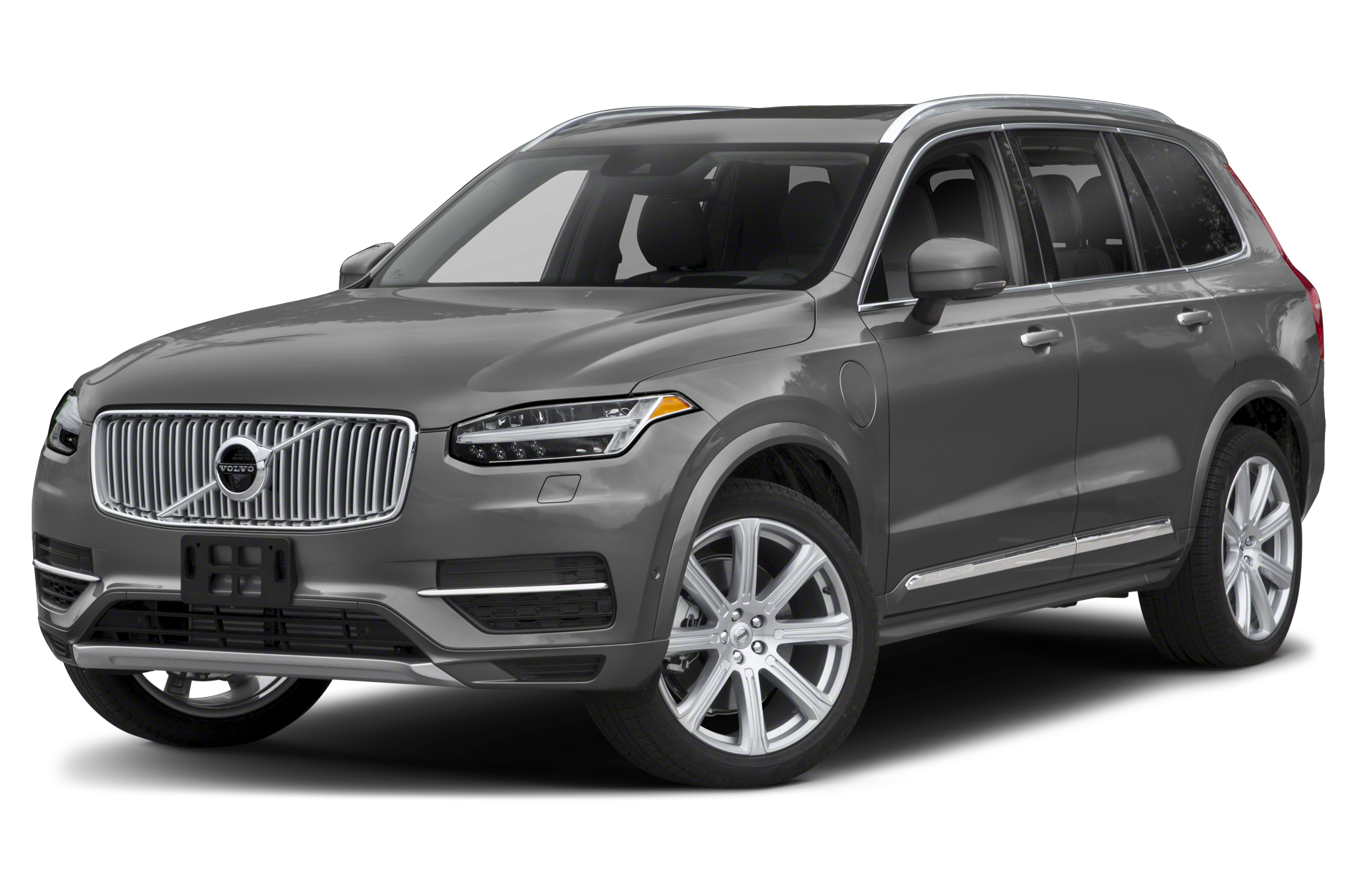
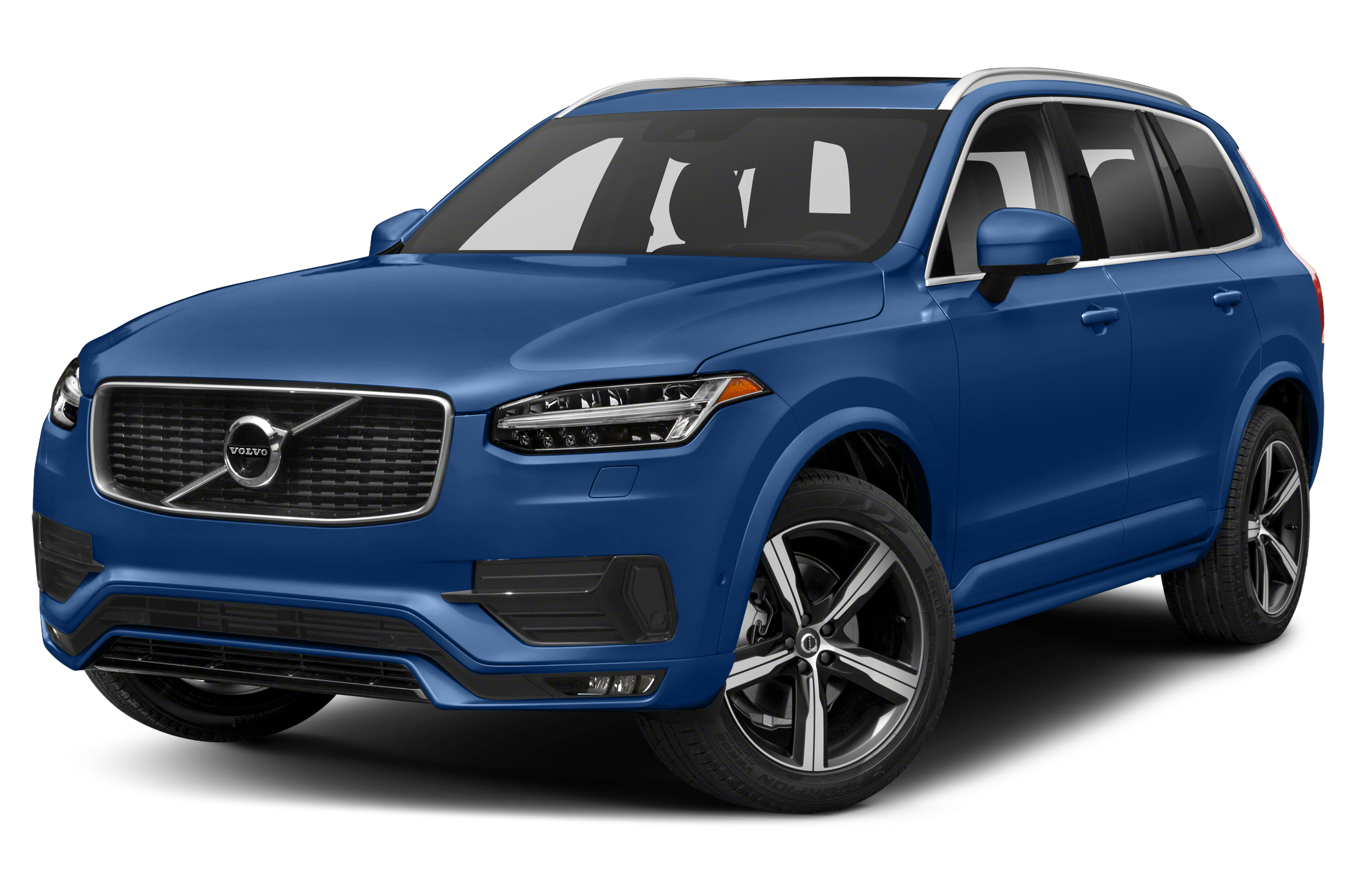
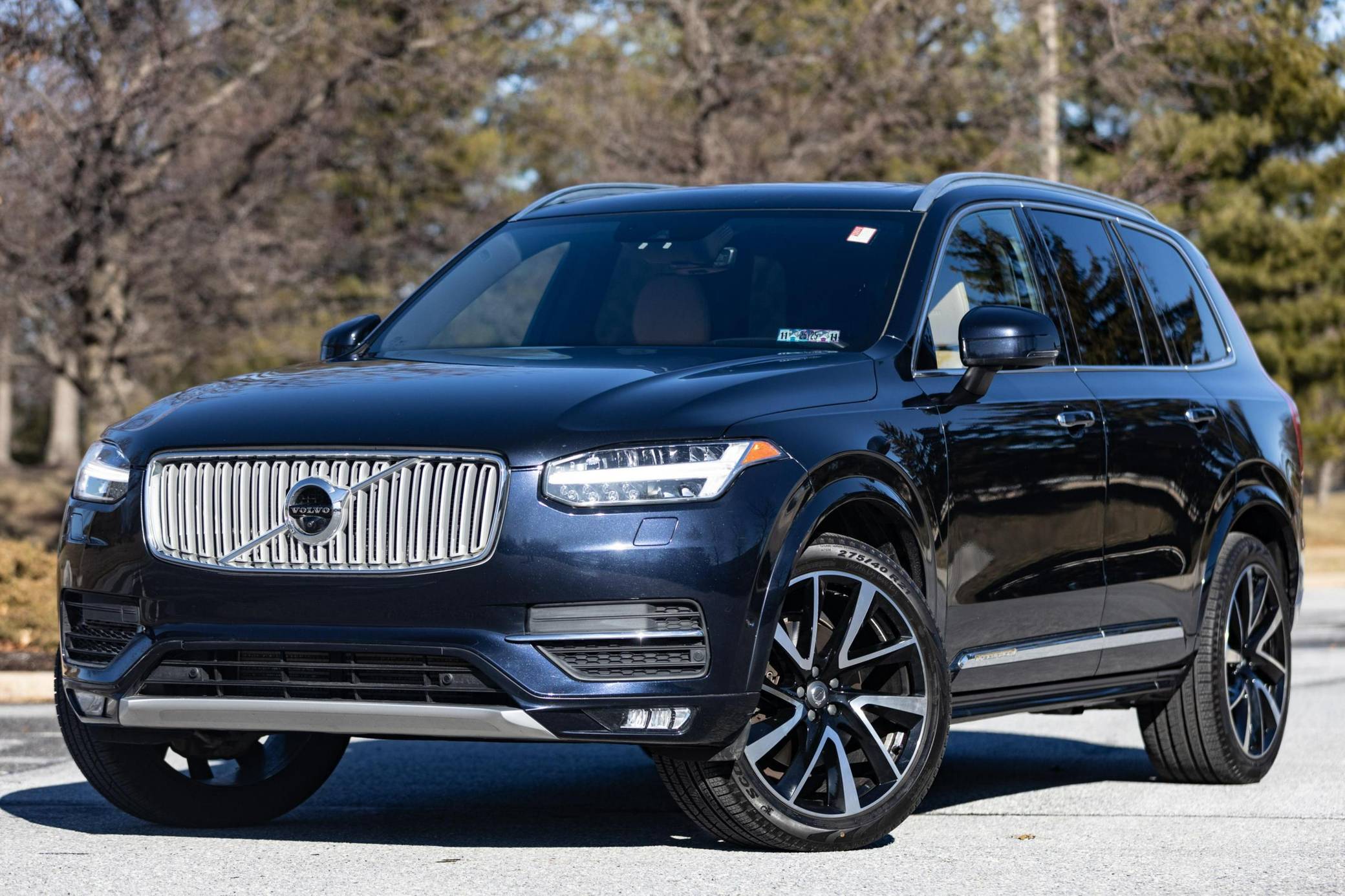
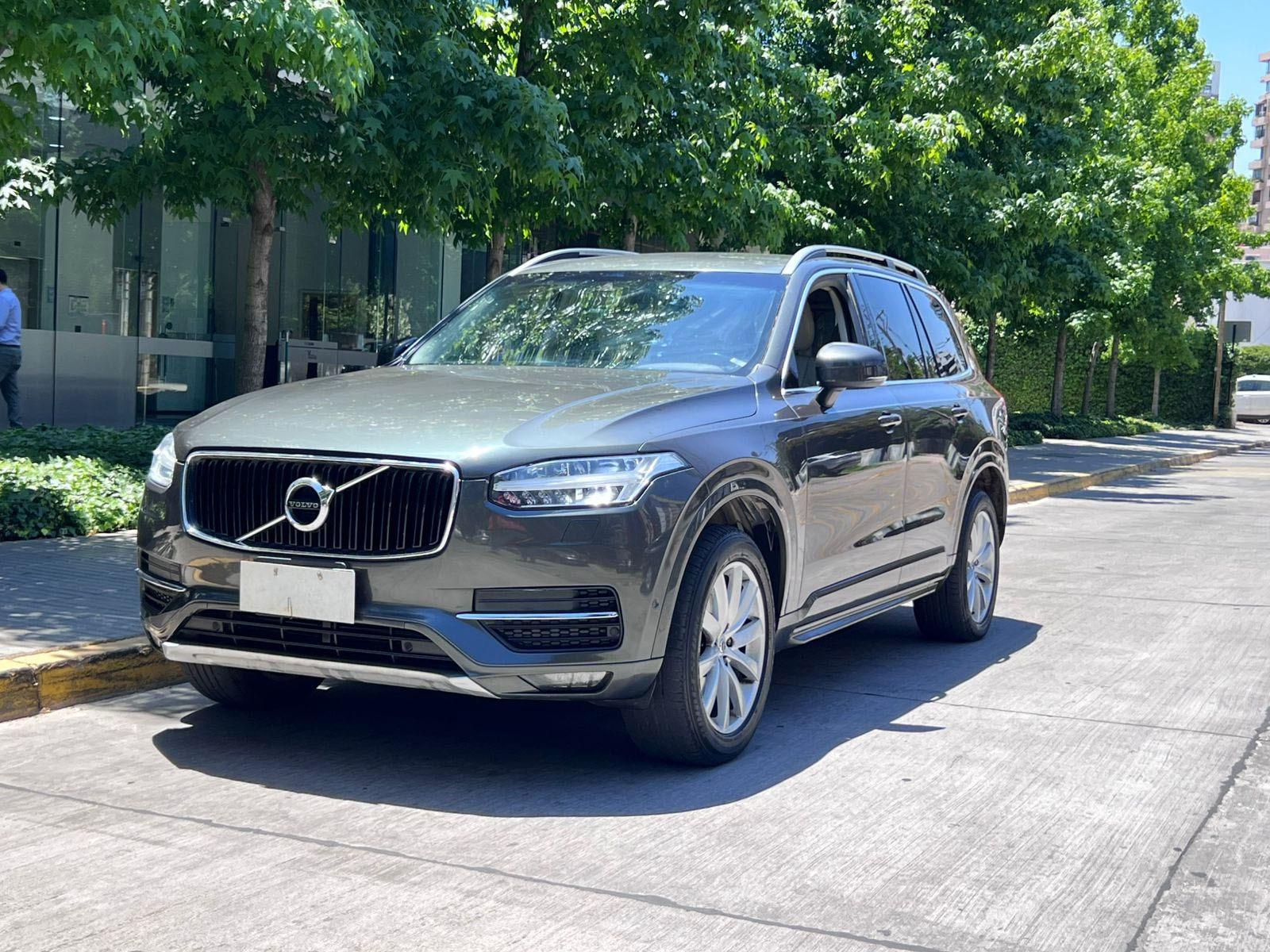
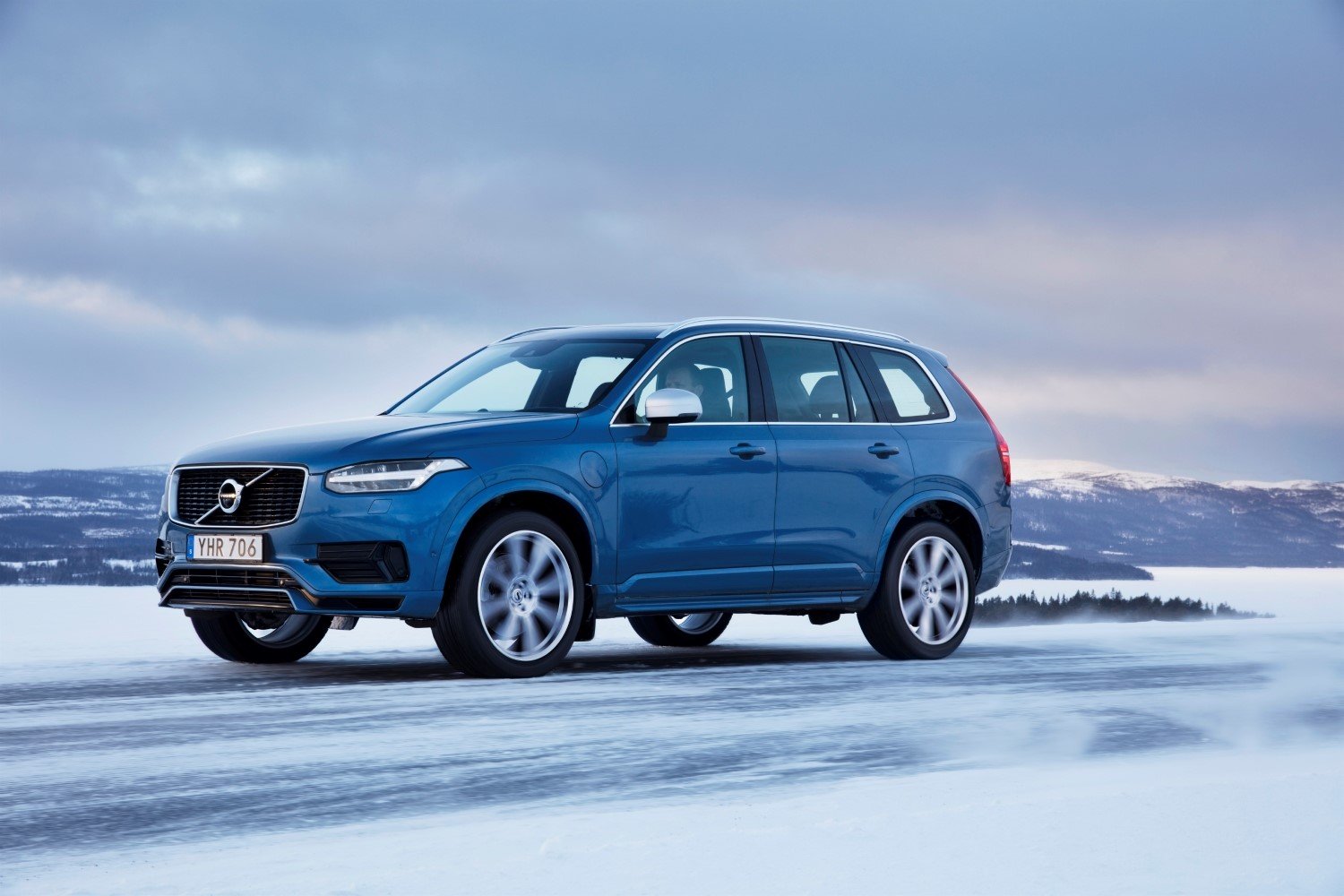
The 2019 Volvo XC90 T5 balances Scandinavian luxury with a practical, single-turbocharged 2.0-liter powertrain producing 250 horsepower and 258 lb-ft of torque. Paired with an eight-speed automatic transmission, it delivers composed, linear acceleration and sophisticated cabin comfort, making it a compelling, mechanically straightforward choice for luxury three-row SUV buyers.
When Volvo launched its second-generation XC90 on the Scalable Product Architecture (SPA) platform, it committed fully to an all-four-cylinder engine strategy. While the twincharged T6 and plug-in hybrid T8 garnered headlines for high horsepower figures, the entry-level T5 represents a disciplined balance between everyday drivability, interior opulence, and mechanical simplicity. For drivers navigating the pre-owned luxury market, understanding how the T5 manages its mass, shifts its gears, and accommodates passengers is critical to deciding whether this base-tier model fulfills the promise of a premium family hauler.
The T5 Drive-E Powertrain: Output, Gearing, and Acceleration
At the heart of the 2019 Volvo XC90 T5 is Volvo’s modular Drive-E 2.0-liter inline-four engine (designated internally as the B4204T23). Unlike the T6, which layers a mechanical Roots-type supercharger over a turbocharger, the T5 relies exclusively on a single twin-scroll turbocharger with direct fuel injection.
Engine Architecture: 2.0L Inline-4, Turbocharged Horsepower: 250 hp @ 5,500 RPM Torque: 258 lb-ft @ 1,500–4,800 RPM Transmission: 8-Speed Geartronic Automatic (Aisin AW TG-81SC) Drivetrain: Front-Wheel Drive (FWD) or All-Wheel Drive (AWD)
The engine generates 250 horsepower at 5,500 rpm and 258 lb-ft of torque across a broad plateau from 1,500 to 4,800 rpm. On paper, hauling a vehicle with a curb weight between 4,300 and 4,600 pounds (depending on whether it is configured with front-wheel drive or all-wheel drive) with a 2.0-liter engine might appear ambitious. In real-world operation, however, the twin-scroll turbine spools rapidly, providing immediate torque low in the rev range to get the vehicle moving smoothly from a standstill.
Acceleration from 0 to 60 mph clocks in at approximately 7.5 seconds for the front-wheel-drive variant and roughly 7.6 to 7.8 seconds for the all-wheel-drive model. While it will not pin occupants to their seats, the T5 offers adequate passing reserves for highway merging and steady mountain cruising. The power delivery is predictable and linear, eschewing the sudden power surges that sometimes plague more heavily boosted configurations.
Shifting Dynamics: The Aisin 8-Speed Geartronic
Volvo paired the Drive-E engine with an eight-speed torque-converter automatic transmission sourced from Aisin AW, known as the TG-81SC (or Geartronic). The integration of this gearbox heavily dictates the vehicle’s character on the road.
Gear Ratios and Drivetrain Calibration
The transmission utilizes tightly spaced lower gears to offset the engine's modest displacement, allowing the turbocharger to build boost efficiently under light-to-moderate throttle. The top two gears function as tall overdrives, dropping highway engine speeds below 2,000 rpm at 70 mph to optimize cabin quietness and fuel efficiency.
Drivers can toggle through distinct drive modes via the center console's roller switch:
- Comfort Mode: Prioritizes early upshifts and smoother, cushioned clutch engagement. The transmission slips into higher gears swiftly to prioritize fuel economy and passenger serenity.
- Dynamic Mode: Sharpens throttle mapping, holds gears deeper into the rev band, and increases line pressure for faster, more assertive shifts. It also restricts the transmission from selecting eighth gear at normal highway speeds to keep the turbo spooled.
- Eco Mode: Disengages the powertrain clutch during coasting conditions at speed, letting the vehicle freewheel to scrub less kinetic energy.
- Off-Road Mode: Calibrates the throttle and electronic all-wheel-drive system (when equipped) for low-traction, low-speed crawling under 25 mph.
Transmission Behavior and Shift Quality
In typical suburban and highway driving, the Aisin eight-speed behaves transparently. Upshifts through intermediate gears are nearly imperceptible. However, rapid throttle transitions can reveal occasional hesitation. When dropping down multiple gears for an aggressive overtaking maneuver, the transmission control module (TCM) may take a beat to calculate whether a two- or three-gear kickdown is required.
Earlier software iterations of this transmission occasionally suffered from abrupt 2-to-1 downshifts when coming to a complete stop, as well as a mild shudder under low-speed tip-in throttle. Most of these drivability quirks were mitigated by factory software updates released between 2019 and 2021. Buyers evaluating a used model should ensure that the transmission control software has been updated to the latest revision.
Scandinavian Luxury: Cabin Craftsmanship and Utility
While the T5 acts as the entry-level powertrain, Volvo made few compromises regarding the XC90’s interior ambiance. The 2019 model year represents an era where Volvo’s minimalist Scandinavian design language fully matured, offering a distinct visual and tactile alternative to the button-heavy dashboards of German competitors.
Interior Dimensions & Packaging: • Seating Capacity: 5 (Standard FWD Momentum) or 7 (Optional/AWD) • Headroom (Row 1/2/3): 38.9 in / 38.5 in / 36.3 in • Legroom (Row 1/2/3): 40.9 in / 37.0 in / 31.9 in • Cargo Behind Row 3: 15.8 cu ft • Cargo Behind Row 2: 41.8 cu ft • Maximum Cargo Volume: 85.7 cu ft
Material Quality and Seating
The 2019 XC90 T5 interior emphasizes uncluttered surfaces, natural matte wood inlays (such as Iron Ore aluminum or optional Dark Flame Birch), and soft leatherette or optional genuine leather upholstery. The front bucket seats—developed in collaboration with orthopedic specialists—remain among the most supportive in the automotive industry, offering multi-directional lumbar support, extendable thigh cushions on higher trims, and ergonomic framing that prevents driver fatigue on long journeys.
Second-row passengers enjoy three individually sliding and reclining seats. The center seat features an optional integrated child booster cushion that pops up with a single latch mechanism.
The third row, standard on most US-market AWD variants, is designed primarily for occupants under 5-foot-7. While adult passengers can tolerate short trips back there, its primary duty is school runs and accommodating growing children.
Sensus Infotainment System
The centerpiece of the dashboard is the vertically oriented 9.0-inch Sensus touchscreen interface. In 2019, Volvo upgraded the underlying processor, noticeably improving startup times and swipe responsiveness compared to the 2016–2017 model years.
Sensus operates like a tablet, utilizing four horizontal tiles (Navigation, Media, Phone, and User Application) that expand when tapped. Standard Apple CarPlay and Android Auto integration allows smartphone interfaces to occupy the lower portion of the display while retaining native Volvo climate and navigation controls above. Physical buttons are kept to a minimum: a rotary volume knob, hazard switch, and defroster buttons sit just below the screen. While adjusting the climate control requires a screen tap, the layout is logical and becomes intuitive after a brief adjustment period.
2019 XC90 Powertrain Comparison: T5 vs. T6 vs. T8
Prospective buyers often weigh the simpler T5 against the more powerful T6 and T8 variants. The following table illustrates how the 2019 configurations compare across key mechanical and functional metrics:
| Metric | XC90 T5 (Turbo) | XC90 T6 (Twincharged) | XC90 T8 (eAWD Plug-in Hybrid) |
|---|---|---|---|
| Induction Type | Single Twin-Scroll Turbo | Supercharger + Turbocharger | Supercharger + Turbo + Electric Motor |
| Displacement | 2.0L Inline-4 | 2.0L Inline-4 | 2.0L Inline-4 + 10.4 kWh Battery |
| Peak Horsepower | 250 hp @ 5,500 rpm | 316 hp @ 5,700 rpm | 400 hp combined |
| Peak Torque | 258 lb-ft @ 1,500–4,800 rpm | 295 lb-ft @ 2,200–5,400 rpm | 472 lb-ft combined |
| Transmission | 8-Speed Automatic | 8-Speed Automatic | 8-Speed Automatic |
| Standard Drivetrain | Front-Wheel Drive (AWD opt.) | All-Wheel Drive (Standard) | All-Wheel Drive (Electric Rear Axle) |
| 0–60 mph Time | 7.5 – 7.8 seconds | 6.1 seconds | 5.3 seconds |
| EPA Fuel Economy (AWD) | 20 City / 27 Hwy / 23 Comb | 19 City / 26 Hwy / 21 Comb | 58 MPGe / 25 mpg combined |
| Towing Capacity | 4,000 – 5,000 lbs | 5,000 lbs | 5,000 lbs |
| Mechanical Complexity | Low (Single turbo, belt accessories) | Moderate (Clutched blower + turbo) | High (High-voltage hybrid + twincharged) |
Why Choose the T5 Over the T6?
While the T6 delivers an extra 66 horsepower that proves noticeable during brisk highway overtakes, the T5 holds an advantage in long-term ownership simplicity.
The T6 uses an electro-magnetic clutch to disengage its Roots-type supercharger at higher RPMs (where the turbo takes over), introducing an extra mechanical failure point, additional vacuum lines, and complex charge-air routing. The T5 foregoes the supercharger entirely. Under the hood, the engine bay is less crowded, heat buildup is lower, and there are fewer moving components to service as the vehicle ages past the decade mark.
Trim Levels and Equipment Walkthrough
For the 2019 model year, the T5 was available in two distinct trim styles: Momentum and R-Design. (The ultra-luxurious Inscription trim was largely reserved for the T6 and T8 powertrains).
1. T5 Momentum
The Momentum serves as the foundational trim, though it is far from spartan. Standard equipment includes:
- 18-inch or optional 19-inch split-spoke alloy wheels
- Panoramic sunroof with an electric sunshade
- LED headlights with Volvo's signature "Thor's Hammer" daytime running lights
- Keyless entry and a hands-free power tailgate
- Dual-zone or optional four-zone automatic climate control
- Complete IntelliSafe driver-assist suite
2. T5 R-Design
The R-Design introduces an athletic, darkened aesthetic:
- Matte silver mirror caps, gloss-black grille, and integrated dual exhaust outlets
- 20-inch five-spoke alloy wheels
- Sport contour seats wrapped in Nubuck textile and Nappa leather
- Perforated leather steering wheel with steering wheel-mounted paddle shifters
- Black headliner and aluminum mesh interior deco inlays
The paddle shifters on the R-Design allow manual gear selection of the Aisin eight-speed, which provides better engine-braking control on steep mountain descents, even if the transmission's ultimate shifting speed does not mimic a dual-clutch sports gearbox.
Ride, Handling, and Chassis Construction
The 2019 XC90 rides on a double-wishbone front suspension and an integral-link rear suspension featuring a transverse composite leaf spring made of lightweight polyurethane. This setup eliminates traditional steel coil springs in the rear, saving cargo space and reducing unsprung mass.
Chassis Specs: • Front Suspension: Double Wishbone, Coil Springs, Stabilizer Bar • Rear Suspension: Integral Link, Transverse Composite Leaf Spring • Steering: Electric Power-Assisted Rack-and-Pinion • Turning Circle: 39.7 ft • Brakes: Ventilated Discs Front (13.6 in) and Rear (12.6 in)
On the road, the XC90 T5 feels secure, planted, and composed. Body roll is well-managed through sweepers, though the suspension is tuned more for composure than sports-car agility. Pavement imperfections and sharp highway expansion joints can produce a minor thud through the chassis, particularly if the vehicle is optioned with larger 20- or 21-inch wheels. For optimal ride comfort, the standard 19-inch wheel configurations provide the tallest tire sidewalls, offering natural insulation against road impacts.
Road and wind noise insulation is commendable. Thick laminated acoustic side glass keeps wind buffeting low at highway speeds, allowing the standard 330-watt, 10-speaker audio system (or optional 600-watt Harman Kardon setup) to perform without excess background interference.
Safety and Driver Assistance Technology
Safety remains central to Volvo’s engineering philosophy. Every 2019 XC90 came standard with the City Safety collision avoidance system, which uses radar and camera inputs to identify vehicles, pedestrians, cyclists, and large animals ahead.
Key standard safety components include:
- Pilot Assist: A Level 2 semi-autonomous driver-support system that combines adaptive cruise control with active lane-centering up to highway speeds. It requires the driver to keep hands on the wheel but significantly reduces fatigue on interstate road trips.
- Run-off Road Mitigation and Protection: Actively steers to prevent accidental roadway departure and tightens seatbelts if the vehicle leaves the road, with energy-absorbing seat cushions designed to reduce vertical spinal forces during hard impacts.
- Blind Spot Information System (BLIS): Includes cross-traffic alert and steer assist to guide the vehicle back into its lane if a lane change into an occupied blind spot is attempted.
In crash evaluations, the 2019 Volvo XC90 achieved top marks, earning a 5-Star Overall Safety Rating from the National Highway Traffic Safety Administration (NHTSA) and the Top Safety Pick accolade from the Insurance Institute for Highway Safety (IIHS).
Long-Term Reliability, Known Issues, and Maintenance
Evaluating a 2019 model years down the road requires looking at common aging patterns and maintenance realities. By 2019, Volvo had addressed several first- and second-year teething issues of the SPA platform, making it one of the more stable model years of the second-generation run.
Common Maintenance Checkpoints: 1. Piston Ring Updates: Resolved by factory prior to 2017; 2019s unaffected. 2. Evaporator Core: Check A/C system for refrigerant leaks. 3. Sunroof Drain Tubes: Inspect headliner and A-pillars for water intrusion. 4. Brake Pad/Rotor Wear: Rear brakes often wear faster due to Pilot Assist. 5. Auxiliary Battery: Small start-stop battery failure triggers dash errors.
Transmission Calibration and Fluid Life
While Aisin markets the TG-81SC transmission fluid as "lifetime fill" under normal operating conditions, transmission specialists advise draining and refilling the automatic transmission fluid (ATF) every 50,000 to 60,000 miles. Fresh fluid helps preserve valve body solenoids, prevents clutch shudder, and maintains crisp shift actuation as internal friction materials shed minor particulate matter over time.
Brake Wear Dynamics
Owners frequently note that the XC90 consumes rear brake pads faster than front pads. This occurs because the vehicle's electronic stability control, torque vectoring, and the Pilot Assist system use the rear brakes to stabilize the vehicle through turns and control following distance without causing front-end dive. Expect rear brake service intervals around 25,000 to 35,000 miles depending on driving habits.
Sunroof Drains and Electrical Modules
A known vulnerability on SPA-platform Volvos involves the panoramic sunroof drain tubes. If clear debris maintenance is ignored, the tubes can become clogged, allowing rainwater to track down the A-pillars or C-pillars. This water can pool on floorboards where critical electronic harnesses and audio amplifier modules reside. Regular cleaning of the cowl and sunroof drain outlets eliminates this risk.
Pre-Purchase Inspection: Step-by-Step Checklist
When examining a pre-owned 2019 Volvo XC90 T5, follow this systematic evaluation sequence before finalizing a purchase:
- Verify Software Revisions: Ensure the main Sensus central module and the Transmission Control Module (TCM) have received all cumulative updates through a certified Volvo service center.
- Cold-Start Transmission Check: Start the engine cold and run the shifter through Park, Reverse, Neutral, and Drive. The engagement should be smooth without harsh thumps or hesitation exceeding one second.
- Low-Speed Stop-and-Go Drive: Drive in traffic, repeatedly stopping and accelerating smoothly. Monitor the 1-to-2 upshift and 2-to-1 downshift for clunking or RPM flaring.
- Air Conditioning Stress Test: Run the climate control on low temperature for at least ten minutes. Ensure that air from both the front dashboard and rear passenger vents blows cold. A sweet chemical smell or weak cooling can point to an evaporator leak, which requires significant labor to replace behind the dashboard.
- Carpet Moisture Check: Lift the floor mats in both front footwells and the rear cargo spare-tire compartment to verify that the carpet underpadding is dry and free from mold or moisture stains.
- Auxiliary Battery Health: If the Start/Stop system displays a permanent yellow warning icon or fails to ready, the small 12V auxiliary battery located in the engine bay likely requires replacement.
Frequently Asked Questions
Is the 2019 Volvo XC90 T5 underpowered for a three-row SUV?
No. While it does not offer sports-car acceleration, the T5’s 250 horsepower and 258 lb-ft of torque are sufficient for daily commuting, school runs, and highway cruising. Its broad torque plateau provides ample pull starting at 1,500 rpm, meaning the engine does not have to rev harshly to keep up with typical traffic flow.
Can the 2019 XC90 T5 tow a trailer or boat?
Yes. When properly equipped with the factory-approved trailer hitch package, the 2019 XC90 T5 has a maximum towing capacity of up to 4,000 pounds for front-wheel-drive models and up to 5,000 pounds for all-wheel-drive configurations.
What is the difference between front-wheel drive and all-wheel drive on the T5?
Front-wheel-drive T5 models were available in standard five-passenger or optional seven-passenger seating, delivering slightly better fuel economy (21 city / 29 highway mpg). The all-wheel-drive T5 includes a BorgWarner (Haldex-style) electronic coupling that instantly transfers up to 50 percent of the torque to the rear wheels when front-wheel slip is detected, improving traction in snow, rain, and mud.
Does the 2019 Volvo XC90 T5 require premium gasoline?
Volvo recommends 91 octane (AKI) premium fuel or higher for optimum engine performance and fuel efficiency. While the engine's knock sensors can adjust timing to run safely on 87 octane regular fuel without causing engine damage, doing so slightly reduces horsepower and marginally increases fuel consumption.
How does the 2019 model year differ from 2016–2018 XC90 models?
The 2019 model year benefited from three years of production refinement over early second-generation models. It features a noticeably faster processor for the Sensus touchscreen, updated standard active safety systems, revised transmission shift software, and the elimination of early-year mechanical oil-consumption issues that affected select 2016 models.
Final Recommendation: Balancing Value and Luxury
The 2019 Volvo XC90 T5 remains one of the smartest entries into the luxury midsize SUV segment. By foregoing the supercharger of the T6 and the complex high-voltage batteries of the T8, the T5 exchanges top-tier acceleration for mechanical simplicity and reduced maintenance overhead.
If your driving profile involves daily family hauling, moderate highway road-tripping, and a preference for serene, ergonomic Swedish interior design over aggressive driving dynamics, the T5 delivers luxury and capability in equal measure. Prioritize an AWD model that displays complete dealer service records, verifies up-to-date transmission software, and sits on 19- or 20-inch wheels to secure the optimal balance of comfort, safety, and longevity.