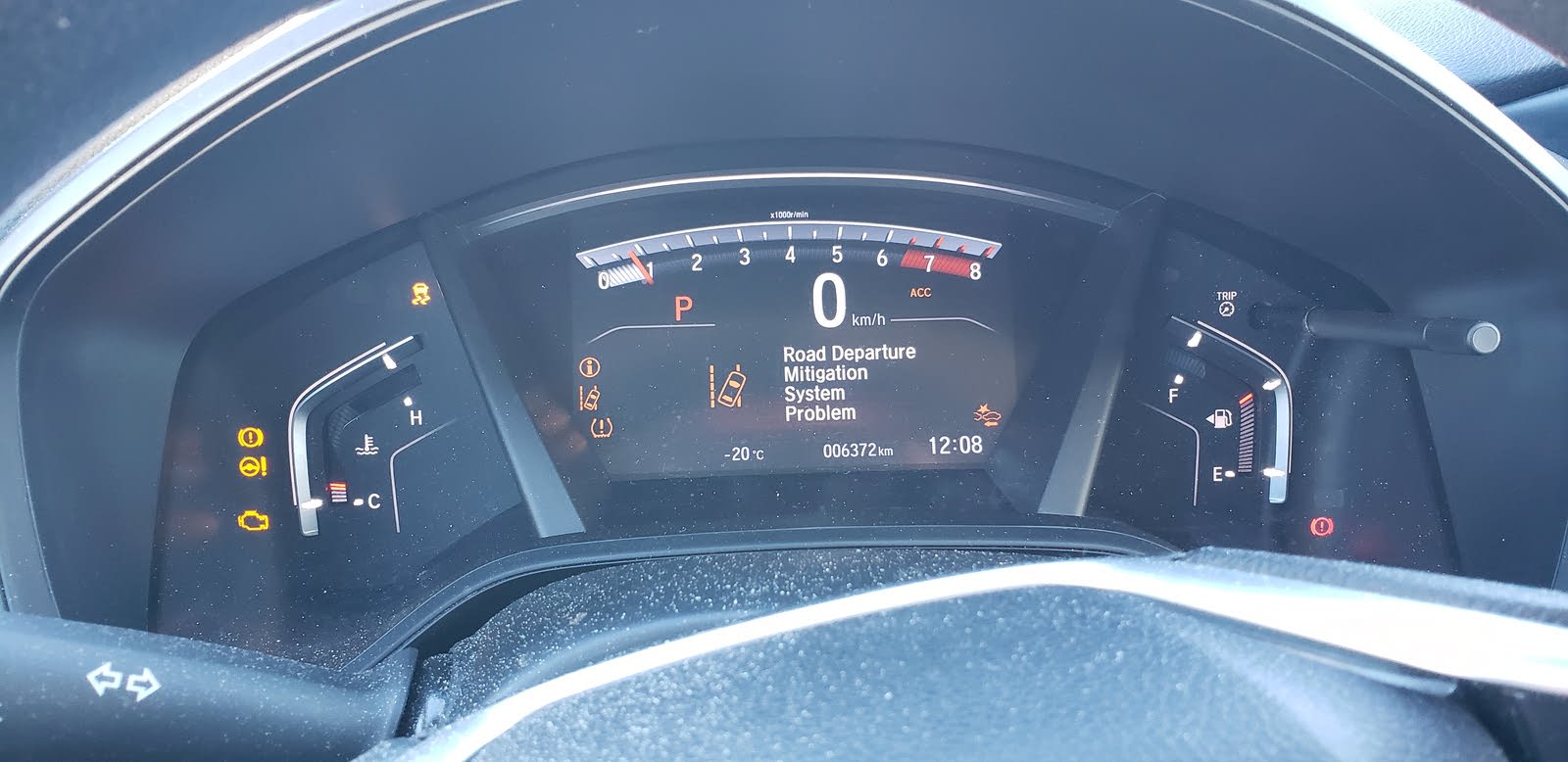
The 2016 Honda CR-V uses a color-coded dashboard warning system to communicate vehicle health and safety status. Red lights indicate critical issues requiring immediate stops, amber or yellow lights signal systems needing inspection or maintenance, and green or blue lights confirm that specific features are active or operating within normal parameters.
Navigating the dashboard of a 2016 Honda CR-V can feel overwhelming when an unfamiliar symbol suddenly illuminates. As this vehicle model enters a decade of service in 2026, understanding these indicators is more important than ever for maintaining its renowned reliability. This guide provides a deep dive into every major indicator, the logic behind the warnings, and the necessary steps to resolve them.
Understanding the Dashboard Color Hierarchy
The 2016 CR-V follows international automotive standards for indicator colors. This hierarchy is designed to help drivers prioritize their response to a warning light.
Red Indicators: Immediate Danger or Critical Failure
Red symbols are the highest level of alert. When a red light appears, it generally means there is a condition that could cause engine failure, a safety hazard, or legal non-compliance. In most cases, you should pull over as soon as it is safe to do so and turn off the engine. Common red lights include the Oil Pressure warning, the Charging System (battery) light, and the Brake System warning.
Amber and Yellow Indicators: Caution and Required Action
Amber or yellow lights are "cautionary." They indicate that a system is malfunctioning, disabled, or requires maintenance soon. While these lights rarely require you to stop the car immediately, they should not be ignored. Examples include the Malfunction Indicator Lamp (Check Engine Light), the Tire Pressure Monitoring System (TPMS), and the Vehicle Stability Assist (VSA) light.
Green and Blue Indicators: Informational Status
These colors are not "warning" lights but rather status indicators. They confirm that a system is currently active. For instance, the green "ECON" leaf confirms you are in fuel-saving mode, while the blue "Coolant Temperature" light (visible upon cold starts) simply indicates the engine has not yet reached its optimal operating temperature.
Deep Dive: Critical Red Warning Lights
Brake System Warning (Red)
If the word "BRAKE" stays illuminated after you have fully released the parking brake, it typically indicates one of two things: low brake fluid or a malfunction in the brake hydraulic system.
Brake fluid levels naturally drop as brake pads wear down because the calipers must extend further. However, a sudden light often suggests a leak. Because the 2016 CR-V relies on hydraulic pressure to stop, a failure here is a primary safety risk. If the brake pedal feels "spongy" or goes to the floor, do not continue driving.
Charging System Indicator (Battery Light)
This red battery symbol indicates that the alternator is no longer charging the battery or that the battery itself cannot hold a charge. In the 2016 CR-V, the charging system is managed by the Powertrain Control Module (PCM).
A common issue in high-mileage CR-Vs by 2026 is alternator brush wear. When this light comes on, the vehicle is running solely on the remaining energy in the battery. To maximize your range to reach a service station, turn off all non-essential electronics, including the air conditioning, radio, and seat heaters.
Low Oil Pressure Indicator
This is perhaps the most misunderstood light. It looks like a red oil can. It does not mean you are low on oil (though you might be); it means the engine has lost the oil pressure required to lubricate moving parts.
If this light illuminates while driving, pull over immediately. Running an engine without oil pressure for even a minute can cause catastrophic internal damage. Check the dipstick; if the oil is full but the light remains on, the oil pump may have failed or a passage is blocked.
Deep Dive: Common Amber/Yellow Warning Lights
The Malfunction Indicator Lamp (Check Engine Light)
The "Check Engine" light is part of the CR-V’s On-Board Diagnostics (OBD-II) system. It monitors everything from emissions components to engine sensors.
- Steady Light: A steady amber light means the PCM has detected a problem that affects emissions. Common culprits include a loose gas cap, a faulty oxygen (O2) sensor, or a failing catalytic converter.
- Flashing Light: If the light flashes, it indicates an "engine misfire" severe enough to damage the catalytic converter. You should reduce speed and seek service immediately.
Tire Pressure Monitoring System (TPMS)
The 2016 CR-V uses an "indirect" TPMS. Unlike systems with sensors in the wheels, Honda uses the ABS wheel speed sensors to track the rotational speed of the tires. If one tire has lower pressure, its diameter decreases and it spins faster than the others.
By 2026, many CR-V owners may find this light triggered by seasonal temperature changes. A 10-degree drop in temperature can result in a 1-2 PSI drop in tire pressure. After inflating your tires to the specification found on the driver’s side door jamb, you must recalibrate the system via the vehicle settings on the i-MID screen or the infotainment system.
Vehicle Stability Assist (VSA) and Traction Control
The VSA system helps stabilize the vehicle during cornering if it senses oversteer or understeer. If the "VSA" light or the icon showing a car with squiggly lines stays on, the system is deactivated or malfunctioning.
This is often linked to the ABS (Anti-lock Braking System) because they share sensors. If you see the VSA, ABS, and Brake lights all at once, it is frequently a sign of a failed wheel speed sensor or an issue with the ABS modulator.
The Honda Maintenance Minder System
Rather than following a rigid mileage schedule, the 2016 CR-V uses the Maintenance Minder system. This appears as a "wrench" icon on the dash accompanied by a code. This system calculates oil life based on engine operating conditions, such as temperature, trip length, and engine speed.
Decoding the Maintenance Minder
The codes consist of a Main Code (A or B) and a Sub Code (1 through 6).
| Code | Meaning | Required Action |
|---|---|---|
| A | Main Code | Replace engine oil only. |
| B | Main Code | Replace oil and filter; inspect brakes, steering, and suspension. |
| 1 | Sub Code | Rotate tires and check pressure/condition. |
| 2 | Sub Code | Replace air cleaner element and dust/pollen filter. |
| 3 | Sub Code | Replace transmission fluid. |
| 4 | Sub Code | Replace spark plugs and inspect valve clearance. |
| 5 | Sub Code | Replace engine coolant. |
| 6 | Sub Code | Replace rear differential fluid (for AWD models). |
As of 2026, most 2016 CR-Vs will be seeing Sub Code 4 (spark plugs) and Sub Code 5 (coolant) more frequently as they pass the 100,000-mile mark. Ignoring the Maintenance Minder can lead to decreased fuel efficiency and increased wear on internal components.
Troubleshooting Specific 2016 CR-V Dash Issues
The 2016 model year is generally reliable, but there are specific patterns of dashboard warnings that owners should recognize.
The "Christmas Tree" Effect
If multiple lights—such as VSA, EPS (Electric Power Steering), ABS, and TPMS—all illuminate at the same time, it is rarely a failure of all those systems simultaneously. In a 2016 CR-V, this is often caused by a weak battery.
Modern Honda electronics are highly sensitive to voltage. If the battery voltage drops below a certain threshold during startup, the various control modules will throw "communication" or "low voltage" errors, lighting up the dash like a Christmas tree. Before replacing expensive sensors, have the battery tested under load.
Electric Power Steering (EPS) Warning
A steering wheel icon with an exclamation point indicates an issue with the EPS. Because the 2016 CR-V uses an electric motor for steering assist rather than a hydraulic pump, a failure will make the steering feel extremely heavy, especially at low speeds. Common causes include a blown fuse, a harness connector issue, or a failing EPS rack.
How to Respond to Dashboard Warnings
When a light appears, follow these steps to ensure safety and prevent damage:
- Identify the Color: If it’s red, find a safe place to stop immediately. If it’s amber, you can usually continue to your destination but should schedule an inspection.
- Check the i-MID Screen: The Intelligent Multi-Information Display (the screen in the center of the instrument cluster or above the radio) often provides a text description of the error, such as "CHECK TPMS SYSTEM."
- Use an OBD-II Scanner: For any Check Engine Light or system malfunction, an OBD-II scanner can read the specific "P-code" (e.g., P0420 for Catalytic Converter efficiency). This removes the guesswork from repairs.
- Verify the Basics: Always check your gas cap, oil level, and tire pressure first. These are the three most common causes for dash lights and are the cheapest to fix.
Frequently Asked Questions
Can I drive with the Check Engine Light on?
If the light is steady amber, the car is generally safe to drive to a mechanic. However, if the light is flashing, you should stop driving as soon as possible. A flashing Check Engine Light indicates a severe misfire that can melt your catalytic converter—a repair that can cost upwards of $1,500 by 2026 pricing.
How do I reset the TPMS light on a 2016 Honda CR-V?
Since the 2016 model uses an indirect system, you don't need a special tool. Ensure all tires are at the correct PSI (usually 32-35 PSI). On the i-MID screen, go to "Settings," then "Vehicle Settings," select "TPMS Calibration," and choose "Calibrate." You must then drive the car for about 30 minutes between 30-65 mph to allow the system to relearn the wheel speeds.
What does the "ECO" light mean?
The green "ECON" or leaf symbol indicates that the vehicle is in a fuel-efficient driving mode. This mode alters the throttle response and air conditioning operation to maximize MPG. It is not a warning light and can be toggled on or off using the large green "ECON" button to the left of the steering wheel.
Why is my blue "C" light on in the morning?
The blue thermometer icon (often looking like a "C") indicates that the engine coolant is below the normal operating temperature. This is normal during the first few minutes of driving. It will turn off once the engine warms up. If it turns red, however, the engine is overheating.
Does the Maintenance Minder "A1" mean I need an oil filter?
Technically, Honda Main Code "A" only specifies an oil change, while "B" includes the filter. However, in professional practice, most mechanics and Honda dealerships will replace the filter regardless of whether the code is A or B, as modern synthetic oils and high-mileage engines benefit from a fresh filter at every interval.
Summary and Next Actions
The dashboard lights on a 2016 Honda CR-V are designed to be an early warning system. By 2026, maintaining these vehicles requires a proactive approach to the Maintenance Minder and a swift response to any red or amber indicators.
If you encounter a light you cannot resolve by checking the gas cap or tire pressure, your next action should be to use an OBD-II scanner or visit a certified technician. For official recall information or detailed technical service bulletins (TSBs) related to dash warnings, you can consult the National Highway Traffic Safety Administration (NHTSA) or the Honda Owners site. Keeping your CR-V's dashboard clear of warning lights is the best way to ensure it remains on the road for another decade.