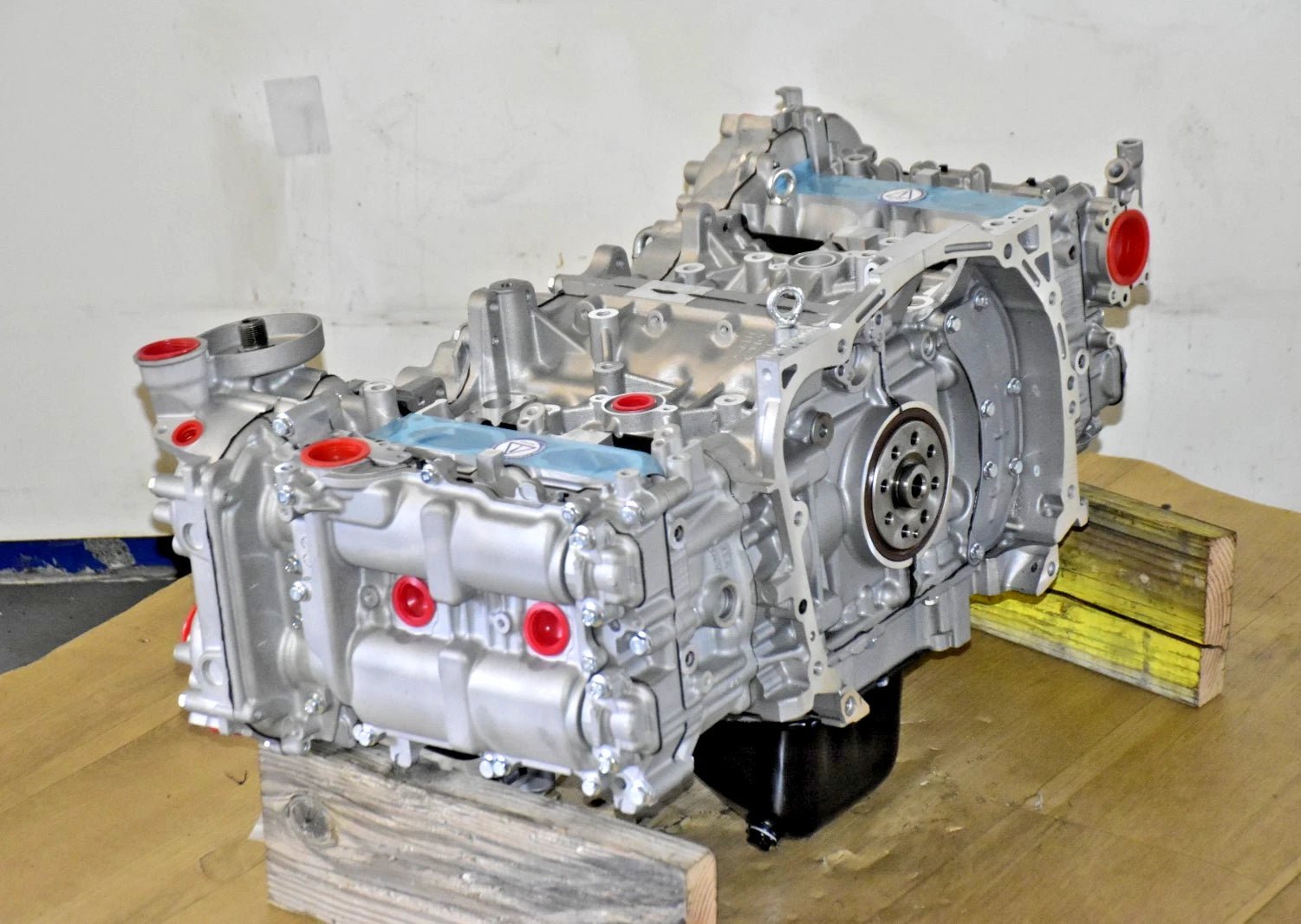
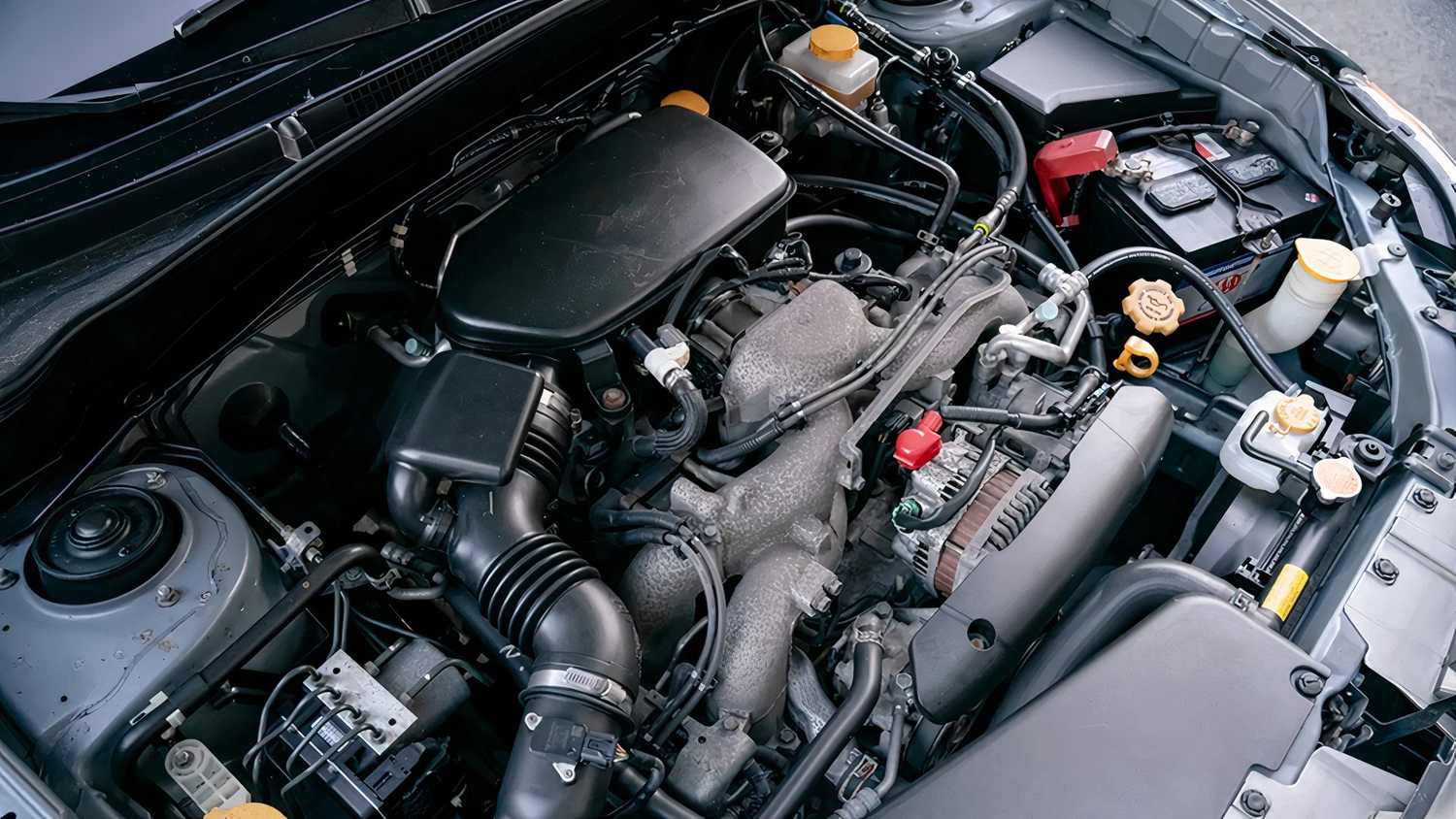
The 2015 Subaru Forester features two distinct engine options: the 2.5-liter naturally aspirated FB25 and the 2.0-liter turbocharged FA20DIT. Both utilize Subaru’s signature "Boxer" horizontally opposed layout, providing a low center of gravity and balanced handling. These powerplants offer a blend of efficiency and all-weather capability through the standard Symmetrical All-Wheel Drive system.
The 2015 Subaru Forester remains a popular choice on the used market in 2026, largely due to its reputation for utility and safety. However, understanding the mechanical nuances of its engines is critical for both current owners and prospective buyers. This model year represents a pivotal point for Subaru, as it refined its FB-series engine while pushing the boundaries of performance with the FA-series direct-injection turbo found in the XT trim.
The Foundation: Subaru’s Boxer Architecture
Before examining the specific 2015 displacements, it is essential to understand the "Boxer" design that defines the Forester. In a Boxer engine, the cylinders are laid flat and move horizontally in pairs—resembling a boxer punching their gloves together. This design provides several inherent advantages that impact the 2015 Forester's driving dynamics.
First, the flat profile allows the engine to be mounted lower in the chassis. This lowers the vehicle's center of gravity, which is particularly beneficial for a tall SUV (Crossover) like the Forester, reducing body roll during cornering. Second, the reciprocating forces of the opposing pistons naturally cancel out each other's vibrations, leading to a smoother idle and power delivery without the need for heavy balance shafts found in traditional inline-four engines.
The FB25: The 2.5L Naturally Aspirated Workhorse
The majority of 2015 Foresters on the road are equipped with the 2.5-liter FB25 engine. This engine was part of the FB family, which Subaru introduced to replace the aging EJ series. The FB25 was designed with a focus on fuel economy and low-end torque, making it ideal for daily commuting and light off-road use.
Technical Specifications and Performance
The FB25 is a Double OverHead Cam (DOHC) 16-valve engine. In the 2015 Forester, it produces 170 horsepower at 5,800 RPM and 174 lb-ft of torque at 4,100 RPM. While these numbers are modest compared to modern 2026 standards, the engine was tuned to provide most of its torque early in the rev range, allowing for decent acceleration from a standstill.
One of the most significant upgrades in the FB series compared to the older EJ engines was the move from a timing belt to a timing chain. In 2026, this remains a major selling point for used 2015 models, as it eliminates the costly "60,000-mile" or "105,000-mile" timing belt service that plagued earlier Subarus.
Efficiency and PZEV Status
Many 2.5i Foresters from this year carry the PZEV (Partial Zero Emission Vehicle) badge. This means the engine meets stringent California Air Resources Board (CARB) standards. To achieve this, the FB25 utilizes a more efficient catalytic converter, specialized fuel injectors, and a modified Engine Control Unit (ECU) to reduce evaporative emissions. From a driver's perspective, PZEV models perform identically to non-PZEV models but are significantly cleaner for the environment.
The FA20DIT: The 2.0L Turbocharged Powerhouse
For those seeking a more spirited driving experience, the 2015 Forester 2.0XT trim featured the FA20DIT engine. This was a radical departure from the 2.5L naturally aspirated unit, incorporating modern technologies like Direct Injection and a Twin-Scroll Turbocharger.
Engineering the Turbocharged Boxer
The FA20DIT produces 250 horsepower at 5,600 RPM and 258 lb-ft of torque available from 2,000 to 4,800 RPM. The use of a twin-scroll turbocharger is critical here; it separates the exhaust pulses from the cylinders, allowing the turbo to spool up faster and reducing "turbo lag."
Direct injection allows fuel to be sprayed directly into the combustion chamber rather than the intake port. This provides more precise control over the air-fuel mixture, allowing for a higher compression ratio (10.6:1) even under boost. The result is an engine that feels significantly punchier and more reactive than the 2.5L, capable of propelling the Forester from 0 to 60 mph in roughly 6.3 seconds.
Heat Management in the XT
Because the FA20DIT generates significantly more heat, the 2015 XT models feature a dedicated intercooler mounted on top of the engine. While previous generations used a visible hood scoop, the 2015 model utilizes internal ducting under the hood to channel air from the front grille to the intercooler. Owners in 2026 should ensure these ducts are clear of debris to maintain optimal engine cooling.
Transmission Pairing and Its Impact on the Engine
In 2015, Subaru offered two primary transmissions that fundamentally changed how the engines performed.
- 6-Speed Manual Transmission: Only available on the 2.5i and 2.5i Premium trims. This allowed drivers to extract the most out of the FB25's 170 horsepower. It used a mechanical center differential with a viscous coupling to distribute power.
- Lineartronic CVT (Continuously Variable Transmission): Standard on higher trims and all XT models. The CVT does not have traditional gears; instead, it uses a pulley system to provide an infinite range of ratios.
For the 2.0XT, Subaru utilized a High-Torque CVT variant designed to handle the 258 lb-ft of torque. This version includes a "manual mode" with paddle shifters that simulates 6 or 8 gear ratios, depending on the SI-Drive (Subaru Intelligent Drive) setting.
Known Issues and Reliability Concerns
While the 2015 Forester engines are generally robust, a few specific issues have emerged over the decade since their release. Looking back from 2026, these are the primary areas where owners should exercise caution.
Excessive Oil Consumption (FB25)
The 2015 model year was part of a period where some FB25 engines experienced high oil consumption. The issue was primarily linked to the low-tension piston rings used to improve fuel efficiency. In some cases, these rings allowed oil to seep into the combustion chamber and burn off. Subaru addressed this with extended warranties and, in some cases, short-block replacements. Owners of a used 2015 Forester should check the oil level at every other fuel fill-up to monitor for this behavior.
Carbon Buildup (FA20DIT)
Because the 2.0L turbo uses Direct Injection, fuel does not wash over the intake valves. Over time, carbon deposits can accumulate on the valves, leading to rough idling, reduced fuel economy, and a loss of power. In 2026, most 2015 XTs will have reached the mileage where a professional "walnut blasting" or specialized chemical cleaning of the intake valves is recommended to restore performance.
CVT Fluid Life
While technically part of the drivetrain, the CVT's health is intrinsically linked to engine load. Subaru originally marketed CVT fluid as "lifetime," but in many regions, they have since updated recommendations to suggest inspections and changes every 30,000 to 60,000 miles, especially for vehicles used for towing or in mountainous terrain.
2015 Forester Engine Comparison Table
| Feature | 2.5i (FB25) | 2.0XT (FA20DIT) |
|---|---|---|
| Displacement | 2,498 cc (2.5L) | 1,998 cc (2.0L) |
| Aspiration | Naturally Aspirated | Twin-Scroll Turbocharged |
| Fuel System | Multi-Port Fuel Injection | Direct Injection |
| Horsepower | 170 hp @ 5,800 RPM | 250 hp @ 5,600 RPM |
| Torque | 174 lb-ft @ 4,100 RPM | 258 lb-ft @ 2,000-4,800 RPM |
| Fuel Req. | 87 Octane (Regular) | 91+ Octane (Premium Recommended) |
| Timing Drive | Timing Chain | Timing Chain |
| Oil Capacity | 5.1 Quarts (0W-20) | 5.4 Quarts (5W-30) |
Maintenance Requirements for Longevity
To keep a 2015 Forester engine running reliably in 2026, adhering to a strict maintenance schedule is paramount. The Boxer design is sensitive to lubrication levels due to its horizontal orientation.
- Oil Changes: For the FB25, 0W-20 synthetic oil is required. For the FA20DIT, 5W-30 synthetic is the standard. Intervals should ideally be every 5,000 to 6,000 miles.
- Spark Plugs: These should be replaced every 60,000 miles. On a Boxer engine, this is a labor-intensive task due to the tight space between the engine heads and the frame rails.
- Cooling System: The blue "Super Coolant" used by Subaru is rated for 10 years or 137,500 miles for the first change. By 2026, almost every 2015 Forester is due for a coolant flush to prevent internal corrosion and water pump failure.
- Air Filters: Both the engine air filter and the mass airflow (MAF) sensor should be kept clean. A dirty MAF sensor on the 2.0XT can lead to improper air-fuel ratios, which is dangerous under turbo boost.
Frequently Asked Questions
Does the 2015 Subaru Forester have a timing belt or timing chain?
Both engines in the 2015 Subaru Forester (the 2.5L FB25 and the 2.0L FA20DIT) are equipped with a timing chain. Unlike the timing belts found in older Subarus, the timing chain is designed to last the life of the engine and does not require scheduled replacement under normal operating conditions.
Can I use regular gas in the 2015 Forester 2.0XT?
While the 2.0XT can run on 87-octane regular gas in emergencies, it is highly discouraged. The FA20DIT engine is tuned for 91-octane premium fuel. Using lower-grade fuel can cause "knocking" or "pinging," which the ECU will compensate for by pulling back timing, resulting in significantly reduced power and fuel efficiency. Over time, this can lead to engine damage.
How much oil does the 2015 Forester use?
The 2.5L FB25 engine has an oil capacity of approximately 5.1 quarts, while the 2.0L FA20DIT requires 5.4 quarts. It is important not to overfill these engines, as the Boxer design is particularly sensitive to crankcase pressure. Always use a high-quality synthetic oil to ensure the variable valve timing (AVCS) solenoids remain clean and functional.
Why is my 2015 Forester's "Low Oil" light coming on between changes?
If you have a 2.5L model, this may be due to the known oil consumption issues of that era. In many cases, it is caused by oil escaping past the piston rings. If no leaks are visible on the ground, the engine is likely burning it. It is advisable to have a "consumption test" performed by a technician if the vehicle consumes more than one quart every 1,200 miles.
Is the 2015 Forester engine reliable past 150,000 miles?
Yes, with proper maintenance. Many 2015 Foresters have reached over 200,000 miles by 2026. The key is ensuring that the cooling system is maintained and that oil levels are never allowed to run low. For the 2.0XT, the turbocharger itself is a wear item and may require inspection or replacement as it approaches very high mileage.
Final Recommendations for Owners and Buyers
The 2015 Subaru Forester offers two distinct engine personalities. The 2.5L FB25 is the practical choice—economical, easier to maintain, and perfectly adequate for the majority of drivers. If you are buying one in 2026, prioritize vehicles with a documented service history that shows regular oil changes and check if the oil consumption issue was ever addressed.
The 2.0XT with the FA20DIT is the enthusiast's choice. It transforms the Forester into a much faster, more capable machine, but it comes with higher "cost of ownership" requirements, including premium fuel and the need for carbon cleaning. Regardless of which engine you choose, the 2015 Forester remains a testament to Subaru's engineering philosophy, provided you respect the unique maintenance needs of the Boxer layout.