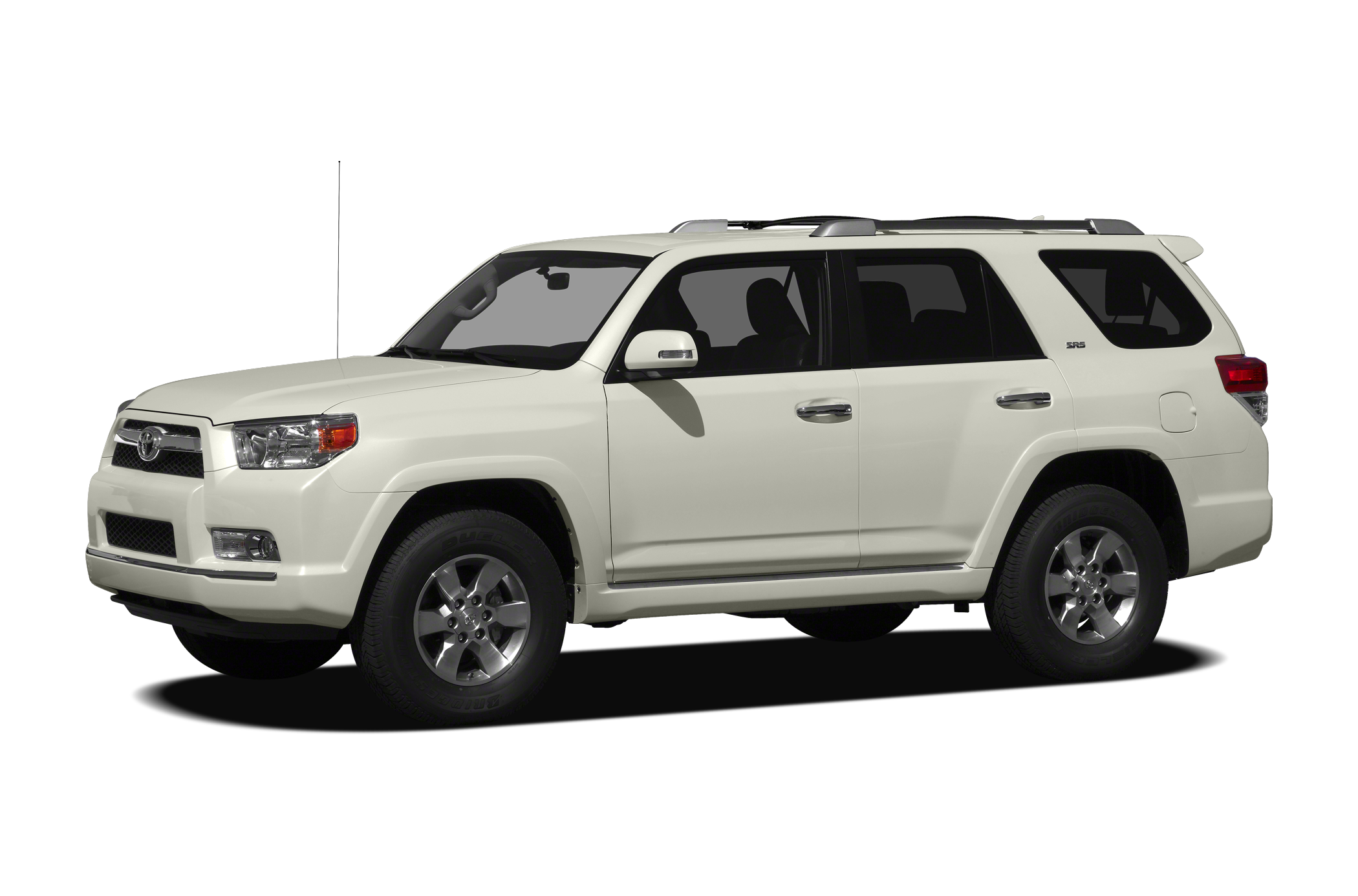
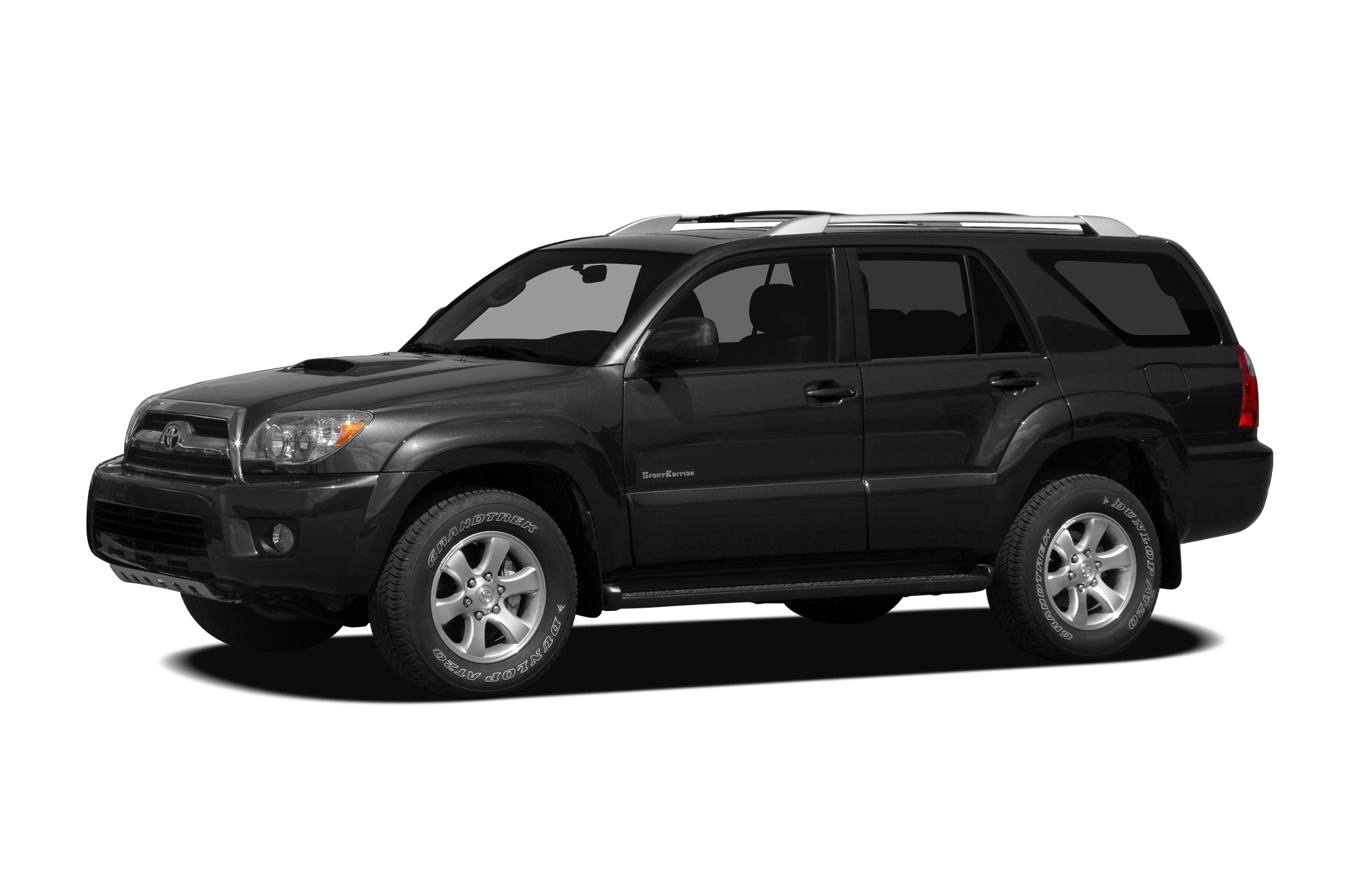
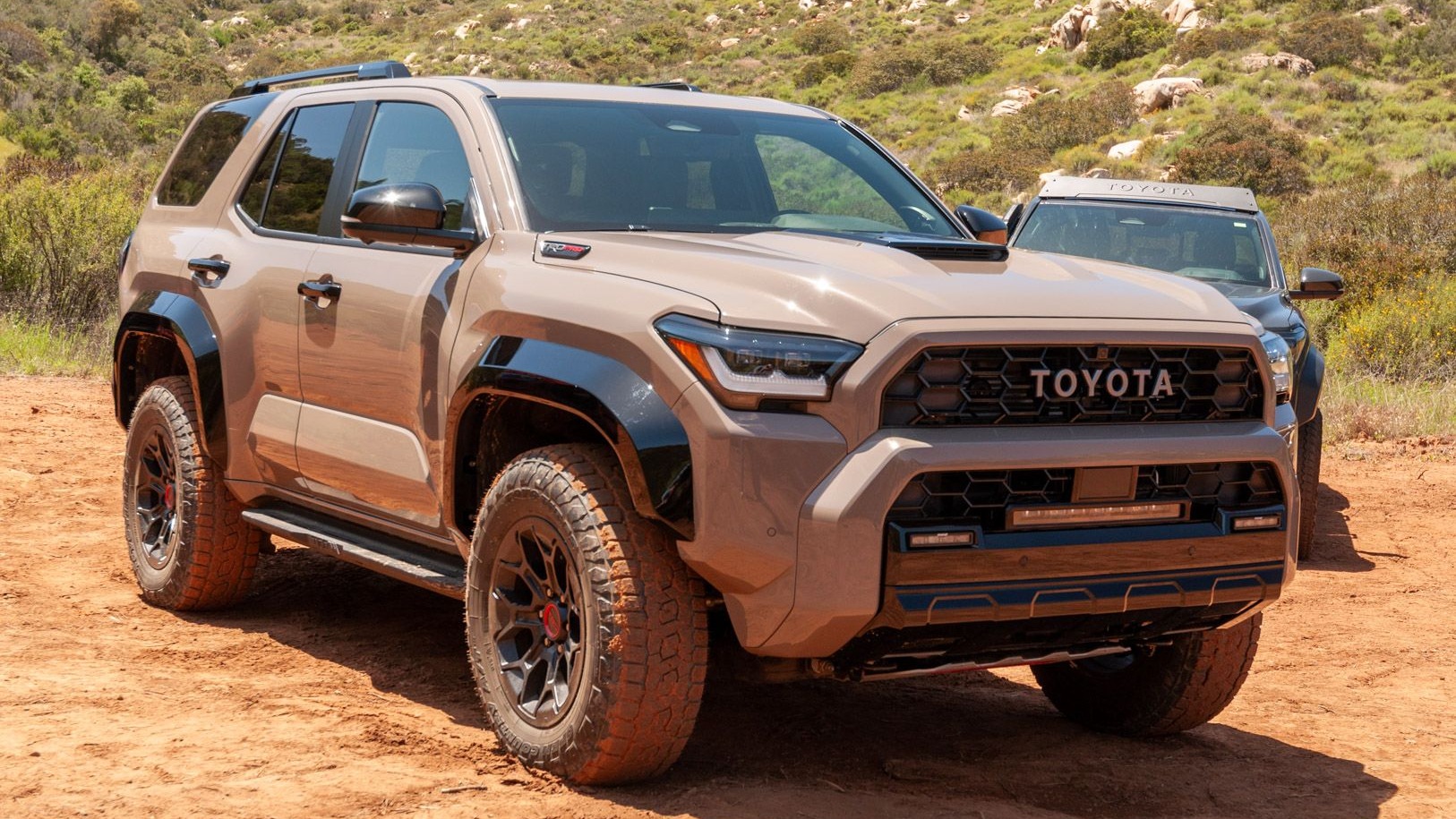
The 2014 Toyota 4Runner marked a significant mid-cycle refresh for the fifth-generation SUV, introducing a more aggressive front fascia, updated interior technology, and a heavily revised trail-ready model lineup. Ranging from an affordable base SR5 to the premium Limited and off-road-focused Trail editions, the 2014 model year solidified the 4Runner’s reputation as a rugged, body-on-frame utility vehicle in a shifting market dominated by car-based crossovers.
Introduction to the 2014 Toyota 4Runner Evolution
When Toyota updated the 4Runner for the 2014 model year, the automotive industry was rapidly transitioning away from truck-based sport utility vehicles in favor of unibody crossovers. Despite this industry-wide shift, Toyota doubled down on the 4Runner's traditional heritage. Built on a robust ladder-frame chassis with a solid rear axle, the 2014 4Runner targeted enthusiasts, families, and outdoor adventurers who required genuine towing capabilities and rugged off-road durability.
The 2014 refresh focused heavily on modernizing the exterior styling and interior amenities without compromising the vehicle's mechanical integrity. This balance of old-school toughness and updated cabin comfort allowed the 4Runner to maintain a fiercely loyal following. Understanding the technical specifications, original pricing structure, and chronological context of the 2014 model year provides crucial insight into why these SUVs have maintained exceptionally strong resale values over the subsequent decade.
Comprehensive Specifications and Mechanical Engineering
Under the hood, the 2014 Toyota 4Runner retained the proven 4.0-liter V6 engine (designated 1GR-FE) that had powered previous iterations of the fifth generation. This powerplant utilized dual independent Variable Valve Timing with intelligence (VVT-i) to generate 270 horsepower at 5,600 rpm and 278 lb-ft of torque at 4,400 rpm. Unlike many competitors that transitioned to turbocharged four-cylinder engines or complex multi-speed transmissions during this era, Toyota paired the V6 exclusively with a smooth-shifting 5-speed ECT-i automatic transmission.
The vehicle was offered in three distinct drivetrain configurations depending on the trim level:
- Rear-Wheel Drive (RWD): Available on SR5 and Limited trims, designed primarily for buyers prioritizing highway comfort and mild climate utility.
- Part-Time 4WD: Standard on the SR5 4WD and Trail editions, featuring a manual transfer case shift lever and an A-TRAC (Active Traction Control) system that manages wheelspin.
- Full-Time 4WD: Exclusive to the Limited trim, utilizing a Torsen limited-slip center differential with a locking feature and a multi-mode selector to handle shifting weather and road conditions dynamically.
Suspension, Dimensions, and Capabilities
The 2014 4Runner utilized an independent double-wishbone front suspension with coil springs and gas shock absorbers, paired with a four-link rigid axle rear suspension with coil springs. Ground clearance varied slightly by trim, standing at a highly capable 9.6 inches for four-wheel-drive models. Approach angles measured 33 degrees for the SR5 and Limited, while the Trail edition improved this to 33 degrees with an optimized front bumper design. Departure angles remained consistent at 26 degrees across the lineup.
Towing capacity was standardized at a maximum of 5,000 pounds across all trims, supported by an integrated hitch receiver and a standard 4- and 7-pin wiring harness. Cargo capacity remained one of the vehicle's standout attributes, offering 47.2 cubic feet behind the second row and up to 89.7 cubic feet with the rear seats folded flat. An optional 50/50 split third-row seat was available on SR5 and Limited trims, increasing passenger capacity to seven, though cargo room behind the third row was minimal.
| Technical Specification | 2014 Toyota 4Runner V6 |
|---|---|
| Engine Type | 4.0L V6 (1GR-FE) |
| Horsepower | 270 hp @ 5,600 rpm |
| Torque | 278 lb-ft @ 4,400 rpm |
| Transmission | 5-speed Electronically Controlled Automatic |
| Fuel Economy (EPA City/Hwy/Comb) | 17 / 22 / 19 mpg (RWD) 17 / 21 / 18 mpg (4WD) |
| Fuel Tank Capacity | 23.0 gallons |
| Maximum Towing Capacity | 5,000 lbs |
| Curb Weight | 4,400 lbs (SR5 RWD) to 4,805 lbs (Limited 4WD) |
Trim Levels and Standard Features
The 2014 lineup was streamlined into three core model tiers: the volume-selling SR5, the hardcore off-road Trail, and the luxury-oriented Limited. Each grade received distinct exterior styling cues, most notably unique front bumper fascias and grille inserts.
SR5 Trim
As the entry point into the 4Runner family, the SR5 came heavily equipped with features that previously required expensive package upgrades. Standard equipment included 17-inch alloy wheels, projector-beam headlights, skid plates protecting the engine and transfer case, fog lights, roof rails, and mudguards. Inside, the SR5 featured a leather-wrapped steering wheel, an eight-way power driver’s seat, a power rear liftgate window (a signature 4Runner trait), and a newly upgraded Entune audio system with a 6.1-inch touchscreen display, Bluetooth connectivity, and a backup camera.
Trail Trim
Engineered specifically for off-road enthusiasts, the Trail trim replaced exterior chrome accents with rugged black body cladding and added a hood scoop. Mechanically, the Trail trim included part-time four-wheel drive and introduced Toyota’s advanced electronic off-road aids:
- Crawl Control: An automated system that modulates throttle and braking on rough terrain, allowing the driver to focus exclusively on steering.
- Multi-Terrain Select: Allows the driver to adjust wheel slip control settings based on surface conditions like mud, sand, or rock.
- Kinetic Dynamic Suspension System (KDSS): Available as an option, KDSS automatically decouples the stabilizer bars at low speeds to allow maximum wheel articulation, then re-engages them on pavement for improved stability.
Limited Trim
Positioned at the pinnacle of the lineup, the Limited trim swapped rugged utilitarianism for refined comfort. It featured chrome exterior trim, chrome-accented roof rails, distinct 20-inch alloy wheels, and automatic headlights. The interior upgraded to leather-trimmed heated and ventilated front seats, dual-zone automatic climate control, push-button start, rear parking sensors, and the premium Entune infotainment system with navigation and JBL audio.
Original Pricing Structure and Market Positioning
When the 2014 Toyota 4Runner arrived at dealerships in late 2013, its MSRP reflected its position as a durable, low-volume specialist vehicle compared to unibody crossovers. Prices spanned a relatively tight band, beginning under $33,000 for a base rear-wheel-drive SR5 and climbing past $41,000 for a fully optioned Limited 4WD.
- SR5 RWD: $32,820
- SR5 4WD: $34,690
- Trail (4WD Standard): $35,225
- Trail Premium (4WD Standard): $38,645
- Limited RWD: $40,555
- Limited 4WD: $43,405
These base MSRP figures did not include destination charges, which typically added around $885. Optional equipment packages—such as sliding rear cargo decks, third-row seating, KDSS on the Trail trim, and upgraded navigation systems—could push the out-the-door price of a new 2014 model by $1,000 to $3,000.
Historical Timeline and Production Milestones
The lifecycle of the 2014 model year spanned a specific developmental window within Toyota’s truck and SUV division:
- Late 2009: Toyota launched the fifth-generation 4Runner for the 2010 model year, establishing the basic platform, V6 engine, and interior architecture that would persist for over a decade.
- August 2013: Toyota officially debuted the refreshed 2014 model year at the Stagecoach Music Festival in Indio, California, highlighting the dramatic new front-end styling and interior technology upgrades.
- September – October 2013: Production commenced at Toyota’s Tahara plant in Aichi, Japan, with vehicles arriving at North American dealerships shortly thereafter.
- 2014 Calendar Year: The model year experienced strong sales momentum, benefiting from buyers seeking a traditional body-on-frame SUV while competitors continued downsizing into unibody platforms.
- 2015–2024 Later Context: The interior dash layout, gauge cluster updates, and exterior fascia introduced in 2014 served as the foundation for the 4Runner until the conclusion of the fifth generation, proving the timelessness of the mid-cycle refresh.
Frequently Asked Questions
What major changes were made to the 2014 Toyota 4Runner?
The 2014 model year brought a major aesthetic refresh featuring a bolder front fascia, projector-beam headlights, and updated taillights. Inside, Toyota added an Optitron instrument cluster with a multi-information display, soft-touch door panels, and the Entune infotainment system across all trim levels.
Is the 2014 Toyota 4Runner available with a V8 engine?
No. Toyota discontinued the V8 engine option for the 4Runner after the fourth generation ended in 2009. The 2014 model year relies exclusively on the 4.0-liter V6 engine paired with a five-speed automatic transmission.
What is the difference between SR5, Trail, and Limited trims?
The SR5 is the well-equipped standard model, the Trail trim adds dedicated off-road hardware like Crawl Control and locking differentials, and the Limited trim focuses on luxury features, 20-inch wheels, and full-time four-wheel drive.
What fuel economy does the 2014 4Runner achieve?
The EPA estimated the 2014 4Runner at 17 mpg city and 22 mpg highway for rear-wheel-drive models, and 17 mpg city and 21 or 22 mpg highway for four-wheel-drive variants, utilizing regular unleaded fuel.
Does the 2014 4Runner have a third-row seat?
Yes, third-row seating was available as an optional extra on the SR5 and Limited trims, expanding passenger capacity to seven, though it was never offered on the off-road-focused Trail trim.
Conclusion and Buying Guidance
The 2014 Toyota 4Runner represents a benchmark era for the fifth-generation platform, successfully blending mechanical ruggedness with updated cabin technology. For prospective buyers evaluating a used model, verifying maintenance history—particularly regarding frame condition, suspension components, and fluid changes in the four-wheel-drive transfer case—is essential. Its enduring reliability, robust towing capacity, and legendary off-road capability ensure that the 2014 model remains a highly competent choice for utility-focused drivers.