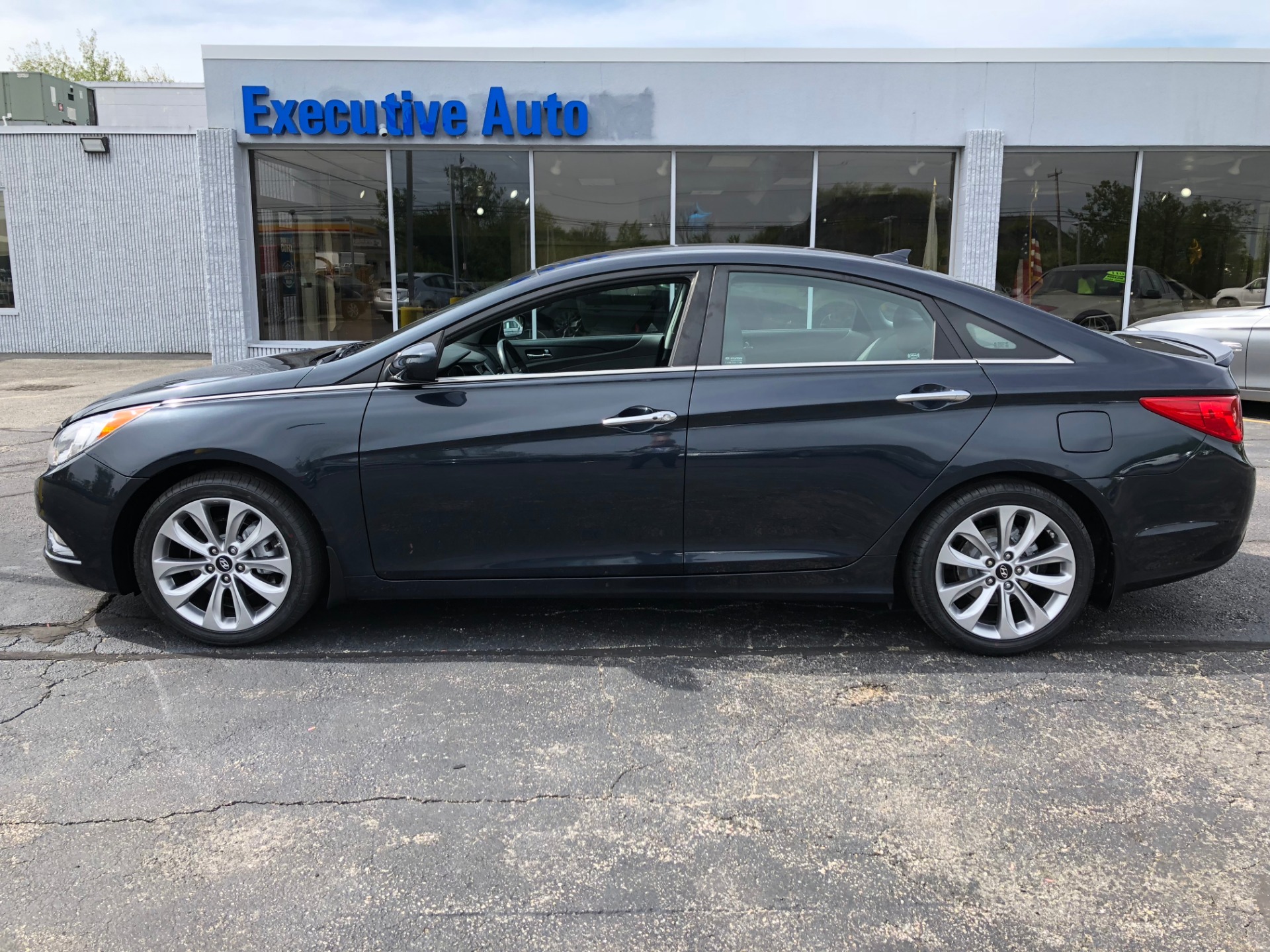
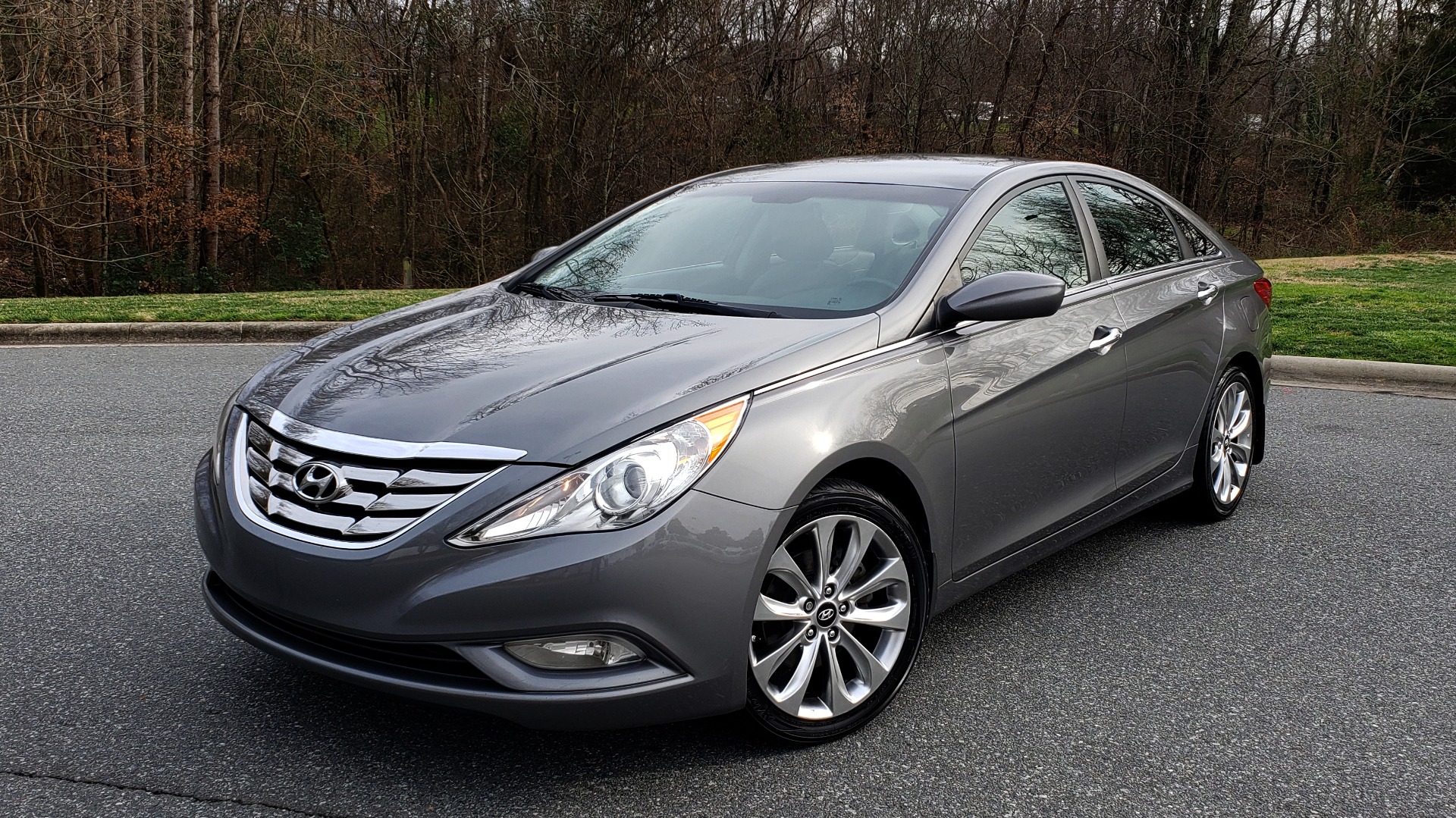
The 2013 Hyundai Sonata SE is a sport-oriented midsize sedan known for its "Fluidic Sculpture" design, offering a balance between aesthetic appeal and performance. In the 2026 used car market, it remains a popular choice for budget-conscious buyers, provided the vehicle’s Theta II engine history and steering maintenance have been thoroughly verified.
The 2013 Hyundai Sonata represented a pivotal moment for the Hyundai brand. It was part of the sixth-generation (YF) Sonata, which broke the mold of conservative sedan design and helped propel Hyundai into a leadership position in the North American market. The SE trim, specifically, was designed to bridge the gap between the entry-level GLS and the luxury-focused Limited, offering a firmer ride and more aggressive styling cues.
As we look at this vehicle from the perspective of 2026, the 2013 Sonata SE has transitioned from a modern trendsetter to a seasoned veteran of the road. Understanding its nuances is essential for anyone considering it as a secondary vehicle, a commuter car, or a first vehicle for a new driver.
The SE Trim: Positioning and Aesthetic Identity
The "SE" in Hyundai’s nomenclature stands for "Sport Edition." While many midsize sedans of the early 2010s were criticized for being "appliances"—cars that were functional but lacked soul—the Sonata SE attempted to inject a sense of engagement into the daily drive.
Exterior Distinctions
The 2013 Sonata SE is easily distinguishable from the GLS trim by several key exterior upgrades. It features 18-inch hyper-silver alloy wheels, which provide a more planted stance compared to the 16-inch steel or alloy wheels found on lower trims. Additionally, the SE includes a chrome-tipped dual exhaust system and a dark chrome grille that gives the front fascia a more sophisticated, slightly aggressive appearance.
The "Fluidic Sculpture" design language, characterized by sweeping lines that mimic the flow of water or wind, remains surprisingly modern in 2026. While newer cars have moved toward sharper, more angular geometries, the Sonata’s curves still manage to catch the light effectively, masking the car's age to some degree.
Interior Features and Sport Touches
Inside, the SE trim offers a unique blend of cloth and leather. The seats feature leather bolsters with cloth inserts, a configuration designed to provide the grip of fabric during spirited driving while maintaining the premium look and feel of leather.
Other standard SE features in 2013 included:
- Proximity Key with Push-Button Start: A high-end feature at the time that has become a standard expectation today.
- Leather-wrapped steering wheel and shift knob: Enhancing the tactile experience of the driver.
- Paddle Shifters: Mounted on the steering wheel, allowing manual control over the 6-speed automatic transmission.
- BlueLink Telematics: Hyundai's proprietary system for emergency assistance and remote features.
Performance and Powertrain Options
The 2013 Sonata SE was offered with two distinct engine choices, both of which utilized Gasoline Direct Injection (GDI) technology. This was a significant selling point in 2013, as GDI allowed for better fuel efficiency and higher power output compared to traditional multi-port injection.
2.4L GDI Four-Cylinder
The standard engine for the SE was the 2.4-liter Theta II GDI four-cylinder. In the SE trim, this engine was slightly tuned to produce 190 horsepower and 179 lb-ft of torque (a slight bump over the GLS trim due to the dual exhaust). This engine provides adequate power for highway merging and city driving, though it can feel a bit buzzy under heavy acceleration.
2.0L Turbo (2.0T)
For those seeking more performance, the SE was available with a 2.0-liter turbocharged engine. This powerplant was a "V6 killer" of its era, producing 274 horsepower and 269 lb-ft of torque on regular 87-octane fuel. In 2026, a well-maintained 2.0T SE is still a relatively quick car, capable of 0-60 mph times in the low 6-second range.
Sport-Tuned Suspension
What truly sets the SE apart from other 2013 Sonatas is the chassis tuning. Hyundai equipped the SE with:
- Stiffer Springs: Reducing body roll during cornering.
- Thicker Stabilizer Bars: Increasing the car's lateral stability.
- Unique Dampers: Valved to provide more feedback from the road.
While this makes the SE more "fun" to drive on a winding road, prospective buyers should be aware that the ride is significantly firmer than the GLS or Limited trims. On poorly maintained 2026 roads, the SE can feel somewhat harsh.
Technical Specifications Comparison
| Feature | 2.4L GDI (Standard SE) | 2.0T (Turbo SE) |
|---|---|---|
| Horsepower | 190 hp @ 6,300 rpm | 274 hp @ 6,000 rpm |
| Torque | 179 lb-ft @ 4,250 rpm | 269 lb-ft @ 1,750–4,500 rpm |
| Transmission | 6-speed Automatic | 6-speed Automatic |
| Fuel Economy (City/Hwy) | 24 / 35 MPG | 22 / 34 MPG |
| Wheels | 18-inch Alloy | 18-inch Alloy |
| Curb Weight | ~3,300 lbs | ~3,450 lbs |
Data sourced from Hyundai Newsroom and FuelEconomy.gov.
Long-Term Reliability: The "Theta II" Factor
No discussion of the 2013 Hyundai Sonata is complete without addressing the reliability of the Theta II engine. This is the most critical area of concern for anyone buying this car in 2026.
The Engine Recall and Settlement
The 2011–2014 Sonatas were subject to significant recalls and a massive class-action settlement. The issue involved metallic debris left in the engine's crankshaft oil passages during the manufacturing process at the Alabama assembly plant. This debris could restrict oil flow, leading to premature wear of the connecting rod bearings. In many cases, this resulted in catastrophic engine failure or, in rare instances, engine fires.
What this means in 2026: Most 2013 Sonatas on the road today have either had their engines replaced under warranty or have passed a specific "knock sensor" test. Hyundai provided a Lifetime Warranty for the short block assembly to original and subsequent owners for this specific issue, provided the car has had the Knock Sensor Detection System (KSDS) software update installed.
Before purchasing a 2013 SE, you must:
- Check the VIN on the NHTSA Recalls website.
- Verify if the KSDS update was performed.
- Ask for records of engine replacement. A 2013 Sonata with a "new" engine replaced in 2021 is a much better value than one still running on the original 2013 factory block.
Steering Column Coupler
Another common issue is the flexible steering column coupler. Over time, a small rubber star-shaped part inside the steering column disintegrates. This causes a "clunking" sound when turning the steering wheel and a feeling of "play" in the steering. While the part itself is inexpensive (often under $10), the labor to pull the steering column apart can be significant. Many 2013 Sonatas had this repaired under a technical service bulletin (TSB), but it remains a common maintenance item for high-mileage units.
Safety Ratings and Equipment
In its time, the 2013 Sonata was a safety leader. It earned a 5-Star Overall Rating from the National Highway Traffic Safety Administration (NHTSA) and was a Top Safety Pick by the Insurance Institute for Highway Safety (IIHS).
Standard safety features include:
- Six airbags (Front, Side, and Curtain).
- Electronic Stability Control (ESC) and Traction Control.
- Anti-lock Braking System (ABS) with Electronic Brake-force Distribution.
- Tire Pressure Monitoring System (TPMS).
While it lacks the advanced Driver Assistance Systems (ADAS) found in 2026 vehicles—such as automatic emergency braking or lane-keep assist—its structural integrity remains solid. For a used car, it provides a safe environment for occupants, though the lack of modern sensor-based safety tech should be noted by those used to newer vehicles.
Details on the 2013 crash test performance can be verified at the IIHS website.
Ownership Costs and Maintenance in 2026
In 2026, a 2013 Hyundai Sonata SE will likely have between 130,000 and 180,000 miles. At this stage in its lifecycle, maintenance shifts from "routine" to "preventative and restorative."
Expected Maintenance Items
- GDI Carbon Buildup: Because fuel is injected directly into the combustion chamber, it doesn't "wash" the intake valves. Over 100k+ miles, carbon can build up on the valves, leading to rough idling and reduced MPG. Professional walnut blasting or specialized GDI cleaners are often necessary.
- Suspension Components: The SE's sport-tuned shocks and struts are likely near the end of their life if they haven't been replaced. Worn bushings and ball joints can also degrade the handling that made the SE desirable in the first place.
- Alternator and Starter: These electrical components often reach their failure point around the 13-to-15-year mark.
- Fuel Pump: The high-pressure fuel pump (HPFP) required for the GDI system can sometimes fail, leading to long crank times or a "limp mode" condition.
Fuel Economy Reality
While the 2013 Sonata SE was rated for up to 35 MPG on the highway, real-world figures for a high-mileage 2026 unit are often lower. Owners should expect closer to 28–30 MPG on the highway and 20–22 MPG in the city, especially if carbon buildup is present or the oxygen sensors are aging.
2013 Sonata SE vs. Competitors
When shopping for a 2013 midsize sedan in 2026, the Sonata SE usually competes with the Toyota Camry SE, Honda Accord Sport, and Ford Fusion Titanium.
- Toyota Camry SE (2013): Generally more reliable and holds its value better, but the interior feels more dated and the driving experience is significantly more numb than the Sonata SE.
- Honda Accord Sport (2013): Often considered the gold standard of this era. It offers a better manual transmission option (rare) and a more refined CVT or 6-speed automatic, but usually commands a $2,000–$3,000 premium over the Sonata.
- Ford Fusion Titanium (2013): Offers a very quiet ride and high-tech interior (for the time), but suffers from its own set of transmission and coolant intrusion issues.
The Sonata SE remains the "value" pick. It offers more features for the money, provided the buyer is willing to do the legwork on the engine history.
Frequently Asked Questions (FAQ)
1. Does the 2013 Hyundai Sonata SE have a timing belt or a timing chain?
The 2013 Hyundai Sonata SE (both the 2.4L and 2.0T engines) uses a timing chain. Unlike timing belts, chains are designed to last the life of the engine and do not require periodic replacement. However, timing chain tensioners can occasionally wear out, so if you hear a rattling sound upon cold starts, it should be inspected immediately to prevent engine damage.
2. Can I use regular gasoline in the 2.0T Turbo engine?
Yes, Hyundai designed the 2.0T engine to run on 87-octane regular gasoline. Unlike many European turbocharged cars of that era, premium fuel is not required. However, using high-quality "Top Tier" gasoline is recommended to minimize carbon buildup on the intake valves, which is a common issue with GDI engines.
3. How do I know if my engine was replaced under the recall?
You can contact any Hyundai dealership with your VIN (Vehicle Identification Number), and they can pull the service history for that specific vehicle. If the engine was replaced, it will be listed as a warranty repair. Additionally, look for a small orange or yellow dipstick handle; in some cases, Hyundai updated the dipstick color to indicate a change in oil capacity related to the engine recall updates.
4. Is the BlueLink system still functional in 2026?
Most 2013 Sonatas used 2G or 3G cellular networks for their BlueLink services. Since those networks have been largely decommissioned by 2026, the original telematics features (like remote start via phone or SOS calling) likely no longer work unless the vehicle's hardware was specifically upgraded, which was rare for this model year.
5. Why is the ride in my SE trim so much "bumpier" than my friend's GLS?
This is due to the SE's sport-tuned suspension and larger 18-inch wheels. The lower-profile tires on the 18-inch rims have less sidewall to absorb road imperfections, and the stiffer springs and dampers are designed for handling rather than plush comfort. If the ride is excessively bouncy, it may indicate that your shocks and struts are worn out and need replacement.
6. What is the common "steering clunk" fix?
The clunk is almost always caused by the flexible steering coupler, a small rubber part inside the MDPS (Motor Driven Power Steering) assembly. Hyundai extended the warranty on this part for 10 years/100,000 miles, but for most 2013 models in 2026, this coverage has expired. Expect to pay between $250 and $450 at an independent shop for the labor to replace this $10 part.
Final Verdict and Recommendation
The 2013 Hyundai Sonata SE is a compelling used car option in 2026 if approached with caution. It offers a level of style and "curb appeal" that many 13-year-old cars lack, and its feature set—including push-button start and heated seats—is still relevant today.
Buy the 2013 Sonata SE if:
- You find a one-owner vehicle with a documented engine replacement.
- You prefer a firmer, more "connected" driving feel over a soft, floating ride.
- You are looking for a car that looks more expensive than its current market value.
Avoid the 2013 Sonata SE if:
- The seller has no records of the KSDS software update or engine inspections.
- You primarily drive on rough, pothole-filled city streets (the SE suspension will be tiring).
- The steering feels loose or makes a clunking sound, and you aren't prepared for the repair cost.
Ultimately, the "SE" remains the sweet spot of the 2013 Sonata lineup, providing the best balance of looks and equipment, but its longevity is entirely dependent on how well its previous owners managed its known mechanical vulnerabilities.