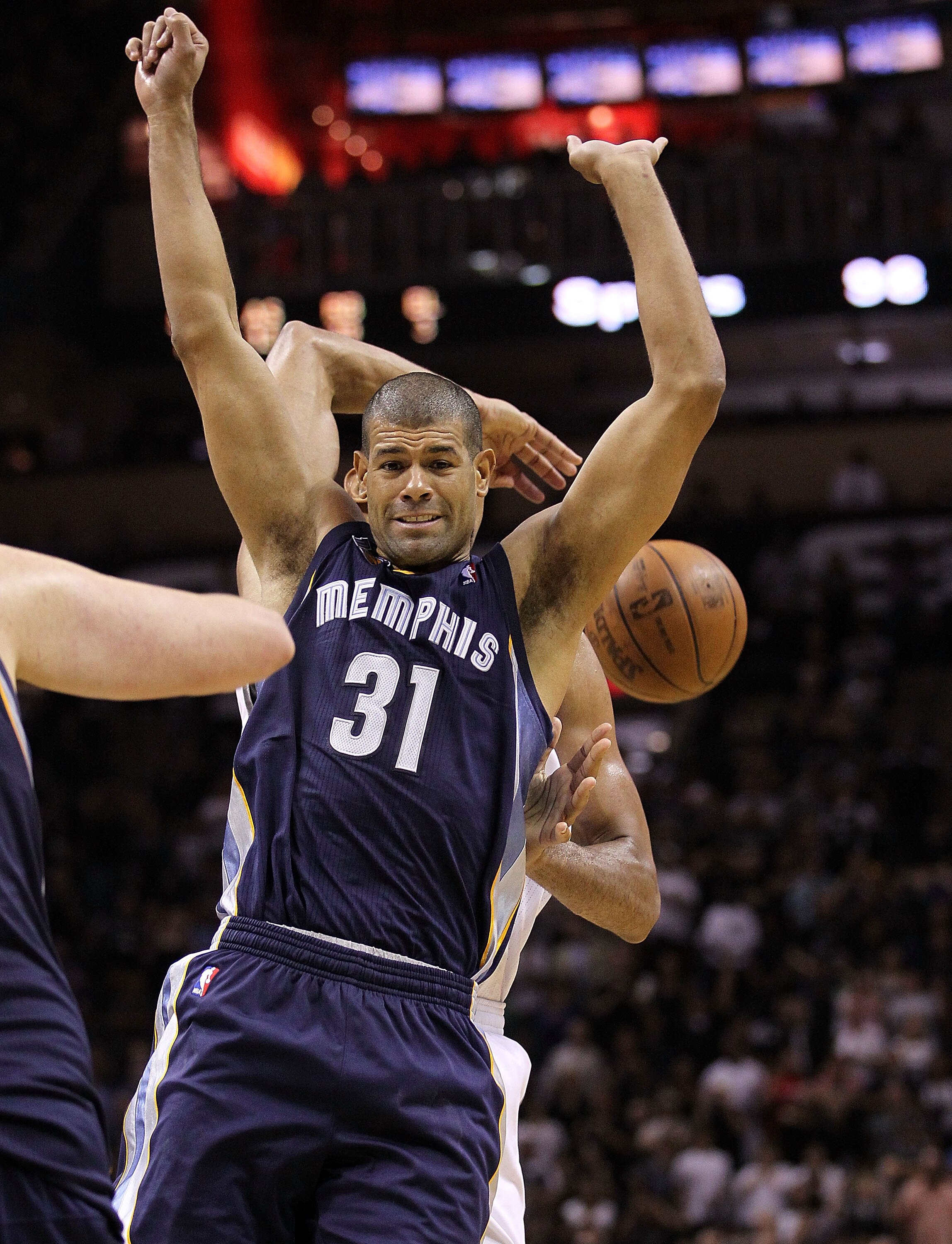
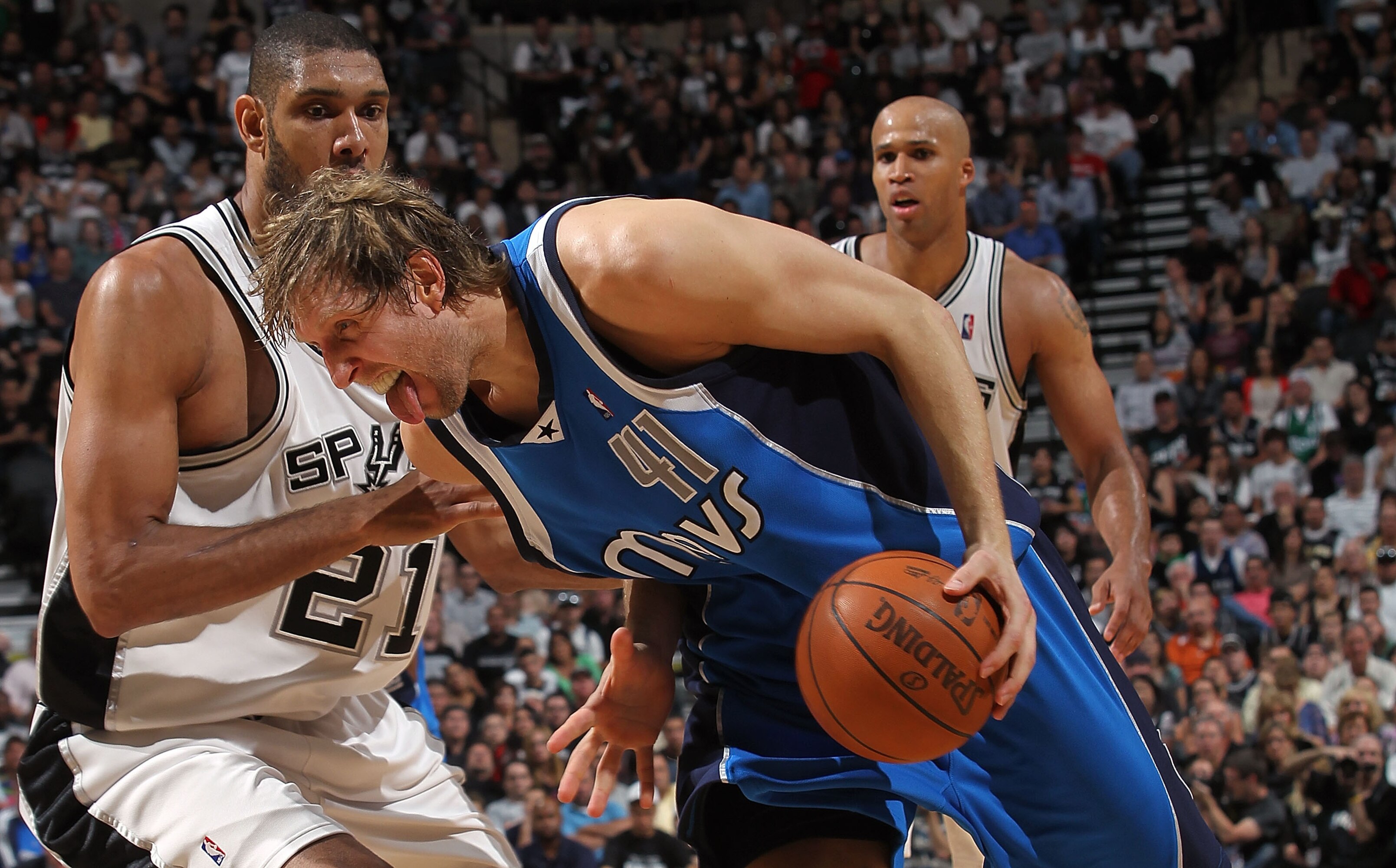
The San Antonio Spurs' 2010-11 NBA season was defined by a radical shift in offensive philosophy, leading to a dominant 61-21 regular-season record and the top seed in the Western Conference. Despite their regular-season brilliance, the season ended in a historic first-round playoff upset against the eighth-seeded Memphis Grizzlies.
The 2010-11 campaign remains one of the most fascinating chapters in the history of the San Antonio Spurs. It marked the moment when Gregg Popovich and his coaching staff realized that the "Twin Towers" defensive identity that had secured four championships was no longer sustainable with an aging Tim Duncan. Instead of fading into irrelevance, the Spurs reinvented themselves as a high-octane offensive juggernaut. This article provides a comprehensive look at the roster construction, the tactical shift that caught the league off guard, the statistical milestones of the season, and the eventual postseason collapse that served as the catalyst for the team's later "Beautiful Game" era.
The Offseason Context: A Need for Reinvention
Entering the 2010-11 season, many analysts believed the San Antonio Spurs’ championship window had slammed shut. The previous season had ended in a demoralizing second-round sweep at the hands of the Phoenix Suns, a series that exposed San Antonio’s lack of lateral quickness and inability to keep up with high-paced offenses.
Tim Duncan was 34 years old, and concerns about his knees were mounting. Tony Parker was entering a contract year amid trade rumors, and Manu Ginobili, while healthy, was frequently battling the "injury-prone" label. The front office, led by RC Buford, faced a choice: dismantle the core or adapt. They chose adaptation. The team didn't make massive splashes in free agency but focused on internal development and the arrival of Tiago Splitter, a highly-touted Brazilian big man who had spent years maturing in the Spanish EuroLeague.
Tactical Shift: Embracing Pace and Space
The most significant development of the 2010-11 season wasn't a player acquisition, but a philosophical change. Gregg Popovich, historically a defensive-minded coach who preferred a slow, methodical half-court game, empowered his lead assistant coaches (including Mike Budenholzer) to modernize the offense.
Increasing the Tempo
The Spurs moved away from calling plays for every possession. They transitioned to a "read-and-react" system that prioritized ball movement and quick decision-making. In 2010-11, the Spurs' pace increased significantly compared to their mid-2000s iterations. They began utilizing Tony Parker’s speed in transition more effectively and encouraged their shooters to take early-clock three-pointers.
The Three-Point Revolution
Before it was a league-wide trend, the 2010-11 Spurs began prioritizing the corner three. Richard Jefferson, who had struggled to fit in during his first year in San Antonio, found his niche as a "3-and-D" wing. Gary Neal, an undrafted rookie, provided a lethal spark off the bench. This spacing allowed Manu Ginobili more room to operate in the pick-and-roll, leading to one of the most efficient seasons of his career.
The Regular Season Dominance
The Spurs started the season at a blistering pace, winning 13 of their first 14 games. By the All-Star break, they held the best record in the NBA, frequently blowing out opponents with a barrage of perimeter shooting and disciplined bench play.
The Rise of the "Bench Mob"
San Antonio’s bench was arguably the best in the league during the 2010-11 season. The unit was headlined by George Hill, a versatile guard who provided defensive tenacity and secondary playmaking. Alongside him, Matt Bonner (the "Red Mamba") led the league in three-point percentage for a significant portion of the year, and rookie Gary Neal proved he could score in bunches. This depth allowed Gregg Popovich to manage the minutes of Duncan, Parker, and Ginobili, keeping them relatively fresh for the grueling 82-game schedule.
Tim Duncan’s New Role
This season marked the definitive transition of Tim Duncan from the primary scoring option to the team’s defensive anchor. While his scoring average dropped to 13.4 points per game—the lowest of his career at that point—his defensive impact remained elite. He focused on rim protection and rebounding, allowing the offense to flow through the perimeter duo of Parker and Ginobili.
2010-11 Western Conference Standings Comparison
To understand the Spurs' dominance during the regular season, it is helpful to compare their record against the other powerhouses of the Western Conference that year.
| Team | Record | Home Record | Road Record | Offensive Rating |
|---|---|---|---|---|
| San Antonio Spurs | 61-21 | 36-5 | 25-16 | 111.8 |
| Los Angeles Lakers | 57-25 | 30-11 | 27-14 | 111.0 |
| Dallas Mavericks | 57-25 | 29-12 | 28-13 | 109.7 |
| Oklahoma City Thunder | 55-27 | 30-11 | 25-16 | 111.2 |
| Denver Nuggets | 50-32 | 33-8 | 17-24 | 112.4 |
The First-Round Upset: Memphis Grizzlies vs. San Antonio Spurs
The narrative of the 2010-11 Spurs cannot be told without the heartbreaking conclusion to their postseason. Entering the playoffs as the #1 seed, they were matched against the #8 seed Memphis Grizzlies. On paper, it looked like a standard mismatch, but several factors contributed to one of the greatest upsets in NBA history.
The Manu Ginobili Injury
Disaster struck in the final game of the regular season when Manu Ginobili suffered a right elbow injury. He was forced to miss Game 1 of the playoffs and played the remainder of the series with a heavy brace. Without their primary offensive engine at 100%, the Spurs' new high-motion offense became stagnant and predictable.
Matchup Nightmares
The Memphis Grizzlies, led by Lionel Hollins, played a physical "Grit and Grind" style that was the antithesis of the Spurs' new finesse approach. The Grizzlies' frontcourt duo of Zach Randolph and Marc Gasol bullied the Spurs in the paint.
- Zach Randolph: Randolph had a career-defining series, averaging 21.5 points and 9.2 rebounds. He consistently hit tough shots over Tim Duncan and Antonio McDyess.
- Size Disadvantage: The Spurs' reliance on smaller lineups and Tiago Splitter’s limited playoff experience (he was a rookie and struggled with the physicality) left them vulnerable.
- The Perimeter Battle: Tony Allen’s elite perimeter defense hounded Tony Parker, disrupting the Spurs' ability to initiate their sets.
The Grizzlies won the series 4-2, becoming only the fourth #8 seed in NBA history to defeat a #1 seed in a best-of-seven series.
Long-Term Impact: The Seeds of Future Success
While the 2011 loss was devastating, it served as a crucial learning point for the franchise. The failure against Memphis forced the Spurs to find a more sustainable balance between their new offensive flair and their defensive roots.
- The Kawhi Leonard Trade: Just months after the loss to Memphis, the Spurs traded George Hill to the Indiana Pacers for the draft rights to Kawhi Leonard. The front office realized they needed more size and athleticism on the wing to compete with the rising powers of the West.
- Refining the System: The 2010-11 season was the "beta test" for the offense that would eventually be known as the "Beautiful Game." Over the next three years, the Spurs refined this ball-movement-heavy style, leading to back-to-back Finals appearances in 2013 and 2014.
- Longevity of the Big Three: By shifting the offensive burden away from Tim Duncan's post-ups to a team-oriented motion system, the Spurs effectively extended the careers of their aging stars by several years.
FAQ
Why did the Spurs change their playing style in 2011?
The shift was necessitated by the aging of Tim Duncan and the need for more speed. The league was moving toward a faster pace, and after being swept by the Phoenix Suns in 2010, Gregg Popovich realized the team’s old defensive-first, slow-paced identity could no longer compete with the elite offenses of the NBA.
Who was the leading scorer for the 2010-11 Spurs?
Manu Ginobili led the team in scoring during the regular season, averaging 17.4 points per game. He was also an All-Star and an All-NBA Third Team selection that year, reflecting his importance to the team’s new offensive system.
Was the 2011 loss to Memphis considered the biggest upset in Spurs history?
At the time, yes. Given the Spurs' 61-win season and their #1 seeding, losing in the first round was a massive shock. However, many historians now view it as a "perfect storm" of an poorly timed injury to Ginobili and a Memphis team that was far more talented than a typical #8 seed.
What happened to George Hill after the 2010-11 season?
George Hill was a fan favorite and a key part of the "Bench Mob." However, his high trade value allowed the Spurs to acquire Kawhi Leonard on draft night in June 2011. This trade is now widely regarded as one of the most impactful in NBA history, as Leonard eventually became a Finals MVP for San Antonio in 2014.
How did Tim Duncan perform in the 2011 playoffs?
Duncan struggled with the physicality of Marc Gasol and Zach Randolph. He averaged 12.7 points and 10.5 rebounds in the series, but he shot only 47.8% from the field. It was a clear sign that he needed more athletic help in the frontcourt, which led to the eventual development of Tiago Splitter and the acquisition of Boris Diaw a year later.
Did the Spurs win any awards in 2010-11?
While they didn't win the championship, Gregg Popovich finished second in Coach of the Year voting (Tom Thibodeau won). Manu Ginobili was named to the All-NBA Third Team, and Gary Neal was named to the NBA All-Rookie First Team.
Final Recommendation for Fans and Historians
For those looking to understand the evolution of modern basketball, studying the 2010-11 San Antonio Spurs is essential. While the playoff exit was disappointing, the tactical blueprints laid down during this season changed the trajectory of the franchise and influenced the offensive systems used across the NBA today. To get the full picture, viewers should watch regular-season highlights from November 2010 to January 2011 to see the "Pace and Space" system at its peak, and then analyze the Game 6 loss against Memphis to understand the limitations of a finesse team against a physically dominant opponent. This season proves that even in failure, a great organization can find the seeds of its next great triumph.