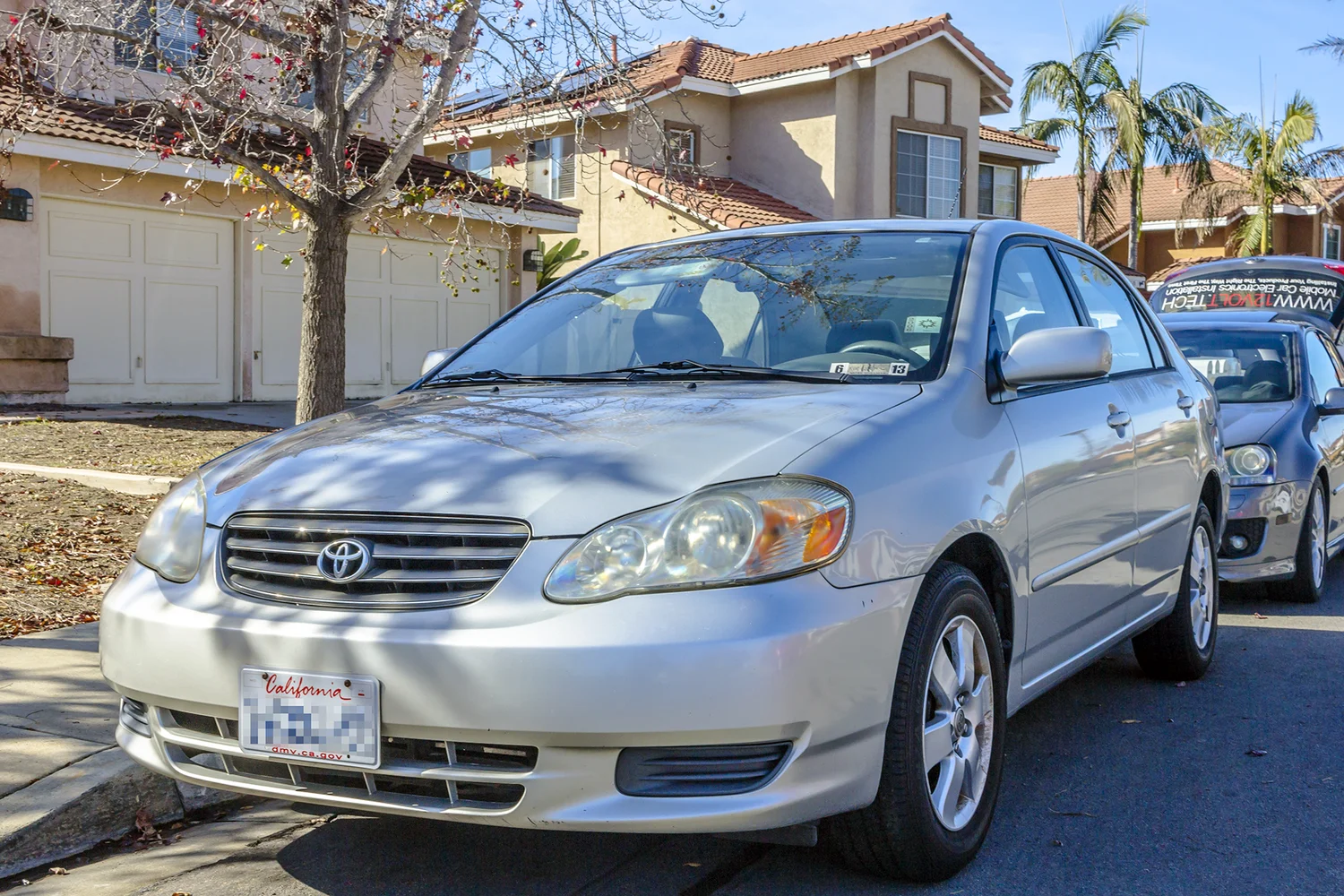
The 2004 Toyota Corolla SE is a trim-specific variant of the ninth-generation compact sedan, pairing the model's trademark fuel efficiency and bulletproof reliability with a sport-tuned suspension, body kits, and unique interior styling. Positioned as an affordable, daily-driver-friendly commuter car with a slightly sharper aesthetic, the SE trim remains a fixture on the used car market for buyers seeking low operational costs, straightforward maintenance, and high durability.
Introduction and Historical Context of the Ninth-Generation Corolla
When Toyota introduced the ninth-generation Corolla for the 2003 model year, it represented a significant shift away from the more rounded styling of its predecessor toward a cleaner, European-inspired design language. Built on the global MC platform, the ninth-generation model stretched its wheelbase to 102.4 inches, significantly improving interior roominess and rear passenger legroom while maintaining a manageable overall footprint for urban and suburban commuting.
By the 2004 model year, Toyota had firmly established this generation in the North American marketplace. The lineup was traditionally split into three core trim levels: the base CE, the volume-selling LE, and the sport-oriented SE. While the CE and LE models catered primarily to economy-minded buyers seeking a soft, quiet ride, the SE was engineered to appeal to younger drivers or commuters looking for a bit more visual punch and tighter road manners without sacrificing the Corolla's legendary economy.
Understanding the 2004 Toyota Corolla SE requires looking past standard cosmetic enhancements to evaluate its mechanical underpinnings, powertrain specifications, everyday practicality, and common long-term ownership considerations. As these vehicles navigate their third decade on the road, knowing what sets the SE apart helps prospective buyers, automotive enthusiasts, and DIY mechanics assess their value and reliability.
Powertrain and Mechanical Specifications
Beneath the hood, the 2004 Toyota Corolla SE shares its powerplant with the rest of the ninth-generation lineup: the 1.8-liter naturally aspirated inline-four engine, designated by the engine code 1ZZ-FE. This aluminum-block and aluminum-cylinder-head engine features dual overhead cams (DOHC) and Toyota's VVT-i (Variable Valve Timing with intelligence) technology, which optimizes valve timing across the rev range to maximize fuel efficiency and maintain steady torque delivery.
The 1ZZ-FE engine produces 130 horsepower at 6,000 rpm and 125 pound-feet of torque at 4,200 rpm. While these figures are modest by modern standards, they were competitive for the compact sedan class in 2004. The engine uses a timing chain rather than a timing belt, eliminating the need for periodic belt replacements, provided the engine oil is changed at regular intervals.
Transmission choices for the 2004 Corolla SE include a 5-speed manual transmission and a traditional 4-speed automatic transmission with overdrive. The manual gearbox features a light clutch action and short throws, making it relatively engaging for a commuter car. The 4-speed automatic, while lacking the gear ratios of modern CVTs or 6-plus-speed automatics, is mechanically robust and shifts smoothly, though it can cause the engine to spin at higher rpm during highway cruising.
Suspension, Steering, and Handling Dynamics
The defining characteristic that separates the SE trim from the CE and LE is its unique suspension tuning. While all 2004 Corollas utilize independent MacPherson struts up front and a torsion beam setup in the rear, the SE features firmer springs, revised damper valving, and a stiffer front stabilizer bar.
These suspension modifications reduce body roll during cornering and provide a more planted feel at highway speeds compared to the softer, floatier ride of the LE. The steering system relies on engine-speed-sensitive power rack-and-pinion steering, which weights up appropriately at higher speeds while remaining light during low-speed parking maneuvers.
To complement the suspension upgrades, the 2004 Corolla SE came equipped with larger 15-inch alloy wheels wrapped in 195/65R15 performance-all-season tires, replacing the 14-inch steel wheels and wheel covers found on the base CE. These larger wheels and tires contribute to improved lateral grip and shorter braking distances. Stopping power is provided by power-assisted front ventilated disc brakes and rear drum brakes, supplemented by optional anti-lock brakes (ABS) with electronic brakeforce distribution.
Exterior Styling and Aerodynamic Enhancements
Visually, the 2004 Toyota Corolla SE distinguishes itself from its stablemates through a factory body kit and distinctive trim accents. The package includes color-keyed front and rear underbody spoilers, side rocker panels, and a subtle trunk-mounted rear spoiler that give the sedan a lower, more aggressive stance.
Other exterior touches exclusive to or emphasized on the SE include a mesh-pattern front grille, fog lamps integrated into the lower front fascia, and smoked headlight and taillight housings depending on the specific production batch and regional market. The exterior mirrors and door handles are color-keyed to match the body paint, and the vehicle features chrome exhaust tip finishers.
| Feature | 2004 Toyota Corolla CE | 2004 Toyota Corolla LE | 2004 Toyota Corolla SE |
|---|---|---|---|
| Wheel Size & Type | 14-inch Steel w/ Covers | 15-inch Steel w/ Covers | 15-inch Alloy Wheels |
| Suspension Tuning | Standard Comfort | Standard Comfort | Sport-Tuned w/ Stiffer Springs |
| Exterior Body Kit | None | None | Front/Rear Spoilers & Side Skirts |
| Standard Fog Lights | Optional / Absent | Optional / Absent | Standard Integrated Fog Lamps |
| Steering Wheel Material | Urethane | Urethane | Leather-Wrapped w/ Audio Controls |
Interior Comfort, Ergonomics, and Cabin Features
Inside the cabin, the 2004 Corolla SE attempts to blend sporty aesthetics with everyday utilitarianism. The most notable interior upgrade is the leather-wrapped steering wheel and shift knob, which offer a tactile improvement over the urethane units found in the base models. The steering wheel also features integrated audio controls for the factory sound system, allowing the driver to adjust volume and change tracks without taking their hands off the wheel.
The instrument cluster features an Optitron-style or sport-themed gauge layout with contrasting needles and silver-trimmed bezels, providing high legibility day or night. Seating is upholstered in a unique sport fabric with firmer bolstering than the flat cushions in the LE, helping to hold occupants in place during spirited cornering. Manual height adjustment for the driver's seat is standard, ensuring a customizable driving position.
Cabin storage is well-considered, featuring a deep center console box, a dual-tier glove compartment, front door pockets, and multiple cupholders. Rear passenger accommodations are generous for a compact sedan of this era, offering adequate head and legroom for adults on medium-length trips. Air conditioning, power windows, power door locks, and remote keyless entry were typically standard or widely optioned on the SE trim.
Fuel Economy and Operational Efficiency
One of the primary reasons the 2004 Toyota Corolla SE remains sought after as a secondary commuter vehicle or first car is its exceptional fuel economy. Equipped with the 1.8-liter 1ZZ-FE engine and manual transmission, the vehicle achieves EPA fuel economy ratings of approximately 28 mpg city and 36 mpg highway. Choosing the 4-speed automatic transmission yields nearly identical highway figures, though city fuel economy may drop slightly depending on driving habits.
These efficiency numbers translate into low operational costs, making the SE an economical choice for long-distance commuters or budget-conscious drivers. The 13.2-gallon fuel tank provides a substantial cruising range between fill-ups, often exceeding 400 miles of highway driving on a single tank.
Common Mechanical Issues and Long-Term Reliability
While the 2004 Toyota Corolla enjoys a reputation for near-bulletproof reliability, high-mileage examples and aging vehicles require attention to specific known issues. Understanding these potential problem areas helps owners perform preventative maintenance and troubleshoot emerging symptoms.
Oil Consumption and Piston Rings
Early-to-mid ninth-generation Corollas (primarily 2003 to 2005 models) can experience oil consumption issues due to clogged oil return holes in the pistons, which cause carbon buildup around the piston rings. Toyota addressed this design flaw in later production runs, but 2004 models can still be affected. Owners should check their oil levels regularly between changes to prevent running the engine low on oil, which can lead to premature wear or internal damage.
Exhaust Manifold Cracking
The factory exhaust manifold on the 1ZZ-FE engine is prone to developing hairline cracks over time, often covered by an integrated metal heat shield. Symptoms include a ticking or buzzing noise upon cold startup that may subside as the engine warms up, accompanied occasionally by a faint exhaust smell under the hood. Replacing the manifold with an aftermarket or OEM unit resolves the issue permanently.
Suspension and Steering Wear
Because the SE features a stiffer suspension setup, components such as front struts, control arm bushings, sway bar links, and steering rack mounts endure higher stress levels than standard models. High-mileage SE models often require suspension refreshes—including new struts and control arm assemblies—to restore the crisp handling dynamics characteristic of the trim level.
Frequently Asked Questions
Is the 2004 Toyota Corolla SE fast?
No, the 2004 Toyota Corolla SE is not a high-performance sports car. Its sport moniker refers strictly to cosmetic enhancements, larger alloy wheels, and a slightly firmer suspension setup. With 130 horsepower, acceleration is adequate for daily commuting and highway merging, but it is engineered for fuel efficiency and reliability rather than straight-line speed.
What is the difference between the Corolla LE and the Corolla SE?
The Corolla LE focuses on comfort, featuring a softer standard suspension, wood-grain interior accents, and standard 15-inch steel wheels with full covers. The Corolla SE focuses on a sportier aesthetic and feel, featuring a firmer sport-tuned suspension, 15-inch alloy wheels, a factory body kit, fog lights, a leather-wrapped steering wheel with audio controls, and unique sport fabric seats.
Does the 2004 Toyota Corolla SE have a timing belt or timing chain?
The 2004 Toyota Corolla SE utilizes a timing chain rather than a timing belt. The timing chain is designed to last the lifetime of the engine under normal operating conditions, provided the engine oil is changed at regular intervals with the correct viscosity.
What kind of fuel does the 2004 Toyota Corolla SE require?
The 2004 Toyota Corolla SE operates efficiently on standard regular unleaded gasoline with an octane rating of 87. Premium fuel is neither required nor beneficial for this engine's compression ratio.
Are replacement parts easy to find for a 2004 Corolla SE?
Yes, parts availability is one of the strongest assets of the ninth-generation Corolla. Because Toyota produced hundreds of thousands of these vehicles, OEM and aftermarket replacement parts—ranging from mechanical components to body panels—are widely available, affordable, and stocked by most local auto parts stores and online retailers.
Conclusion and Recommendations for Prospective Buyers
The 2004 Toyota Corolla SE occupies a practical sweet spot for buyers seeking a reliable, low-cost commuter car with a slightly sharper look and stiffer ride than the standard LE trim. While it lacks modern technological amenities, smartphone integration, and advanced safety suites, its mechanical simplicity makes it an excellent candidate for budget-conscious drivers or DIY mechanics. When evaluating a used 2004 Corolla SE, prospective buyers should prioritize vehicles with documented maintenance history, verify consistent oil check intervals to guard against oil consumption, and inspect the suspension components for wear.