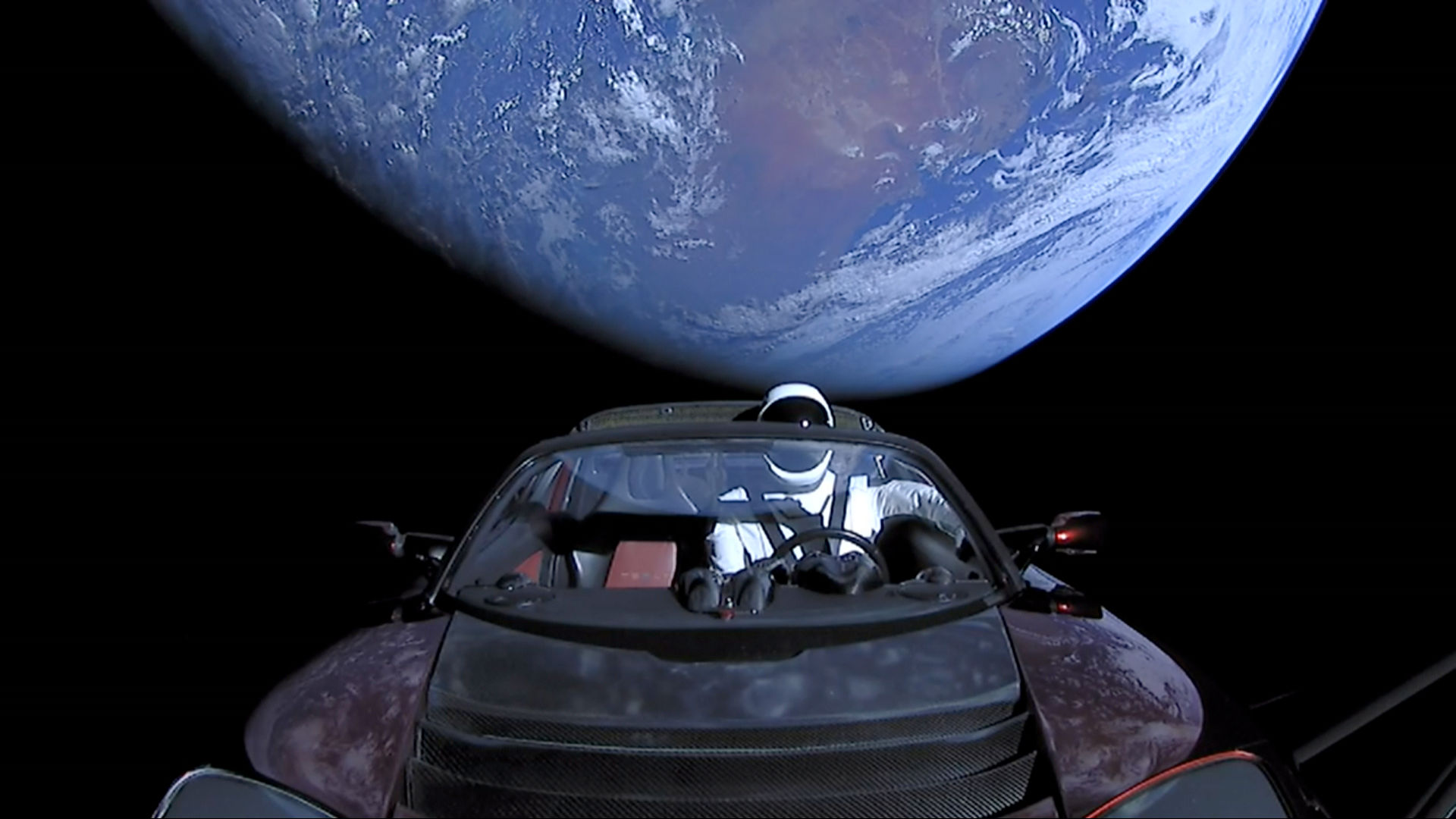
Elon Musk’s immense wealth, derived primarily from stakes in companies like Tesla, SpaceX, and X (formerly Twitter), has allowed him to acquire some of the most unique, high-value, and technologically advanced assets in the world. Rather than traditional luxury collections of fine art or yachts, Musk's most expensive expenditures lean heavily toward sprawling real estate portfolios, high-performance private aviation, and groundbreaking corporate acquisitions that reflect his industrial and technological ambitions.
Evaluating the 10 Elon Musk most expensive things requires examining a mix of private corporate buyouts, bespoke aviation assets, and strategic residential real estate holdings. While net worth calculations fluctuate daily based on stock market valuations, these specific items and investments represent the peak capital deployments of one of the world's wealthiest individuals, highlighting how modern ultra-high-net-worth portfolios diverge from historical norms by prioritizing operational infrastructure and mobility over passive luxury.
1. The Acquisition of Twitter (X)
The single most expensive acquisition of Elon Musk's career is his purchase of the social media platform Twitter, which was later rebranded as X. Completed in October 2022, the transaction cost a staggering $44 billion.
Financing this monumental buyout required a complex financial arrangement involving approximately $13 billion in debt financing from major Wall Street banks, equity commitments from co-investors such as Oracle co-founder Larry Ellison and Prince Alwaleed bin Talal of Saudi Arabia, and the sale of billions of dollars worth of Tesla stock by Musk himself. The purchase price of $54.20 per share represented a substantial premium over Twitter's trading price prior to Musk's initial stake disclosure, making it one of the largest leveraged buyouts in history and easily the most expensive line item in Musk’s asset ledger.
2. SpaceX Enterprise Value and Infrastructure
While Musk does not own 100% of SpaceX, his roughly 42% equity stake in the private aerospace manufacturer and satellite communication provider represents one of the most valuable private asset holdings in human history. Valuations for SpaceX have climbed steadily past $180 billion in private market tender offers and funding rounds.
This vast valuation is underpinned by physical and technological infrastructure that easily counts among the most expensive tangible assets controlled by any individual. This includes the Starbase development and launch facility in Boca Chica, Texas; an extensive fleet of autonomous drone ships used for rocket booster landings; specialized manufacturing and testing facilities in Hawthorne, California, and McGregor, Texas; and the massive capital expenditures required to develop the Starship rocket system and the global Starlink satellite constellation.
3. Tesla Equity Stake and Control
Elon Musk’s stake in electric vehicle pioneer Tesla forms the primary foundation of his personal fortune. While Tesla is a publicly traded corporation (NASDAQ: TSLA), Musk's approximately 13% ownership stake (excluding unvested stock options) is valued in the tens of billions of dollars depending on market fluctuations.
The value of this stake is inextricably linked to the massive physical capital investments Tesla has made globally. This includes the Gigafactories located in Austin, Texas; Sparks, Nevada; Fremont, California; Shanghai, China; and Berlin, Germany. These facilities house billions of dollars in advanced manufacturing robotics, battery cell production lines, and stamping presses, constituting a multi-billion-dollar industrial footprint directed by Musk's leadership and equity control.
4. Gulfstream G700 Private Jet
For global travel, Elon Musk relies on private aviation, which provides the speed and security necessary to manage multiple international enterprises simultaneously. In 2023, reports surfaced that Musk had added a brand-new Gulfstream G700 private jet to his fleet, complementing his older Gulfstream G650 ER models.
The Gulfstream G700 is one of the most advanced and luxurious long-range business jets available. With a list price approaching $78 million before custom interior configurations, avionics upgrades, and modifications, the aircraft features multiple living areas, ultra-high-speed inflight connectivity, and Rolls-Royce engines capable of near-mach speeds. This aircraft serves as a mobile office and essential operational tool for Musk as he travels between SpaceX launch sites, Tesla gigafactories, and engineering facilities.
5. Gulfstream G650 ER Private Jet Fleet
Prior to acquiring the G700, Musk's primary aviation workhorse was the Gulfstream G650 ER (Extended Range). Over the years, tracking data and aviation registries have linked multiple G650 and G650 ER aircraft to entities managed by Musk or his family office.
A standard Gulfstream G650 ER commands a retail price of approximately $66 million to $70 million. Known for its ultra-long-range capability—able to fly nearly 7,500 nautical miles without refueling—this aircraft allowed Musk to commute non-stop between the United States and international hubs like Tokyo, Beijing, or European capitals. The maintenance, crew, hangar, and fuel costs for operating a fleet of such aircraft run into millions of dollars annually, solidifying aviation as one of his most expensive ongoing capital expenses.
6. The Bel Air Real Estate Portfolio
Between 2012 and 2020, Elon Musk assembled a collection of residential properties in the affluent Bel Air neighborhood of Los Angeles, California. At its peak, his Bel Air real estate portfolio comprised seven distinct properties clustered near one another, with a cumulative acquisition cost of approximately $100 million.
These properties ranged from a contemporary mansion overlooking the Bel Air Country Club to historic ranch-style homes and mid-century modern structures. However, true to his unconventional style, Musk vowed in 2020 to "own no house" and systematically liquidated the entire Bel Air portfolio over the following two years, selling them to various buyers, including YouTuber and entrepreneur Jimmy Donaldson (MrBeast), for a combined total that roughly matched or exceeded his initial investment.
7. The Austin, Texas Compound
Following his exit from California, Musk relocated his primary residence and the corporate headquarters of Tesla and SpaceX to Texas. In late 2024, reports detailed the assembly of a sprawling multi-property residential compound in Austin, Texas, designed to house members of his family.
According to real estate reports, Musk acquired a collection of proximate properties in Austin—including a Tuscan-style villa and adjacent estates—costing an estimated $35 million. This compound provides privacy, security, and proximity to the Tesla Gigafactory Texas and SpaceX development sites, marking his most significant personal real estate investment outside of California.
8. The Hillsborough Historic Estate (The "Gene Wilder" House)
In June 2020, amidst his broader real estate sell-off, Musk sold a historic 1914 estate in Hillsborough, California, for $30 million. Musk had originally purchased the property in 2013 for $6.75 million from the estate of the late actor and comedian Gene Wilder.
The sprawling 2,756-square-foot main house, set on nearly 2.8 acres with views of San Francisco Bay, was maintained by Musk with strict instructions to preserve its architectural integrity and connection to Wilder. The property features a swimming pool, private guest houses, and mature gardens. Despite selling it at a substantial nominal profit, the initial acquisition, extensive upkeep, and eventual structured financing arrangement for the buyer made it one of the most notable high-value residential assets in his historical portfolio.
9. xAI Supercomputer Infrastructure (Colossus)
As part of his venture into artificial intelligence, Musk founded xAI and rapidly scaled up computational capabilities to train advanced foundational models like Grok. The centerpiece of this effort is a massive data center located in Memphis, Tennessee, featuring an unprecedented cluster of high-performance Nvidia GPUs.
While owned by the private corporate entity xAI rather than Musk directly as a personal consumer item, the capital deployment for the "Colossus" supercomputer cluster represents a multi-billion-dollar infrastructure expenditure. Acquiring tens of thousands of specialized AI training chips, securing industrial-scale power supplies, and constructing the necessary cooling and housing facilities requires capital outlays that rival the cost of major corporate acquisitions.
10. Neuralink Research and Development Capital
Neuralink, the neurotechnology company co-founded by Musk in 2016, develops implantable brain-computer interfaces (BCIs). While operating as a separate corporate entity, Musk has poured tens of millions of dollars of his own capital into funding the enterprise through early funding rounds and operational loans.
The high cost of Neuralink stems from specialized cleanroom manufacturing, invasive micro-surgery robotic development, rigorous animal and human clinical trials, and advanced neuroscience research. This ongoing capital commitment represents a direct investment in high-risk, high-reward technological infrastructure aimed at merging human cognition with artificial intelligence.
Comparison of Major Asset Categories
To understand how Elon Musk allocates his wealth, the following table categorizes his most expensive assets by type, approximate valuation, and primary function.
| Asset Category | Specific Item / Entity | Estimated Value / Cost | Primary Function |
|---|---|---|---|
| Corporate Acquisition | X (formerly Twitter) | $44 Billion | Global communications and media platform |
| Aerospace Equity | SpaceX Stake & Infrastructure | $75+ Billion (Equity Value) | Rocket manufacturing, launch, and global satellite internet |
| Automotive Equity | Tesla Stake & Industrial Footprint | $50+ Billion (Equity Value) | Electric vehicle production and renewable energy |
| Private Aviation | Gulfstream G700 Jet | ~$78 Million (List Price) | International executive transport |
| Private Aviation | Gulfstream G650 ER Fleet | ~$140 Million (Combined Fleet Value) | Long-range global travel |
| Real Estate | Austin, Texas Compound | ~$35 Million | Primary residential compound |
| Real Estate | Bel Air Portfolio (Historical) | ~$100 Million (Peak Acquisition) | Former residential holdings (liquidated) |
| Artificial Intelligence | xAI Supercomputer (Colossus) | Multi-Billion Dollar Capital Outlay | Generative AI model training |
Frequently Asked Questions
Does Elon Musk own any superyachts or traditional luxury assets?
No. Unlike many individuals in the ultra-high-net-worth bracket, Elon Musk is famously known for not owning superyachts, fine art collections, or extensive vacation homes. He has stated publicly that he finds yachts cumbersome and unnecessary, choosing instead to focus his capital on technological ventures, aviation for business efficiency, and functional real estate.
What is Elon Musk's most expensive physical possession?
Excluding corporate equity stakes in publicly and privately traded companies like Tesla and SpaceX, Musk's most expensive single physical purchase is the $44 billion acquisition of Twitter (X). Among personal consumer goods, his private jets—specifically the Gulfstream G700 and G650 ER aircraft—represent his highest-cost movable assets.
Why did Elon Musk sell all of his houses?
In 2020, Elon Musk announced on social media that he intended to "own no house" to free himself from material encumbrances and focus entirely on his mission to colonize Mars and scale sustainable energy. True to his word, he sold his entire portfolio of California mansions, though he has since acquired newer residential properties in Texas to accommodate his family near his corporate headquarters.
How are Elon Musk's jets funded and operated?
Musk's private jets are typically owned through specialized LLCs or corporate aviation subsidiaries tied to his business interests. The aircraft are utilized for both personal travel and extensive corporate travel for Tesla, SpaceX, and X executives, with flight logs and maintenance managed by professional aviation management firms.
Conclusion and Strategic Takeaway
Examining the 10 Elon Musk most expensive things reveals a distinct departure from conventional billionaire consumption patterns. While traditional fortunes are often measured by collections of real estate, yachts, and luxury goods, Musk’s capital is overwhelmingly tied up in industrial manufacturing, aerospace engineering, artificial intelligence infrastructure, and high-speed aviation. For those analyzing ultra-high-net-worth asset allocation, Musk’s portfolio demonstrates a preference for operational assets that drive technological scale rather than passive luxury holdings.