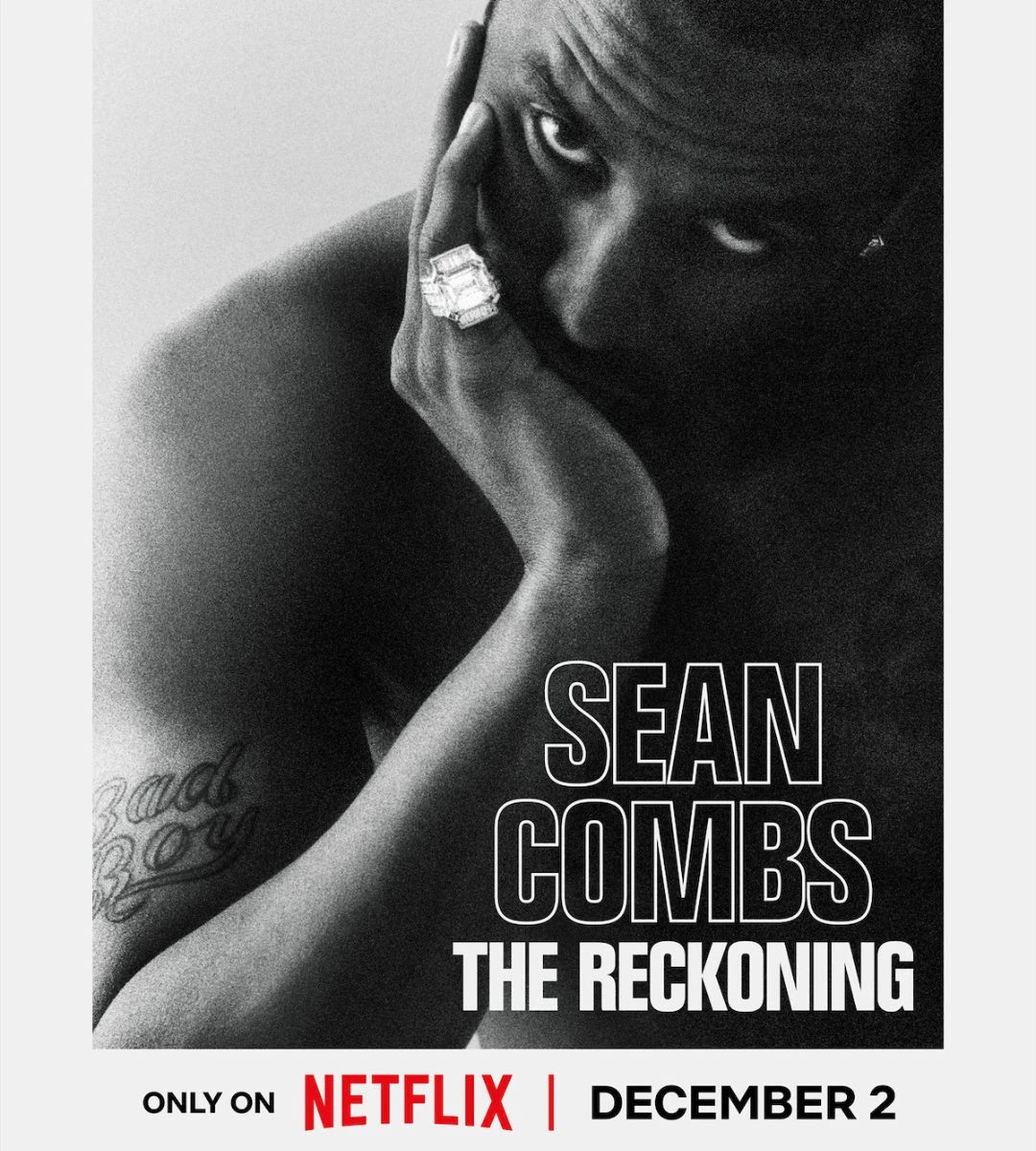
The ongoing professional and personal conflict between Sean "Diddy" Combs and Curtis "50 Cent" Jackson represents one of the most persistent and publicized rivalries in modern hip-hop history. While the term "reckoning" has been applied to the legal and social challenges currently surrounding Combs, Jackson has acted as a primary catalyst, leveraging his media platform to amplify scrutiny, capitalize on the industry shifts, and position himself as the lead chronicler of his rival's decline.
The Origins of the Conflict: Professional Rivalry Turned Personal
To understand the current state of the relationship between Sean Combs and 50 Cent, one must look back to the early 2000s. The tension originated in the competitive landscape of the hip-hop industry, where record label dominance, brand partnerships, and stylistic influence defined success. As an artist under the Shady/Aftermath umbrella, 50 Cent’s aggressive rise challenged the established order of the Bad Boy Records empire, which Combs had built and maintained since the 1990s.
The friction was never merely about music; it was about market share. Combs positioned himself as the ultimate mogul, a lifestyle icon who transcended music into fashion, spirits, and corporate branding. 50 Cent, conversely, built his public persona on authenticity and a disregard for traditional industry power structures. When 50 Cent began to question the integrity of the business practices at Bad Boy—and specifically, the relationships Combs held with other artists—the rivalry transitioned from standard industry competitive posturing into a sustained, years-long campaign of public criticism.
The Role of Media and Digital Aggression
In the decade leading up to 2026, 50 Cent masterfully utilized social media to conduct a campaign of psychological warfare against Combs. While traditional media outlets often treated the two as disparate figures in the music industry, Jackson utilized his Instagram and X (formerly Twitter) accounts to post clips, memes, and commentary that cast doubt on Combs’ character.
This strategy served several purposes:
- Public Perception Management: By continuously questioning Combs’ actions and business decisions, Jackson kept his own audience engaged while simultaneously eroding the "mogul" aura Combs had cultivated for three decades.
- Predictive Narratives: Jackson frequently posted content that anticipated the legal and regulatory investigations that would eventually envelop Combs. By framing Combs as a figure in inevitable decline, Jackson ensured that when negative news broke, his followers already viewed the reports through a lens of suspicion.
- Monetization of Conflict: Jackson understood that his brand is inextricably linked to his disruptive nature. By focusing on Combs, he drove traffic to his G-Unit Film & Television projects and maintained his relevance in a shifting media landscape.
Defining the "Reckoning": Legal and Structural Changes
By 2026, the term "the reckoning" has become synonymous with the legal and civil proceedings brought against Sean Combs. This period is characterized by intense federal scrutiny and multiple high-profile civil suits alleging severe misconduct. For observers, the transition from speculative social media commentary to tangible legal action marked a turning point in the industry's tolerance for behavior that had historically been overlooked in the interest of profit.
The "reckoning" involves:
- Federal Investigation: The escalation of law enforcement interest in Combs' business operations and personal conduct, which has led to significant changes in his corporate holdings and industry standing.
- Corporate Divestiture: The rapid distancing of major brands and partners who had previously found value in the Ciroc and Sean John names, reflecting a broader corporate trend of risk aversion in the mid-2020s.
- The Cultural Shift: A fundamental change in how the hip-hop community and the broader public discuss the accountability of industry titans. The blind support for "mogul culture" has been replaced by a demand for transparency and victim-centered discourse.
Comparative Analysis: Approaches to Legacy
The divergent paths of Combs and Jackson provide a case study in brand management and personal conduct within the entertainment industry. The following table highlights the contrasting approaches each has taken toward their industry standing.
| Feature | Sean Combs (Bad Boy Era) | 50 Cent (G-Unit/Television Era) |
|---|---|---|
| Primary Brand Focus | Lifestyle, Luxury, Aspiration | Aggression, Authenticity, Disruption |
| Corporate Strategy | Strategic Alliances, Corporate Partnerships | Direct Ownership, Media/Production Control |
| Crisis Management | Legal Defense, Strategic Silence | Preemptive Disclosure, Public Commentary |
| View on Industry | Establish and Maintain Power Structures | Challenge and Dismantle Power Structures |
50 Cent’s Role as Documentary Producer
Jackson has transitioned his commentary into actual production. His work on the documentary project centered on the allegations against Combs is a direct extension of his social media campaign. By producing content that chronicles the "reckoning," Jackson successfully bridges the gap between internet troll and investigative media producer.
This shift is significant because it provides a formalized platform for the accusations. While social media posts are ephemeral, documentary films are archived, researched, and subjected to different legal standards. By involving himself in the production of content regarding these allegations, Jackson has essentially codified his decade-long critique into a format that persists in the public record.
The Impact on Hip-Hop Culture and Industry Standards
The fallout from the "reckoning" has left a void in the infrastructure of hip-hop business. The model of the "all-encompassing mogul" who dominates music, fashion, and spirits is currently under fire. Artists and managers are now forced to navigate a landscape where "brand image" is secondary to "risk mitigation."
Internal audits at major record labels have become more frequent, and the vetting processes for high-level executives have tightened significantly. The era of the "untouchable mogul" has essentially ended. This change is not merely a moral evolution but a survival mechanism for an industry that has realized that the cost of associating with controversial figures far outweighs the potential revenue.
Frequently Asked Questions
What is the specific nature of the feud between the two? The feud is a long-standing, multifaceted rivalry rooted in industry competition that evolved into personal animosity. It centers on differing philosophies of power in hip-hop, with 50 Cent positioning himself as an anti-establishment force against what he characterizes as the exploitative practices of Combs.
How has 50 Cent profited from the "reckoning"? Jackson has monetized the conflict primarily through content creation. By producing documentaries and using his social media platforms to generate consistent engagement around the allegations against Combs, he has kept his own production company, G-Unit Film & Television, at the center of the pop-culture conversation.
Has Sean Combs responded directly to these campaigns? Combs has historically fluctuated between ignoring the provocations and issuing general statements regarding his character. However, as the legal "reckoning" intensified in the mid-2020s, his response has shifted almost entirely to formal legal filings and professional crisis management communication.
Is this rivalry representative of a broader shift in the music industry? Yes. The conflict highlights a systemic shift in the music business, moving away from celebrity-centric business models where an individual is synonymous with the brand. Current standards prioritize institutional accountability and the separation of an artist’s creative output from their corporate associations.
What is the current legal status of the events being discussed? As of 2026, the investigations into Sean Combs involve complex, ongoing legal proceedings in multiple jurisdictions. These matters are subject to strict evidentiary rules, and any definitive outcome depends on the completion of judicial processes, which are independent of public opinion or social media discourse.
Next Actions for Industry Observers
For those seeking to understand the implications of this shift, it is essential to look beyond the social media noise. Focus on the official court filings and the business restructuring of the companies previously associated with Combs. Understanding the "reckoning" requires distinguishing between the performance of the feud—which is often spectacle—and the tangible legal and corporate consequences that continue to reshape the music industry in 2026. Readers should monitor reputable legal news outlets and verified industry reports for updates on the active cases rather than relying solely on influencer-driven commentary.