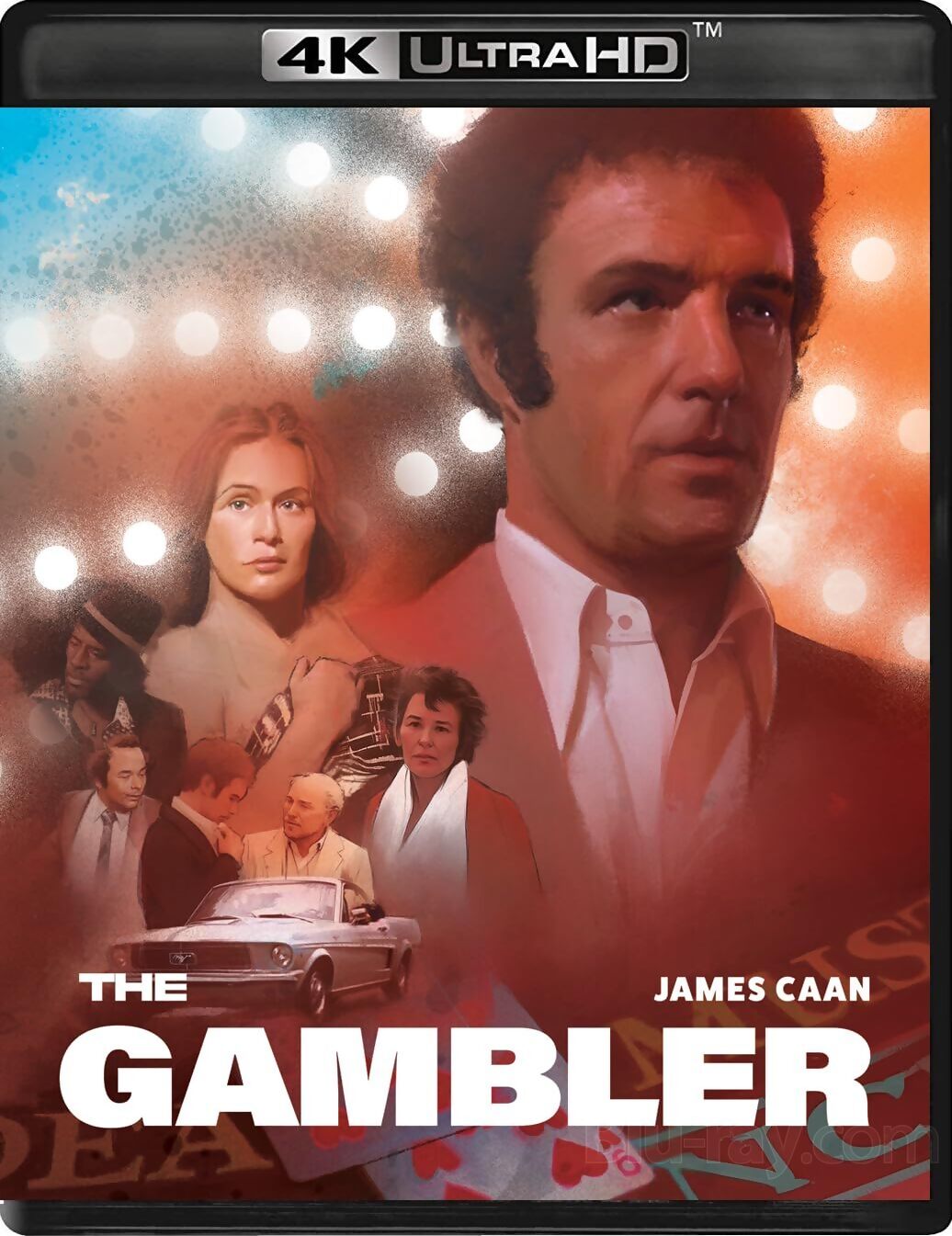
The Gambler (2014) features a compelling cast led by Mark Wahlberg, who portrays Jim Bennett, a risk-taking literature professor struggling with a severe gambling addiction. Directed by Rupert Wyatt and written by William Monahan, the film serves as a remake of the 1974 classic starring James Caan. The 2014 psychological thriller and drama brings together a stellar ensemble of established movie stars and character actors, each shaping the gritty, high-stakes academic and criminal underworld of Los Angeles through nuanced performances.
Introduction to The Gambler (2014) and Its Ensemble Approach
Navigating the character dynamics of The Gambler requires understanding that the film relies less on traditional action sequences and more on intense, dialogue-driven psychological confrontations. Jim Bennett's downward spiral brings him into contact with predatory lenders, wealthy financiers, academic colleagues, and students with hidden talents.
The casting choices reflect a deliberate blending of charismatic leading players and formidable character actors. This deliberate contrast helps underscore the social stratification and moral decay that characterize Bennett's existence. Below is a comprehensive examination of the primary and supporting cast members who brought this narrative to life, complete with character breakdowns, structural analysis, and contextual background.
Primary Cast and Character Breakdown
The narrative anchor of The Gambler rests squarely on its protagonist, but the strength of the film's dramatic tension relies heavily on the supporting players who challenge, fund, or attempt to rescue him.
Mark Wahlberg as Jim Bennett
Mark Wahlberg takes on the role of Jim Bennett, a brilliant yet self-destructive literature professor at a Los Angeles university. Bennett is a former novelist who achieved early literary acclaim, only to descend into a nihilistic obsession with high-stakes gambling. Wahlberg’s physical transformation for the role—shedding significant weight to embody an exhausted, malnourished academic—underscored his commitment to the character.
Bennett's core philosophy centers on absolute freedom through the total abandonment of material security. He borrows heavily from underground loan sharks, treating his debts not as financial obligations, but as chips in a high-stakes game of self-destruction. Wahlberg balances intellectual arrogance with profound emotional exhaustion, anchoring the film’s philosophical monologues about artistic genius and mediocrity.
Brie Larson as Amy Phillips
Brie Larson stars as Amy Phillips, one of Bennett’s most talented undergraduate students and eventual romantic interest. Amy recognizes Bennett's intellect long before she understands the full scope of his personal chaos. Larson portrays Amy with a mix of youthful idealism and sharp intuition, serving as a primary foil to Bennett's cynicism.
Unlike the other figures in Bennett's life who view him through the lens of transactional debt, Amy sees a genuine pedagogical and human value in him. Her character arc highlights the ethical boundaries of academic relationships while providing a rare emotional sanctuary for the protagonist amidst his escalating financial ruin.
Jessica Lange as Roberta Bennett
Two-time Academy Award winner Jessica Lange plays Roberta Bennett, Jim’s wealthy, sharp-tongued mother. Roberta occupies a complex position in Jim's life; she is deeply frustrated by his self-sabotaging behavior yet financially insulated by her own generational wealth.
Lange’s performance is defined by a fierce maternal pragmatism. She refuses to bail Jim out unconditionally, delivering sharp dialogue that cuts through his intellectual rationalizations. The dynamic between Wahlberg and Lange provides some of the film's sharpest dramatic exchanges, establishing that Jim's self-destructive streak is deeply intertwined with family expectations and privilege.
Supporting Cast and Underworld Figures
To sustain his gambling habit, Jim must interact with increasingly dangerous elements of the Los Angeles criminal underworld. The supporting cast populating these scenes brings distinct cultural textures and menacing authority to the screen.
John Goodman as Frank Lee
John Goodman delivers a memorable performance as Frank Lee, a high-rolling, smooth-talking loan shark who operates with a chilling mixture of warmth and absolute ruthlessness. Frank respects Jim’s intellectual bravado, which creates a bizarre, twisted camaraderie between the two men.
Goodman plays Frank not as a conventional, screeching movie mobster, but as a calculated businessman who views human behavior through the cold lens of risk management. His monologues regarding the nature of being a "free man" serve as a thematic counterpoint to Jim's academic lectures, offering practical street philosophy that exposes the hollow nature of Jim's existential crisis.
Michael Kenneth Williams as Neville Baraka
Michael Kenneth Williams portrays Neville Baraka, a street-level gangster and debt collector who initially holds some of Jim's markers. Williams brings a quiet, intimidating presence to Neville, a man who is trying to balance street operations with a desire for legitimate respectability.
The interactions between Wahlberg and Williams explore racial and economic disparities within Los Angeles. Neville is acutely aware of how the system works and views Jim as an entitled academic playing dangerous games with real-world consequences.
Other Notable Supporting Players
- Emory Cohen as Dexter: A wealthy, arrogant college student and talented tennis player who gets pulled into Jim's gambling orbit. Cohen plays Dexter with an unsettling blend of insecurity and bravado.
- Dominique Thorne as Leland: (Note: Performers like Leland Orser and other character actors fill out the academic and financial layers).
- George Kennedy as Ed: In one of his final film appearances, legendary actor George Kennedy portrays Ed, Roberta’s wealthy and ailing partner, adding a layer of classical Hollywood presence to the production ensemble.
| Cast Member | Character Name | Character Role / Archetype | Primary Narrative Function |
|---|---|---|---|
| Mark Wahlberg | Jim Bennett | Self-destructive Literature Professor | Protagonist navigating addiction and debt |
| Brie Larson | Amy Phillips | Undergraduate Student / Protege | Intellectual foil and romantic interest |
| Jessica Lange | Roberta Bennett | Wealthy Matriarch | Source of generational pressure and reality checks |
| John Goodman | Frank Lee | Sophisticated Loan Shark | Philosophical antagonist and high-stakes lender |
| Michael Kenneth Williams | Neville Baraka | Street-Level Enforcer | Represents immediate physical and financial consequences |
| Emory Cohen | Dexter | Privileged College Student | Demonstrates Jim's influence over vulnerable youth |
Behind the Scenes: Direction, Adaptation, and Ensemble Chemistry
The success of The Gambler cast relies heavily on the directorial vision of Rupert Wyatt and the screenplay adaptation by Academy Award-winner William Monahan. Monahan took James Tobak’s original 1974 screenplay—which was loosely autobiographical for Tobak and starred James Caan—and modernized the dialogue, infusing it with sharp, literary cadences and biting wit.
Rupert Wyatt encouraged a rehearsal process that fostered chemistry between seasoned veterans like Jessica Lange and John Goodman, and rising stars like Brie Larson and Emory Cohen. This dynamic is particularly evident in the classroom scenes, where Wahlberg’s rapid-fire lectures on Shakespeare and literary greatness require a supporting student body that reacts with authentic engagement and skepticism.
Critical Reception of the Performances
Upon its theatrical release by Paramount Pictures in December 2014, The Gambler received mixed reviews from critics, though the performances of the core ensemble frequently earned praise.
- Mark Wahlberg's Commitment: Critics noted that Wahlberg's physical transformation and intense dedication successfully sold the character's exhaustion, even when the existential plotting stretched credulity.
- The Supporting Standouts: John Goodman and Jessica Lange routinely drew high marks from reviewers for elevating their respective scenes, providing magnetic screen presence whenever they appeared opposite Wahlberg.
- Brie Larson's Role: While Larson was praised for her grounded performance, some critics noted that the romantic subplot between her student character and Wahlberg's professor struggled against genre clichés.
Frequently Asked Questions
Is The Gambler (2014) a direct sequel to the 1974 film?
No, the 2014 film is a modern remake rather than a sequel. It reinterprets William Monahan's updated script while retaining the core premise of an indebted literature professor making dangerous wagers across Los Angeles.
Who directed The Gambler (2014)?
The film was directed by British filmmaker Rupert Wyatt, best known for directing Rise of the Planet of the Apes (2011).
Did Mark Wahlberg really lose weight for the role of Jim Bennett?
Yes, Mark Wahlberg underwent a strict dietary regimen to shed roughly 60 pounds, aiming to visually communicate Jim Bennett's obsessive, self-destructive lifestyle and physical depletion.
How closely does the 2014 film follow the original 1974 movie?
While the 2014 version retains the basic framework—a gambling-addicted professor owing money to various underground figures—it updates the cultural references, setting, and dialogue to reflect contemporary Los Angeles, while softening some of the original's nihilistic edge in favor of a more redemptive resolution.
Conclusion and Next Viewing Recommendations
The ensemble cast of The Gambler (2014) elevates a standard neo-noir narrative through committed performances, anchored by Mark Wahlberg's physical dedication and standout supporting turns from John Goodman and Jessica Lange. Viewers interested in further exploring this niche of crime dramas and character studies may enjoy examining James Tobak's original 1974 film starring James Caan, or diving into other neo-noir explorations of addiction and obsession such as Paul Schrader's Card Counter (2021) or Abel Ferrara's Bad Lieutenant (1992).