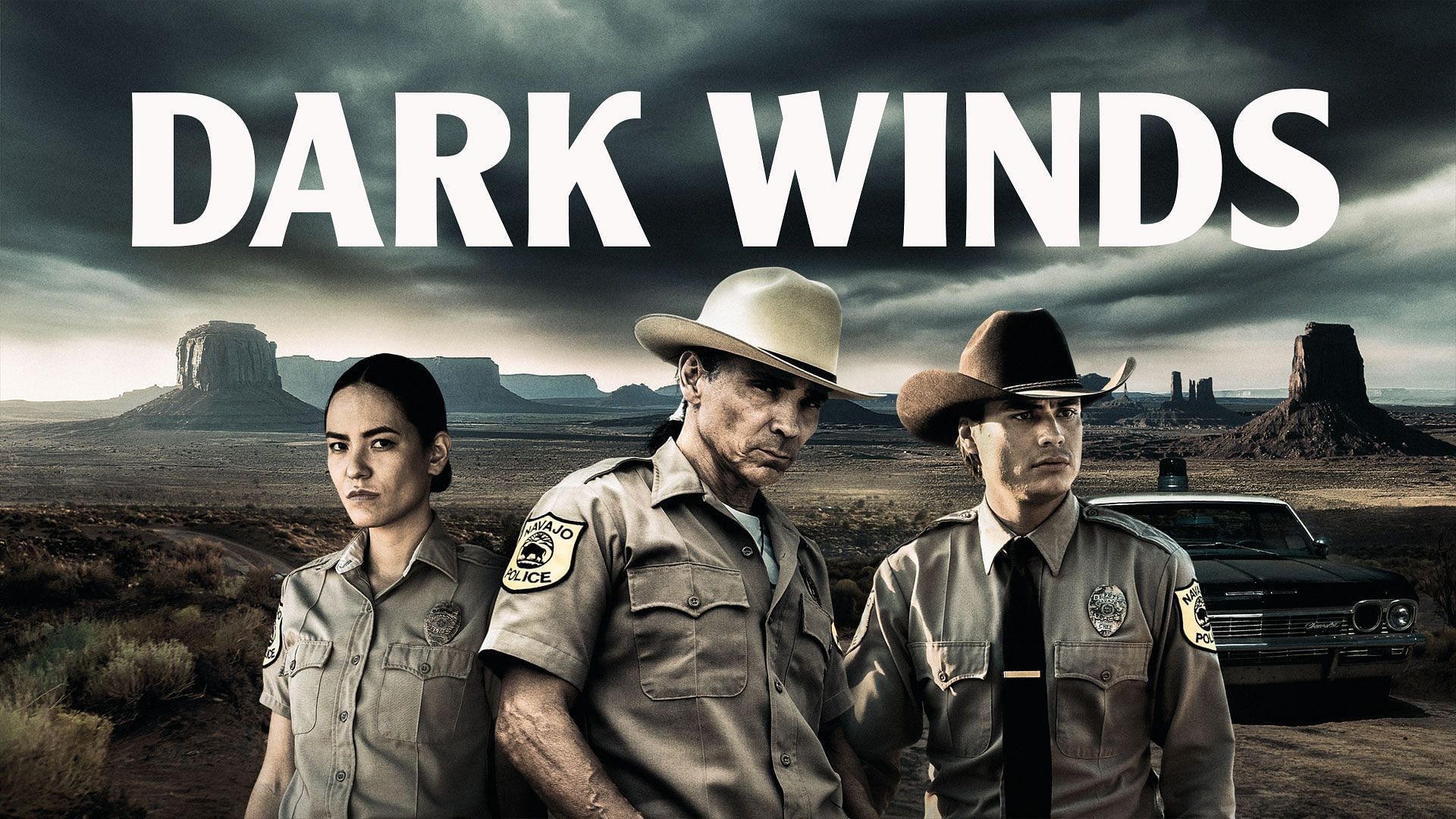
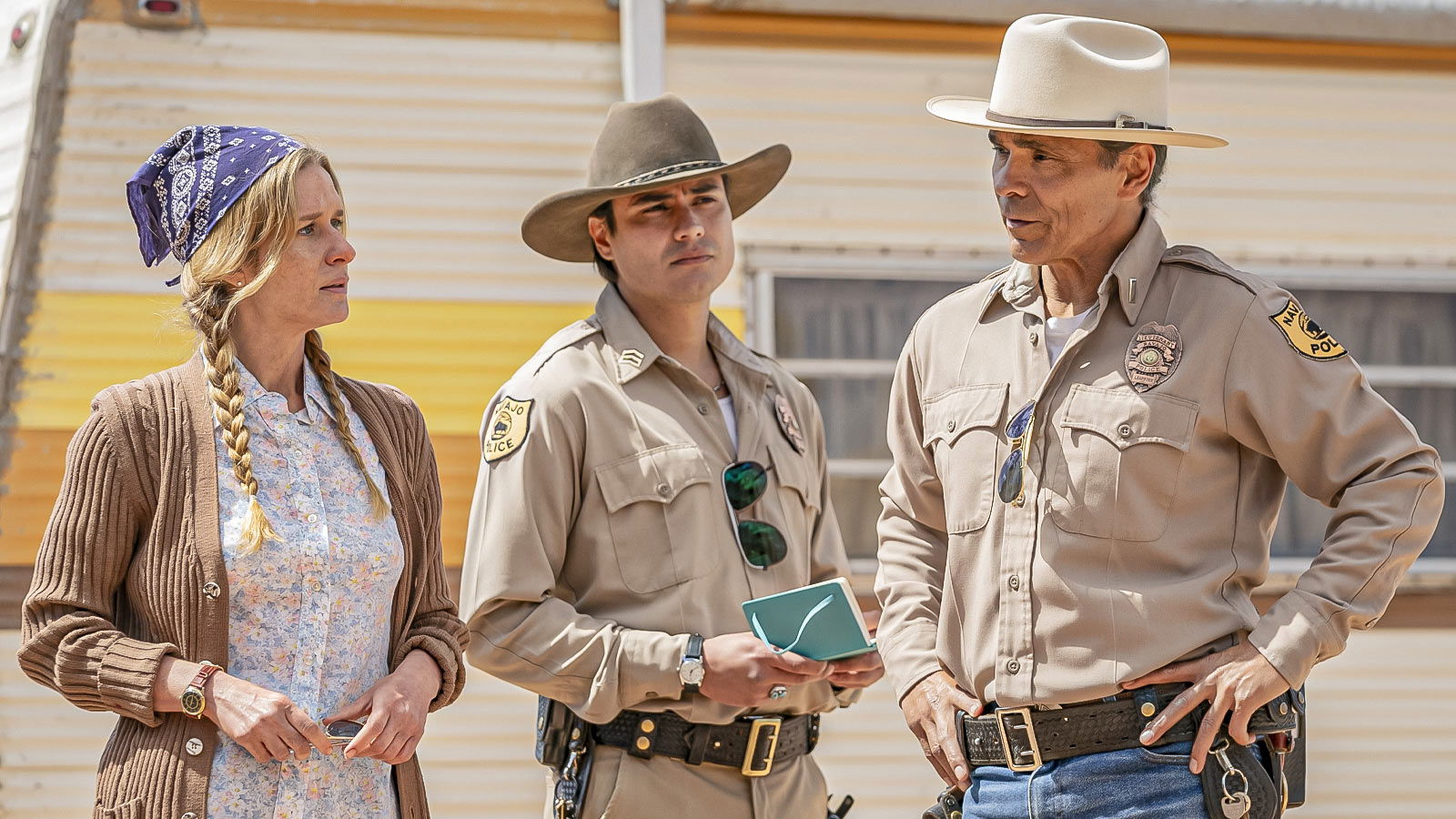
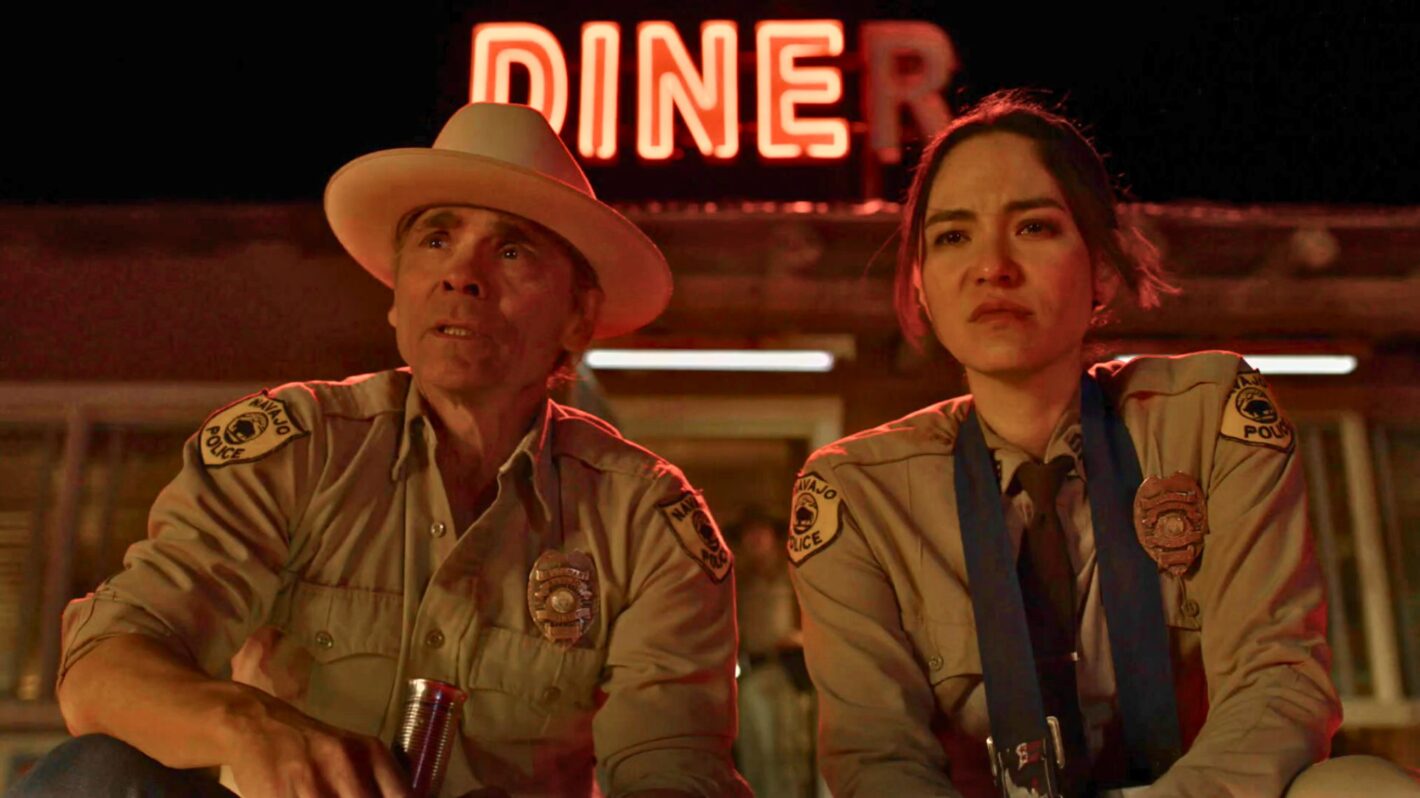
The Dark Winds season four finale delivers a tense convergence of long-simmering tribal mysteries, high-stakes federal investigations, and deeply personal emotional reckonings for Joe Leaphorn, Jim Chee, and Bernadette Manuelito. Set against the atmospheric backdrop of the American Southwest, the episode ties up primary narrative threads while establishing crucial shifts in character trajectories that redefine the scope of the neo-noir crime drama.
Navigating the Narrative Landscape of Dark Winds Season Four
Television adaptations of Tony Hillerman’s iconic Navajo Nation detective novels have consistently balanced atmospheric world-building with intricate procedural mysteries. By the time season four reaches its ultimate episode, the narrative has woven together historical grievances, modern jurisdictional conflicts between tribal police and federal agencies, and profound spiritual motifs unique to the Diné culture.
Understanding the finale requires looking back at the structural escalation across the season. While earlier episodes focused on isolated crimes, resource exploitation, and cultural displacement, the finale forces every principal character out of their professional comfort zones. Jurisdictional boundaries blur as federal interference clashes with sovereign tribal authority, creating a pressure-cooker environment where legal protocols routinely fail to deliver actual justice.
Key Plot Developments in the Season Four Finale
The culmination of the season four storyline hinges on a multifaceted investigation that bridges past tragedies with immediate physical threats. As the narrative converges on a remote landscape within the Navajo Nation, several critical plot threads reach their breaking point:
- The Resolution of the Core Mystery: The primary case—initially appearing as a straightforward localized crime—unravels to reveal a broader conspiracy involving land rights, corporate exploitation, and historical institutional cover-ups.
- Leaphorn’s Moral Crossroads: Lieutenant Joe Leaphorn faces a profound ethical dilemma that tests his unwavering dedication to the law and his personal understanding of Navajo restorative justice versus retributive punishment.
- Chee’s Professional Identity: Jim Chee navigates the uncomfortable middle ground between his private investigator work, his former position with the tribal police, and his evolving understanding of his cultural heritage.
- Bernadette’s Borderlands: Operating away from the immediate Navajo Nation jurisdiction, Bernadette Manuelito’s storyline intersects with the main plot in a way that highlights the isolation and systemic vulnerabilities of law enforcement personnel in rural western territories.
Character Trajectories and Emotional Stakes
Beyond procedural mechanics, the strength of Dark Winds lies in its character-driven storytelling. The season four finale does not merely solve a crime; it fundamentally alters the emotional baseline of the primary trio.
Joe Leaphorn: Burden of Leadership and Grief
Throughout the series, Joe Leaphorn has functioned as an anchor—stoic, deeply observant, and protective of his community. The season four finale challenges this archetype by forcing Leaphorn to confront unresolved grief and the limits of his control. His interactions with antagonists this season reflect a weary wisdom, but the finale pushes him toward a moment of quiet grace that honors both his badge and his heritage.
Jim Chee: Finding Balance
Jim Chee’s arc has always centered on cultural identity and belonging. Torn between the traditional world and modern secular life, Chee’s role in the finale demonstrates his maturation from an eager outsider trying to prove himself to an independent investigator who respects the gravity of tribal sovereignty. His choices in the concluding episode signal a permanent departure from his earlier naivety.
Bernadette Manuelito: Independence and Capability
Separated geographically for much of the season, Bernadette has proven her tactical resilience and investigative acumen. The finale reinforces her capability as a standalone law enforcement agent while keeping her tethered to the emotional core of the series through her bond with Leaphorn and Chee.
Comparative Overview of Season Dynamics
To appreciate where the season four finale leaves the series, it is helpful to contrast the structural evolution of the narrative across its run.
| Season Phase | Primary Focus | Jurisdictional Conflict | Character Development |
|---|---|---|---|
| Season Launch / Setup | Establishing crimes and introducing local/federal friction | High tension between Tribal Police and FBI | Introducing core trauma and personal histories |
| Mid-Season Escalation | Expanding conspiracy and unearthing historical secrets | Bureaucratic roadblocks and missing evidence | Deepening personal relationships and internal doubt |
| Finale Resolution | Confronting primary antagonists and moral reckonings | Breakdown of formal boundaries in favor of direct action | Permanent shifts in allegiances, career paths, and emotional closure |
Thematic Resonance: Justice, Tradition, and Sovereignty
What elevates Dark Winds above standard procedural fare is its exploration of systemic injustice against Native Americans. The season four finale leans heavily into themes of cultural preservation and resilience. The resolution of the main conflict avoids easy Hollywood formulas; instead, it acknowledges that historical wounds cannot be neatly erased by a single arrest.
The integration of Diné cultural elements—ranging from traditional healing practices to philosophical views on balance (Hózhó)—functions not merely as window dressing but as the moral compass of the narrative. When characters make choices in the finale, those decisions are weighed against community expectations and spiritual consequences, providing a richer subtext than typical crime dramas offer.
Common Viewer Questions Addressed
How does the season four finale resolve the overarching mystery?
The finale successfully identifies and apprehends the primary perpetrators behind the seasonal conspiracy, but it deliberately leaves certain systemic questions open-ended to reflect the ongoing real-world challenges faced by tribal communities.
Does the finale leave major character fates unresolved?
While the main plot concludes with definitive resolutions for the season's primary adversaries, major character futures—particularly regarding career shifts and geographical locations for Leaphorn, Chee, and Manuelito—are left in dynamic positions to set up future narratives.
How does the finale handle the jurisdictional tension between tribal and federal law?
The episode highlights the friction between federal mandates and tribal sovereignty, often showing that federal agencies prioritize bureaucratic closure while tribal police seek holistic, community-level resolution.
Is prior knowledge of Tony Hillerman’s books required to understand the finale?
No. While book readers will spot numerous easter eggs and faithful character adaptations, the television series operates on its own continuity and provides sufficient internal context within the episode itself.
Strategic Next Actions for Fans
For viewers tracking the progression of Dark Winds, the conclusion of season four offers several avenues for deeper engagement:
- Revisit Key Episodes: Rewatching the opening and middle episodes of season four with the finale's revelations in mind often uncovers subtle foreshadowing regarding the antagonist's true motives.
- Explore the Source Material: Readers interested in the literary origins of the show can explore Tony Hillerman’s novels, such as People of the Darkness or Skinwalkers, to experience the broader universe of Leaphorn and Chee.
- Examine Cultural Context: Engaging with non-fiction resources regarding Navajo Nation law enforcement and modern tribal sovereignty provides a deeper appreciation for the real-world accuracy embedded in the show's fictional framework.