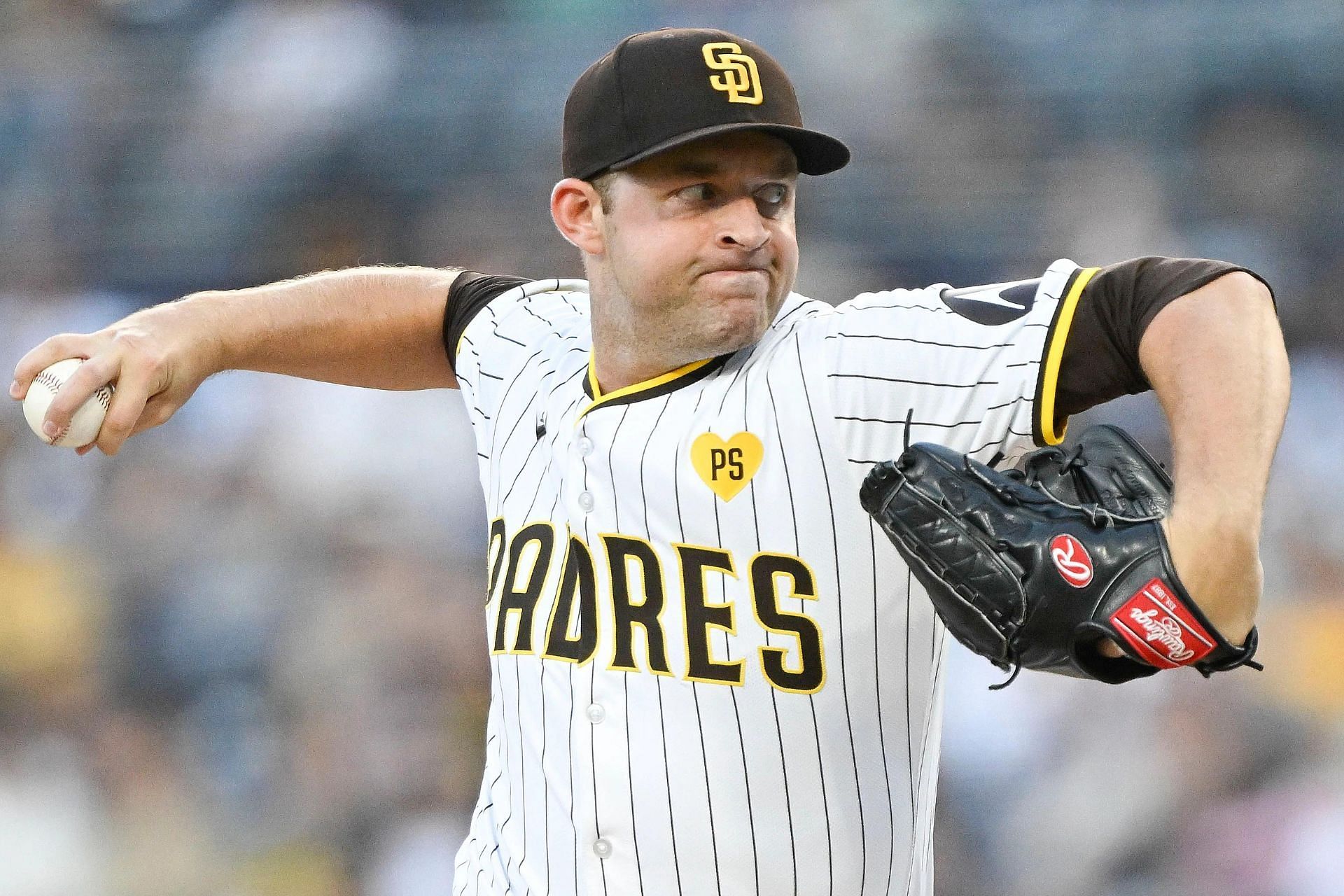
Pinpointing the single best pitcher in baseball playing today requires navigating a shifting landscape of elite arms, recurring injuries, and evolving analytical metrics. While a consensus choice fluctuates based on health and recent performance windows—such as sustained dominance by veterans like Gerrit Cole or the explosive emergence of power arms like Paul Skenes—evaluating the top pitcher involves looking past traditional win-loss records to examine predictive performance metrics, pitch arsenal effectiveness, and durability.
The question of who holds the crown as the premier pitcher in Major League Baseball cannot be answered by a single statistic alone. Evaluating the game’s elite mound presences demands a comprehensive multi-layered approach. Analysts, front offices, and fans look beyond raw totals to dissect components such as expected earned run average (xERA), strikeout-to-walk ratios (K/BB), spin rates, extension, and hard-hit percentages allowed.
This guide analyzes how modern baseball defines pitching supremacy, examines the primary contenders for the title, compares the metrics used to separate the great from the generational, and highlights what separates a perennial Cy Young candidate from the rest of the league.
The Modern Framework for Evaluating Pitching Excellence
For generations, baseball fans relied on traditional triple-crown statistics—wins, strikeouts, and earned run average (ERA)—to crown the game's best pitcher. While strikeouts and ERA remain vital, the modern game utilizes advanced sabermetrics to strip away external factors like defense and luck, revealing a pitcher's true talent level.
Moving Beyond Wins and Losses
A pitcher's win-loss record is heavily dependent on run support and bullpen stability rather than individual performance alone. A dominant starter can pitch eight shutout innings, leave with a lead, and record a no-decision if the bullpen surrenders the advantage in the ninth. Consequently, modern evaluators discount the win-loss column entirely when determining elite status, focusing instead on run prevention and command metrics.
Core Metrics of the Elite Tier
To qualify as the single best pitcher playing today, a player must consistently excel across several key analytical categories:
- FIP (Fielding Independent Pitching): Measures a pitcher's effectiveness based solely on events they have direct control over: strikeouts, walks, hit-by-pitches, and home runs. It removes batted-ball luck and defensive fielding quality from the equation.
- xERA (Expected Earned Run Average): Formulated using quality of contact (exit velocity and launch angle) on every batted ball allowed, providing a clearer picture of how a pitcher should have performed.
- WHIP (Walks plus Hits per Inning Pitched): A straightforward yet enduringly reliable measure of how many baserunners a pitcher allows per frame.
- Stuff+: / Pitching+: Advanced tracking metrics that evaluate the physical characteristics of a pitch—such as velocity, movement, and release point—independent of the batter's reaction.
Primary Contenders for the Top Spot
Because pitching is volatile and subject to high rates of injury attrition, the title of "best pitcher playing today" often shifts among a small, elite circle of arms. Examining the leading candidates highlights different styles of dominance, ranging from high-velocity strikeout artists to surgical command technicians.
The Power and Precision Profile
At the pinnacle of modern pitching are athletes who combine upper-tier velocity with devastating breaking and off-speed repertoires. Pitchers who sit in the upper nineties with their fastballs while maintaining elite command over sweeping sliders or split-finger fastballs create an impossible guessing game for opposing hitters.
When a pitcher commands a triple-digit fastball while limiting walks to fewer than two per nine innings, their margin for error shrinks to zero for the opposing lineup. This profile embodies the modern archetype of an ace who can neutralize high-powered offenses entirely through sheer stuff and sequencing.
The Crafty Workhorse Profile
Alternatively, dominance can manifest through deception, elite extension, and masterful sequencing rather than raw radar gun readings. These pitchers rely on shifting eye levels, tunneling pitches so that a fastball and a changeup look identical out of the hand, and inducing weak contact rather than strictly hunting strikeouts. While strikeout rates might be lower, their ability to pitch deep into games, manage pitch counts efficiently, and suppress hard contact makes them equally valuable over the course of a 162-game season.
Comparing Elite Pitching Metrics
To understand how top-tier starters separate themselves from the league average, reviewing specific performance benchmarks provides necessary context. The table below outlines the statistical thresholds typically associated with a Cy Young-caliber season in the modern era.
| Metric | League Average | Elite Contender Benchmark | What It Measures |
|---|---|---|---|
| ERA | ~4.20 | Under 3.00 | Actual earned runs allowed per 9 innings |
| FIP | ~4.20 | Under 3.00 | Run prevention independent of defense |
| K/9 | ~8.5 | Over 10.5 | Strikeouts recorded per 9 innings |
| BB/9 | ~3.2 | Under 2.0 | Walks issued per 9 innings |
| WHIP | ~1.30 | Under 1.05 | Baserunners allowed per inning |
Durability and Workload as Separators
Having an elite arsenal is only half the battle; the ability to take the mound every fifth day for 30 to 35 starts is what separates an elite season from a legendary career. In an era marked by increasing reliance on pitching depth, six-man rotations, and strict pitch counts, workhorses who can efficiently navigate the third time through an opposing batting order carry immense value.
The best pitchers playing today demonstrate resilience by maintaining their velocity and command deep into games. While modern analytics departments often protect pitchers from facing a lineup a third time if metrics suggest vulnerability, true aces routinely prove the exception by adjusting their sequencing and exploiting remaining weaknesses in the hitter's approach.
Common Misconceptions in Pitcher Evaluation
Evaluating pitching talent often leads to recurring analytical traps for casual observers and fantasy sports managers alike. Recognizing these pitfalls ensures a more accurate assessment of who truly belongs at the top of the sport.
- Valuing Save Totals or Wins: As established, team-dependent stats tell us little about individual pitching talent. A mediocre starter on an elite offensive team can rack up wins without pitching particularly well.
- Ignoring Ballpark Factors: Pitching in hitter-friendly environments like Coors Field or Great American Ball Park inherently inflates traditional statistics like ERA. Advanced metrics adjust for these factors, but raw numbers can easily skew public perception.
- Overvaluing Small Sample Sizes: Pitching is heavily prone to variance over short stretches. A starter can post a 1.00 ERA over a five-game span purely due to batted-ball luck or facing weaker opponents. True evaluation requires examining rolling windows of at least 100 to 150 innings.
Frequently Asked Questions
Who is universally considered the best pitcher playing today?
There is rarely a single unanimous choice due to injuries, changing performance baselines, and annual variance. However, pitchers who consistently rank in the top five of WAR (Wins Above Replacement), FIP, and strikeout-to-walk differentials—such as perennial All-Stars and recent Cy Young winners—frequently occupy the conversation.
Why do modern teams pull starting pitchers earlier than they used to?
Front offices rely on data showing that a pitcher's effectiveness typically drops sharply the third time they face an opposing batting order. Protecting pitchers from high-stress third-time-through matchups helps preserve arm health and lowers the risk of late-inning damage.
How does Stuff+ differ from traditional ERA?
Stuff+ evaluates the physical characteristics of a pitch (velocity, movement, release angle) regardless of the outcome, providing a measure of raw pitching capability. ERA measures the actual outcome of runs scoring, which can be influenced by defensive play, umpire tendencies, and luck.
Can a relief pitcher be considered the best pitcher in baseball?
While elite closers and high-leverage relievers can have immense, game-changing impacts over short stints, starting pitchers are generally regarded as more valuable due to the sheer volume of innings they consume and their ability to dictate the course of an entire game.
Conclusion and Next Actions
Determining the single best pitcher playing today requires looking beyond surface-level statistics to examine a blend of elite stuff, precise command, predictive analytics, and durability. Whether an evaluator favors the raw velocity and strikeout generation of a power arm or the surgical efficiency of a veteran command specialist, the game's top tier is defined by an ability to suppress hard contact and consistently navigate deep into ballgames. To stay informed on who currently holds the crown, track rolling metrics like FIP and xERA over the course of an active season rather than relying solely on traditional box scores.