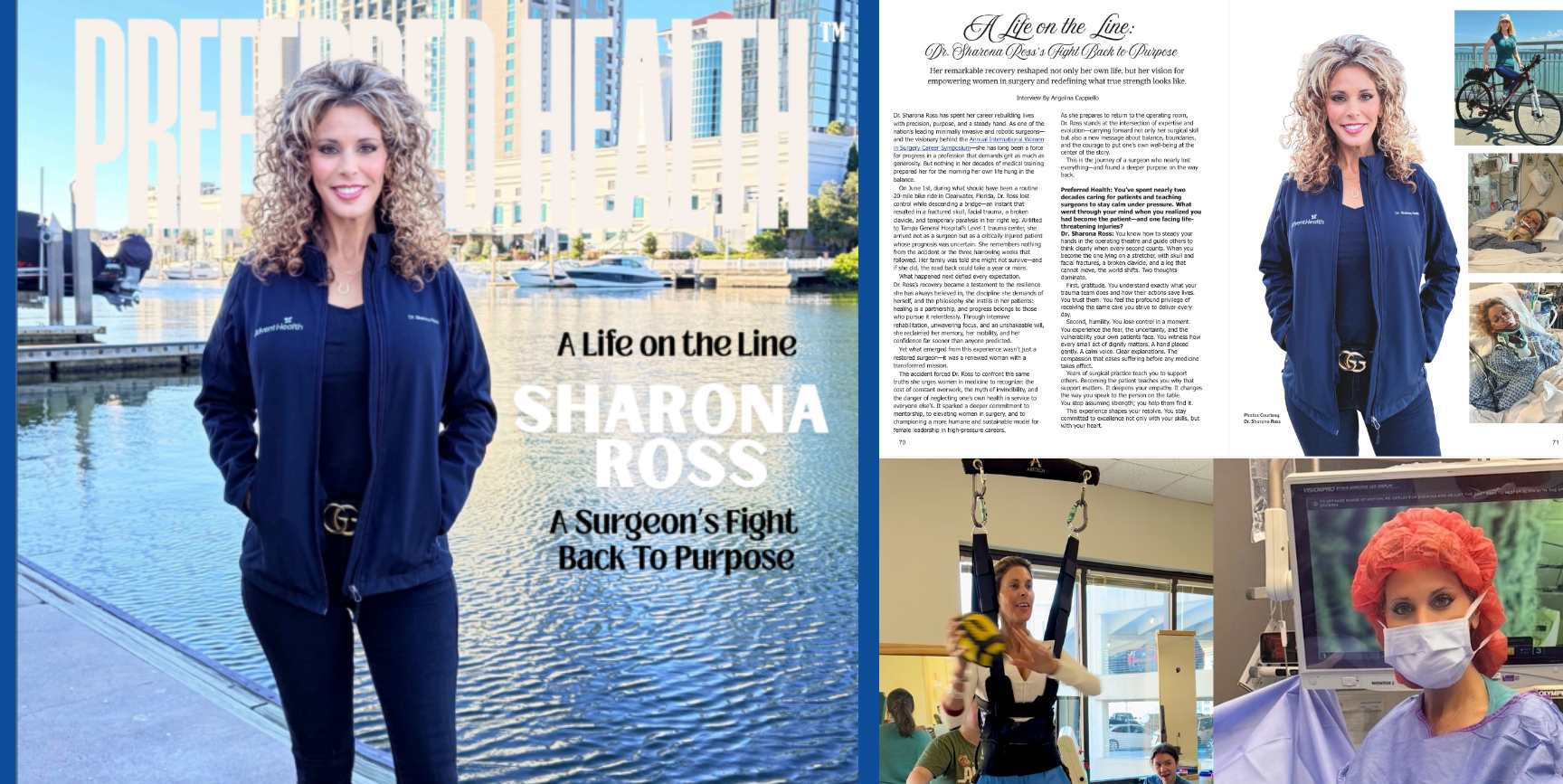
Selecting a preferred health magazine requires balancing clinical accuracy, editorial independence, and the practical relevance of content to your specific wellness goals. By evaluating publication standards, scientific vetting processes, and the expertise of contributing authors, readers can distinguish between commercially driven lifestyle copy and high-integrity medical journalism that provides actionable, safe, and verifiable health information.
Understanding the Landscape of Modern Health Media
The proliferation of wellness information has made the task of identifying a "preferred" health magazine more complex than in previous decades. In 2026, the marketplace for health-related content is bifurcated: on one side are peer-reviewed medical journals designed for clinicians, and on the other are consumer-facing publications that vary wildly in their adherence to the scientific method.
When you designate a magazine as your preferred source, you are effectively choosing a filter for your health literacy. A high-quality health magazine acts as a translator, distilling complex medical research into plain language without compromising the nuance of the underlying data. The primary objective of such a publication should be to improve the reader's ability to make informed decisions about their lifestyle, preventive care, and interactions with healthcare providers.
Criteria for Evaluating Editorial Integrity
To determine whether a magazine meets the standard of a "preferred" source, you must look past the aesthetic presentation and examine the mechanics of their editorial pipeline. Professional health journalism relies on several non-negotiable pillars.
Verification and Peer Review
A reputable magazine will clearly disclose its fact-checking process. Ideally, articles discussing medical interventions, nutrition, or psychological health should be reviewed by a medical advisory board. This board should consist of active, board-certified professionals—such as MDs, DOs, RDs, or PhDs—who have no undisclosed financial ties to the products or supplement companies frequently advertised within the magazine’s pages.
Financial Transparency
Conflict of interest is a critical concern in health publishing. You should be able to identify where the publication’s revenue comes from. If a magazine heavily features "advertorials"—content that mimics editorial copy but is actually paid for by pharmaceutical or wellness brands—the objectivity of its reporting is compromised. A preferred health magazine separates its revenue-generating activities from its editorial department with strict "church and state" barriers.
Citation and Sourcing
Avoid publications that make bold claims about "superfoods," "miracle cures," or "detox protocols" without citing primary sources. An authoritative article will typically link to or name the specific clinical trial, meta-analysis, or consensus statement from a major health organization (such as the NIH, the WHO, or the CDC) that supports its findings.
Comparison Table: Evaluating Health Publication Standards
| Feature | Preferred/High-Integrity | Low-Integrity/Sensationalist |
|---|---|---|
| Source Citation | Includes DOI/links to primary research | Anecdotes or vague "expert" mentions |
| Medical Review | Verified experts with credentials | No verification or "lifestyle coaches" |
| Claims | Nuanced, cautious, and conditional | Absolute, extreme, or hyperbolic |
| Ads vs. Content | Clear distinction; marked clearly | Blended; advertorials mimic articles |
| Updates | Content updated with current data | Evergreen, static, or outdated advice |
The Role of Evidence-Based Medicine in Journalism
Evidence-based medicine (EBM) is the gold standard for healthcare, and it should also be the standard for your preferred health magazine. EBM is the conscientious, explicit, and judicious use of current best evidence in making decisions about the care of individual patients.
When a magazine applies these principles, it avoids the "new study equals breakthrough" trap. A single small study on mice is rarely a reason to change your entire diet or exercise routine. A preferred magazine will contextualize a new finding by explaining how it compares to existing research. It will explicitly note if a study was observational (which shows correlation) or a randomized controlled trial (which provides stronger evidence of causation).
Avoiding Common Pitfalls in Health Consumption
One of the most dangerous tendencies in modern health media is the "biomedicalization" of normal human experiences. If a magazine consistently presents common, benign conditions as symptoms of an underlying, rare, or complex syndrome that requires expensive testing or supplements, it is likely prioritizing engagement over the reader’s welfare.
Be cautious of publications that promote:
- Fear-Based Messaging: Content that suggests your daily habits are subtly killing you unless you adopt a specific, proprietary supplement.
- Exclusionary Diets: Programs that eliminate entire food groups without clinical justification, particularly those marketed as "secret" or "ancient."
- Pseudo-Scientific Jargon: Words like "toxins," "inflammation," or "rejuvenation" used without specific physiological definitions or diagnostic markers.
Customizing Your Health Information Strategy
There is no single "perfect" magazine because health needs are highly individual. A person managing a chronic condition like type 2 diabetes has different informational requirements than someone focusing on sports nutrition or geriatric wellness.
To build a robust information strategy:
- Diversify your sources: Use your preferred magazine as a baseline, but verify life-altering health decisions with your primary care physician.
- Assess the target audience: Some magazines focus on high-performance athletes, while others focus on population-level health trends. Align the publication’s scope with your own health objectives.
- Monitor the date of publication: Even the most reputable journals occasionally publish findings that are later overturned. Check if the magazine has a practice of updating articles to reflect the latest consensus.
Frequently Asked Questions
How do I determine if a health magazine's medical board is legitimate? Search the names of the board members listed on the publication's "About" or "Masthead" page. Verify their credentials through national licensing databases or the professional organizations they claim to represent. A legitimate board member will usually have a verifiable history of clinical practice or academic research in the field they are vetting.
Should I trust a health magazine that accepts advertising from supplement companies? It is standard for many magazines to accept advertising, but the key is the policy on disclosure. If the magazine accepts money from a company, it should never allow that company to influence the editorial direction. If you notice a pattern where the magazine consistently promotes the specific ingredients sold by its major advertisers, that is a red flag indicating a lack of editorial independence.
Are digital-only health newsletters better than printed magazines? Not necessarily. Digital-only outlets can be more agile and update content more frequently, but they are also often subject to lower editorial oversight than established print brands. Evaluate both by the same metric: are they transparent about their sources, and do they employ trained medical journalists or subject-matter experts to write their content?
What should I do if my magazine presents contradictory health advice? Medical science evolves. If a magazine publishes a piece that contradicts a previous article, check if they reference the latest, higher-quality evidence. Reputable publications will acknowledge the previous findings and explain why the scientific consensus has shifted, rather than pretending the change never occurred.
Is it safe to follow "expert" advice if the expert doesn't have a medical degree? Not always. While nutritionists, health coaches, and trainers provide valuable services, they are not typically licensed to provide medical advice. A preferred health magazine will make a clear distinction between "wellness tips" and "medical advice," and will ensure that any advice regarding the treatment of disease is provided by a qualified medical professional.
Recommended Next Steps
To confirm your choice, perform an "integrity audit" on your preferred health magazine. Over the next month, select three feature articles. Check the citations provided at the bottom of the pages. Look up the primary authors and the medical reviewers to see if they hold appropriate qualifications. If you find that the articles are consistently supported by peer-reviewed evidence and that the advertisements do not overshadow the editorial content, you have found a reliable resource to help guide your wellness journey.